How Much Lead a Non-Lead Bullet Can Contain
It’s a common point of frustration for California hunters: you’re trying your best to comply with the non-lead ammunition laws, but the term "non-lead" itself can feel a little fuzzy. You might wonder if there’s a secret loophole or a hidden allowance for trace amounts of lead. This guide is going to clear up that confusion, explaining exactly what "non-lead" means under California law and what it practically implies for your hunting trips.
The Core Rule: What "Non-Lead" Really Means in California
When California phased in its statewide ban on lead ammunition for hunting, it wasn't just about switching bullet materials overnight. It was a monumental shift that brought a lot of questions, especially regarding what exactly constitutes "non-lead." Many hunters assume "non-lead" means zero lead, absolutely none, not even a molecule. The reality, while still incredibly strict, is a bit more nuanced.
Dispelling the Myth of "Zero Lead"
Let's get this out of the way upfront: "non-lead" in California's hunting regulations doesn't necessarily mean a laboratory-pure, absolutely zero parts per million of lead. Instead, the law focuses on the primary composition of the projectile. The intent of California's non-lead ammunition requirement is to eliminate the environmental presence of lead from hunting activities, particularly to protect scavenging wildlife like the critically endangered California Condor, which can suffer from lead poisoning after consuming gut piles or carcasses containing lead fragments.
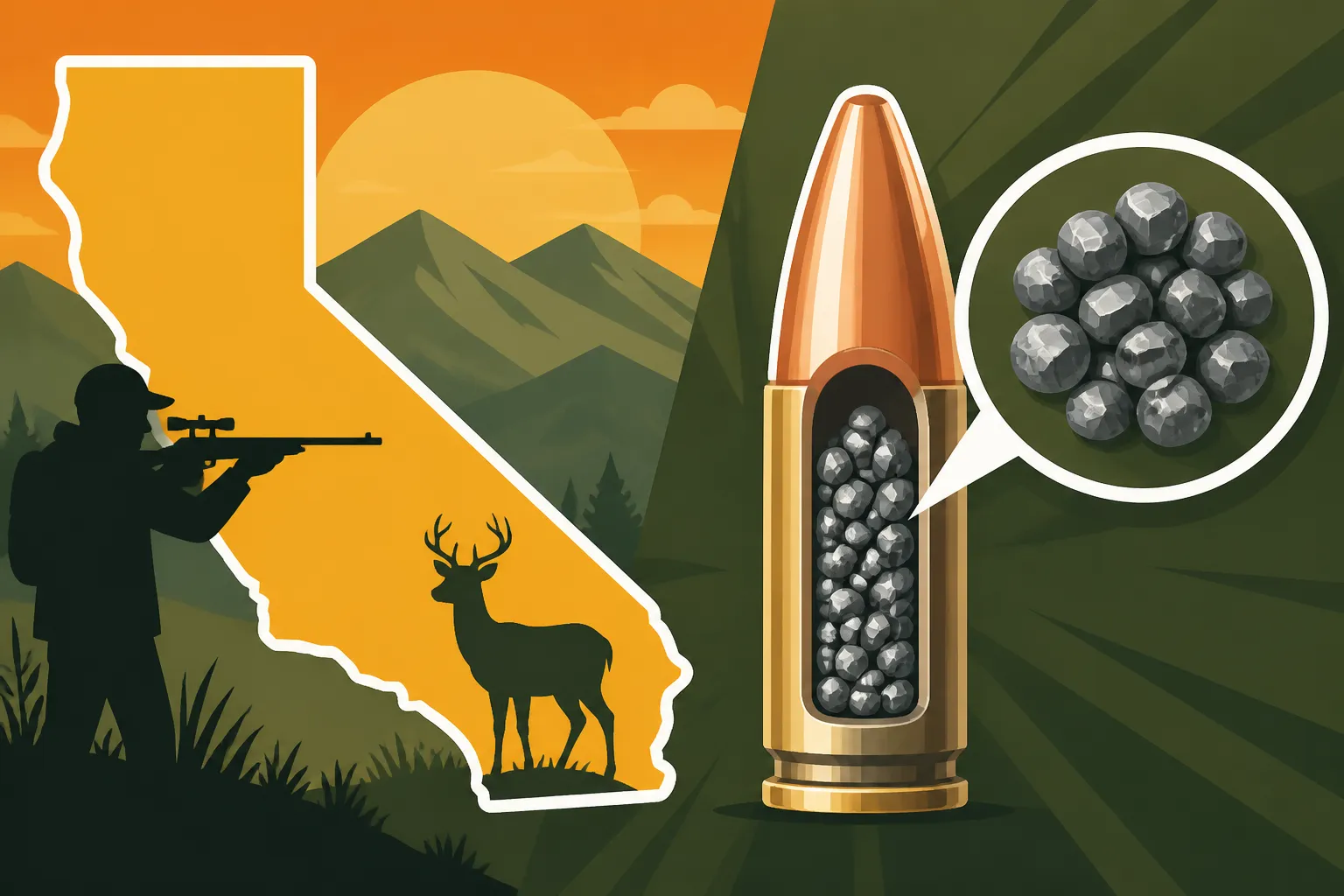
The spirit of the law targets projectiles made predominantly of materials other than lead. Think copper, copper alloys, solid brass, or other approved non-toxic materials. While manufacturers strive for the cleanest possible product, trace amounts of lead might be present in a bullet due to the manufacturing process itself, contamination from machinery that also processes lead-containing materials, or as a minor alloying element in certain brass or gilding metal jacket components. However, these are typically in such minute quantities that they do not defeat the purpose of the law. The crucial factor is that the projectile is designed and marketed as "non-lead" and has undergone specific testing and certification to meet the state's stringent requirements. It’s not about absolute purity, but about ensuring the vast majority of the projectile's mass is a non-lead material.
The CDFW Certification Process
So, if it’s not strictly "zero lead," how do you know what’s legal? This is where the California Department of Fish and Wildlife (CDFW) comes in. They have a rigorous process for certifying ammunition as non-lead. Manufacturers submit their bullet designs and compositions for approval, demonstrating that the projectiles meet the criteria of being constructed from non-lead materials. This means you, as a hunter, don't have to carry a chemistry set into the field to test your bullets. Instead, you look for ammunition that is specifically listed or labeled as "California Compliant" or "Non-Lead for California."
The CDFW maintains an updated list of approved non-lead projectiles and ammunition. This is your go-to resource. Before you head out for Hunting California's Zone A Season or chase turkeys in the spring, it's always a good idea to cross-reference your chosen ammunition with this list. This process is designed to give hunters confidence that when they purchase a box of certified non-lead ammunition, they are indeed meeting the legal requirements. It takes the burden of material analysis off your shoulders and places it on the manufacturers and the state’s regulatory body. Without this certification, even a bullet made mostly of copper might raise questions if it hasn't gone through the official channels, making it essential for both manufacturers and hunters to adhere to the established process.
Navigating the Non-Lead Maze: Practical Implications for Hunters
The shift to non-lead ammunition isn't just a legal formality; it impacts everything from bullet performance to your wallet. Understanding these practical implications is key to a successful and compliant hunt.
Understanding Bullet Composition and Performance
The most common non-lead material you’ll encounter is copper. Unlike traditional lead-core bullets that often deform significantly and shed fragments upon impact, copper bullets tend to retain a much higher percentage of their original weight. This means they often penetrate deeper and consistently hold together, creating a more predictable wound channel. For game like California blacktail deer or even larger animals like wild pigs, this can translate to excellent terminal performance, often resulting in quicker, cleaner kills when shot placement is accurate. However, this different performance profile means that Zeroing a Rifle for Non-Lead Loads is absolutely critical. You can't just swap out lead for non-lead and expect the same point of impact, especially at longer ranges. The ballistic coefficients and weights can differ significantly.
Some hunters express concerns about the expansion of copper bullets compared to lead, especially at lower velocities or longer ranges. While early copper designs sometimes had issues, modern non-lead bullets from companies like Barnes TSX, Hornady GMX, and Federal Premium Terminal Ascent have come a long way. They are engineered for reliable expansion across a broad range of velocities, performing admirably on game from Best Non-Lead Bullet Weight for Blacktail Deer up to elk. It's really important to test different brands and bullet weights in your specific rifle to find what shoots best and provides the most consistent performance. Don't assume that because it's non-lead, it's all the same – just like lead ammunition, there's a wide world of options and performance characteristics out there.
| Feature | Traditional Lead-Core Bullets | Certified Non-Lead Bullets |
|---|---|---|
| Primary Material | Lead alloy core with copper jacket | Solid copper, brass, or other alloys |
| Environmental Impact | Fragments can cause lead poisoning | Minimizes lead exposure in wildlife |
| Weight Retention | Variable, often lower (50-80%) | High, often 95-100% |
| Expansion | Designed for rapid, controlled expansion | Engineered for reliable, deep expansion |
| Penetration | Good, but can fragment | Excellent, consistent through tissue |
| Ballistics | Wide range of options | Evolving, excellent modern designs |
| Cost | Generally lower | Often higher due to material/process |
| Legality in CA | Generally prohibited for hunting | Required for all hunting in CA |
The Cost and Availability Challenge
Let's be honest, one of the biggest headaches with the non-lead requirement, beyond the performance learning curve, has been the cost and availability. Non-lead ammunition often uses more expensive materials, like pure copper, and can require more specialized manufacturing processes. This translates directly to a higher price tag at the gun store or online. For many hunters, this felt like an unfair burden, especially when lead alternatives used to be plentiful and affordable. The sticker shock is real when a box of hunting ammunition costs significantly more than it used to.
Availability can also be a sticking point. While the situation has improved dramatically since the initial statewide implementation, certain calibers or specific bullet weights, like Best Non-Lead Load Options for .308 Hunters, might still be harder to find or go out of stock quickly, especially leading up to popular seasons like Hunting California's General Deer Season. This is why planning ahead is paramount. Don't wait until the week before your season opens to look for ammo. Start searching early, especially if you shoot a less common caliber. Online retailers and larger sporting goods stores generally have the best selection. Resources like GoHunt can sometimes offer insights into current inventory trends or reviews of available non-lead options, helping you make informed decisions about your purchases. Investing in a good supply when you find it is a smart move, ensuring you're ready for any season, whether it's Wild Pig Hunting California Year-Round or pursuing a draw-only X-zone buck.
Compliance Beyond the Bullet: Other Considerations
Understanding the bullet itself is a huge part of non-lead compliance, but it’s not the only piece of the puzzle. As responsible hunters, we need to consider the broader scope of the law and our role in upholding it.
The Statewide Ban and Specific Zone Implications
California's non-lead ammunition requirement is now a statewide mandate for all hunting, regardless of the game species or location. This means whether you're chasing squirrels in the Sierra foothills or ducks in the Central Valley, your projectiles must be non-lead. This wasn't always the case, as the law was phased in over several years, starting with certain areas like Hunting California's Los Padres National Forest and for specific species, before becoming universal. The full implementation of California's Non-Lead Ammunition Requirement was a significant milestone, aiming to create a consistent standard across the board and further protect wildlife.
It's important to remember that this ban extends beyond just rifles. Shotgun slugs, muzzleloader projectiles, and even handgun ammunition used for hunting must also be non-lead. This sometimes catches hunters off guard, particularly those who might use a handgun for dispatching game or a muzzleloader in a special season. Always consult the current CDFW regulations booklet or their website to ensure full compliance. Even if you've been hunting for decades, these rules are relatively new in the grand scheme of things, and staying informed is crucial. Platforms like GoHunt often compile regulatory updates, making it easier to stay current on what’s allowed and where.
Your Role as a Responsible Hunter
Ultimately, compliance with California's non-lead ammunition law rests with each individual hunter. It’s not just about avoiding a citation; it’s about being a responsible conservationist and respecting the intent of the law. This means making sure you purchase certified ammunition, testing it thoroughly, and always double-checking the regulations, especially if you're venturing into new areas or hunting different species. The CDFW website is an invaluable resource, but local sporting goods stores and experienced hunters can also offer practical advice.
Beyond simply buying the right ammo, consider practicing with it extensively. Sighting In Before Switching to Non-Lead is not an option, it's a necessity. Understanding how your chosen non-lead bullet performs in your firearm at various distances is vital for ethical hunting. We want to ensure clean, humane kills, and that confidence comes from practice. Share your knowledge with new hunters or those who might still be confused. Education is our best tool to ensure widespread understanding and compliance, preserving hunting opportunities for future generations and protecting California’s unique wildlife, like the majestic Condor, from the dangers of lead exposure.
Disclaimer
Please note that hunting regulations, including those regarding ammunition, can change. Always consult the latest California Department of Fish and Wildlife (CDFW) regulations and local ordinances before engaging in any hunting activity. This guide is for informational purposes only and should not be considered legal advice.