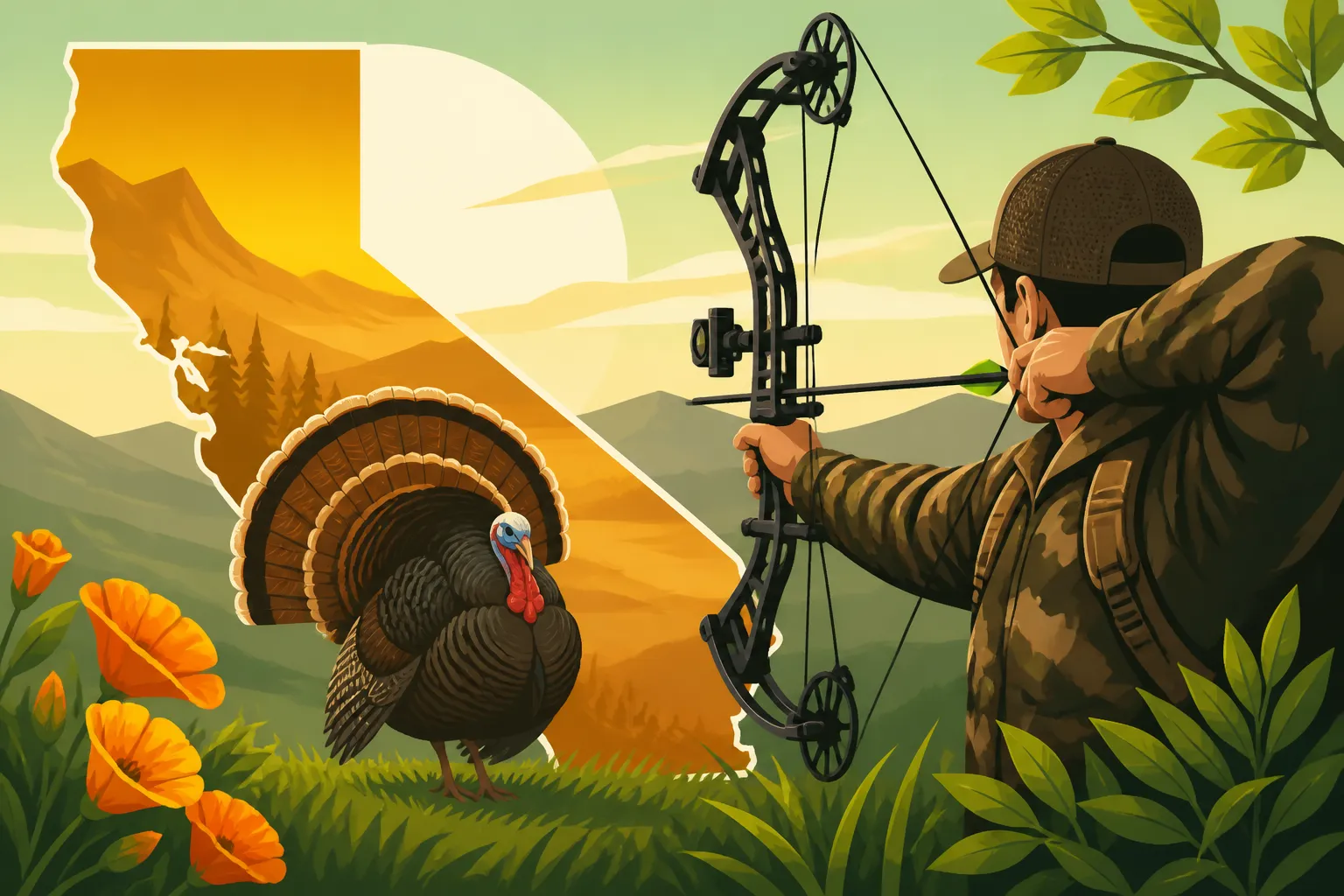
California Spring Turkey Archery-Only Dates
Trying to pin down the exact dates for California's spring turkey archery-only season can feel like navigating a maze, especially when you're just eager to get out in the field. The regulations can be a bit tricky to decipher, often leaving hunters wondering when they can truly hit the woods with their bow and arrow without running afoul of the law. This guide is here to untangle those rules, clarify the specific archery-only dates for spring turkeys, and provide practical advice to help you make the most of this unique hunting opportunity.
Understanding California's Spring Turkey Season Structure
California's spring turkey season is a highly anticipated time for many hunters, offering a chance to pursue these wily birds in some truly beautiful landscapes. However, it's not a single, monolithic season. Instead, it’s broken down into different periods, and understanding how the archery-only dates fit into this larger framework is crucial for a successful and legal hunt. It’s easy to get confused with the various start and end times, especially when juggling different weapon types.
General Season Dates and Archery Overlap
The general spring turkey season in California typically kicks off in late March and runs through May. This is the period when most hunters are out, utilizing shotguns, archery equipment, or even air rifles where legal. For many parts of the state, the general season begins on a specific Saturday and continues for about 40 to 50 days, depending on the year. During this broad window, archers are, of course, welcome to hunt. Your archery gear is perfectly legal during the general season alongside firearms, so there's no restriction on when you can use your bow, only what weapons are allowed during specific periods. It’s important to remember that all hunters, regardless of weapon choice, must adhere to the California Turkey Season Rules regarding bag limits, shooting hours, and tag validation.
However, the real niche for bowhunters comes with the dedicated archery-only windows. These are specific periods designed to offer a unique challenge and opportunity for those who prefer to hunt exclusively with a bow. Think of the general season as the main event, and the archery-only period as a special prelude or encore, exclusively for stick-and-string enthusiasts. This staggered approach helps manage hunting pressure and provides diverse experiences for the state's diverse hunting community.
The Specific Archery-Only Window
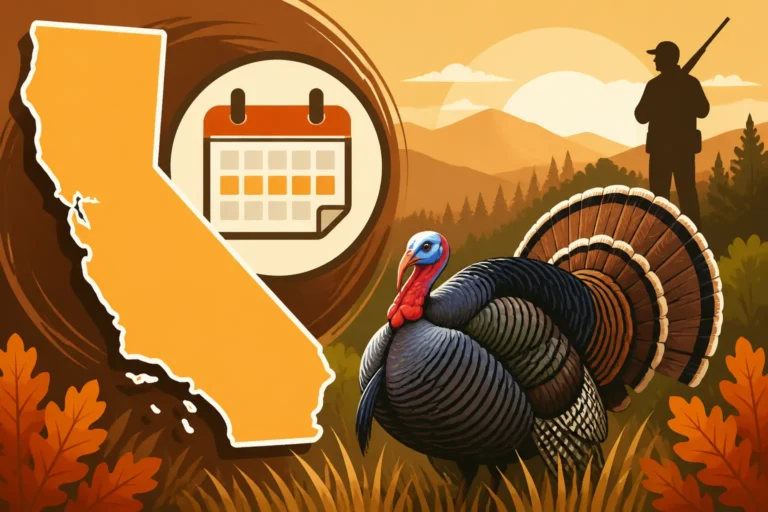
The California Department of Fish and Wildlife (CDFW) sets specific archery-only dates for the spring turkey season, distinct from the general season dates. These dates are usually found at the very beginning of the spring season, offering bowhunters a head start before the shotgun hunters join the fray. Historically, the primary spring archery-only period typically begins on the second Saturday in March and runs for two weeks, right before the general season opens. Additionally, there is often a later archery-only period, usually in late May or early June, that acts as an extension after the general season has closed. For instance, you might see a general season closing date in mid-May, followed by an additional archery-only week or two. It's essential to consult the most current CDFW Hunting Regulations each year, as these dates can shift slightly. You can often find the exact dates listed clearly in the annual "Upland Game Bird Regulations" section of the CDFW website or their printed digest. For the most up-to-date information, checking the official CDFW regulations is always your best bet.
For example, in recent years, the first archery-only season has usually run from the second Saturday in March for about two weeks. The second, later archery-only season typically runs for about two weeks after the general season closes, often extending into the first week of June. This later season can be a fantastic opportunity, as many hunters have packed up their gear for the year, leading to less hunting pressure, though turkeys might be more educated. These periods are specifically designated where only archery equipment is permitted, creating a different atmosphere and challenge than the general season.
Why an Archery-Only Period Exists
The existence of dedicated archery-only periods in California's turkey season serves a few important purposes. Firstly, it provides a unique opportunity for bowhunters to pursue turkeys without the presence of firearm hunters. This can lead to a different hunting experience, often with less pressure on the birds during those initial weeks, potentially making them less wary. Archery hunting, by its nature, requires closer ranges and a higher degree of stealth, which some hunters prefer as a greater challenge. The limited weapon choice during these periods helps create a more specialized environment for this segment of the hunting community.
Secondly, these specialized seasons contribute to effective wildlife management. By staggering hunting opportunities and restricting weapon types, the CDFW can offer more diverse recreational opportunities while still ensuring sustainable harvest levels. It acknowledges the different skill sets and preferences within the hunting population, catering to those who relish the close-quarters intensity of archery. This approach isn't unique to turkeys; many other game species in California, and across the nation, have similar specialized seasons for various weapon types, like the Hunting California's Zone A July Archery Opener for deer, allowing for increased participation without overharvesting.
Navigating the California Department of Fish and Wildlife (CDFW) Regulations
Dealing with hunting regulations can be daunting. The CDFW website is a treasure trove of information, but sometimes it feels like you need a secret decoder ring to find exactly what you’re looking for. Knowing where to look and what to look for can save you a lot of headaches and ensure your hunt is fully compliant. It’s not just about knowing the dates, but also understanding the nuances of legal equipment and reporting.
Finding the Official Dates
The absolute best and most current source for California Spring Turkey Archery-Only Dates is always the official California Department of Fish and Wildlife (CDFW) website. Specifically, you'll want to navigate to their hunting section and look for the "Upland Game Bird Regulations." These regulations are updated annually, usually in the late winter or early spring, well before the turkey season begins. Don't rely solely on forum posts or even last year's printed digest, as dates or specific rules can change. Bookmark the official CDFW link and check it regularly. Many hunters also find the CDFW's "Wildlife Areas" pages helpful, as specific public lands might have their own unique restrictions or hunt drawing opportunities that can impact when and where you can pursue turkeys with a bow.
Beyond the website, the printed California Hunting Regulations Digest is another reliable source. You can usually pick these up at licensed sporting goods stores, CDFW offices, or anywhere hunting licenses are sold. This digest is a comprehensive guide to all hunting seasons, species, and regulations for the year. Always ensure you have the current year's digest. Familiarizing yourself with the specific sections pertaining to turkey hunting and archery equipment will be invaluable. Remember, it's your responsibility as a hunter to know and abide by all current regulations before you head into the field.
Understanding Weapon Restrictions
When the season is designated "archery-only," it means exactly that: only archery equipment is allowed. This is not the time to bring a shotgun "just in case." The Legal Weapons During California Archery Season rules are very clear. For turkeys, this means a bow, which can be a recurve, longbow, or compound bow, and arrows tipped with broadheads. Crossbows are generally permitted during archery seasons, but always double-check the specific regulations for any nuances, as there can sometimes be distinctions based on physical limitations or specific tag types. However, for general turkey archery season, crossbows are legal. It is absolutely crucial that no firearm, air rifle, or even components that could be assembled into a firearm, are present with you in the field while hunting during an archery-only period. This includes having a pistol for self-defense if it’s not explicitly allowed and tagged for that purpose, which is generally not the case for archery-only hunting.
The purpose of these strict weapon restrictions is to maintain the integrity and challenge of an archery hunt. It ensures fair chase and consistent regulations for all participants in that specific window. Make sure your arrows are properly fletched and your broadheads are sharp and in good condition. You want every shot to be ethical and effective. Before season, it’s a good idea to practice with the exact broadheads you plan to use, ensuring your bow is tuned and your arrows fly true with those hunting tips. This preparation is key for ethical hunting and for ensuring you’re ready when that gobbler finally steps into range.
Tagging and Reporting Requirements During Archery Season
The process for tagging and reporting your turkey harvest during the archery-only season is exactly the same as during the general season. First and foremost, you need a valid California hunting license and an upland game bird validation. If you're a California resident, this usually means purchasing your California Resident Base License Cost annually. For specific turkey tags, you’ll obtain a tag that covers the spring season. Once you successfully harvest a turkey, you must immediately fill out the tag information, including the date, time, and location of the kill, and attach it to the bird's leg. This tag must remain with the bird until it reaches your home or a meat processing facility.
Equally important is the harvest reporting requirement. California hunters are required to report their turkey harvest to the CDFW. This can typically be done online through their Automated License Data System (ALDS) or by mail. Reporting is crucial for wildlife management, as it provides the CDFW with valuable data on harvest rates and turkey populations, helping them make informed decisions about future seasons and bag limits. Even if you don't harvest a bird, it's a good practice to log into your ALDS account after the season closes to ensure all your information is up to date, although reporting a "no harvest" isn't usually mandatory.
Strategies and Considerations for Archery-Only Turkey Hunting
Archery hunting for turkeys is a special kind of challenge. You're not just hunting a bird; you're playing a game of chess against one of nature's wariest creatures, often at ranges where every rustle and breath matters. The specific timing of the archery-only season presents both unique advantages and hurdles that bowhunters need to anticipate and prepare for.
Early Season Advantages and Challenges
Hunting during the early spring archery-only window offers some distinct advantages. Primarily, hunting pressure is often significantly lower. With fewer hunters in the woods, turkeys may be less educated and more responsive to calls. The birds are also generally still in their peak breeding phase, meaning gobblers are actively seeking hens and are often more vocal and visible. This can lead to some truly exhilarating hunts, as a hot gobbler might charge right into your setup. You might find birds more concentrated in specific areas as they establish breeding territories.
However, there are also challenges. Early spring weather can be unpredictable, ranging from mild and sunny to cold and wet, sometimes even snowing in higher elevations. This means you need versatile layering, especially if you're out Hunting California's Sierra Nevada High Country or other varied terrain. Furthermore, while gobblers might be vocal, they can also be "henned up," meaning they're already with a flock of hens and reluctant to leave them for your calls. This requires patience and often a more aggressive calling strategy to try and pull the gobbler away. Sometimes, a silent approach and careful Still-Hunting California's Sierra Nevada Timber might be more effective than aggressive calling. Understanding turkey behavior during this specific time is key.
Gear Essentials for Archery Turkey Hunters
Your gear choices can significantly impact your success as an archery turkey hunter. Unlike shotgun hunting, where you might get away with a quick, distant shot, bowhunting requires getting birds within 20-30 yards, often much closer. Stealth is paramount, so full camouflage is a must, including face masks and gloves. You want to blend seamlessly into your surroundings, whether you're hunkered down against a tree or using a ground blind. Comfort is also vital for long sits, so a good cushion or portable seat can make a huge difference.
Beyond your bow setup, which should be perfectly tuned for accuracy and equipped with sharp, reliable broadheads, consider specialized turkey decoys. A jake and hen setup can be incredibly effective, drawing jealous gobblers into range. A good set of calls – slate, box, and mouth calls – is essential, allowing you to mimic various hen vocalizations. A rangefinder is invaluable for quickly judging distances once a bird commits, ensuring an ethical shot. Lastly, don't forget essentials like binoculars for spotting distant birds, a headlamp for pre-dawn setups, and a sturdy vest or pack to carry all your gear comfortably. Many hunters find using a mapping app like GoHunt on their phone to be indispensable for navigating public lands and marking key areas.
Scouting and Locating Birds
Successful archery turkey hunting starts long before opening day with thorough scouting. This is particularly true during the archery-only period when you're aiming for those close encounters. Look for fresh turkey sign: tracks, droppings, feather piles, and dusting bowls. Listen for gobblers on the roost at dawn and dusk. Drive or walk potential hunting areas during the weeks leading up to the season. Pay attention to food sources, such as acorn flats in oak woodlands, and water sources. Turkeys are creatures of habit, and knowing their travel routes, roosting sites, and feeding areas will dramatically increase your odds.
Using aerial maps and GPS tools, like those offered by GoHunt, can help you identify potential roosting areas (tall trees near water), travel corridors (ridge lines, creek bottoms), and open feeding areas. Mark these spots and then verify them on the ground. When Scouting California Public Land Before Season, look for areas that might offer natural funnel points or good ambush locations. Understanding the topography and how turkeys use it is crucial. This pre-season intelligence gathering is perhaps the single most important factor in whether you'll call in a bird close enough for an archery shot.
Maximizing Your Archery-Only Opportunity
The archery-only spring turkey season is a fantastic chance to experience a truly intimate and challenging hunt. With a bit of extra preparation and some refined tactics, you can significantly increase your chances of tagging a bird with your bow. It’s all about understanding the nuances of turkey behavior and leveraging the unique conditions of this specific season.
Calling and Decoy Tactics for Bowhunters
Calling turkeys for an archery shot is a delicate dance. Unlike shotgun hunting, where a bird at 40 yards is a good shot, for archery, you want them within 20-25 yards, ideally closer. This means your calling needs to be incredibly persuasive and realistic to draw them in that extra distance. Start with soft clucks and purrs, escalating only if the bird shows interest or hangs up. Aggressive cutting and cackling can work on stubborn gobblers, but often a subtle approach is more effective for bowhunters who need to avoid spooking birds at close range. When Calling a Gobbler in Oak Woodland, try to mimic a lonely hen looking for company. Vary your calls; sometimes less is more.
Decoy placement is absolutely critical for bowhunters. Place your decoys (a hen or jake/hen combo works wonders) about 20-25 yards from your setup, slightly quartering away from your expected shot angle. This encourages the gobbler to approach the decoys from a position that offers you a better, often broadside, shot opportunity as he focuses on the "intruder" or "potential mate." Ensure your decoys are visible from a distance but not so close that an approaching gobbler spots you first. Consider a reaping or fanning decoy tactic only if you're on private land or in a very controlled environment and are absolutely sure no other hunters are present, as it can be incredibly dangerous on public land. For most situations, a static decoy setup in front of your blind or against a good tree is safest and most effective.
Public vs. Private Land Access for Archery Turkey
California offers a mix of public and private land opportunities for turkey hunting, and the archery-only season can impact how you approach both. On public lands, such as National Forests, BLM lands, and some Wildlife Areas, you might face more competition, even during the archery-only window, though generally less than the general season. It’s imperative to thoroughly scout these areas beforehand to find less pressured spots. Using mapping tools like GoHunt, which show land ownership and topography, can be incredibly useful for identifying secluded pockets on public land that other hunters might overlook. Remember, some Wildlife Areas might require special permits or have specific entry rules, so always check the CDFW regulations for the particular area you plan to hunt.
For private land, securing permission is key. The archery-only season can sometimes make landowners more receptive to bowhunters, as it's generally perceived as a quieter, less intrusive form of hunting. Building relationships with landowners well in advance of the season is crucial. Offer to help with chores, respect their property, and always follow up with a thank you. Having access to private land can be a game-changer, especially during later archery-only windows when public land birds might be highly educated. Always ensure you have written permission when hunting private land in California to avoid any trespass issues.
Common Mistakes to Avoid
Archery turkey hunting is all about attention to detail. One of the biggest mistakes hunters make is not staying still enough. Turkeys have incredible eyesight, and even a slight movement can send them packing. Once you're set up, whether in a blind or Setting Up Against a Big Valley Oak, commit to minimal movement, especially when birds are in sight. Another common error is impatience. Gobblers don't always come running in, and sometimes it takes an hour or more of calling and waiting for a bird to finally commit. Don't call too frequently; let the situation dictate your cadence.
Forgetting to range your shooting lanes beforehand is another pitfall. Before the action starts, pick out landmarks at 10, 20, and 30 yards. This eliminates guesswork and fumbling with a rangefinder when a gobbler is strutting towards you. Lastly, don't underestimate the importance of full camouflage and scent control. While turkeys primarily rely on sight and sound, minimizing human odor can only help, especially when birds are coming in close. Remember that every detail matters when you're trying to get a wary gobbler within bow range.
| Season Type | Typical Start Date | Typical End Date | Permitted Weapons | Key Consideration |
|---|---|---|---|---|
| Spring Archery-Only | Second Saturday in March | Two weeks later (before general) | Bow and Arrow (Crossbows generally allowed) | Lower pressure, but unpredictable weather. |
| Spring General Season | Last Saturday in March / Early April | Mid-May | Archery, Shotgun, Air Rifle | Higher hunter numbers, broader weapon choice. |
| Late Archery-Only | Late May / Early June | One to two weeks later (after general) | Bow and Arrow (Crossbows generally allowed) | Educated birds, less pressure, great opportunity. |
| Fall Archery-Only | Mid-August | Mid-September | Bow and Arrow (Crossbows generally allowed) | Focus on food sources; hens and jakes often targeted. |
Disclaimer: Hunting regulations, including season dates, bag limits, and legal methods, are subject to change. Always consult the official California Department of Fish and Wildlife (CDFW) regulations or website for the most current and accurate information before participating in any hunting activity. This content is for informational purposes only and should not be considered legal advice.