Ordering Non-Lead Ammo Online for California
Trying to find the right non-lead ammunition for your California hunt can feel like a scavenger hunt, especially with specific requirements and fluctuating availability. It's frustrating when you're ready for the season, but your local shop is out of stock or doesn't carry the exact non-lead rounds you need for your rifle. This guide is here to walk you through the process of confidently ordering non-lead ammunition online for your California hunting adventures, ensuring you're compliant and prepared.
The California Non-Lead Mandate and What It Means for Your Ammo Choices
California’s non-lead ammunition requirement is probably one of the biggest changes hunters in the state have faced in recent memory. It's not just a suggestion; it's a statewide mandate that affects every hunt, every caliber, and every projectile type. Understanding this law is the first crucial step before you even start browsing online for ammo. Many hunters feel the pinch of this regulation, not only in availability but sometimes in cost and ballistic performance comparisons to what they were used to with lead.
Understanding the Law
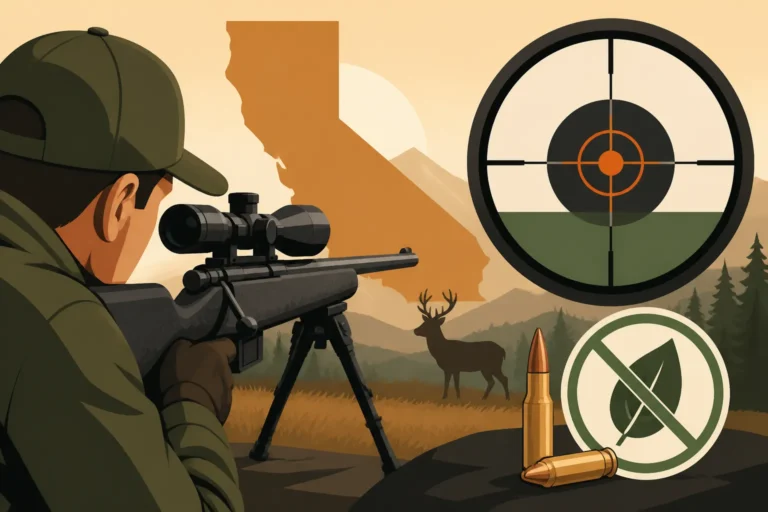
Since July 1, 2019, it has been illegal to use any projectile containing lead when taking any wildlife in California. This means if you're out chasing blacktail deer in the coastal range or pursuing wild pigs in the foothills, your bullets, slugs, and shot must be certified as non-lead. This isn't just about big game; it applies to small game, waterfowl, and predators too. The law was phased in over several years, starting with specific areas and then expanding statewide, primarily driven by concerns over lead poisoning in wildlife, particularly the California Condor.
For many of us who have hunted for decades, switching from tried-and-true lead ammunition felt like starting from scratch. We spent years dialing in our rifles with specific loads, and suddenly, those loads were no longer legal. It forces you to re-evaluate everything from bullet weight to ballistic coefficients. It's not just finding any non-lead round; it's finding one that performs well in your firearm and is appropriate for the game you're pursuing. Make sure you're always up to date on California's Non-Lead Ammunition Requirement to avoid any surprises in the field.
Why Non-Lead is Different
Non-lead ammunition typically refers to bullets made from copper, copper alloys, or sometimes bismuth for shotguns. These materials behave differently than lead upon impact. Copper bullets, for example, are known for retaining almost all of their original weight, even when expanding. This means they tend to penetrate deeper than many traditional lead-core bullets, which often shed jacket material or fragment. While this can be a huge benefit for energy transfer and exit wounds, it also means shot placement becomes even more critical.
The manufacturing process and material costs for non-lead rounds can sometimes make them more expensive than their lead counterparts. This is a common point of frustration for hunters who are already dealing with rising costs for licenses, gear, and fuel. Additionally, the availability can sometimes be inconsistent, especially for less common calibers or specific bullet weights. It's a learning curve for everyone, understanding these new characteristics and how they translate to field performance. You can delve deeper into Copper Bullet Ballistic Coefficient Versus Lead to see how the numbers stack up.
Navigating Online Retailers for Non-Lead Ammunition
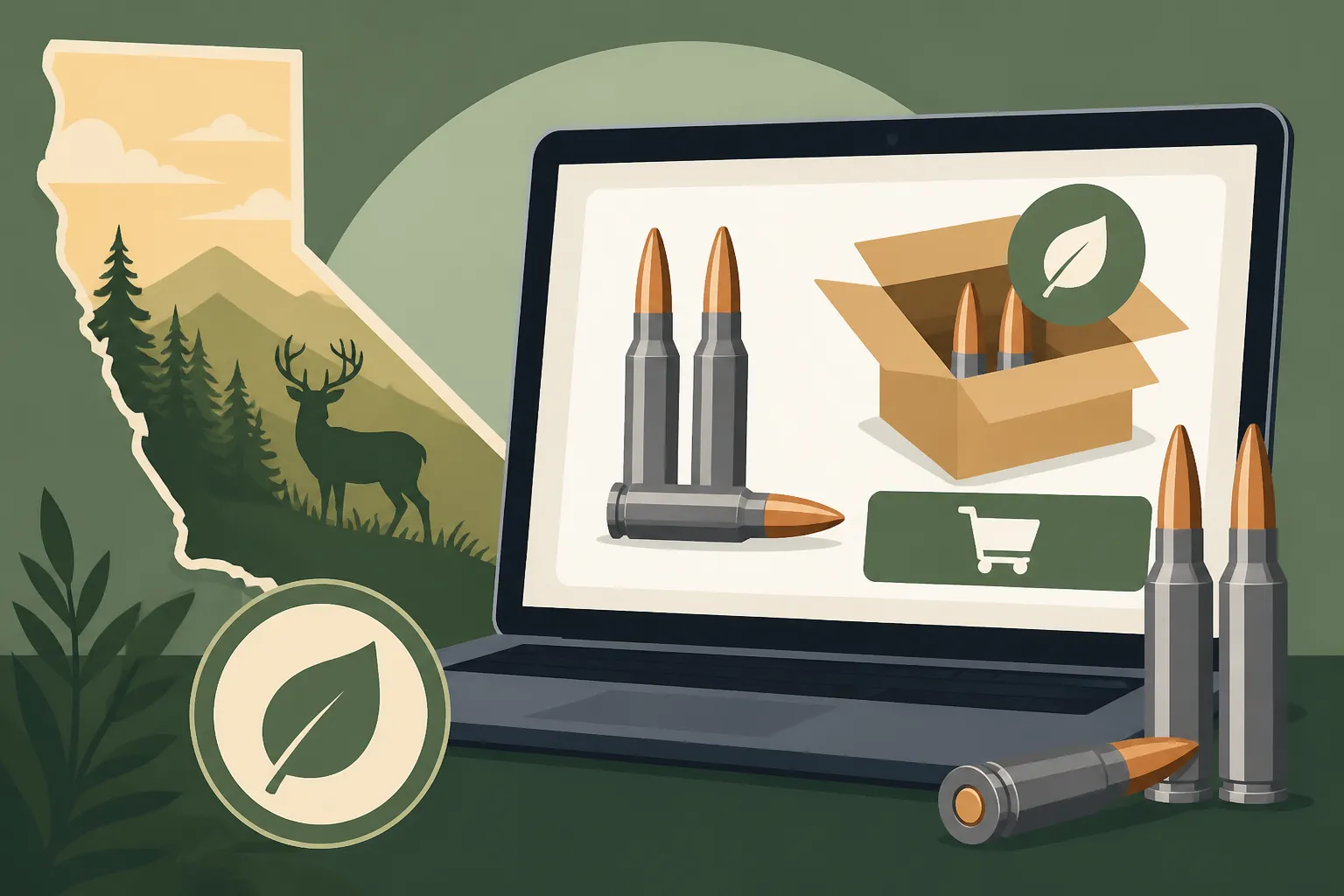
The digital age has certainly made hunting gear, including ammunition, much more accessible. When local sporting goods stores fall short in selection, online retailers often fill the gap. However, ordering ammunition online for delivery in California comes with its own unique set of considerations and rules that you absolutely must understand. It’s not as simple as clicking "add to cart" and waiting for it to show up on your doorstep, and ignoring the details can lead to delays or even denied shipments.
Key Factors to Consider When Ordering Online
When you're browsing online for non-lead ammo, price isn't the only factor. You need to consider the retailer's shipping policies to California, their stock levels, and their range of certified non-lead options. Some larger national retailers might have a broader selection but more stringent verification processes for California residents. Smaller, specialized ammo dealers might offer more personalized service but potentially at a slightly higher price. Always compare shipping costs and potential hazmat fees, as these can add significantly to the final price. Sometimes, a slightly higher per-box price with free shipping ends up being cheaper than a lower price plus hefty shipping.
Another critical factor is verifying that the ammunition is actually certified non-lead for California. Most reputable retailers will clearly label compliant ammunition, but it's always good practice to double-check the manufacturer's specifications. You don't want to accidentally order a box of "reduced lead" or "frangible" rounds that don't meet California's strict requirements. Resources like the CDFW website often list approved manufacturers and bullet types. For more specific guidance on what works for various game, check out articles like Best Non-Lead Bullets for California Deer-Sized Game or Best Non-Lead Bullet for a .270.
The Online Ordering Process
The process for ordering ammunition online for California delivery involves a few extra steps compared to other states. Due to state law, ammunition cannot be shipped directly to your residence. Instead, it must be shipped to a licensed ammunition vendor (LAV) or a licensed firearms dealer (FFL) who is authorized to process ammunition transfers. Think of it like buying a firearm; you pick it up at a dealer. You'll need to locate an LAV or FFL near you that offers this service and is willing to accept your shipment. Many gun shops, even smaller ones, will do this for a small transfer fee.
Here’s a typical flow:
- Find a Local FFL/LAV: Before you even place your order, contact a local gun shop or FFL/LAV to confirm they accept ammo transfers and what their fee is. Get their FFL number.
- Place Your Order: When placing your order online, you'll enter the shipping address of your chosen FFL/LAV. Many online retailers, like those you might find through a resource like GoHunt, have specific fields for FFL information during checkout for California orders.
- Provide FFL Information: You may need to provide your FFL/LAV's contact information and FFL number to the online retailer. Sometimes the retailer will contact the FFL directly to get a copy of their license.
- Await Arrival & Pickup: Once the ammunition arrives at your FFL/LAV, they will contact you. You'll then go to their location, present your valid California ID (and sometimes your hunting license, depending on the dealer), and fill out the necessary paperwork for the background check (which has a small state fee). This is the part that often catches new online ammo buyers off guard – you can't just walk in and grab it; there's a quick process involved.
| Step | Action | Important Note for California Hunters |
|---|---|---|
| 1. Find Non-Lead Ammo | Browse online retailers for your desired caliber and bullet type. | Ensure it is clearly labeled "non-lead" and meets California's specific requirements. Check resources like GoHunt for availability. |
| 2. Locate FFL/LAV | Find a licensed ammunition vendor (LAV) or Federal Firearms License (FFL) holder near you willing to accept ammo transfers. | Call them first to confirm they accept transfers and to ask about their transfer fee. Get their FFL number. |
| 3. Place Online Order | Input your chosen FFL/LAV's shipping address during checkout. | Many retailers have a specific section for California FFL details. Provide all necessary contact info for the FFL. |
| 4. FFL Communication | The online retailer may verify the FFL's license before shipping. | Sometimes you might need to send a copy of the FFL's license to the retailer yourself if prompted. |
| 5. Ammunition Ships | The online retailer ships your order to the FFL/LAV. | Track your shipment closely. |
| 6. Pickup & Background Check | Once notified by your FFL/LAV, go to their location, present ID, and complete a quick background check. | There's a small state fee for the background check, and you'll need your current California Driver's License or ID. |
Essential Tips for a Smooth Online Ammo Purchase in California
Ordering ammunition online can be seamless if you prepare, but it can quickly become a headache if you overlook key details. Hunters have enough to worry about with scouting, gear prep, and making time for the season; the last thing you need is ammo woes. These tips are designed to help you avoid common pitfalls and ensure your non-lead rounds are ready when you are.
Confirming Legality and Delivery Requirements
It can't be stressed enough: always double-check the specific California laws and the retailer's policies before you click submit. State laws regarding ammunition sales and transfers can change, so a quick refresh of the current regulations is never a bad idea. Some online platforms will outright refuse to ship to California if they aren't set up to handle the FFL transfer process, or they might have an outdated understanding of the rules. A quick call or email to their customer service can save you a lot of grief.
Additionally, verify that the non-lead ammunition you're buying is suitable for your hunting purpose. For instance, if you're hunting elk, you'll want a heavier, bonded copper bullet designed for deep penetration, not a lighter varmint bullet. Different non-lead projectiles perform differently, and understanding these nuances is key. GoHunt often features detailed articles and user reviews on various non-lead bullet options, which can be an invaluable resource. Understanding Which Non-Lead Bullets California Approves is also paramount to ensure compliance.
Troubleshooting Common Online Ordering Issues
One of the most frequent issues hunters face is a delayed or rejected order due to incorrect FFL information or a breakdown in communication between the buyer, the online retailer, and the receiving FFL. To mitigate this, once you've placed your order, immediately send an email to your chosen FFL/LAV with your order details (order number, retailer name, expected delivery date, etc.) so they know to expect a package for you. This proactive step can prevent your ammo from sitting in their receiving area for days because they don't know who it belongs to.
Another common problem arises from the background check at the FFL. Ensure your ID is current and matches the information you used for the purchase. Any discrepancies can cause delays. Remember, even though you ordered online, the final legal transfer happens at the FFL, and they are beholden to state and federal regulations. If you're experiencing unusual delays, first check your tracking number, then contact the online retailer, and finally, follow up with your FFL/LAV. Patience is key, but persistence in following up is even more important. It’s also a good idea to research Non-Lead Ammo Availability and Cost well in advance of your hunting season to avoid last-minute rushes and potential stock shortages.
Making the Most of Your Non-Lead Ammunition
Once you've successfully navigated the online ordering process and picked up your non-lead ammunition, the work isn't quite done. Non-lead bullets, while effective, sometimes behave differently from traditional lead rounds. Taking the time to properly prepare and understand their characteristics will pay dividends in the field and give you confidence when that moment of truth arrives.
Sighting In and Practice
This might sound obvious, but it's astonishing how many hunters will switch ammunition types and not fully re-zero their rifles. Non-lead bullets, particularly copper, often have different weights, lengths, and ballistic coefficients than lead bullets of the same caliber. This means they will almost certainly impact differently, even at 100 yards. You must re-zero your rifle with your chosen non-lead load. Don't assume. Hit the range, and give yourself enough time to do it right. Many hunters report needing to adjust their scope significantly after switching. A valuable resource for this process is Sighting In Before Switching to Non-Lead, which offers practical steps.
Practice isn't just about hitting the bullseye; it's about understanding how your rifle and ammunition perform together. Shoot at various distances you expect to encounter in the field. Pay attention to how the bullet flies, especially at longer ranges, and how it handles different conditions like wind. This practice builds confidence, which is invaluable on a hunt. If you're using a common caliber, like a .308, resources like Non-Lead Load Options for .308 Hunters can help you compare experiences with different bullet manufacturers.
Field Performance Considerations
Non-lead bullets are engineered for maximum weight retention and often deliver excellent terminal performance. However, because they tend to retain more mass and expand reliably, they might require slightly different shot placement compared to frangible lead bullets. For example, some hunters find that copper bullets work best with a solid shoulder shot to break bone and ensure quick incapacitation, leveraging their penetration capabilities. Others aim for a double-lung shot, confident in the consistent expansion and deep penetration through vital organs.
It’s crucial to know your bullet and understand its intended performance. Many manufacturers provide data on optimal impact velocities for their non-lead projectiles, which can influence your shot selection, especially at very long or very close ranges. Ethical hunting demands that we understand our equipment inside and out. Don't be afraid to experiment with different bullet weights and brands if you're not satisfied with the performance of your initial choice; many online platforms and hunting forums (like those supported by GoHunt) offer detailed discussions and reviews on field performance. Ultimately, confidence in your gear, combined with diligent practice, is what makes for successful and ethical hunting, even with California's non-lead mandate. When you're out in the field hunting deer, knowing How Non-Lead Bullets Pattern at Long Range can make all the difference in making a clean shot.
Disclaimer
This article is for general informational purposes only and does not constitute professional advice. Laws, prices and regulations vary by location and change over time. Consult a qualified professional for guidance on your specific situation.