California Lead Ammunition Exemptions Explained
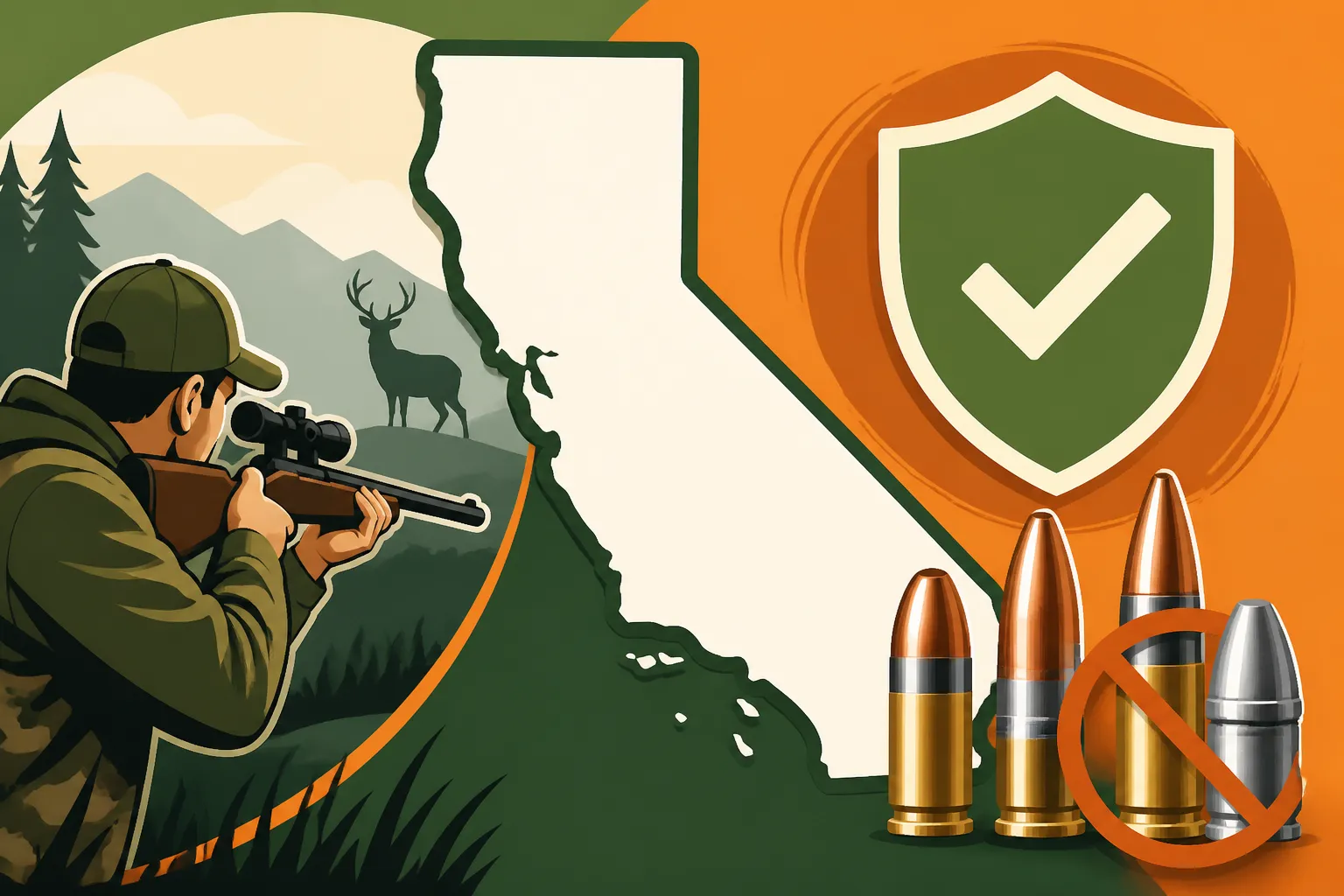
The statewide ban on lead ammunition in California has created a significant hurdle for many hunters, often leaving folks scratching their heads about what's actually allowed and where. It’s not just about buying new ammo; it’s about understanding the nuances of the law and if there are any real exceptions to this sweeping rule. This guide is here to untangle the complexities, offering a clear, realistic look at the extremely limited scenarios where lead ammunition might still be involved in California.
Understanding California's Non-Lead Ammunition Mandate: The Rule, Not the Exception
For many years, the discussion around lead ammunition in California felt like a slowly creeping tide. Now, it's a full-blown reality, a universal requirement that has profoundly reshaped how hunters approach their sport in the Golden State. It’s crucial to understand that for most recreational hunting, the ban is absolute, with very few and specific administrative "exemptions" that don't apply to the average hunter in the field.
From Phased Rollout to Full Prohibition: The Lead Ban's History
California's journey to a complete lead ammunition ban for hunting wasn't an overnight decision; it was a carefully phased approach that began in the early 2000s. Initially, restrictions were imposed in specific areas, notably the range of the California condor, to protect these critically endangered birds from lead poisoning when feeding on carcasses. This initial focus on the condor set the stage for a broader discussion about environmental impacts. The legislature eventually passed AB 711 in 2013, mandating a complete statewide ban on lead ammunition for all hunting by July 1, 2019. This was a significant shift, moving from protecting specific populations in specific areas to a blanket prohibition across the entire state, for all game species. This legislative act meant that no matter what you were hunting, or where, if it involved a firearm, it had to be with non-lead projectiles. You can read more about California's Condor-Driven Ammunition Law and its history.
Why California Took This Path: Environmental and Wildlife Concerns
The primary driver behind California's aggressive stance on lead ammunition is rooted in wildlife conservation, particularly the protection of scavengers and raptors. Lead fragments left in game carcasses or spent ammunition on the landscape can be ingested by animals like condors, eagles, and even coyotes, leading to lead poisoning, which is often fatal. Studies showed that even tiny fragments, invisible to the naked eye, could cause serious harm. The state's wildlife agencies, like the California Department of Fish and Wildlife (CDFW), presented extensive research highlighting the pervasive nature of lead in the food chain. While some hunters initially resisted, citing cost or availability, the scientific evidence of lead's impact on wildlife populations, beyond just the condor, ultimately swayed lawmakers. This environmental imperative is why California now has one of the strictest California's Non-Lead Ammunition Requirement in the nation.
What "Non-Lead" Means for Your Hunting Gear
So, if you can't use lead, what can you use? "Non-lead" refers to projectiles made from materials like copper, gilding metal, bismuth, tungsten, or steel. For rifle and handgun hunting, this almost exclusively means solid copper bullets or copper-jacketed bullets with non-lead cores. For shotguns, especially for waterfowl, steel shot has been mandatory for decades, but now non-lead shot is required for upland birds as well, with bismuth being a popular alternative for its performance. Even for archery, while the arrow shaft itself isn't typically lead, the broadhead or field point must be constructed from non-lead materials. This means every component of your projectile, from your rifle bullet to your shotgun slug, needs to be lead-free. Hunters often have to experiment to find Which Non-Lead Bullets California Approves and perform best in their specific firearms.
Deconstructing the "Exemptions": Where Lead Might Still Be Involved (Under Very Specific Conditions)
When you hear about "lead ammunition exemptions" in California, it's easy to misunderstand and assume there's a loophole for recreational hunting. In reality, these are not general exemptions for everyday hunters. They are highly restricted, administrative allowances for very specific situations, most of which do not involve typical hunting seasons or tags.
Depredation Permits: A Highly Controlled Mechanism
Perhaps the most common "exemption" people hear about involves depredation permits. These are not hunting tags; they are special permits issued by the CDFW to landowners or their agents to take animals that are causing damage to property, livestock, or crops, or posing a threat to public safety. For example, a rancher whose cattle are being predated by a bear might be issued a depredation permit. In some very specific instances, and only if explicitly authorized on the permit by the CDFW, the use of lead ammunition might be allowed. This is an extremely rare concession, typically granted when non-lead ammunition is deemed impractical or ineffective for the immediate control of a dangerous animal, or if the permit holder can prove undue hardship in sourcing non-lead for a specific, urgent situation. Even then, strict conditions apply, such as carcass disposal methods to prevent scavenger exposure. It is crucial to emphasize: this is not for hunting a deer or pig during a regular season; it's a last resort, highly regulated measure.
Governmental and Scientific Use: Not for Recreational Hunting
Another area where lead ammunition may still be utilized is by government agencies or scientific researchers under special permits. This includes law enforcement officers in the line of duty, military personnel during training or operations, or wildlife biologists conducting specific research where lead might be required for particular equipment or studies. For instance, a researcher studying projectile ballistics might receive a permit to use lead in a controlled environment. These are purely professional or academic exceptions and bear no relevance to the recreational hunter. You won't find yourself in a situation where your hunting trip benefits from these allowances. These exceptions highlight the state's recognition that for certain specialized, non-recreational applications, the blanket ban might need flexibility, but that flexibility does not extend to the general public pursuing game.
Traditional Weapons: Archery and Muzzleloader Projectiles
When it comes to traditional hunting methods, the rules around "lead" can sometimes feel a bit confusing, but the intent remains the same: no lead projectiles allowed.
- Archery: This is where things are simplest. Arrows themselves are not made of lead. However, the critical component is the broadhead or field point. Just like rifle bullets, these must be constructed entirely from non-lead materials. You cannot use a broadhead with a lead core or tip. The rule is clear: the part of the arrow that makes contact with the animal must be lead-free. For those interested in Legal Weapons During California Archery Season, it's vital to ensure your broadheads comply.
- Muzzleloaders: Muzzleloading presents a slightly more nuanced scenario. While the black powder or synthetic propellant used in a muzzleloader does not contain lead, the projectile itself absolutely must be non-lead. This means hunters using muzzleloaders must source non-lead bullets, typically full-bore copper projectiles, or saboted copper bullets. You can no longer use traditional lead round balls or conical lead bullets. While the spirit of tradition is often associated with muzzleloading, the state's non-lead mandate applies to the actual projectile. Hunters should be aware of the Non-Lead Muzzleloader Bullet Options available to them.
Adapting to the Non-Lead Reality: Practical Advice for Hunters
Since true "exemptions" for recreational hunters are virtually non-existent, the real focus must be on adaptation. California hunters have embraced this challenge, finding ways to continue their passion within the parameters of the law. It’s about being prepared, informed, and diligent in your gear choices.
Navigating the Market: Finding and Testing Compliant Ammunition
The transition to non-lead hasn't always been easy. Early on, hunters faced limited availability and higher prices for non-lead ammunition. Today, however, most major ammunition manufacturers offer a wide array of non-lead options, with availability significantly improved. Brands like Barnes, Federal Premium, Hornady, and Winchester all produce excellent non-lead rifle and handgun rounds. For shotgunners, bismuth and tungsten blends have become common for upland birds, complementing the long-standing requirement for steel shot in waterfowl hunting.
Finding the right non-lead load for your specific firearm is crucial. Just like with lead, different guns "like" different ammunition. You'll need to purchase several brands and bullet weights, head to the range, and thoroughly test them to ensure accuracy and consistent performance. Don't assume a non-lead bullet with the same weight as your old lead favorite will shoot the same. You might need to adjust your scope or sights, a process often referred to as Zeroing a Rifle for Non-Lead Loads. Websites and apps like GoHunt can be invaluable resources for researching available non-lead ammunition options and checking ballistic data. Many hunters also find that they need to invest in new ammunition for their handguns, as the Non-Lead Handgun Ammunition Options have also expanded.
The Universal Impact: Public and Private Land Implications
The non-lead mandate is statewide and applies to all lands open to hunting in California, whether public or private. There's no escaping the requirement by hunting on a private ranch versus a national forest. This is a common misconception, but the law is unambiguous. You cannot use lead ammunition for hunting anywhere in the state. This means that if you're Hunting Los Padres Without Lead Ammunition or pursuing wild pigs on a private ranch in Monterey County, the rules are the same.
This universal application simplifies one aspect of hunting – you don't need to constantly check if a specific area has a lead ban; assume it does. However, it also means that hunters on all types of land must plan accordingly. For those seeking California Resident License Options or simply understanding California Hunting Licenses and What They Cost, be aware that the lead-free requirement is an inherent part of obtaining and using any hunting permit. This impacts scouting, gear preparation, and even where you might choose to hunt based on what caliber and ammo you feel most confident with.
Staying on Top of the Rules: Resources for Hunters
The world of hunting regulations can be complex and ever-changing. While the statewide lead ban is now fully implemented, it's always wise to stay informed. The California Department of Fish and Wildlife (CDFW) website is the authoritative source for all regulations, including detailed information on the non-lead requirement and approved ammunition lists. Regularly checking their "Hunting" section and subscribing to their email updates can help you stay current.
Additionally, online forums, hunting organizations (like the California Waterfowl Association or California Deer Association), and resources like GoHunt often provide community discussions, shared experiences, and updates that can be incredibly helpful. These platforms can offer practical advice on everything from Choosing Non-Lead Rifle Ammunition in California to navigating Non-Lead Ammo Availability and Cost in specific regions. Remember, ignorance of the law is no excuse, so taking the initiative to educate yourself is a critical part of being a responsible hunter in California. Even basic requirements like California Hunter Education Requirements now emphasize the non-lead rules.
Disclaimer
The information provided in this guide is for general educational purposes only and is not intended as legal advice. Hunting regulations in California are subject to change. Always consult the official California Department of Fish and Wildlife (CDFW) regulations and legal counsel for the most accurate and up-to-date information before engaging in any hunting activities.