California Bear Archery Season Opening Day
Many hunters find themselves scrambling each year, trying to nail down the precise start date for California's bear archery season, often wondering if they've missed a crucial detail or if the dates have shifted. It can be a real headache to keep up with the specific windows for archers, especially when they differ from the general season. This comprehensive guide is here to untangle that confusion, providing you with everything you need to know about California's bear archery season opening day, critical regulations, and how to prepare for a successful and ethical hunt.
The California Bear Archery Season: An Overview
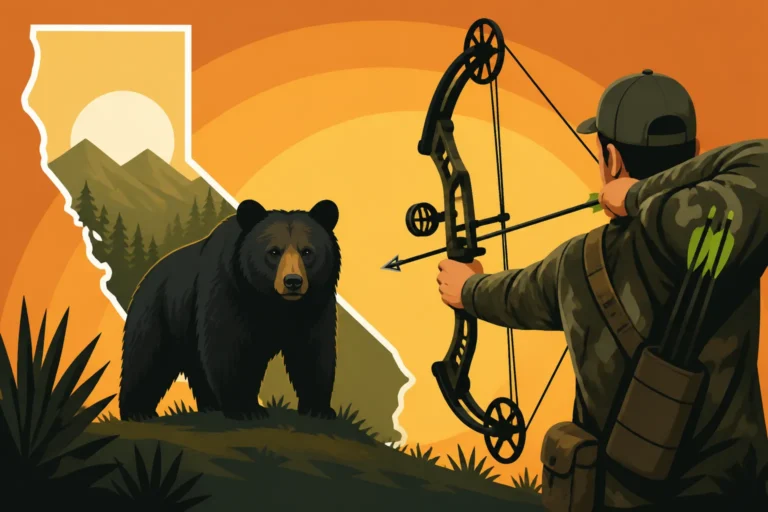
California offers a unique opportunity for archers to pursue black bears, providing a distinct season that often precedes the general rifle season. This early opening gives bowhunters a chance to be in the woods when conditions can be different, often warmer and drier, presenting its own set of challenges and rewards. Understanding the nuances of this specific season is paramount for any hunter looking to ethically pursue a bear with a bow.
What Makes the Archery Season Unique
The most striking feature of the bear archery season is its timing. It typically opens earlier than the general statewide bear season, giving bowhunters an exclusive window to hunt before the woods become more crowded with general season hunters. This earlier start often aligns with a period when bears are still actively feeding on berries and acorns, making certain areas more productive. It’s a chance for a true spot-and-stalk experience, relying on stealth and keen observation. Unlike deer zones, the bear season dates are generally uniform across the state, simplifying some of the planning, though local conditions and bear activity will always vary.
Purpose and Timing of the Archery Opener
The California Department of Fish and Wildlife (CDFW) establishes the archery-only season to provide diverse hunting opportunities and to help manage the state's healthy black bear population. The season is designed to allow hunters to pursue bears during a specific period, often when bears are predictable in their feeding patterns. This early opener, which usually begins in August, capitalizes on the summer food sources that concentrate bears in certain areas, such as high-elevation berry patches or ripening oak stands. It’s also timed to conclude before or very early into the general season, ensuring a managed harvest and reduced pressure on bears as other hunting seasons begin. For many, it's a cherished tradition, a chance to get into the backcountry with minimal disturbance from other hunters, focusing solely on the challenge of a bowhunt. You can find more details about California Bear Archery Season Dates directly from the CDFW regulations.
Key Dates, Tags, and Equipment for Archery Bear
Navigating the specifics of California's bear archery season requires attention to detail, from knowing the exact opening day to ensuring you have the correct tags and compliant equipment. Missing any of these crucial elements could quickly turn a hopeful hunt into a frustrating, or even illegal, situation.
Pinpointing the Official Opening Day
Historically, California's bear archery season opens on the second Saturday in August. While this has been a consistent pattern, it is absolutely critical to verify the precise date each year by checking the current CDFW hunting regulations. Relying on past seasons without confirmation is a common mistake that can lead to disappointment. For instance, in recent years, the opening day has fallen around August 10th or 12th. Knowing this exact date allows you to finalize your travel plans, secure time off, and ensure your gear is dialed in well in advance. Planning ahead, especially for public land access or reserving specific camping spots, is essential as these areas can see increased activity around openers, even for archery. Tools like GoHunt can be incredibly useful for cross-referencing season dates with mapping layers to help you plan your access points.
Understanding Bear Tag Requirements and Costs
To participate in the bear archery season, every hunter, whether resident or nonresident, must possess a valid California hunting license and a specific bear tag. The process is straightforward: first, acquire your base hunting license, then purchase the bear tag. As of recent seasons, a resident bear tag typically costs around $50-$65, while nonresidents can expect to pay significantly more, often in the range of $200-$250. It's a non-quota tag, meaning you don't have to draw for it like premium deer or elk tags; you simply purchase it over the counter or online through the CDFW license sales system. However, remember that possession of a tag does not guarantee a harvest, nor does it exempt you from the statewide quota, which we'll discuss shortly. This tag is valid for the entire bear season, including both the archery and general seasons, unless the statewide quota is met and the season is called early. You can check California Bear Tag Costs directly on the CDFW website.
| Item | Resident Cost (Approx.) | Nonresident Cost (Approx.) | Notes |
|---|---|---|---|
| Annual Hunting License | $50-$60 | $190-$200 | Required for all hunting pursuits |
| Bear Tag | $50-$65 | $200-$250 | Valid for both archery and general seasons (until quota) |
| Non-Lead Ammunition (Box) | $40-$70+ | $40-$70+ | Mandatory for all bear hunting in California |
| California Archery-Specific | N/A | N/A | No additional permit beyond license and bear tag |
Archery-Specific Weapon Regulations
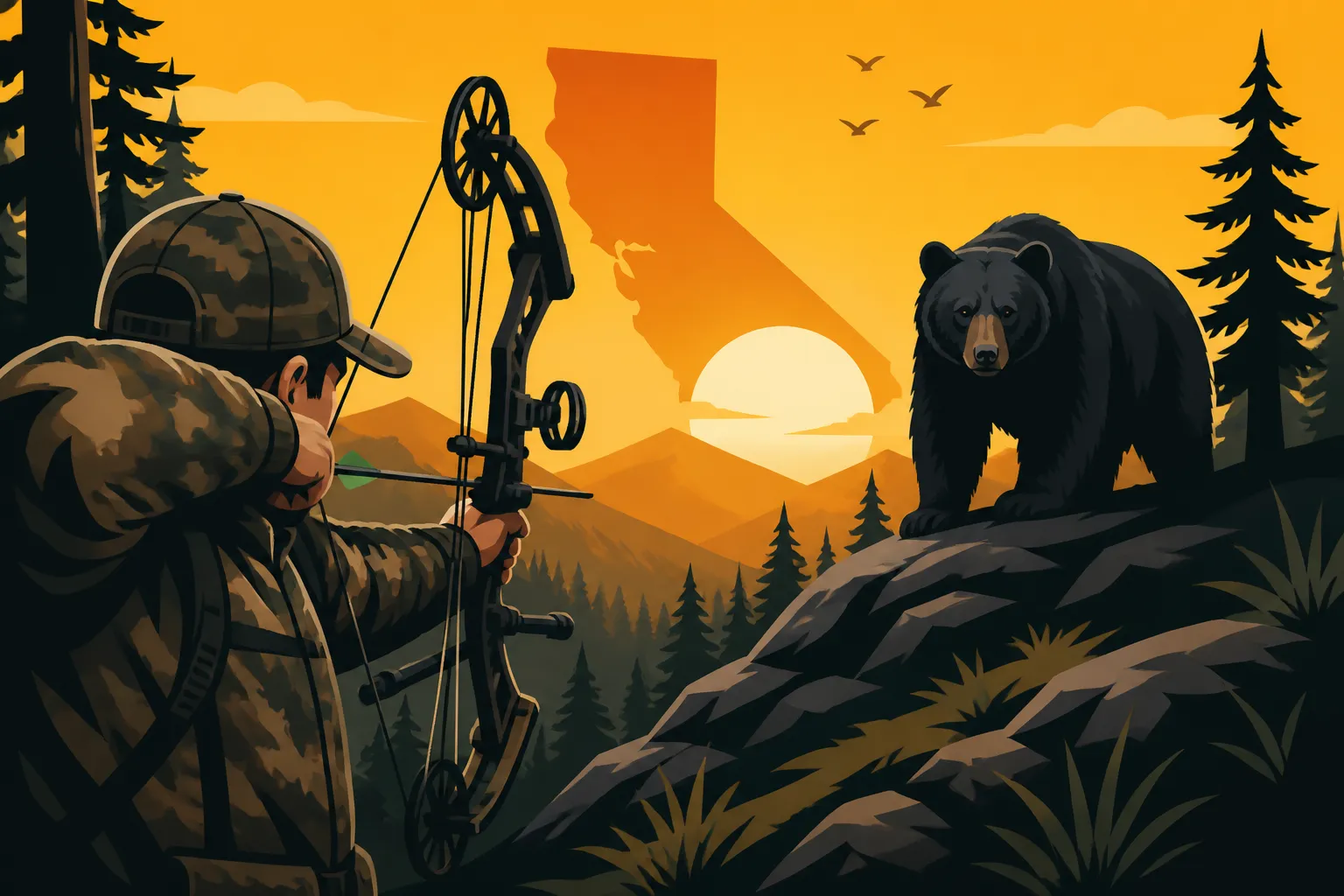
California has strict rules regarding archery equipment for big game, and bears are no exception. For bowhunting bear, you must use a bow with a minimum pull of 40 pounds, or if using a crossbow, it must have a minimum draw weight of 120 pounds. Arrows must be at least 20 inches long and fitted with broadheads that have a minimum cutting diameter of 7/8 inch and at least two sharp cutting edges. Expandable broadheads are legal, provided they meet these minimum cutting diameters when expanded. It's crucial to remember that any arrow or bolt used must be tipped with a broadhead, and the use of firearms or other methods to take a bear during the archery-only season is strictly prohibited. Moreover, California's statewide non-lead ammunition requirement extends to all hunting, so while it might not directly apply to the projectile you nock, it's a crucial regulation to be aware of for other hunting pursuits or if you happen to carry a sidearm for self-defense (though generally discouraged during active hunting). For a deeper dive into archery equipment, check out Broadheads and Arrows for California Archery Season.
Essential Preparation for Your Bear Archery Hunt
A successful bear archery hunt in California isn't just about showing up on opening day; it demands meticulous preparation, both physically and strategically. Bears are formidable animals, and taking one with a bow in challenging terrain requires dedication to scouting, physical conditioning, and careful gear selection.
Scouting Strategies and Bear Sign Identification
Pre-season scouting is arguably the most critical component of a successful bear hunt. Bears are creatures of habit, heavily influenced by food sources. In August, focus your efforts on areas rich in berries – manzanita, elderberry, chokecherry – and early-ripening acorns, especially black oaks. Look for distinct bear sign: tracks in dusty trails or mud near water sources, scat (often containing berry seeds or acorn hulls), flipped-over rocks or logs where bears have foraged for grubs, and rub trees. Bears will rub their backs on trees to scratch and leave scent. Burn scars from previous wildfires can also be hot spots for new vegetation that bears favor, providing excellent glassing opportunities. Utilizing digital mapping tools like those offered by GoHunt can help you identify potential food sources, water, and bedding areas, especially in remote public lands. Remember, bears are often most active during dawn and dusk, so concentrate your efforts during these periods. For visual scouting tips, consider Glassing a Burn Scar for a Feeding Bear.
Physical Fitness and Mental Fortitude
Bear hunting, particularly with a bow and in California's often rugged terrain, is a physically demanding endeavor. You might be hiking steep canyons, navigating dense chaparral, or covering miles in the high country, all while carrying your bow and gear. Starting a fitness regimen well before the season, focusing on endurance, strength, and agility, will pay dividends. This isn't just about being able to walk; it's about being able to walk quietly, steady your shot after a strenuous stalk, and then potentially pack out hundreds of pounds of meat over difficult ground. Mental fortitude is equally important. Bear hunting can involve long hours of glassing, patient waiting, and the ability to remain focused and calm when a shot opportunity finally arises. The vastness of California's wilderness can be humbling, and a positive, resilient mindset is key to pushing through challenging conditions or dry spells.
Crucial Gear Checks for Bowhunters
Beyond your archery setup, which should be meticulously tuned and practiced with, several other gear items are crucial for a California bear archery hunt. A high-quality set of binoculars and a spotting scope are essential for glassing vast expanses, especially when Spot-and-Stalk Bear Hunting a Berry Patch. Comfortable, durable hiking boots that can handle varied terrain are a must, as are appropriate layers of clothing to manage often fluctuating August temperatures, from cool mornings to hot afternoons. Navigation tools, whether a GPS device, a reliable mapping app on your phone, or traditional map and compass, are non-negotiable for staying found in remote areas. Don't forget bear spray, especially when in bear country; it's a vital safety tool, not just for bears, but potentially for other large predators. And, of course, a robust game bag and a reliable pack are paramount for packing out your bear if you're successful. You can explore more on Gear for Spot-and-Stalk Bear Hunting to build your essential packing list.
Navigating California's Statewide Bear Quota
Unlike deer, California manages its bear harvest with a statewide quota system. This means that while you can purchase a bear tag over-the-counter, the season can actually close early if a certain number of bears are reported harvested. This adds a unique layer of urgency and constant monitoring to bear hunting in California.
How the Quota System Works
California has a statewide quota of 1,700 black bears. This number includes bears harvested during both the archery-only season and the general statewide season. Once the reported harvest reaches 1,700 bears, the season is immediately closed throughout the entire state. This system is in place to ensure the sustainable management of California's black bear population. What makes it tricky for hunters is that this closure can happen at any time, even mid-week, and with little prior warning beyond the CDFW's public announcements. For more in-depth information, look into California's 1,700-Bear Statewide Quota. It's a system designed to be responsive to harvest rates, meaning a particularly successful early season could lead to a swift closure.
Staying Informed About Quota Closures
Given the dynamic nature of the bear quota, staying informed about the current harvest count is absolutely critical. The CDFW maintains a dedicated webpage and a hotline where they update the reported bear harvest numbers regularly, especially as the season progresses. As opening day approaches and throughout the season, hunters are responsible for checking these resources daily to ensure the season is still open before heading into the field. There's nothing worse than hiking miles into the backcountry only to discover that the season closed yesterday. If the quota is met, the season typically closes 24-48 hours after the public notification, giving hunters a very short window to react. This constant vigilance is a mandatory part of bear hunting in California. If you're curious about what happens when the numbers stack up quickly, learn Why the Bear Season Can Close Early. Always assume the season could close at any moment, and plan accordingly.
Disclaimer
The information provided in this guide is for general informational purposes only and is subject to change. Hunting regulations, season dates, and tag requirements in California are determined by the California Department of Fish and Wildlife (CDFW) and can be modified at any time. It is the sole responsibility of every hunter to consult the most current official CDFW hunting regulations booklet and website before participating in any hunting activity. Failure to do so could result in fines, penalties, or loss of hunting privileges.