How Much Blaze Orange California Requires
Navigating the labyrinth of California's hunting regulations can feel like deciphering ancient hieroglyphs sometimes, especially when it comes to something as seemingly straightforward as hunter orange. Many of us have experienced that moment of doubt, standing in the sporting goods store, wondering if that vest is "enough" or if we're actually compliant for the hunt we're planning. This guide is here to untangle the specifics of blaze orange requirements in California, ensuring you understand not just the letter of the law, but also the spirit of safety behind it, so you can head afield with confidence.
Understanding California's Blaze Orange Mandates
California's approach to blaze orange (often referred to as hunter orange or safety orange) can be a bit different from some other states, which can certainly cause confusion. While many states have broad, across-the-board requirements for all firearms hunting, California's regulations are more nuanced, often depending on the specific game being pursued, the hunting method, and even the particular area. It’s not just about wearing some orange; it’s about understanding when and how much is actually required.
Specific Requirements for Big Game Hunting
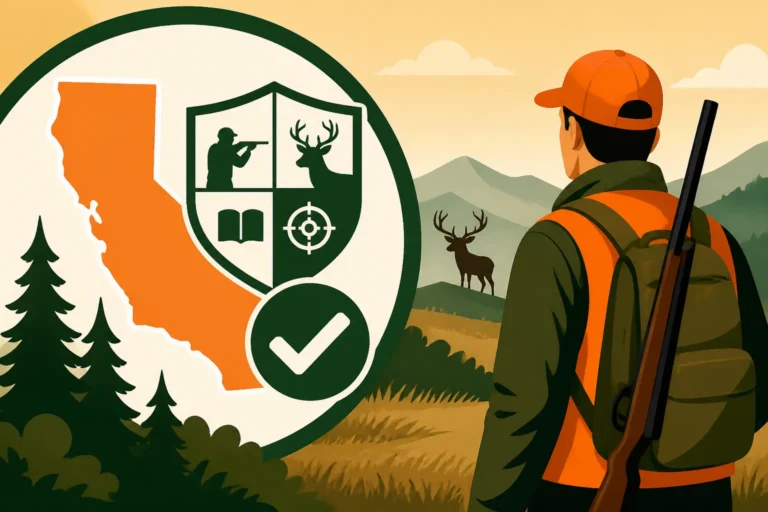
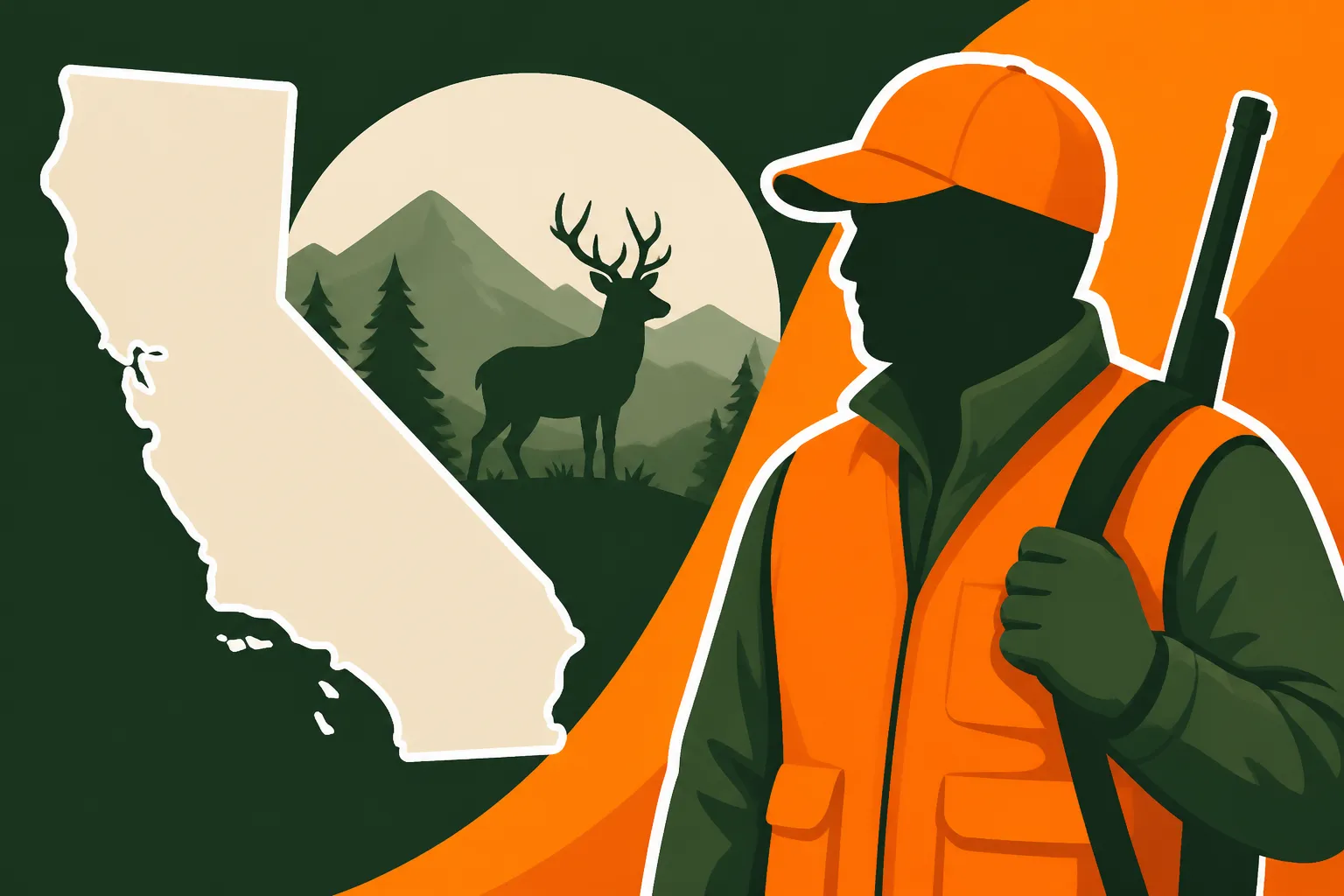
For a long time, California didn't have a statewide blaze orange requirement for deer or other big game hunting, which often surprised hunters coming from other parts of the country. However, that began to change. Currently, the primary regulation for big game involving firearms specifies that any person hunting deer or elk with a firearm must wear "at least one article of outer clothing above the waist that is blaze orange, blaze pink, or camouflage orange," consisting of at least 144 square inches of material. This could be a hat, vest, jacket, or even just a patch, as long as it meets the minimum surface area. This applies during any firearm deer or elk season.
This specific rule aims to increase visibility during big game seasons when multiple hunters might be in the same general area, especially in terrain where deer and elk can be found. It’s a vital step in preventing tragic mistaken identity incidents. Remember, even if you’re still-hunting through dense oak woodlands for a blacktail, that splash of color can be the difference between being seen and being mistaken for game. When you're planning your hunt, tools like GoHunt can be incredibly helpful for reviewing specific regulations for the zone you'll be in, which might include unique requirements or recommendations.
When Blaze Orange Isn't Mandated But Still Recommended
It's crucial to understand that while the deer and elk firearm seasons have a clear mandate, many other hunting scenarios in California do not legally require blaze orange. For instance, if you're out during Wild Pig Hunting California Year-Round with a rifle, or stalking Black Bear Hunting California's Spot-and-Stalk Season, there's no legal requirement for blaze orange. The same often applies to small game hunting like quail or rabbits, or even during California Archery-Only Fall Turkey Hunting in California.
However, the absence of a legal mandate absolutely does not mean it's unsafe or unnecessary. On the contrary, wearing blaze orange is a widely accepted safety practice across all forms of hunting, especially when hunting with firearms on public lands where other users (hikers, mountain bikers, other hunters) might be present. Consider a scenario where you're hunting upland birds in dense cover that overlaps with general deer season. Even if you're not legally required to wear orange for upland birds, other deer hunters are wearing it and expecting to see other hunters. Your visibility becomes paramount. It's about being a responsible hunter and actively working to reduce risk, regardless of what the regulation book says for your specific quarry.
Why Blaze Orange is Critical for Hunter Safety
The science behind blaze orange is fascinating and incredibly effective. It's not just a traditional hunting color; it's specifically chosen because of how the human eye perceives it and how it stands out against natural backgrounds. Understanding why it works so well underscores its importance in preventing accidents.
How the Human Eye Perceives Blaze Orange
Blaze orange is not a color commonly found in nature, especially in the large, solid blocks required for hunting apparel. The human eye is incredibly adept at picking up this specific spectrum of color, even in low light conditions or against dense foliage. While deer and most other game animals are largely colorblind (seeing in shades of blue, yellow, and gray), humans are not. This means a blaze orange vest will appear as a bright, unnatural flash to another human hunter, but will blend into the environment as a dull gray or brown to a deer. It's the ultimate safety compromise: highly visible to other people, yet practically invisible to your quarry.
Studies have repeatedly shown that incidents of mistaken identity — where a hunter shoots another person, believing them to be game — are drastically reduced when blaze orange is worn. This is why hunter education courses, including California Hunter Education Requirements, heavily emphasize its use. It's a simple, passive safety measure that creates a critical visual identifier. Imagine hunting in Hunting Coastal Range Oak Woodlands, where the dappled sunlight and shadows can play tricks on your eyes. That flash of orange cuts through the visual noise, immediately signaling "human."
Reducing Incidents of Mistaken Identity and Other Accidents
The core purpose of blaze orange is to prevent hunting accidents, particularly those involving "failure to identify target" or "mistaken for game." These tragic incidents, while thankfully decreasing over decades due to increased hunter education and safety measures, still occur. By requiring or recommending blaze orange, wildlife agencies aim to create a universal signal that says, "I am a person, not an animal."
Beyond mistaken identity, blaze orange also enhances general visibility. If you were to slip and fall in a remote area, or become disoriented, a search and rescue team would have a much easier time spotting you from the air or ground if you're wearing bright orange. This is especially relevant in vast areas like those covered by Public Hunting Land in California. While the legal requirement focuses on big game firearms hunting, extending the practice to other seasons, especially during periods when multiple user groups are in the field, is a smart, proactive safety choice. Think about how many people are out during California Deer Season Overlap With Small Game—being visible benefits everyone.
Practical Application and Common Misconceptions
Alright, so we know when you legally need it and why it’s so important. Now let’s talk practicalities and clear up some common misunderstandings that can trip up even experienced hunters in California.
What Counts as Legal Blaze Orange in California
California's regulation specifies "at least one article of outer clothing above the waist that is blaze orange, blaze pink, or camouflage orange," with a minimum of 144 square inches of material. Let’s break that down:
- "Outer clothing above the waist": This means it needs to be visible and not covered by other garments. A hat, vest, jacket, or even a backpack cover can qualify.
- "Blaze orange, blaze pink, or camouflage orange": This is where it gets interesting. Blaze orange is the classic bright orange. Blaze pink is a relatively new addition, recognizing that it offers similar visibility benefits and caters to a broader audience. "Camouflage orange" typically refers to camouflage patterns where blaze orange is the predominant color, making up most of the surface area. It's not camouflage with a little orange, but primarily orange with a camo pattern.
- "At least 144 square inches": This is roughly a 12×12 inch square. Most standard blaze orange vests easily exceed this, as do many hats designed for hunting. A simple blaze orange baseball cap or beanie might meet this, but always check the product specifications if you’re unsure, or simply opt for a vest to be certain.
It’s always a good idea to confirm your gear meets these minimums before heading out. Don't just assume a small orange patch on your camo jacket is enough. A full blaze orange vest over your jacket is usually the safest and easiest way to ensure compliance and maximum visibility.
Common Misconceptions and Exceptions
One of the biggest misconceptions, as mentioned, is that blaze orange is required for all hunting in California. This is simply not true. As of current regulations, the mandate primarily applies to firearm hunting for deer and elk.
Here are a few scenarios where blaze orange is not legally required by statewide CDFW regulations, but might still be a good idea:
- Archery Seasons: For hunts like Legal Weapons During California Archery Season or the general archery deer seasons, blaze orange is typically not required. Archers often rely on camouflage and stealth, and the legal framework acknowledges this.
- Small Game Hunting: Whether you're chasing California Valley Quail or rabbits, there's no statewide blaze orange requirement for small game. However, if you're hunting in an area that overlaps with an open big game firearm season, wearing orange is still a smart move for your own safety.
- Wild Pig Hunting: As Wild Pig Hunting California Year-Round highlights, there's no blaze orange requirement. However, pig hunting can take you into dense cover and often occurs year-round, potentially overlapping with other seasons.
- Waterfowl Hunting: Decoying ducks in Waterfowl Hunting California's Central Valley in layout blinds or hunting from established blinds doesn't require blaze orange, as the focus is on concealment from birds.
Important Note on Specific Areas: While statewide regulations dictate the minimum, some specific hunting areas or refuges might have additional, more stringent rules. Always check the regulations for the particular wildlife area, national forest, or state park you plan to hunt in. For example, California State Park Hunting Rules or rules for particular California Wildlife Areas and Ecological Reserves might have specific stipulations that exceed the general state minimums. Using mapping apps from services like GoHunt can help you pinpoint these specific areas and often provide links to local regulations.
Beyond the Legal Minimum: Best Practices for Visibility
While understanding the letter of the law is essential, responsible hunting often involves going above and beyond the minimum requirements. When it comes to visibility, this means embracing blaze orange as a critical safety tool, not just a compliance checkbox.
Choosing the Right Gear for Maximum Visibility
When selecting your blaze orange gear, think about contrast and coverage. A simple vest is a great start, but don't stop there.
- Headwear: A blaze orange hat or beanie is an excellent addition, as your head is often the highest point visible, especially when moving through brush or sitting on varied terrain.
- Backpack Cover: A blaze orange cover for your backpack can add a significant amount of visible surface area, particularly useful if you remove your jacket or vest.
- Layering: In California's varied climates, you'll often be adding or shedding layers. Ensure that no matter what layers you're wearing, your blaze orange remains visible as an outer layer. If your primary blaze orange garment is a vest, make sure it fits comfortably over your thickest jacket. Consider the challenges of Staying Cool During a Hot Zone A Hunt while maintaining visibility.
- Condition of Gear: Over time, blaze orange can fade, especially with exposure to sunlight and repeated washing. Check your gear regularly to ensure it still retains its vibrant, high-contrast color. Faded orange is less effective.
Remember, the goal is to make yourself as unmistakably human as possible to other hunters. The more blaze orange you have, and the more strategically it's placed, the better.
Cultivating a Culture of Safety on the Hunt
Wearing blaze orange is just one piece of the larger hunter safety puzzle. It's a foundational element of what we call "situational awareness" in the field.
- Assume Others Are Present: Even if you've done your Scouting California Public Land Before Season and found a remote spot, always assume there might be other hunters or outdoor enthusiasts nearby. Public land, especially areas popular for deer and elk, can experience significant Hunting Pressure on California Public Land.
- Communicate with Your Hunting Party: If you're hunting with a group, establish clear communication protocols. Discuss where each member will be, what direction they'll be moving, and signals for identifying game or other hunters. Even if you're hunting alone, being visible enhances your safety.
- Identify Your Target AND What's Beyond It: This is the golden rule of firearms safety. Always be 100% certain of your target's identity before placing your finger on the trigger. Blaze orange helps ensure that you are not mistaken for game by someone else who might be less careful. This principle is taught rigorously in hunter education and remains the bedrock of responsible hunting.
- Use Visual Aids Beyond Orange: While orange is paramount, other visual aids can assist. Using binoculars, a rangefinder, or a spotting scope like those mentioned in Optics for California's Open-Country Deer Hunting helps in positively identifying your target, ensuring it is legal game, and avoiding mistaken identity.
By embracing these best practices, we contribute to a safer hunting environment for everyone. It's not just about avoiding a ticket; it's about protecting lives, fostering respect among outdoor users, and ensuring the future of hunting remains secure.
Disclaimer
The information provided in this guide is for general informational purposes only and does not constitute legal advice. Hunting regulations in California are subject to change, and specific rules can vary by season, zone, and management area. Always consult the most current California Department of Fish and Wildlife (CDFW) regulations or visit their official website before engaging in any hunting activity. Failure to do so could result in fines, penalties, or loss of hunting privileges.