Staying Cool During a Hot Zone A Hunt
The brutal reality of chasing blacktail deer in California's Zone A, especially during those scorching early archery days, can quickly turn a dream hunt into a sweltering nightmare. That oppressive August sun beating down, the dry chaparral radiating heat, and the sheer physical effort of still-hunting steep, brushy terrain can drain even the most seasoned hunter, making focus and persistence feel impossible. This guide is here to equip you with the strategies, gear choices, and mindset shifts you need to not just survive, but thrive, when the mercury climbs during your hot Zone A hunt.
Understanding the Zone A Heat Challenge
Hunting in California's Zone A is often synonymous with hot weather, especially when the season kicks off in July or August. Unlike the crisp, cool air of a late-season Sierra Nevada hunt, Zone A usually greets hunters with relentless sunshine, dry conditions, and temperatures that can soar into the high 90s or even triple digits. This isn't just uncomfortable; it fundamentally changes the dynamics of the hunt, impacting both deer behavior and your own physical capabilities.
The Specifics of Zone A's Early Season Climate
When California Zone A Archery Opening Day rolls around, particularly for Hunting California's Zone A July Archery Opener, you're often stepping into what feels like an oven. The coastal hills and oak woodlands, while beautiful, don't offer the cooling relief of higher elevations or dense, shady timber. Instead, you're traversing open, exposed hillsides, thick chaparral, and dry creek beds, all of which absorb and radiate heat throughout the day. The lack of significant rainfall during this period means water sources are often scarce or reduced to stagnant puddles, further concentrating both game and hunters. This creates a challenging environment where every move, every step, and every decision is influenced by the relentless heat.
The heat isn't just an afternoon problem either. Mornings can start relatively cool, lulling you into a false sense of comfort, but the temperature often rises rapidly as the sun climbs, peaking in the early afternoon and lingering well into the evening. This extreme temperature swing means you need to be prepared for both chilly starts and blistering finishes, often within the same hunting day. Understanding these microclimates and daily temperature fluctuations is the first step in effectively planning your hunt and ensuring your safety and success.
Beyond the temperature, the dry air itself contributes to dehydration, even if you don't feel like you're sweating profusely. The low humidity means sweat evaporates quickly, making it harder to gauge your fluid loss. This dry heat can also make the landscape crunchy underfoot, turning quiet stalks into noisy endeavors if you're not careful. Preparing for this specific combination of heat and aridity is key to making your Zone A experience a positive one.
How High Temperatures Affect Deer and Hunter Performance
Just like us, deer are highly impacted by extreme heat. During the hottest parts of the day, blacktail deer in Zone A become largely nocturnal or crepuscular, meaning they'll move primarily during the cooler hours of dawn and dusk. Midday finds them bedded down in the thickest, shadiest cover they can find, often near residual water sources or in cool, north-facing pockets of timber. Trying to push deer out of these midday havens is not only often fruitless but can also put undue stress on the animals, not to mention yourself. Understanding this behavioral shift is crucial for Hot-Weather Sitting Strategy in August.
For the hunter, the impact of heat is immediate and profound. Dehydration can lead to fatigue, muscle cramps, dizziness, and a significant drop in mental acuity. Your ability to think clearly, make ethical decisions, and execute a shot with precision diminishes dramatically when your body is struggling to regulate its temperature. Furthermore, the physical exertion of navigating rugged terrain in the heat can accelerate these effects, turning a long hike into a dangerous ordeal if you're not properly prepared. Heat exhaustion and heatstroke are real risks, and recognizing their symptoms in yourself and your hunting partners is paramount.
The weight of your gear, the type of clothing you wear, and your personal fitness level all play a significant role in how well you're able to perform under these conditions. A heavy pack, non-breathable clothing, or pushing too hard can quickly lead to overheating. This means slowing down, taking more breaks, and prioritizing your physical well-being over covering vast distances in unproductive heat. It's a delicate balance, and often, the most successful hot-weather hunters are those who have mastered the art of patience and self-preservation.
Optimizing Your Gear and Personal Strategies for Heat
When hunting Zone A in the heat, your gear isn't just about comfort; it's about survival and effectiveness. Every item in your pack and every layer on your body should be carefully considered for its ability to help you regulate your core temperature, stay hydrated, and maintain energy throughout what can be an incredibly demanding day.
Smart Clothing Choices and Layering for Airflow
Forget the heavy wool or insulated gear you might use in colder climates. For hot Zone A hunts, it’s all about lightweight, breathable, and moisture-wicking fabrics. Synthetic materials like polyester and nylon blends, or even lightweight merino wool, are your best friends. These materials are designed to pull sweat away from your skin, allowing it to evaporate and create a cooling effect. Cotton, while comfortable for casual wear, is a huge no-go for active hunting in the heat, as it absorbs and holds moisture, becoming heavy, uncomfortable, and slow to dry, which can actually make you feel hotter.
Layering might seem counterintuitive in hot weather, but it's essential for Layering for Hot-to-Cold Zone A Archery Days. You'll want a very light base layer that wicks moisture, followed by an outer layer that provides sun protection without trapping heat. Many hunters opt for long-sleeve shirts made from performance fabrics to protect against the sun's intense UV rays, which can cause sunburn and accelerate dehydration. Convertible pants that zip off into shorts can also offer versatility for morning coolness and midday heat. Don't forget a wide-brimmed hat to shield your face and neck, and lightweight gloves to protect your hands from sun and brush.
The goal is to create airflow and maximize evaporation. Look for clothing with vents, mesh panels, or loose fits that allow air to circulate around your body. Some brands even incorporate cooling technologies into their fabrics, designed to actively reduce skin temperature. When selecting camouflage patterns, consider lighter tones that reflect more sunlight than dark, heat-absorbing colors. For specific recommendations and reviews on such gear, many hunters turn to platforms that aggregate expert advice, making it easier to find effective solutions.
Here's a quick comparison of common clothing materials for hot weather hunting:
| Material Type | Pros for Hot Weather | Cons for Hot Weather | Example Use |
|---|---|---|---|
| Synthetic (Polyester, Nylon) | Wicks sweat, dries fast, lightweight, durable, often UPF rated | Can retain odor over long periods, some feel "plastic-y" | Base layers, hiking pants, outer shirts |
| Merino Wool (Lightweight) | Excellent moisture-wicking, odor resistant, regulates temperature well, soft | Can be more expensive, less durable for snag-prone outer layers | Base layers, socks, light mid-layers |
| Cotton | Breathable when dry, initially comfortable | Retains moisture, heavy when wet, chafes, slow drying | Avoid for active hunting |
| Technical Blends | Combines benefits of synthetics/wool for specific performance | Can be expensive, specific care instructions, limited options | Specialized outer shells, performance pants |
Essential Packs, Optics, and Cooling Accessories
Beyond your clothing, the rest of your gear needs to be heat-savvy. Your pack, for instance, should be lightweight and well-ventilated, with a good frame that keeps the main body of the pack off your back to allow for airflow. A pack that acts like a sweat sponge against your spine will make you miserable and hot. Ensure it has ample room for water – you'll need more than you think – and easy access pockets for snacks and essentials. Some packs even integrate hydration reservoirs directly, which is a huge plus.
Optics become even more critical in the heat. Heat shimmer can make long-range glassing incredibly difficult. While you can't eliminate shimmer, a good quality binocular with excellent light transmission will help you cut through some of it. A rangefinder is also non-negotiable for accurate shot placement when judging distances can be tough due to heat distortion. For mapping and planning, tools like GoHunt's mapping layers can be invaluable for identifying shaded canyons, north-facing slopes, and potential water sources before you even step foot in the field, allowing you to plan routes that maximize cool travel.
Don't overlook cooling accessories. A simple neck gaiter, soaked in water, can provide significant relief when worn around your neck or head. Small, lightweight towels can be used for wiping sweat and cooling down. Some hunters even carry personal misting bottles or mini battery-operated fans for brief cooldowns during breaks. Sunscreen, lip balm with SPF, and insect repellent are also vital additions to your pack to protect against the elements and keep you focused on the hunt.
Critical Hydration, Electrolytes, and Nutrition
This is arguably the most important aspect of staying cool and effective in Zone A's heat. You absolutely cannot underestimate the amount of water you'll need. A general rule of thumb for active exertion in hot weather is at least 1 liter per hour, but that can vary widely. Plan for more than you think you'll need, especially if you're venturing into remote areas without natural water sources. Many veteran hunters will cache water bottles along their routes the day before, or plan to carry a substantial amount in a hydration bladder and backup bottles.
Water alone isn't always enough. When you sweat, you lose essential electrolytes – sodium, potassium, and magnesium – which are crucial for muscle function and preventing cramps. Incorporate electrolyte mixes into your water, especially during extended periods of exertion. These come in powders, tablets, or liquid concentrates and can make a huge difference in how you feel throughout the day. Drink consistently, even if you don't feel thirsty, to stay ahead of dehydration.
Your nutrition also plays a role. Heavy, greasy meals can make you feel sluggish and contribute to overheating. Opt for light, easily digestible snacks that provide sustained energy. Nuts, dried fruit, energy bars, and jerky are excellent choices. Avoid sugary drinks or snacks that provide a quick spike followed by a crash. A good breakfast with complex carbohydrates and protein will set you up for success, but even then, prioritize hydration over a heavy meal before hitting the trail in the dark. Planning your nutrition and hydration well in advance is as important as planning your shot.
Adapting Your Hunting Tactics to the Scorching Conditions
Hunting in extreme heat isn't just about managing your body; it's about changing how you hunt. The deer are adjusting to the heat, and you need to do the same. Stubbornly sticking to tactics meant for cooler weather will only lead to frustration, exhaustion, and potentially a fruitless hunt.
Maximizing Productive Low-Light Hours
In Zone A, especially in August, the most productive hunting hours are at dawn and dusk. This is when the temperatures are coolest, and deer are most active, moving between bedding areas and feeding grounds. You need to be in your desired location well before first light, ready to glass or still-hunt as soon as legal shooting light arrives. This often means a very early start, hiking in the dark with a reliable headlamp to avoid overheating before the sun even breaches the horizon.
Similarly, the last hour or two before dark can be incredibly fruitful. Deer will start moving out of their midday beds as the sun drops and the air begins to cool. This means you might need to stay out longer than usual, often walking out in near darkness. Carrying a good Best Headlamp for a Pre-Dawn Sierra Climb is essential, not just for safety but for efficiently navigating terrain in the dark. Plan your approach and exit routes carefully, knowing that you'll be operating in low light for significant portions of your hunt. This also means bringing enough battery power for your headlamp and other electronics.
Many successful hunters in Zone A adopt a "split day" strategy. They hunt hard from first light until mid-morning, when the heat becomes oppressive. Then, they retreat to a shaded, cool spot – perhaps a vehicle with air conditioning, a well-ventilated camp, or a deep, shady canyon – to rest, rehydrate, and refuel during the hottest parts of the day. They then return to their hunting area in the late afternoon to hunt until dark. This conserves energy, minimizes exposure to peak heat, and maximizes your time in the field during the deer's most active periods.
Locating and Utilizing Natural Cool Zones
Deer are masters at finding cool zones, and you should be too. Look for north-facing slopes, which receive less direct sunlight throughout the day. Dense stands of oak, conifer, or other trees can provide crucial shade and significantly lower ambient temperatures compared to open chaparral. Deep canyons and creek bottoms, even if dry, can sometimes hold cooler air, especially in the early morning. Any area with residual moisture or natural springs will also be a magnet for deer seeking relief.
Hunting near water sources becomes even more critical in hot weather. Deer need water, and they'll frequent springs, seeps, and stock ponds, especially during the morning and evening hours. Identifying these key locations through scouting, map study (tools like those on GoHunt are excellent for this), or even satellite imagery can give you a significant advantage. Sitting a Water Hole in Late Season is a classic hot-weather tactic for a reason; deer have to drink, and if you can find their preferred water source, you might find your buck. Just be mindful of scent, as deer will be highly alert at these crucial spots.
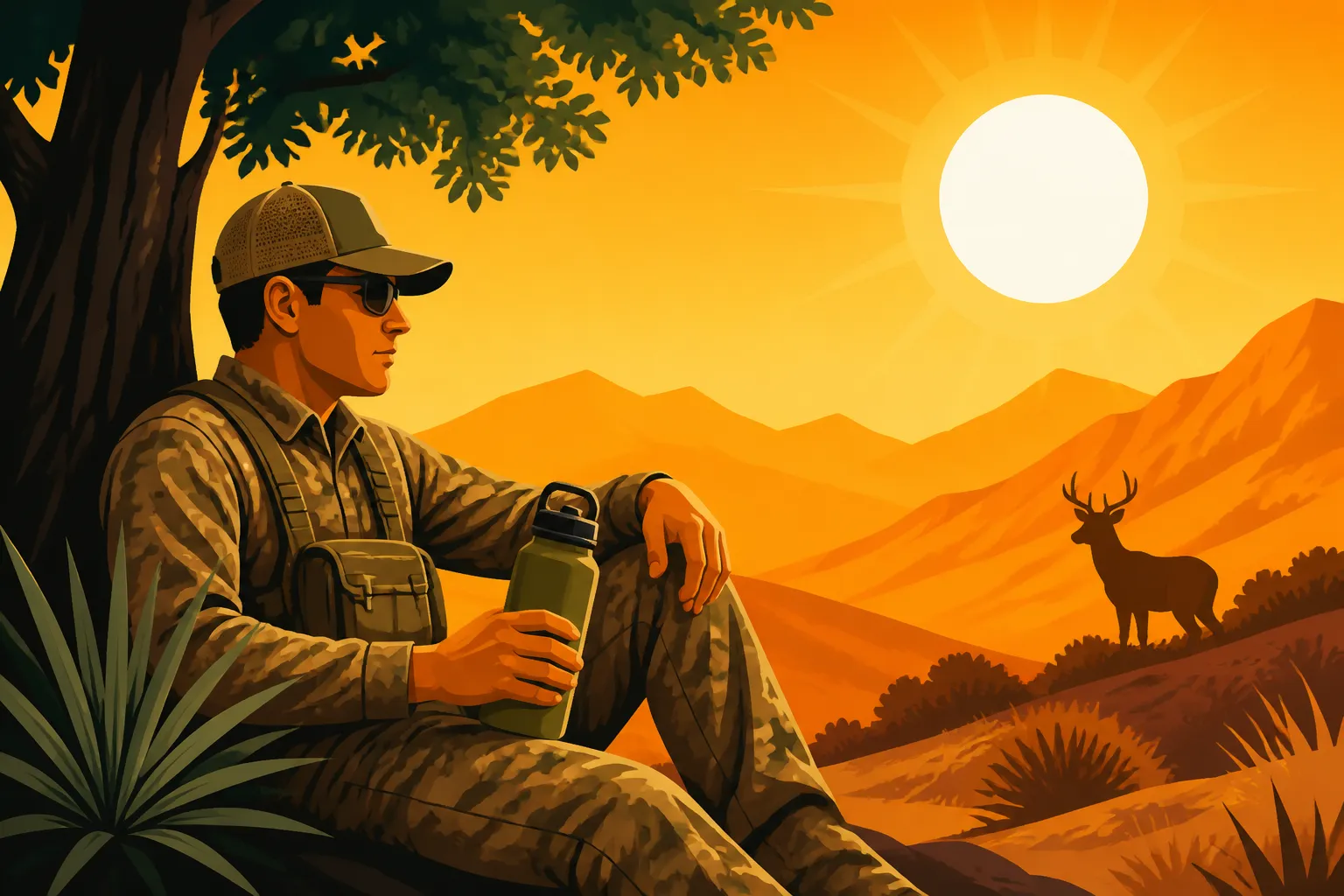
When you're not actively hunting, seek out these cool zones for your own breaks. Find a shady spot, take off your pack, kick off your boots (if safe), and let your body cool down. These short, strategic breaks are vital for recovering and maintaining your energy. Don't be afraid to sit for an hour or two in the shade during the peak heat; it's often more productive than busting brush in the glaring sun, where deer are likely bedded tight and you're only making yourself miserable.
Post-Harvest Care in High Temperatures
Let's talk about the moment of truth. If you're fortunate enough to harvest a deer in Zone A's heat, the work isn't over – in fact, a new, critical challenge begins: meat preservation. High temperatures are the enemy of venison, and spoilage can occur rapidly if you're not prepared and efficient.
Immediate field dressing is paramount. As soon as you recover your animal, gut it quickly to begin the cooling process. Get the internal organs out to remove a significant source of heat. Next, and this is crucial, get the hide off as quickly as possible. The hide acts like an insulator, trapping heat against the meat. Skinning the animal in the field allows the meat to cool much faster. If you're in a remote area, consider quartering the animal and placing the quarters into clean game bags. Field Dressing a Deer in Hot Weather is an art form that needs to be mastered in these conditions.
Once quartered and bagged, the goal is to get the meat into a cooler with ice as soon as humanly possible. Don't let the meat sit in direct sunlight for even a short period. If you have a long pack out, especially if it's hot, you'll need a solid plan. Pre-chilled coolers filled with block ice (which lasts longer than cubed ice) are essential. Place the bagged meat directly on the ice, ensuring good air circulation if possible, though direct ice contact is better than warm air. Many hunters will even "ice down" the quarters in coolers filled with an ice-water slurry to rapidly drop the core temperature of the meat. This rapid cooling is your best defense against spoilage and will ensure you bring home high-quality venison. Always prioritize getting the meat cool, even if it means a quicker, less comfortable pack out. For advice on specific products, checking out what other hunters recommend on sites like GoHunt can be beneficial for durable coolers and game bags designed for these conditions.
| Step | Description | Why it's Critical in Heat |
|---|---|---|
| 1. Immediate Field Dressing | Remove all internal organs as soon as possible after recovery. | Rapidly removes internal body heat, a major source of spoilage. |
| 2. Skinning (If Practical) | Remove the hide in the field to expose the meat to air. | The hide acts as an insulator, trapping heat. Removing it allows faster cooling. |
| 3. Quartering | Break the animal down into manageable quarters (and backstraps/tenderloins). | Reduces bulk, makes transport easier, and increases surface area for cooling. |
| 4. Game Bags | Place each quarter into breathable, clean game bags immediately. | Protects meat from dirt and flies while allowing air circulation. |
| 5. Rapid Cooling (Ice) | Get meat into a cooler with plenty of ice (block ice is best) or an ice-water slurry as quickly as possible. | Critical to drop core temperature below 40°F (4°C) to prevent bacterial growth and spoilage. |
| 6. Air Circulation | If using a cooler, ensure good contact with ice. If hanging, find a cool, shady, well-ventilated spot. | Facilitates heat transfer away from the meat. |
Beyond simply cooling, remember to use good quality Best Game Bags for Field Care in August Heat to protect your meat from insects and debris during the pack out. Once you reach your vehicle, having a large Best Cooler for Packing Out Meat in Hot Weather is invaluable. Don't underestimate the distance from your kill to your truck, and the impact that distance combined with high temperatures can have on your valuable harvest.
Disclaimer
This article is for general informational purposes only and does not constitute professional advice. Laws, prices and regulations vary by location and change over time. Consult a qualified professional for guidance on your specific situation.