Blaze Pink Options Under California Law
For a long time, the only truly recognized color for hunter safety in the field was blaze orange, leaving many hunters feeling a bit limited in their gear choices and perhaps even their personal style. But the world of hunting is always evolving, and California, being a state that often leads the way in thoughtful outdoor regulations, has recognized the growing interest and scientific backing for an alternative. This guide will walk you through everything you need to know about blaze pink as a legal, effective, and increasingly popular option for hunters here in the Golden State.
The Evolution of Hunter Safety Colors in California
It might seem like a simple concept now, but the widespread adoption of specific high-visibility colors in hunting attire is a relatively modern innovation, driven by a crucial need: safety. Understanding its history helps us appreciate why alternatives like blaze pink have even entered the conversation.
Why Hunter Orange Became a Standard
Think back to the "good old days," and you might recall black and red plaid being the standard hunting garb. While classic, it was a recipe for disaster in dense cover. Hunter orange, sometimes called "fluorescent orange" or "daylight fluorescent orange," emerged in the mid-20th century as a direct response to alarming rates of hunting accidents, particularly those involving mistaken identity. The science behind it is fascinating: deer and other big game animals are largely red-green colorblind. To them, hunter orange appears as a bright, contrasting yellowish or whitish hue against the greens and browns of the natural environment, making a human hunter stand out like a beacon. To another human hunter, especially one with normal color vision, it's an unmistakable signal that instantly screams "person, not animal."
In California, the requirement for hunter orange has been a cornerstone of our safety regulations for decades. It's not just about reducing accidents; it's about creating a universally understood visual cue that enhances situational awareness for everyone afield, whether you're stalking deer in the high country or just walking a trail during hunting season.
California's Specific Blaze Orange Rules
California's regulations concerning hunter orange are quite specific, and it's essential for every hunter to know them by heart. Generally, if you're hunting big game or upland game birds (except for migratory birds, which have different rules), you need to wear at least an outer garment that's blaze orange. This isn't just a small patch; it typically means a vest, jacket, or cap that is highly visible. The law specifies certain minimum square inches of blaze orange, often requiring a total of 144 square inches visible from 360 degrees, or a cap that's entirely blaze orange.
These requirements aren't arbitrary; they're designed to maximize visibility in various field conditions, from the dappled sunlight of oak woodlands to the open expanses of a burn scar. There are some exceptions, of course, such as when you're waterfowl hunting in a blind, where camouflage is critical for success, or during an archery-only season where many hunters prefer to forego bright colors to aid in concealment (though some still choose to wear it while walking in and out). Understanding the nuances of California Blaze Orange Requirements is crucial for staying legal and safe.
Introducing Blaze Pink as a Legal Option in California
The hunting community is steeped in tradition, but it's also a pragmatic one. When a new option comes along that genuinely improves safety or offers a practical alternative, it's worth considering. Blaze pink is one such development, and California has embraced it.
When Blaze Pink Was Approved and Why
Blaze pink began its journey to legality in various states over the last decade, with California joining the ranks relatively recently. The push for blaze pink wasn't just about fashion; it was rooted in scientific studies that showed blaze pink to be just as, if not more, visible than blaze orange in certain environments and lighting conditions. Researchers found that while deer are red-green colorblind, they can still distinguish the brightness and contrast of blaze pink against natural backgrounds effectively. For human eyes, blaze pink provides an equally unmistakable signal.
The legislative process involved discussions around hunter safety, inclusivity, and offering more choices to the hunting populace. It also acknowledged that a significant portion of new hunters are women, and offering a color that might appeal to a broader demographic could encourage participation while maintaining safety standards. As a result, California officially recognized blaze pink as a legal alternative to blaze orange. This means hunters now have the freedom to choose between the two highly visible colors without compromising their safety or legal compliance.
The Specifics of Blaze Pink in California Law
When blaze pink was integrated into California's hunting laws, it wasn't just a casual nod. The legal language ensures that blaze pink garments meet the same rigorous visibility standards as blaze orange. This means that if you choose to wear blaze pink, it must be the same minimum amount of square inches (typically 144 sq. inches visible from all sides) or a fully blaze pink hat, just as with blaze orange. It's not a lesser alternative; it's an equal one in the eyes of the law and, crucially, in terms of safety science.
This consistency in regulation simplifies things for hunters: whatever rules apply to blaze orange for a particular hunt, they also apply to blaze pink. So, whether you're trying to figure out how much Blaze Orange California Requires or how much blaze pink, the answer is functionally the same. It's about ensuring that anyone else in the field can spot you clearly, reducing the risk of accidents and promoting a safer hunting experience for everyone.
Practical Considerations for Choosing Blaze Pink Gear
While the law recognizes blaze pink as an equal to blaze orange, practical hunters know that choosing gear involves more than just legal compliance. It's about effectiveness in the field, personal comfort, and finding the right fit for your hunting style.
Visibility in Different Hunting Environments
One of the most interesting aspects of blaze pink is how it interacts with various natural settings. In dense, green environments, like the deep timber of a national forest or the chaparral-covered hills of the Coastal Range, both blaze orange and blaze pink offer excellent contrast. However, some studies suggest that blaze pink might even offer a slight edge in low-light conditions or against certain types of foliage. Imagine the early morning gloom while Hunting Coastal Range Oak Woodlands; the bright, almost glowing quality of blaze pink can really pop.
Conversely, in areas with a lot of red rock or bright autumn leaves, blaze orange might blend in more than usual. This is where blaze pink could truly shine, maintaining its distinct visual signature. For hunters who pursue game across California's diverse landscapes, from the Sierra Nevada to the Mojave Desert, having both options available allows for a more nuanced choice based on the specific terrain and conditions of their hunt. It's not about one being definitively "better," but about having another highly effective tool in your safety toolbox.
Availability and Gear Options
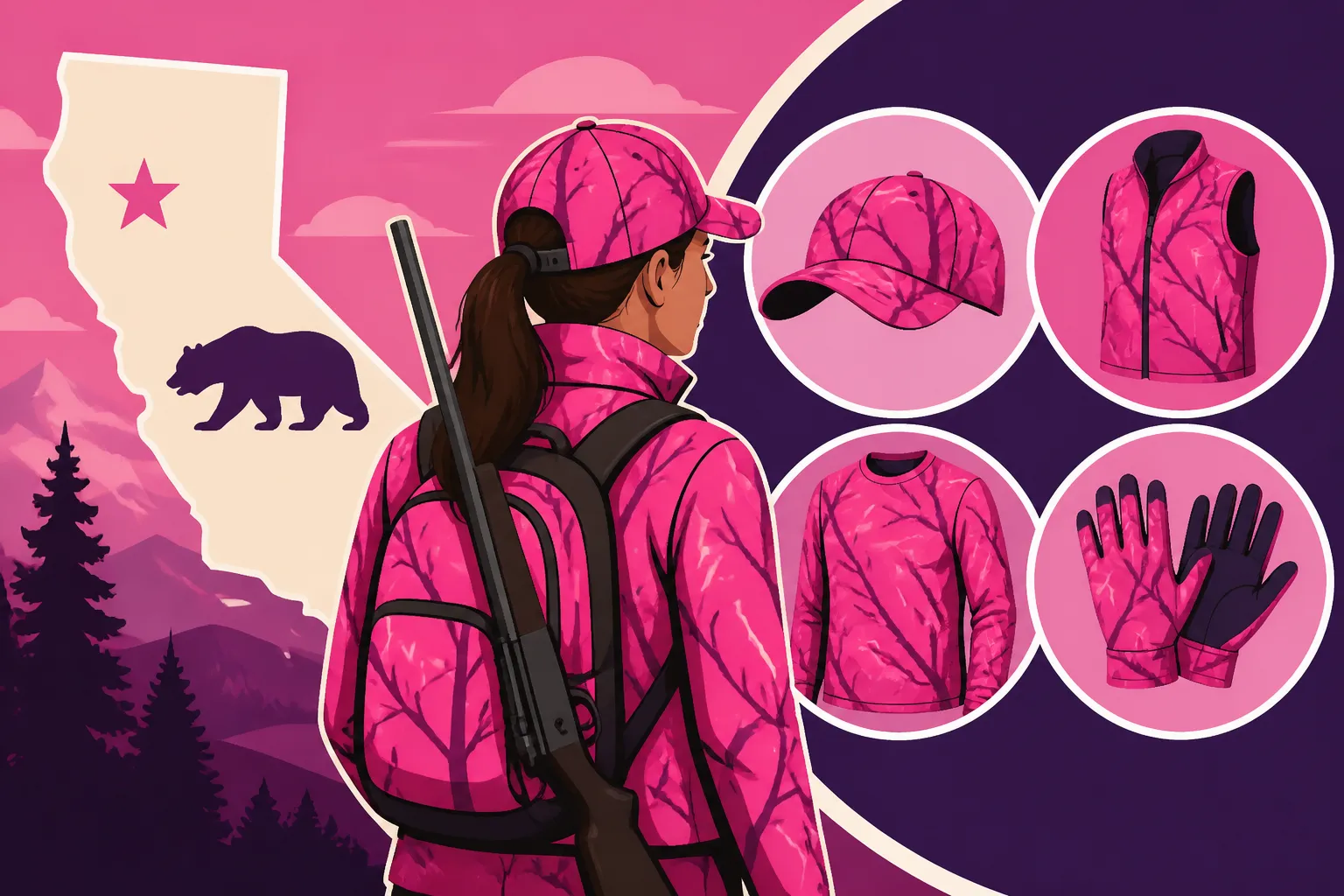
When blaze pink first became an option, finding suitable gear could be a challenge. However, as more states have adopted it and demand has grown, manufacturers have stepped up. Today, you can find a wide array of blaze pink hunting gear, from simple vests and hats to more substantial jackets and even backpacks. Major outdoor retailers and specialized hunting brands now carry options, ensuring that hunters aren't limited to a single color if they prefer pink.
Platforms like GoHunt are excellent resources for exploring the latest gear from various brands. You can often find reviews from other hunters who have tried blaze pink in different conditions, which can be invaluable when making your own choices. Whether you're looking for a lightweight vest for a warm-weather deer hunt or a more insulated jacket for late-season cold, the options for blaze pink are becoming just as diverse as those for blaze orange. It’s a great idea to check out reviews and product details on sites like GoHunt to ensure the garment meets California's visibility standards and your personal comfort needs.
Personal Preference and Comfort
Ultimately, the choice between blaze orange and blaze pink often comes down to personal preference. Hunting is a deeply personal endeavor, and feeling comfortable and confident in your gear can significantly impact your experience. Some hunters might simply prefer the aesthetic of blaze pink, especially those who appreciate having a wider range of choices. Others might feel that blaze pink offers a subtle psychological boost, promoting a sense of individuality in a traditionally monochromatic safety palette.
Consider the practicalities of your hunt. If you're planning on Layering for Hot-to-Cold Zone A Archery Days, you'll need a blaze pink outer layer that fits comfortably over your base layers without restricting movement. The material, fit, and breathability of the garment are just as important as its color. The key is to find a piece of gear that not only complies with the law but also enhances your overall comfort and safety in the field. After all, if you don't like wearing it, you might be tempted to leave it behind, and that's a compromise on safety you never want to make.
Frequently Asked Questions About Blaze Pink
Even with its growing acceptance, blaze pink still raises a few questions among hunters. Let's tackle some of the common ones to help you feel fully informed and confident in your choice.
Does Blaze Pink Offer the Same Safety as Blaze Orange?
Yes, absolutely. The scientific studies that paved the way for blaze pink's legal recognition focused specifically on its visibility to the human eye and its distinction from the color spectrum perceived by deer. These studies consistently found that blaze pink is equally effective as blaze orange in creating a high-contrast signal against natural backgrounds. For another human hunter, both colors are unmistakable indicators of a person's presence.
The critical factor isn't just the hue itself, but its fluorescent quality and how it stands out from the natural reds, browns, and greens of the environment. Both blaze orange and blaze pink excel at this, which is why California's regulations treat them as equivalents. So, when you wear blaze pink, you can be just as confident in your visibility and safety as you would be wearing blaze orange. It's simply another legitimate option to keep you safe in the field, whether you're carrying one of the California Legal Firearms for Deer Hunting or your archery gear.
Are There Any Situations Where Blaze Pink Is Not Allowed?
Currently, under California law, if blaze orange is required, blaze pink is also permitted as an alternative. There are no specific hunting seasons or areas where blaze pink is explicitly prohibited while blaze orange is allowed. The intent of the law is to provide an equal choice.
However, it's always wise to double-check the specific regulations for any particular hunt, especially if it's a specialized draw-only hunt or takes place in a unique management area. Sometimes, specific refuge rules or military base hunt rules might have their own local variations. But generally, across the vast majority of California's diverse California's Multi-Zone Deer Season System and other game seasons, if you can wear orange, you can wear pink. Just like with any gear choice, make sure you're aware of the conditions. For instance, if you're Using a Ground Blind on BLM Land, while you might wear camo inside, you'll want high visibility when moving to and from the blind.
How Does Blaze Pink Compare to Other Colors for Visibility?
This is where the science truly reinforces the value of both blaze orange and blaze pink. Compared to traditional camouflage patterns, earth tones, or even bright primary colors like blue or yellow, blaze orange and blaze pink offer vastly superior visibility in hunting conditions.
- Camouflage: While essential for concealment from game, camo patterns are designed to break up your outline and blend into the background. They do the opposite of what's needed for human-to-human visibility. Understanding the effective patterns for Camo Patterns for California Oak Woodland Cover is useful for concealment, but not for safety.
- Earth Tones: Browns, greens, and grays are precisely what most game animals perceive as background, and they blend too easily with the natural environment for human safety.
- Other Bright Colors: While a bright yellow shirt might seem visible, it doesn't have the same fluorescent "pop" or consistent contrast against varied natural backdrops that blaze orange or blaze pink provides. The specific wavelengths of light these blaze colors reflect make them uniquely effective.
This distinct advantage is why these specific "blaze" colors are mandated by law in many hunting scenarios and why tools like Choosing a Trail Camera for California Terrain help you monitor game without relying on human detection. The goal is unambiguous identification, and both blaze orange and blaze pink achieve that effectively.
Ultimately, whether you choose blaze orange or blaze pink, the most important thing is that you wear it when required and embrace its purpose: to ensure every hunter goes home safe at the end of the day.
| Feature / Color | Blaze Orange | Blaze Pink |
|---|---|---|
| Legal Status in CA | Legal | Legal |
| Visibility to Humans | Excellent | Excellent |
| Visibility to Deer | High Contrast (appears bright/yellowish) | High Contrast (appears bright/yellowish) |
| Visibility in Low Light | Very Good | Very Good (some studies suggest a slight edge for pink) |
| Contrast against Green/Brown | High | High |
| Contrast against Red/Fall Colors | Good | Excellent (less likely to blend) |
| Primary Rationale | Safety, traditional standard | Safety, inclusivity, modern science-backed alternative |
| Availability of Gear | Widespread | Widespread and growing |
| Hunter Education Emphasis | Covered in California Hunter Education Requirements | Covered as an equal option |
Disclaimer
Please remember that hunting regulations can change. It is always your responsibility as a hunter to consult the most current California Department of Fish and Wildlife (CDFW) regulations before heading into the field. This guide provides general information and insights but should not be considered a substitute for official legal documentation.