California Valley Quail
There's nothing quite like the explosive flush of a covey of California Valley Quail, sending your heart racing and forcing a lightning-fast shot. But for many hunters, finding these elusive birds, understanding the complex regulations, and navigating the challenging California terrain can feel like an impossible puzzle. This comprehensive guide will walk you through everything you need to know to successfully hunt California Valley Quail, from understanding their behavior to mastering the art of the flush, ensuring you're well-prepared for an exhilarating day afield.
Understanding California Valley Quail: The State's Iconic Game Bird
When you think of upland hunting in California, the Valley Quail instantly comes to mind. These beautiful, plucky birds are as much a symbol of the Golden State's wild places as a redwood tree or a grizzly bear (though thankfully, the quail are still abundant!). They provide a fast-paced, challenging hunt, often in breathtakingly beautiful settings, making them a favorite target for many wingshooters. But to truly hunt them effectively, you've got to understand their habits, their homes, and what makes them tick.
The Iconic California Bird: Appearance, Calls, and Social Structure
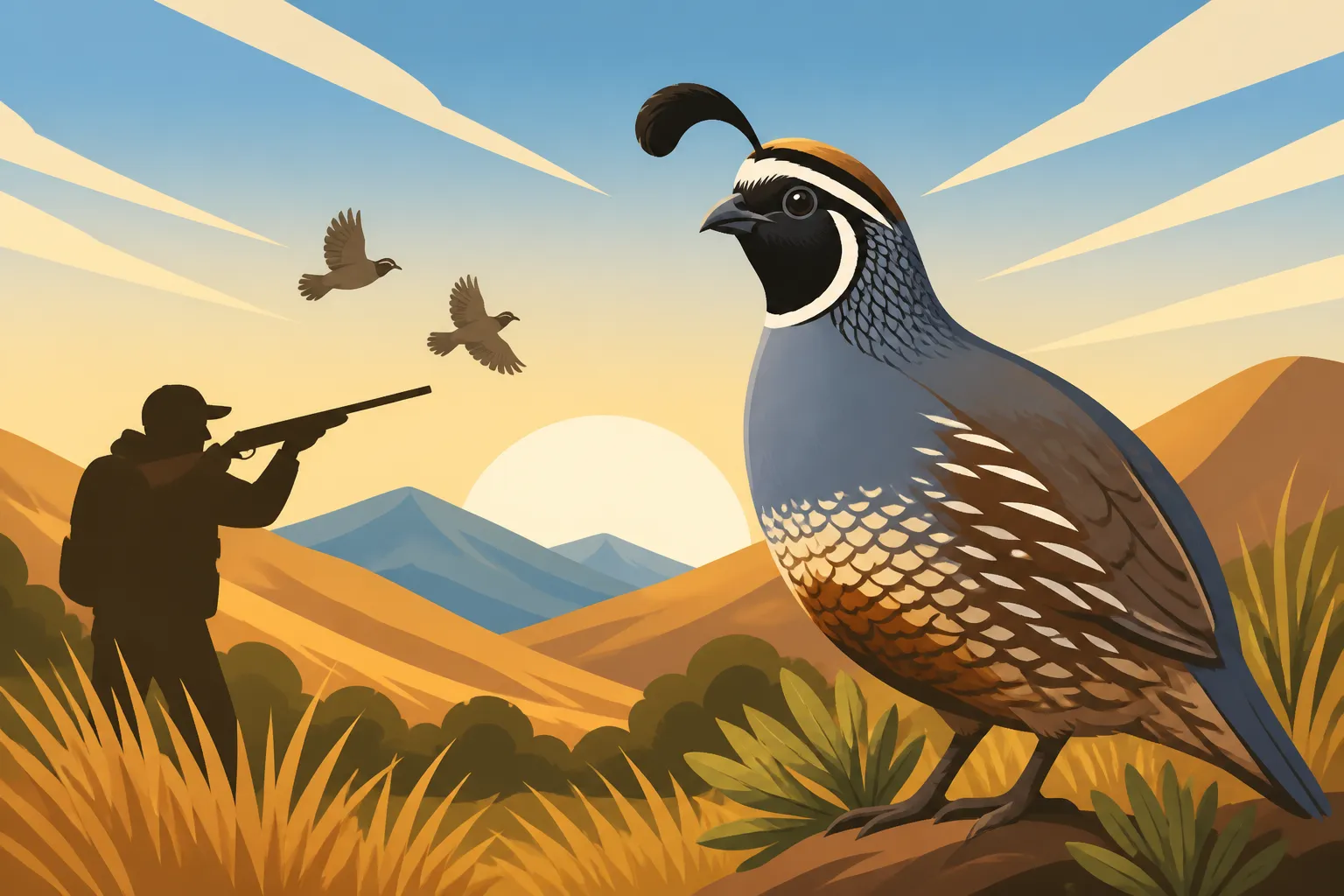
California Valley Quail, scientifically known as Callipepla californica, are truly distinctive. Their most recognizable feature is that striking, curving forward plume or "topknot" that bobs elegantly on their head. Males boast a rich brown cap, a black face outlined with white, and a scaled chestnut belly, while females are a bit more subdued in coloring, allowing them to blend seamlessly into their surroundings when nesting. They're relatively small, typically weighing between 5 to 8 ounces, but what they lack in size, they more than make up for in speed and cunning.
Their calls are just as iconic as their look. That distinctive "chi-ca-go" or "cut-cut-CAH" call is often the first sign that you're near a covey, especially at dawn or dusk when they're communicating their location. Beyond that primary call, they have a whole repertoire of clucks, whines, and alarm calls that alert other birds to danger. Valley Quail are highly social birds, living in coveys that can range from a handful of individuals to dozens, especially outside of the breeding season. These coveys stick together for protection and foraging, which means where you find one, you'll likely find many. Understanding these calls and their social dynamics is crucial for locating birds and predicting their movements when you're in the field. They rely on this group cohesion for survival, scattering to confuse predators and then regrouping with those familiar calls.
Preferred Habitat and Forage: What They Eat and Where They Thrive
Valley Quail are creatures of edge habitat, thriving where dense cover meets open foraging areas. They adore brushy environments—think chaparral, coastal sage scrub, oak woodlands, and riparian corridors. In these areas, you'll find them hunkered down in thickets, under thorny bushes, or amidst dense clumps of weeds, where they can quickly dive for cover from aerial predators like hawks or ground predators like coyotes. These dense patches offer both thermal cover and crucial escape routes.
Their diet is quite varied, primarily consisting of seeds, leaves, flowers, and fruits, supplemented by insects during the breeding season. Acorns are a particular favorite when available, as are the seeds from various grasses, forbs, and shrubs like Toyon and Manzanita. You'll often find them scratching around in the dirt, under oak trees, or along the edges of agricultural fields, diligently searching for sustenance. Proximity to water is also a significant factor; while they can get some moisture from their food, they need regular access to water sources, especially during California's hot, dry summers. This is why you'll frequently find them near creeks, springs, stock ponds, or even dew-laden vegetation in the early morning. Focusing your scouting efforts on areas that provide this trifecta of dense cover, abundant food, and reliable water will drastically increase your chances of success.
Population Trends and Factors: What Affects Their Numbers
California's Valley Quail populations are subject to a complex interplay of environmental factors. Historically, they were incredibly abundant across much of the state, but like many ground-nesting birds, they face ongoing challenges. The most significant factors impacting their numbers are habitat loss and degradation, primarily due to urban development, intensive agriculture, and wildfire. When prime brushy habitat is replaced by houses or monoculture crops, the quail lose their essential cover and food sources.
Drought, a recurring theme in California, also plays a massive role. Prolonged dry spells can severely reduce the availability of green forage, seeds, and insects, especially impacting chick survival. A poor spring, with little rainfall, means less successful nesting and fewer young birds entering the population, which can be seen in the California Valley Quail Population Trends data. Conversely, a wet spring often leads to a boom in vegetation, translating to healthier birds and larger coveys. Predation from a range of animals, including foxes, bobcats, coyotes, and various raptors, is a constant pressure, especially on nesting birds and young. Despite these challenges, Valley Quail are remarkably resilient. Conservation efforts, including habitat restoration and proper land management, are crucial for supporting stable populations for future generations of hunters and wildlife enthusiasts.
Where to Find Valley Quail in California: Prime Habitats
California is a massive state with incredibly diverse landscapes, and Valley Quail can be found in many of them. However, not all areas are created equal, and understanding the specific habitat types they prefer across different regions will save you countless hours of unproductive walking. Whether you're in the coastal hills, the Central Valley, or the high desert fringes, there are tell-tale signs and specific areas where you're more likely to find a healthy covey.
Coastal Foothills and Chaparral: Prime Zones and Specific Counties
The coastal foothills, stretching from the northern reaches down to Southern California, offer some of the most classic Valley Quail hunting. This is their bread and butter habitat – a mosaic of dense chaparral, oak woodlands, and grasslands. The chaparral provides unbeatable escape cover, thorny and thick enough to deter most predators and hunters alike, while the interspersed oak and open grassy areas offer foraging opportunities. Counties like Monterey, San Luis Obispo, Santa Barbara, and parts of Mendocino and Sonoma are historically rich with quail.
In these regions, focus your efforts on areas where there's a good mix of mature chaparral stands (think manzanita, ceanothus, and chamise) bordering canyons, draws, and slopes. Look for transition zones where the chaparral breaks into oak trees, as these often provide excellent roosting and foraging spots. Areas that have seen recent fires (a few years back, allowing for regrowth) can also be highly productive, as the new growth provides abundant food. Remember that these birds often run uphill when flushed, so positioning yourself below a good draw or ridge can be advantageous. For an in-depth look at this type of terrain, check out our guide on Quail Hunting California Foothill Chaparral.
Central Valley Edges and Agricultural Areas: Utilizing Cover on Farmland
While the heart of the Central Valley is dominated by vast agricultural fields, the edges and surrounding foothill transition zones can hold significant numbers of Valley Quail. Here, the birds utilize riparian corridors along rivers and creeks, brushy fence rows, irrigation ditch banks, and the borders of fields that are left fallow or planted with cover crops. These linear strips of cover act as highways and safe havens in an otherwise open landscape.
Counties like Colusa, Glenn, Tehama, and parts of Fresno or Kern can offer good opportunities, particularly on private land where hunting access might be more controlled, or on public wildlife areas adjacent to agricultural zones. When hunting these areas, pay close attention to the interfaces between cultivated fields and dense, overgrown fencerows or patches of natural vegetation. Quail will often feed in the crop fields in the morning and evening, then retreat to the security of the thick cover during the day. Access to private land in these areas can be golden, but there are also public options available if you do your research on California Wildlife Areas and Ecological Reserves. Just be sure to always obtain explicit permission before hunting on private property, as trespassing is a serious offense.
Eastern Sierra Foothills and Desert Fringe: Less Dense but Rewarding Areas
Even the drier, more rugged landscapes of the Eastern Sierra foothills and the fringes of California's deserts can hold Valley Quail, though often in less dense concentrations than the coastal regions. Here, the quail adapt to a sparser, high-desert environment, utilizing brushy washes, rocky canyons, and areas with sagebrush and bitterbrush. They are masters of using whatever limited cover is available to them.
Counties such as Inyo, Mono, and parts of San Bernardino can offer these unique hunting experiences. In these areas, water sources become even more critical. Look for seeps, springs, guzzlers, or even man-made stock tanks, especially during the warmer months. These water points often become focal points for quail activity. Hunting in these regions often involves more walking and covering greater distances, but the reward of finding a covey in such a wild and beautiful setting is immense. The birds here can also be particularly wary, accustomed to a more open landscape where predators are easily spotted, so a stealthy approach is often required.
Key Seasons and Regulations for Valley Quail: Navigating California's Rules
California's hunting regulations can feel like a labyrinth, and when it comes to upland birds, there are specific seasons, bag limits, and ammunition requirements that every hunter needs to understand. Before you even think about stepping into the field, ensure you're squared away with all the necessary licenses, validations, and knowledge of the law. Ignoring even a minor detail can lead to fines or worse, so let's break down what you need to know to hunt Valley Quail legally and ethically.
License and Upland Game Bird Validation: What You Need to Buy
First and foremost, to hunt any game in California, you're going to need a valid California Hunting License. This is your baseline permit to engage in hunting activities in the state. You can purchase this through the California Department of Fish and Wildlife (CDFW) online portal, at license agents like sporting goods stores, or directly from a CDFW office. For residents, the cost is relatively standard, but it's important to understand the different options available, which you can read more about in California Hunting Licenses and What They Cost.
Once you have your base hunting license, to pursue upland game birds like Valley Quail, you'll also need to purchase an Upland Game Bird Validation. This is an additional stamp or validation that signifies your legal right to hunt these specific species. It's an annual requirement, so make sure it's current for the hunting season you plan to participate in. If you're new to hunting in California or haven't hunted in a while, remember that California Hunter Education Requirements are mandatory for first-time license buyers, so plan ahead to get that certification if you need it. Always carry proof of your license and validations with you in the field, whether it's a physical copy or a digital version on your phone via the CDFW app.
Season Dates and Bag Limits: Understanding the Calendar and Daily Take
California's upland game bird seasons, including for Valley Quail, typically open in the fall and extend into the winter. The general statewide season for Valley Quail often opens in mid-October and runs through late January. However, these dates can vary slightly year to year and by specific region, so it is absolutely critical to consult the most current California Upland Game Bird Regulations, published annually by the CDFW. Don't rely on old information or hearsay; always check the official regulations booklet or the CDFW website before you head out.
The daily bag limit for Valley Quail is generally generous, often set at 10 birds per day, with a possession limit of 30 birds. The possession limit refers to the maximum number of birds you can have in your possession at home, in your vehicle, or at camp at any given time. This allows hunters to take multi-day trips and harvest birds without exceeding the limit. However, remember that limits are in place for a reason: to manage populations sustainably. Always count your birds carefully and respect these limits. It's not just about legality; it's about ethical hunting and ensuring there are birds for future seasons.
Non-Lead Ammunition Requirements: Staying Compliant with California Law
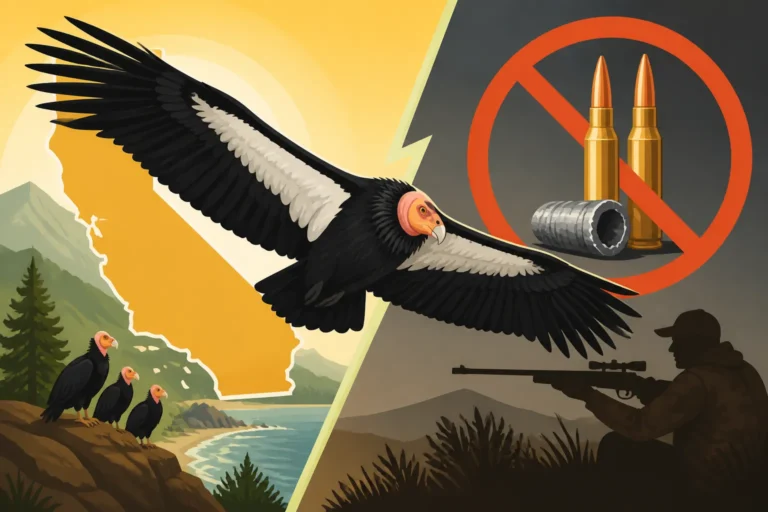
This is perhaps one of the most significant regulations for California hunters to be aware of: the statewide requirement for non-lead ammunition for all hunting. As of July 1, 2019, all projectiles used for taking any game in California must be non-lead. This applies to rifles, shotguns, handguns, and muzzleloaders. This law was primarily enacted due to concerns about lead poisoning in scavenging wildlife, particularly the California condor, as detailed in California's Condor-Driven Ammunition Law.
For Valley Quail hunting with a shotgun, this means you must use non-lead shot. Steel shot is the most common and often most affordable option, but bismuth and tungsten-based shots are also available and tend to perform more similarly to traditional lead loads, though at a higher cost. It's important to note that while lead shot is prohibited, the rest of your shotgun's setup can remain the same. Ensure you pattern your shotgun with your chosen non-lead loads before heading afield, as different shot types and brands can behave differently through various chokes. We have a dedicated guide on Non-Lead Shotgun Loads for Upland Birds that can help you make an informed choice. Always double-check your ammunition packaging to ensure it is explicitly marked as "non-lead" or "steel," "bismuth," etc., before you buy and bring it into the field.
Essential Gear for Valley Quail Hunting: Being Prepared for the Chase
Valley Quail hunting isn't a sit-and-wait game; it's an active, often physically demanding pursuit that can take you through some rugged terrain. Having the right gear isn't just about comfort; it's about safety, efficiency, and increasing your chances of success. From the firearm you carry to the boots on your feet, every piece of equipment plays a role in a productive day chasing these fast-flying birds.
Shotgun Selection and Chokes: Best Gauges and Patterns for Fast Birds
When it comes to shotguns for Valley Quail, speed and maneuverability are key. These birds explode from cover, often presenting fleeting target opportunities. A lighter, fast-swinging shotgun is generally preferred.
- Gauge: The 12-gauge is the most popular choice due to its versatility and wide array of ammunition options. However, many experienced quail hunters opt for a 20-gauge, which is lighter to carry all day and still provides plenty of punch for these small birds. Some even enjoy the challenge of a 28-gauge or a .410, especially when hunting with well-trained dogs that provide closer flushing points. Whatever gauge you choose, ensure it fits you well and you can shoulder and swing it quickly and smoothly.
- Action: Over-and-under or side-by-side shotguns are excellent for their balance and quick follow-up shots. Semi-automatics also work well, offering a third shot, though they can be a bit heavier. Pump-action shotguns are perfectly viable, though they require more practice for rapid follow-up shots.
- Barrel Length: Shorter barrels (24-26 inches) are often favored for navigating dense brush and allow for quicker swings.
- Choke: This is crucial. Valley Quail are typically shot at relatively close ranges when they first flush. An Improved Cylinder (IC) choke in your first barrel (for an O/U or SxS) or as your primary choke (for a pump/auto) is often ideal, providing a wider pattern for those close, explosive flushes. If you have a second barrel, a Modified (Mod) choke can be useful for any longer follow-up shots on birds that have distanced themselves. Many hunters find that a combination of IC/Mod or even Cylinder/IC works best to get enough pellets on target quickly.
Ammunition Considerations: Non-Lead Shot Types and Shot Sizes
As discussed, non-lead ammunition is mandatory. This changes the dynamics slightly from traditional lead shot, as non-lead alternatives like steel, bismuth, and tungsten have different weights and ballistic properties.
- Steel Shot: This is the most common and affordable non-lead option. Steel is lighter than lead, meaning a given shot size will have less energy and lose it faster. To compensate, many hunters go up one or two shot sizes from what they'd use in lead (e.g., if you used 7.5 lead, try 6 or even 5 steel). For Valley Quail, steel shot in sizes #6 or #7.5 are popular choices. The key is to pattern your shotgun with steel, as it often produces tighter patterns than lead, which might require opening up your choke slightly.
- Bismuth Shot: Bismuth is heavier than steel and performs much closer to lead in terms of energy and pattern density. It's softer than steel, making it safe for older shotguns not rated for steel. Bismuth #6 or #7.5 are excellent choices for quail, offering superior knockdown power compared to steel at similar ranges, but at a higher cost.
- Tungsten Alloys: These are the densest and most effective non-lead alternatives, mimicking lead performance almost perfectly. They are also the most expensive. Tungsten-based loads in #7 or #7.5 are devastating on quail.
Regardless of the type, stick to lighter loads—typically 1 oz or 1 1/8 oz for 12-gauge, and 7/8 oz or 1 oz for 20-gauge—as quail are relatively fragile birds. The goal is a dense pattern to ensure clean kills, not excessive power.
Footwear and Apparel for Tough Terrain: Durability and Comfort
Valley Quail hunting in California means covering ground, often through thick, thorny brush, over uneven rocky terrain, and sometimes up steep hillsides. Your clothing and footwear need to be up to the task.
- Boots: This is arguably the most critical piece of gear. You need comfortable, supportive, waterproof boots with good ankle support and aggressive traction. Look for boots that are durable enough to withstand thorns and rocky abrasion. Brands like Kenetrek, Schnee's, or even sturdy hiking boots from Salomon or Merrell are popular choices. For areas like the Coastal Range Oak Woodlands or chaparral, something that can shed burrs and won't get torn up by thorny bushes is paramount.
- Pants: Invest in briar-proof or brush pants. Standard canvas or denim will quickly be shredded and offer little protection against thorns and rattlesnakes. Look for tough nylon or waxed cotton pants with reinforced fronts. Many hunting-specific brands offer excellent options. Chaps worn over regular pants are another viable solution.
- Shirt/Jacket: Layering is essential in California, where mornings can be chilly and afternoons surprisingly hot. A good base layer, followed by a breathable, durable hunting shirt, and perhaps a light jacket or vest, is ideal. Materials that wick moisture and stand up to brush are best. Consider our advice on Layering for Hot-to-Cold Zone A Archery Days for insights into managing temperature swings.
- Blaze Orange: While not always legally required for upland birds in California, wearing some blaze orange (a vest or hat) is highly recommended for safety, especially when hunting with multiple people or in areas with other hunters.
- Other Essentials: A comfortable game vest or backpack with a bird bag is a must for carrying harvested birds, water, snacks, and extra shells. Gloves, shooting glasses, and hearing protection are also highly recommended. Don't forget a compass or GPS device (like the GoHunt app) to navigate public land and ensure you don't get turned around in unfamiliar country.
Hunting Techniques for California Valley Quail: Mastering the Art of the Flush
Valley Quail hunting is a game of strategy, speed, and patience. Unlike deer or elk hunting, which often involves long periods of stillness, quail hunting is dynamic and requires constant movement and quick reactions. Understanding how quail behave when pressured and how to exploit their natural tendencies will dramatically increase your success rate.
Walking Up and Flushing Coveys: Strategies for Pushing Birds
The most common method for hunting Valley Quail is simply walking them up, often referred to as "still-hunting" for upland birds, though it's anything but still! Quail prefer to run and hide rather than fly, especially when in heavy cover. Your goal is to apply steady pressure that forces them to eventually take wing.
- Slow and Steady: Don't crash through the brush. Move at a deliberate, measured pace, pausing frequently. Quail often hold tight, hoping you'll walk past. Those pauses sometimes make them nervous enough to flush.
- Zigzagging and Edges: Instead of walking in a straight line, zigzag through promising cover. Work the edges where dense brush meets more open ground. Quail love these transition zones. When approaching a thicket, walk around it, pushing birds towards the open side, or work back and forth through it.
- Pushing Towards Openings: If you're working a brushy finger or a small canyon, try to push the birds towards a more open area. They'll eventually run out of cover and be forced to fly across the opening, providing a shooting opportunity. Remember, they often flush downhill first before climbing, so positioning yourself carefully can make a difference.
- Listening and Watching: Pay attention not just to flushes, but to the calls and movements around you. A quick "chi-ca-go" might tell you there's a covey just ahead. A rustle in the leaves could be a running bird. The GoHunt app can also help you mark potential covey locations from previous scouting trips, allowing you to focus your efforts more precisely.
Reading Sign and Approaching Cover: Identifying Prime Spots
Successful quail hunting isn't just about walking; it's about walking in the right places. Learning to read the landscape for quail sign and understanding how to approach likely cover is paramount.
- Droppings: Look for small, white-capped, dark droppings, especially on dusty trails, under roosting trees, or near watering holes. Fresh droppings indicate recent activity.
- Dusting Bowls: Quail, like many birds, create small depressions in soft earth to dust bathe. These "dusting bowls" are a clear sign of quail presence and often found near feeding or roosting areas.
- Tracks: While often faint, quail tracks can sometimes be spotted in soft soil or dust. They're small and three-toed.
- Feathers: Look for small body feathers caught on thorns or in dense brush, indicating a roosting or escape area.
- Water Sources: As mentioned earlier, water is key. Focus on areas within a reasonable distance of reliable water, especially in arid regions.
- Cover Density: When you spot promising cover—a dense patch of chaparral, a thick riparian zone, or a brush-choked ravine—think about how the quail will use it. Approach from angles that force them to flush out into more open areas where you can get a shot. If possible, work uphill, as birds often run up before flying, and scent travels downhill.
Working Scattered Birds: The "Second Shot" Opportunity
Perhaps one of the most exciting and rewarding aspects of Valley Quail hunting is working scattered birds. When a large covey flushes, some birds will inevitably fly farther or in a different direction than the main group, landing individually or in small clusters. This creates excellent opportunities for single flushes, which can be more predictable and often lead to cleaner shots.
- Mark the Fall: When a covey flushes, try to mark where as many birds as possible land. This is easier said than done, but a good bird dog (more on that next!) or hunting with a partner can help. Mentally choose a few landmarks where you saw birds go down.
- Give Them Time: After the initial flush, give the scattered birds 10-15 minutes to settle down. They'll be on high alert initially but will often freeze in place for a short time after landing, thinking they're safe.
- Systematic Search: Approach the area where you marked birds carefully and systematically. These individual birds will hold much tighter than a covey. You might have to step right on top of them to get them to flush. This is where a dog really shines, pinpointing individual birds.
- Be Ready: Scattered birds often flush straight up, sometimes almost vertically, and then level out quickly. Be prepared for a closer, faster shot than the initial covey flush. This "second shot" hunting can be incredibly productive and is a hallmark of experienced quail hunters.
Dog Work and the Quail Hunter: The Indispensable Role of a Good Bird Dog
While it's certainly possible to hunt Valley Quail without a dog, asking a seasoned upland hunter about their preference will almost always elicit a resounding endorsement for a well-trained bird dog. A good dog doesn't just make the hunt easier; it elevates the entire experience, transforming a solitary trek into a partnership. For fast-running, tight-holding, and often elusive Valley Quail, a dog is an invaluable asset.
Choosing and Training a Bird Dog: Breeds and Basic Commands
Selecting the right breed is the first step, and luckily, many breeds excel at quail hunting.
- Pointing Breeds: German Shorthaired Pointers, English Pointers, Brittanys, Vizslas, and Setters are popular choices. Their natural instinct is to "point" when they locate birds, holding the quail in place until you arrive to flush them. This allows the hunter to position themselves for a shot and prepares them for the flush. A dog that can hold a solid point on running Valley Quail is a true treasure.
- Flushing Breeds: Springer Spaniels and Cocker Spaniels are excellent flushers. They work within gun range, pushing birds out of cover. While they don't point, their tireless energy and dense-cover penetration make them highly effective, especially for scattered birds.
- Retrievers: While primarily known for waterfowl, Labrador Retrievers can also be trained to flush and retrieve upland birds. Their strong retrieve drive is a huge advantage.
Regardless of breed, proper training is crucial. Start with basic obedience (sit, stay, heel, come) and then transition to field-specific commands like "whoa" (to stop) and "fetch." Positive reinforcement and consistent, short training sessions are key. Exposing young dogs to birds early and often helps build their prey drive and hunting instincts. For a deeper dive into this, consider resources on Running Pointing Dogs on California Valley Quail, which delves into breed specifics and training methodologies.
Working a Dog in Heavy Cover: How to Maximize Their Potential
California's quail habitat can be brutal on dogs – dense, thorny, and often steep. Working a dog effectively in such conditions requires understanding their capabilities and limitations.
- Bells and GPS Collars: In heavy cover, you often can't see your dog. A bell on their collar will tell you where they are and when they've stopped (indicating a point). For more precise tracking and safety, especially on expansive public land, a GPS collar (like those from Garmin or GoHunt) is an absolute game-changer. It allows you to see your dog's location on a handheld device or phone app, alerting you when they go on point or get too far ahead.
- Staying in Range: Teach your dog to hunt within gun range. A dog that ranges too far out will flush birds before you can get a shot. Use commands and whistle cues to keep them close, especially in thick stuff. For pointing dogs, this means waiting for you to walk in for the flush.
- Water and Breaks: California hunting can be hot and dry. Bring plenty of water for your dog and offer it frequently. Watch for signs of overheating. Give them breaks, especially on steep climbs or after a long run. Their health and safety are paramount.
- Protective Gear: Consider a protective vest for your dog, especially in areas with sharp stickers, burrs, or potential for cactus. These vests can prevent painful cuts and scrapes.
Retrieving and Handling in the Field: Ensuring Every Bird Is Found
A well-trained retriever is worth their weight in gold for Valley Quail. These small birds can fall into the densest cover imaginable, and without a dog, many would be lost.
- Marking the Fall: A dog's ability to mark where a bird falls is often superior to a human's. Encourage your dog to watch the sky and the fall of the bird.
- Soft Mouth: A good bird dog will retrieve birds with a "soft mouth," meaning they won't chew or damage the game. This is a learned trait that comes with consistent training.
- Blind Retrieves: When a bird falls into thick, unseen cover, a dog's nose and ability to take "blind retrieves" (retrieving a bird they didn't see fall, directed by the handler) becomes indispensable. Their superior sense of smell will often find birds that you would walk right past.
- Respecting the Retrieve: Once a bird is down, give your dog the command to retrieve and let them do their job. Don't rush in or distract them. A clean, quick retrieve ensures the bird is found and brought back quickly, especially important in warm weather to maintain meat quality. This partnership makes the hunt more ethical and ensures no game is wasted.
Processing and Enjoying Your Harvest: From Field to Table
The hunt doesn't end when the bird hits the ground. Proper field care and preparation are essential to ensure your hard-earned Valley Quail become delicious meals. These small birds offer delicate, flavorful meat, but they require a bit of attention to detail to reach their full culinary potential.
Field Care in Warm Weather: Keeping Your Birds Fresh
California's quail seasons often open in October when temperatures can still be quite warm, especially in the central and southern parts of the state. This means proper field care starts immediately.
- Cool Down Quickly: Heat is the enemy of game meat. As soon as you retrieve a bird, try to get it out of direct sunlight and allow it to cool.
- Ventilation: Don't pile birds up in a solid bag where heat can build. A mesh game vest or a bird bag that allows for airflow is ideal. Hanging birds individually on a game strap can also help them cool.
- Gutting (Optional but Recommended): While not strictly necessary for smaller birds like quail, immediately gutting your birds in the field can significantly help with cooling and preserving meat quality, especially on a warm day. Simply make a small incision, remove the entrails, and wipe the cavity clean (or rinse if water is available and you can dry it thoroughly afterward). This removes a major source of internal heat and bacteria.
- Cooler Transport: As soon as you're off the field, transfer your birds to a cooler with ice. Place them on top of the ice or in a separate bag within the cooler to avoid direct water contact if they are not gutted, though many hunters prefer to keep them in a Ziploc or game bag inside the cooler to prevent them from getting waterlogged. This rapid cooling stops bacterial growth and ensures the meat stays fresh until you can process it fully.
Plucking Versus Skinning: Pros and Cons of Each Method
Once you're back home and your birds are chilled, you have a choice: pluck or skin. Both methods have their advantages.
-
Plucking:
- Pros: Keeps the skin on, which adds moisture, flavor, and fat during cooking, and helps protect the meat. It often results in a more aesthetically pleasing presentation. Many argue that cooking with the skin on is essential for the best flavor, making it a great option for a Best-Eating Game in California meal.
- Cons: Time-consuming, especially for multiple birds. Can be messy and requires some practice to do efficiently without tearing the delicate skin.
- Method: Best done when the birds are still warm, or after a quick dip in hot (not boiling) water for 30 seconds to loosen feathers. Start with larger feathers, then work on smaller ones. Pin feathers can be singed off with a small torch.
-
Skinning:
- Pros: Much faster and less messy than plucking. Good for hunters who want to process a lot of birds quickly.
- Cons: Removes the skin, which means the meat can dry out more easily during cooking. The flavor profile might be slightly different without the added fat and moisture from the skin.
- Method: Make a cut through the skin across the breast, then use your fingers or pliers to peel the skin off. Often, hunters will remove the breast meat as a whole, or remove the legs and thighs separately, discarding the rest of the carcass.
Ultimately, the choice comes down to personal preference and how you plan to cook the birds. If you're short on time or making a stew, skinning might be perfectly acceptable. If you want to roast them whole or pan-fry them for maximum flavor, plucking is usually the way to go.
Simple Recipes for Delicious Quail: Making the Most of Your Meal
Valley Quail are a culinary delight, offering tender, lean, and subtly gamey meat that pairs well with a variety of flavors. Because they are small, they cook quickly.
- Roast Quail: This is a classic preparation. Season plucked quail simply with salt, pepper, herbs (rosemary, thyme), and maybe a slice of lemon or a dab of butter in the cavity. Roast at 400°F (200°C) for 15-20 minutes, or until internal temperature reaches 160°F (71°C) and juices run clear. The skin will crisp up beautifully.
- Pan-Seared Breasts: If you've skinned your birds, remove the breast meat. Season well and sear in a hot skillet with butter or olive oil for 2-3 minutes per side. They cook very fast, so be careful not to overcook and dry them out. Finish with a squeeze of lemon or a pan sauce.
- Quail Poppers: Wrap boneless quail breasts (or even whole, deboned birds) with a slice of jalapeño and then with bacon. Secure with a toothpick. Grill or bake until the bacon is crispy and the quail is cooked through. These are always a crowd-pleaser!
- Quail in Wine Sauce: A heartier option, especially for skinned birds. Brown the birds (whole or quartered) in a Dutch oven, then add onions, garlic, mushrooms, herbs, and red wine or chicken broth. Simmer gently until tender.
- Quail Salad: Leftover roasted or pan-seared quail meat is fantastic shredded and added to salads, pasta, or even tacos. The delicate flavor really shines.
Remember, the key is not to overcook them. Their small size and lean meat mean they go from perfectly done to dry very quickly. Enjoying the fruits of your labor is a fantastic way to cap off a successful hunting season.
Conservation and Future of California Valley Quail: Hunters as Stewards
For those of us who cherish the sound of a quail covey and the thrill of the chase, the future of California Valley Quail is more than just a passing thought – it's a vital concern. As hunters, we have a unique connection to these birds and a significant role to play in their conservation. Understanding the challenges they face and how our collective efforts contribute to their well-being is fundamental to being responsible stewards of this resource.
Habitat Loss and Degradation: The Primary Threats
The single greatest threat to California Valley Quail, and indeed much of California's wildlife, is the relentless march of habitat loss and degradation. As human populations expand, wild lands are converted for urban development, agricultural expansion, and infrastructure projects. This doesn't just reduce the amount of habitat; it fragments what remains, making it harder for coveys to move, find resources, and escape predation.
- Urbanization: Housing developments creep into prime foothill and coastal habitats, replacing critical brush and oak woodlands with lawns and concrete. This removes crucial nesting and escape cover, as well as food sources.
- Intensive Agriculture: While agricultural edges can sometimes provide quail habitat, large-scale, monoculture farming practices often eliminate the brushy fencerows, riparian buffers, and diverse vegetation that quail rely on. The use of pesticides can also impact insect populations, a vital food source for young quail.
- Wildfire Regimes: California's increasing frequency and intensity of wildfires can have a mixed impact. While some fire is natural and can rejuvenate chaparral habitat in the long term, mega-fires can completely incinerate vast areas, destroying all cover and food sources for years. Post-fire erosion and invasive species also pose problems. Effective land management practices that include controlled burns and habitat restoration are crucial for mitigating these impacts.
Drought Impacts and Population Resilience: Adapting to Climate
California's climate is characterized by wet winters and long, dry summers, but prolonged drought has become an increasingly common and severe challenge. Valley Quail are remarkably resilient, but extended drought periods put immense stress on their populations.
- Food and Water Scarcity: Drought reduces the growth of grasses and forbs, leading to a scarcity of seeds and insects, which are critical for chick survival and overall bird health. Natural water sources like springs and seeps can dry up, forcing birds to concentrate around limited water, making them more vulnerable to predators and disease.
- Poor Breeding Seasons: During severe droughts, quail often have reduced nesting success and produce smaller broods, impacting recruitment of new birds into the population. Years of poor breeding can lead to noticeable declines in covey sizes.
- Adaptation: Quail have evolved strategies to cope with arid conditions, such as consuming succulent vegetation for moisture and utilizing dew. However, there's a limit to how much they can adapt to extreme and prolonged dry spells. Consistent and reliable water sources, sometimes supplemented by man-made guzzlers, become lifelines during these challenging times.
How Hunters Contribute to Quail Conservation: Funding and Advocacy
Hunters are, and always have been, among the most significant contributors to wildlife conservation. This relationship holds true for California Valley Quail.
- Funding Through License Sales: Every time you purchase a California Hunting License and an Upland Game Bird Validation, a portion of that money goes directly to the CDFW. These funds are vital for managing game populations, conducting research (like the data found in California Valley Quail Population Trends), enforcing regulations, and, crucially, funding habitat restoration and land acquisition projects across the state. Without hunter dollars, many conservation programs simply wouldn't exist.
- Active Habitat Projects: Many hunting organizations and individual hunters actively participate in habitat improvement projects. This can include planting beneficial forage, enhancing water sources (such as building or maintaining guzzlers), removing invasive species, and creating brush piles for cover. These boots-on-the-ground efforts make a tangible difference in local quail populations. Organizations like Quail Forever are dedicated to upland habitat conservation and offer opportunities for hunters to get involved.
- Advocacy and Stewardship: Hunters are often the first to notice changes in wildlife populations or habitat health. By reporting observations to the CDFW, participating in public comment periods for land use decisions, and advocating for sound wildlife management policies, hunters serve as crucial voices for conservation. This stewardship extends beyond the hunting season, fostering a deeper connection to the land and its creatures. The ethical hunter understands that harvesting a few birds is part of a larger cycle that depends on a healthy and thriving ecosystem.
By adhering to regulations, practicing ethical hunting, and actively engaging in conservation efforts, California's quail hunters ensure that the iconic "chi-ca-go" call will continue to echo through the state's wild places for generations to come.
| Shot Type | Shot Size | Common Gauge | Range (Yards) | Typical Choke | Notes |
|---|---|---|---|---|---|
| Steel | #6, #7.5 | 12, 20 | 20-35 | IC, Modified | Most affordable. Lighter than lead, so consider going up one shot size. Can pattern tighter than lead. |
| Bismuth | #6, #7.5 | 12, 20 | 25-40 | IC, Modified | Performs closer to lead. Safer for older guns. More expensive than steel, but less than tungsten. |
| Tungsten (Alloy) | #7, #7.5 | 12, 20 | 30-45 | IC, Modified | Densest, best performance, nearly identical to lead. Most expensive option. Excellent knockdown power. |
Disclaimer: Hunting regulations in California are subject to change. Always consult the most current official California Department of Fish and Wildlife (CDFW) regulations booklet or website before engaging in any hunting activity. This guide is for informational purposes only and does not supersede state law.