California’s Emerging CWD Concern
The news of Chronic Wasting Disease (CWD) creeping closer to California has sent a ripple of anxiety through our hunting community. For years, we've watched this devastating neurological disease impact deer and elk populations in other states, hoping it would never reach our golden hills. Now that CWD has officially been detected, many hunters are grappling with uncertainty about what this means for their favorite deer zones, harvest practices, and the long-term health of California's cherished herds. This comprehensive guide is here to break down everything you need to know about CWD's presence in California, how to identify risks, and what steps you can take to protect our wildlife.
Understanding Chronic Wasting Disease: What It Is and How It Spreads
It’s completely understandable to feel a bit overwhelmed when you first hear about CWD. It's not your typical disease caused by a virus or bacteria, which makes it particularly insidious and challenging to manage. Before we dive into what this means for hunting in California, let’s get a firm grasp on the basics of what CWD actually is and how it spreads. Knowing your enemy is half the battle, right?
The Science Behind CWD
This isn't some newfangled flu or a tick-borne illness. CWD is in a class of diseases called transmissible spongiform encephalopathies (TSEs), which you might recognize as the family that includes "Mad Cow Disease." These aren't caused by living organisms, but by something far stranger: prions.
-
Prions and Neurological Damage
Prions are essentially misfolded proteins that can induce normal proteins in the brain to also misfold. Think of it like a bad apple spoiling the whole barrel, but instead of apples, it's vital proteins in the brain and nervous system. Once these proteins start misfolding, they accumulate and cause microscopic holes in the brain tissue, giving it a spongy appearance under a microscope. This neurological damage is progressive and always fatal. Animals suffering from CWD slowly lose their ability to function, leading to symptoms like extreme weight loss, changes in behavior, and ultimately, death. The scary part is that these prions are incredibly resilient – they're not easily destroyed by disinfectants, cooking, or even freezing, making containment a monumental challenge. -
Symptoms in Wild Deer and Elk
Observing CWD in the wild is heartbreaking, and unfortunately, often difficult until the disease has progressed significantly. In the early stages, an infected animal might show no obvious symptoms at all. This asymptomatic period can last for months, or even years, during which time the animal can still shed prWD prions into the environment. As the disease advances, you might start to notice more pronounced signs. An animal might become emaciated, hence the "wasting" in Chronic Wasting Disease, with ribs and hip bones becoming very prominent. They might start acting strangely, exhibiting a lack of coordination, stumbling, or having tremors. Drooling, excessive thirst, and frequent urination are also common. You might see a deer that is unusually tame or lethargic, seemingly unfazed by human presence. Spotting these signs is crucial for hunters and wildlife enthusiasts, but remember, many other ailments can cause similar symptoms, so it’s essential to report any sick-looking animal to the CDFW rather than assume.
Transmission Pathways in the Wild
One of the reasons CWD is so concerning is its multiple routes of transmission. It’s not just about direct contact; the environment itself can become a reservoir for the disease.
-
Direct and Indirect Contact
The most straightforward way CWD spreads is through direct animal-to-animal contact. This happens during routine social interactions like grooming, sparring during the rut, or even just sharing a water source. But it’s the indirect transmission that makes CWD truly formidable. Infected animals shed prions through their saliva, urine, feces, and even decaying carcasses. These prions can then bind to soil particles or plants, remaining infectious in the environment for years. This means a healthy deer or elk can contract CWD simply by grazing on contaminated vegetation or drinking from a shared water hole where an infected animal has been. Maternal transmission, from a mother to her fawns, is also a recognized, though less common, pathway. Imagine a deer herd utilizing a specific bedding area or a popular mineral lick; if an infected animal has spent time there, that area becomes a potential infection hot zone for every other animal that visits. -
Geographic Spread and Movement
The natural movement of deer and elk herds contributes significantly to CWD's spread. As animals migrate, especially during seasonal shifts or breeding periods, they can carry prions to new areas. However, human activity is often the biggest accelerator of geographic spread. The movement of infected carcasses or carcass parts by hunters is a well-documented cause of new outbreaks. For example, if a hunter harvests a CWD-positive deer in an affected area, and then transports the head, spine, or other high-risk parts to an unaffected region for processing or taxidermy, they could inadvertently deposit infectious prions into a pristine environment. This is why regulations around Moving a Deer Carcass Out of a Testing Zone are so strict in CWD-affected states and now, increasingly, in California. Proper carcass disposal and understanding which parts are considered high-risk are absolutely vital for every hunter.
Why CWD's Arrival in California is a Game Changer
For years, California felt like an island, geographically separated from the CWD outbreaks that plagued states like Colorado, Wyoming, and Wisconsin. We watched, we monitored, and we hoped it wouldn't jump the border. But now, with confirmed cases, that protective barrier has been breached. This isn't just another wildlife disease; CWD poses a unique and severe threat to our state's rich biodiversity and the very fabric of our hunting traditions.
Threat to California's Iconic Deer and Elk Herds
California is home to a magnificent array of big game, and the thought of CWD running rampant through these populations is truly chilling for any hunter or wildlife enthusiast.
-
Vulnerability of Blacktails and Mule Deer
Our deer populations, particularly the Columbia Blacktail and Mule Deer in California, are at the forefront of this concern. Blacktails, common in the dense coastal ranges and Sierra foothills, tend to have more localized movements, but their high densities in certain areas could facilitate rapid spread once CWD takes hold. Mule deer, found in the Eastern Sierra and desert regions, often undertake long seasonal migrations, which could quickly disseminate the disease across vast distances. The genetic diversity and specific vulnerabilities of California's deer herds to CWD are still being studied, but there's a real fear that if the disease becomes established, it could lead to significant population declines. Imagine popular hunting zones, once teeming with healthy bucks and does, becoming ghost towns. That’s the nightmare scenario we're trying to avoid. Understanding California Deer Herd Size and density is key to predicting potential spread. -
Impact on Elk Species
California is uniquely blessed with three distinct elk species: the Tule Elk in California's Central Valley, the Roosevelt Elk in Northwest California, and the Rocky Mountain Elk in Northeast California. Each of these species represents incredible conservation success stories, having been brought back from near extinction or carefully managed to thrive. Tule elk, in particular, are unique to California. The thought of CWD affecting these herds is devastating, especially given their relatively smaller and often isolated populations. Elk also tend to congregate in larger groups than deer, which could lead to more efficient transmission of prions within their herds. Protecting these majestic animals from CWD is not just about hunting; it's about preserving a critical part of our state's natural heritage.
Broader Ecological and Economic Implications
The ripple effects of CWD extend far beyond just the deer and elk themselves. It's a threat to the entire ecosystem and the communities that depend on healthy wildlife populations.
-
Ecosystem Health and Predator Dynamics
When a prey species like deer or elk experiences a significant decline, it has a domino effect throughout the ecosystem. Predators such as mountain lions, coyotes, and bears rely on these animals as a food source. A drop in deer numbers could lead to increased predation on other species, or even force predators into closer proximity to human settlements as they search for food. Scavengers, like eagles and ravens, could also be impacted if CWD-infected carcasses are left in the environment, although direct transmission of CWD to scavengers isn't proven, it raises concerns about environmental contamination. Beyond direct trophic impacts, changes in herbivore populations can alter vegetation composition and overall habitat health. It’s a delicate balance, and CWD could throw it severely off kilter. -
Recreational Hunting and Local Economies
Let's be real, hunting is a massive part of California's outdoor culture and a significant economic driver for many rural areas. The prospect of CWD threatening our herds strikes at the heart of this tradition. If CWD leads to reduced deer and elk populations, or if hunting seasons are restricted or even closed in affected areas, the economic impact would be substantial. Think about the small towns near national forests or BLM lands that rely on hunters buying gas, food, lodging, and gear. A decrease in license sales, which fund vital wildlife conservation programs, would also be a serious blow. Many of us spend countless hours preparing for The California Big Game Drawing Explained or scouting our favorite spots; the idea that CWD could disrupt these deeply ingrained traditions is a valid frustration. This is why proactive measures and hunter cooperation are not just for the animals, but for our shared heritage and the economic well-being of our communities.
California's Current CWD Status: The First Detections
For years, CWD was a problem "somewhere else." We heard about it, read about it, but it hadn't touched our state's wild herds directly. That all changed in 2024, marking a pivotal moment for wildlife management and hunting in California. Understanding these first detections and how the state is responding is crucial for every hunter.
Confirmation of CWD in the State
The confirmation of CWD in California wasn't a surprise to wildlife officials who had been diligently monitoring for its arrival, but it was certainly a jolt to the hunting community.
-
Where California's First CWD Cases Were Found
In May 2024, the California Department of Fish and Wildlife (CDFW) confirmed the first positive detections of CWD in wild deer in California. These initial cases were identified in two distinct locations: a mule deer in eastern Madera County and another mule deer in western Inyo County. This wasn't just a single isolated animal; these detections represented a breakthrough of the disease into our state's free-ranging wildlife populations. These locations are particularly significant because they border large tracts of public land, including national forests and BLM areas, where deer populations are widespread and often migratory. The discovery in separate counties also suggests that the disease may have been present, undetected, for some time or that independent introductions occurred. This event immediately triggered enhanced surveillance and response protocols, changing the landscape of Where California's First CWD Cases Were Found from "zero" to "two" in a short period. -
CDFW's Immediate Response
Upon confirmation, the CDFW swiftly initiated a robust response plan, which included increased surveillance efforts in the affected areas and surrounding counties. This involved deploying additional resources to collect samples from deer that appeared sick, were road-killed, or were harvested by hunters. Public outreach was also a high priority, informing hunters, landowners, and the general public about the detections and the steps being taken. The CDFW also began coordinating closely with neighboring state wildlife agencies, particularly Nevada, to understand potential cross-border movements of infected animals. Their rapid, science-based response underscores the seriousness of the situation and the department's commitment to managing this threat.
Ongoing Surveillance and Monitoring Efforts
While the initial detections were sobering, they also highlighted the success of California's long-standing wildlife disease surveillance programs, which are now more critical than ever.
-
California's Deer and Elk Disease Monitoring Program
California has had a comprehensive California's Deer and Elk Disease Monitoring program in place for decades, continuously monitoring for a range of wildlife diseases, including CWD. This program involves collecting samples from harvested deer and elk at check stations, road-killed animals, and animals exhibiting signs of illness. Lymph node tissue, specifically the retropharyngeal lymph nodes located in the throat, is typically sampled and tested for the presence of CWD prions. This proactive surveillance, even before CWD was detected, allowed the state to build a baseline understanding of wildlife health and identify the disease when it finally arrived. It's a testament to the foresight of wildlife managers, but also a stark reminder of the ongoing challenges. -
Role of Hunter Submissions and Reporting
As hunters, we are often the first eyes on the ground, spending countless hours in the field. Our role in detecting and reporting sick animals or submitting samples is absolutely indispensable to the CDFW's surveillance efforts. When you're out Scouting California Public Land Before Season or actively hunting, paying close attention to the behavior and condition of the deer and elk you encounter can make a real difference. If you see an animal that appears emaciated, disoriented, or exhibiting any of the CWD symptoms described earlier, it's crucial to report it immediately to the CDFW. Furthermore, in designated testing zones, your willingness to submit samples from your harvested animal directly contributes to the data pool, allowing biologists to map the disease's spread and prevalence. Every hunter becomes a frontline defender in this fight. Many hunters use resources like GoHunt to stay informed on specific zone regulations and reporting requirements, ensuring they're always up-to-date.
Navigating Mandatory CWD Testing Zones for Hunters
The confirmation of CWD has led to immediate and significant changes in how hunting is conducted in certain areas. As hunters, it's our responsibility to understand and comply with these new regulations. This isn't just about following the rules; it's about protecting the future of California's deer and elk herds.
Understanding the Designated Testing Zones
Navigating new regulations can feel like a maze, especially when they shift during the season. It’s important to stay informed about which areas are under special scrutiny.
-
Which Zones Require Mandatory CWD Testing
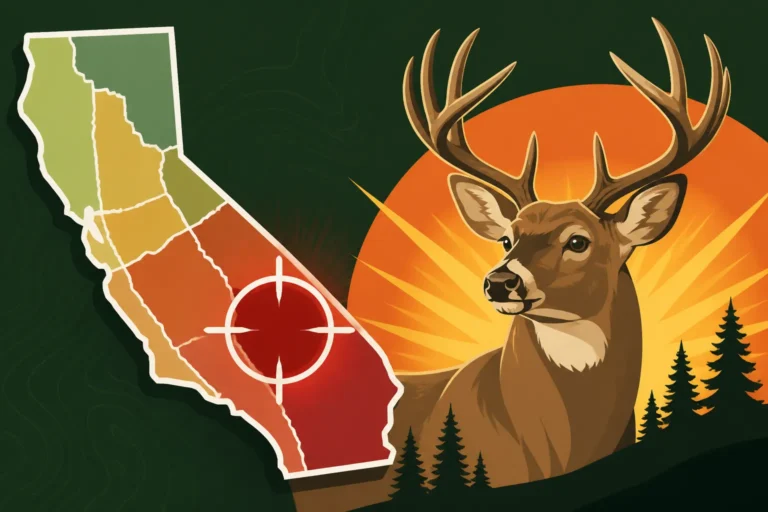
Following the initial detections, the CDFW quickly established California's Two CWD Testing Zones (and potentially more) around the Madera and Inyo county detection sites. Specifically, certain deer hunting zones, such as D7, D8, D9, and D10, located in the vicinity of the positive cases, became subject to enhanced surveillance and, in some cases, mandatory testing. These zones were selected because of their proximity to the CWD positive deer, their large deer populations, and their role as potential corridors for disease spread. It’s not just an arbitrary boundary; these lines are drawn based on scientific assessment of risk. Hunters planning to pursue deer in these areas must be aware that their harvest might require mandatory testing, and they will need to factor that into their hunt plan. Always check the very latest CDFW regulations before heading afield, as these zones and requirements can be updated quickly. -
CWD Testing for California Hunters
If you're lucky enough to tag a deer in a mandatory CWD testing zone, the process for testing is relatively straightforward, though it does add a step to your post-harvest routine. Typically, hunters will be required to bring the head of their harvested deer, with at least a few inches of neck attached, to a designated CDFW check station or drop-off location within a specified timeframe. Biologists or trained staff will then collect lymph node samples for laboratory testing. In some cases, there might be specific days or hours for sample collection. It’s important to understand what CWD Testing for California Hunters entails before you head out. These stations are usually well-marked and staffed by friendly, knowledgeable folks who are there to help, not hinder, your hunt. Your cooperation is absolutely vital for tracking the disease and informing management decisions.
Your Role in Compliance and Prevention
We all want to see healthy wildlife, and that means doing our part when new challenges arise. Compliance with CWD regulations isn't just a formality; it's an active contribution to conservation.
-
The Importance of Cooperation
I know, I know. Another regulation, another hoop to jump through. It’s easy to feel frustrated when you’ve just had a successful hunt and now there are extra steps. But honestly, your cooperation is the single most powerful tool we have in the fight against CWD. By participating in mandatory testing, you provide critical data points that allow CDFW to monitor the prevalence and geographic spread of the disease. This information is invaluable for determining where the disease is active, how quickly it’s spreading, and what management actions are most effective. Without hunter participation, CDFW would be operating blind. This is a moment for the hunting community to truly show its commitment to wildlife stewardship, even when it means a little extra effort. -
Using Resources for Zone Information
The CDFW website is always your first and best source for the most up-to-date regulations, maps of testing zones, and drop-off locations. They have dedicated CWD pages that are updated regularly. Beyond that, many hunters find digital mapping tools and apps incredibly helpful. Platforms like GoHunt often integrate CDFW regulatory information, including CWD zones, directly into their mapping layers, making it easy to see if your planned hunting spot falls within a mandatory testing area. This can be especially useful when you're planning a trip to a new area or a Hunting California's Sierra Nevada High Country hunt where connectivity might be spotty. Always double-check information across multiple official sources, especially just before and during the season, as things can change rapidly.
Best Practices for Hunters to Mitigate CWD Risk
When CWD is a concern, every hunter becomes a steward. The way we handle our harvest, from field dressing to disposal, can significantly impact the potential spread of the disease. It’s not about fear; it’s about informed, responsible action.
Safe Carcass Handling and Disposal
One of the most critical aspects of CWD prevention is managing carcass remains. Incorrect handling can inadvertently spread prions to new areas, creating new infection sites.
-
Moving a Deer Carcass Out of a Testing Zone
This is perhaps one of the most significant changes for hunters. The rule of thumb in CWD zones is generally not to move whole carcasses or high-risk parts out of the zone. High-risk parts include the brain, spinal cord, eyes, spleen, and lymph nodes – basically, the parts where prions are most concentrated. So, what can you take out? Generally, boned-out meat (without any spinal or brain tissue), clean skull plates (with no brain tissue attached), antlers, hides (without the head), and finished taxidermy mounts are usually permitted. This means if you harvest a deer in a CWD-positive area, you might need to perform extensive field dressing, or even quartering and deboning, at the kill site or a designated processing area within the zone. It’s a logistical challenge, especially for a large animal or a backcountry hunt, but it’s essential to prevent the geographic spread of the disease. Knowing the rules for Moving a Deer Carcass Out of a Testing Zone is absolutely non-negotiable. -
Proper Disposal of Carcass Remains
Disposing of carcass remains correctly is as important as not moving high-risk parts. If you’re on private land with permission, burying the remains deeply (at least 6 feet, ideally) can be an option, but you must ensure it’s not near water sources. Rendering plants that accept wild game are another excellent option, as they often have processes to handle biological waste safely. However, never dispose of high-risk parts in public landfills unless they are specifically designated to accept them, and absolutely never dump remains in waterways, along roadsides, or on public land. This practice is not only illegal but also creates a significant risk of environmental contamination, allowing prions to persist and potentially infect other animals for years to come.
Field Dressing and Meat Processing Precautions
While there’s currently no evidence of CWD transmitting to humans, taking sensible precautions during field dressing and processing is a smart move, especially when dealing with animals from CWD-affected areas.
-
Handling Venison From a CWD Testing Zone
The Centers for Disease Control and Prevention (CDC) and other public health agencies strongly recommend against consuming meat from animals that test positive for CWD. If you harvest an animal in a mandatory testing zone, it's wise to wait for the test results before consuming the meat. If the test comes back positive, the meat should be disposed of responsibly. For animals that test negative, or from areas where CWD has not been detected, standard meat handling practices apply. During field dressing, always wear gloves, especially when handling brain or spinal cord tissue, and minimize contact with these parts. When Handling Venison From a CWD Testing Zone, focus on clean separation of meat from bone and nervous tissue. -
Dedicated Equipment and Cleaning
To further minimize any theoretical risk of cross-contamination, consider using dedicated knives and processing equipment for animals harvested in CWD areas. If that’s not practical, meticulous cleaning and sterilization of all equipment (knives, saws, cutting boards, game bags) is crucial. A good practice involves cleaning tools with soap and water to remove all organic material, followed by a soak in a 40% bleach solution (two parts household bleach to three parts water) for at least five minutes. This strong bleach solution has been shown to degrade prions. Remember, prions are incredibly resilient, so regular soap and water alone are not sufficient for decontamination when CWD is a concern.
The Future of CWD Management and Hunting in California
The detection of CWD is a reality we now face in California, and it means changes are coming for how we manage our wildlife and how we hunt. This isn't a one-time fix; it's an ongoing challenge that will require long-term strategies, scientific adaptability, and continued cooperation from the hunting community.
CDFW's Long-Term Strategy
The California Department of Fish and Wildlife is not taking this lightly. They are developing and implementing long-term strategies designed to monitor, contain, and hopefully mitigate the impacts of CWD.
-
California's Wildlife Disease Monitoring Program
The existing California Wildlife Disease Monitoring Program is now hyper-focused on CWD. This means continued, and likely expanded, surveillance efforts, especially in and around known CWD zones, but also proactively in other high-risk areas. The program relies heavily on data collected from hunter-harvested animals, road-killed deer, and sick animals reported by the public. Biologists will be using this data to identify trends, understand the disease's prevalence, and pinpoint areas where intervention might be most effective. This isn't just about finding sick animals; it's about understanding the disease's ecology within California's unique landscapes and wildlife populations. It's an adaptive management approach, meaning strategies will evolve as new scientific information becomes available. -
Collaboration and Research
CDFW isn't working in a vacuum. They are actively collaborating with a network of experts, including universities, federal agencies like the U.S. Geological Survey, and wildlife departments in other states that have been battling CWD for decades. This collaboration allows California to leverage existing research, share best practices, and contribute to the broader scientific understanding of CWD. Research efforts will likely focus on understanding CWD strains, transmission dynamics in California's specific ecosystems, and potential strategies for prion inactivation in the environment. Organizations like GoHunt also play a role in disseminating information from these collaborative efforts, keeping hunters in the loop about the latest research findings and management recommendations.
Potential Impacts on Hunting Regulations
It's natural to wonder how CWD will affect our ability to hunt in California in the years to come. While it's impossible to predict every change, we can anticipate some areas of potential impact.
-
Evolving Tag Allocation and Season Dates
One of the most immediate concerns for hunters is how CWD might influence future hunt planning. Depending on how widespread the disease becomes, and its impact on deer and elk populations, the CDFW might need to adjust tag allocations, season dates, or even specific hunting methods in certain zones. For instance, if CWD causes localized population declines in a particular area, the CDFW might reduce the number of tags available for that zone to allow the herd to recover. Conversely, if specific management actions involve targeted culling to reduce disease prevalence, there could be opportunities for specialized hunts. Understanding California's Multi-Zone Deer Season System will be more critical than ever, as zone-specific rules could become more granular and dynamic. We might see changes in zones that open in August versus those that open later, based on CWD prevalence data. -
Continued Non-Lead Ammunition Requirements
While not directly related to CWD transmission, California's existing California's Non-Lead Ammunition Requirement will continue to play a role in overall wildlife health and environmental stewardship. The ban on lead ammunition was primarily enacted to protect scavengers like the California condor from lead poisoning. However, in a CWD context, non-lead ammunition ensures that if a CWD-positive animal is harvested and left in the field, any scavengers feeding on the carcass won't also be exposed to lead, thus promoting overall ecosystem health and reducing one potential variable in an already complex disease management scenario. It's a foundational regulation that, while serving a different primary purpose, contributes to a healthier environment in which to manage emerging threats like CWD.
| Area/Zone of Concern | Species | Mandatory Action for Hunters (as of 2024) |
|---|---|---|
| Eastern Madera County | Mule Deer | Mandatory sampling/testing required for harvested deer. Carcass transport restrictions apply. |
| Western Inyo County | Mule Deer | Mandatory sampling/testing required for harvested deer. Carcass transport restrictions apply. |
| D7, D8, D9, D10 Deer Zones | Deer | Enhanced surveillance; voluntary or mandatory testing may be required depending on CDFW updates. Carcass transport restrictions. |
| Other Areas (Future) | Deer, Elk | Stay informed on CDFW advisories; new mandatory zones may be established. |
Disclaimer
The information provided in this guide is for general informational purposes only and does not constitute legal advice or official regulation. Hunting laws, regulations, and disease management protocols in California are subject to change. Always consult the official California Department of Fish and Wildlife (CDFW) regulations, notices, and advisories for the most current and accurate information before planning or engaging in any hunting activities.