Where California’s First CWD Cases Were Found
The news about Chronic Wasting Disease (CWD) showing up in new areas can be incredibly unsettling for us California hunters. It's a disease that strikes at the heart of our passion, impacting the health of the deer and elk herds we cherish and adding a layer of concern to every season. This guide is here to cut through the noise, explaining where California's initial CWD cases were identified, what it means for our hunting future, and how we can all be part of the solution.
Understanding the Menace of Chronic Wasting Disease
Chronic Wasting Disease (CWD) isn't just another sickness; it's a neurological disease that affects cervids – that's deer, elk, moose, and reindeer – and it's always fatal. When you hear about CWD, it's easy to feel a knot in your stomach because its implications are far-reaching, not just for the animals but for the hunting community as well.
What Exactly Is CWD?
At its core, CWD is caused by abnormal proteins called prions. These aren't like bacteria or viruses; they're misfolded proteins that cause normal proteins in the animal's brain and nervous system to also misfold. Think of it like a cascade effect, slowly but surely deteriorating the animal's brain. It's a slow burn, often taking months or even years for symptoms to become obvious after an animal is infected. This long incubation period is one of the things that makes CWD so insidious and hard to track. An animal can be spreading the prions long before it looks sick.
The disease manifests in horrifying ways, slowly wasting away the animal. You'll often hear about "zombie deer disease," and while that's a bit sensational, it paints a picture of the eventual state of an affected animal: emaciation, abnormal behavior, drooling, staggering, and a general lack of fear of humans. It's heartbreaking to witness. The prions are incredibly resilient, surviving in the environment for years, even after an infected animal has decomposed. This means contaminated soil, plants, or even lingering carcass parts can continue to spread the disease, making eradication incredibly difficult once it's established in an area. This environmental persistence is why containing CWD is such a monumental challenge.
How CWD Spreads Through Deer and Elk Populations
CWD spreads primarily through direct animal-to-animal contact. When deer or elk interact, they can pass prions through saliva, urine, and feces. Imagine a buck scent-checking a scrape line that an infected buck visited, or a doe grazing in an area where an infected animal left droppings – these are all potential transmission routes. The disease thrives in areas where cervid populations are dense, making it easier for animals to come into contact with one another and share contaminated environments. Over time, high concentrations of prions can build up in the soil, affecting successive generations of animals.
Indirect transmission also plays a huge role. As I mentioned, prions persist in the environment. This means that once a CWD-infected animal dies and decomposes, the prions can remain in the soil, water, and plants. Other healthy deer or elk can then pick up these prions simply by foraging or drinking from contaminated sources. This is a critical factor in why containing the disease is so complex. Moving an infected carcass from one area to another can also inadvertently spread the disease to new regions, which is why there are strict rules about Moving a Deer Carcass Out of a Testing Zone. Understanding this multifaceted spread is key to appreciating the challenges facing wildlife managers and hunters alike.
Where California's First Confirmed CWD Cases Were Identified
For years, California was one of the few states in the West that had avoided confirmed cases of Chronic Wasting Disease. We watched with a mix of dread and vigilance as it spread through neighboring states, always wondering if and when it would eventually cross our borders. The confirmation of CWD within California was a significant, if not entirely unexpected, turning point for our wildlife management and hunting community.
The Initial Discovery and Locations
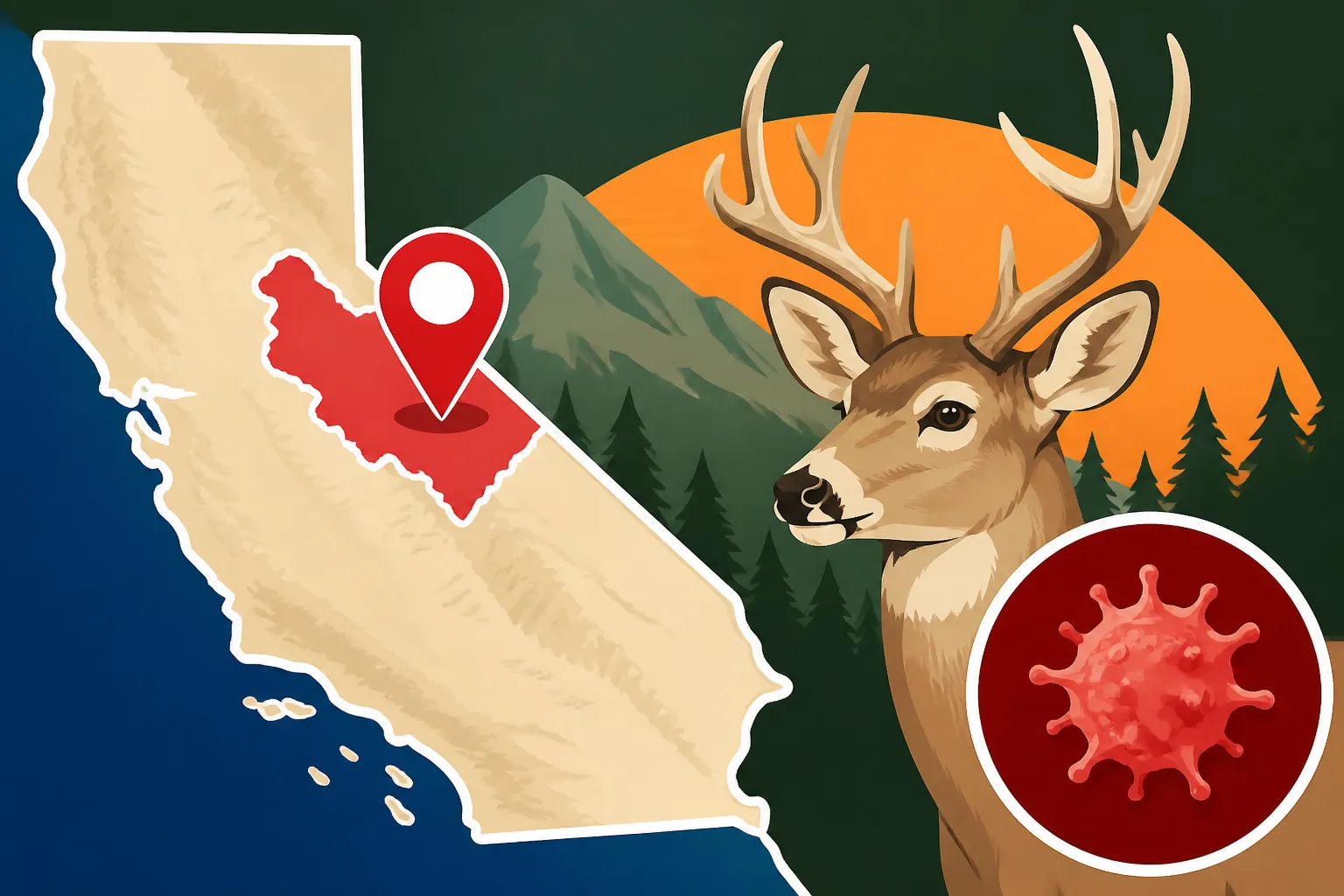
The first confirmed cases of Chronic Wasting Disease in California were a stark reminder that this pervasive disease knows no state lines. These initial detections were a jolt, signaling the beginning of a new era of vigilance for our state’s deer and elk populations. According to our state wildlife agencies, the first two detections of CWD were identified in deer in eastern central California. Specifically, these cases were found in the counties of Inyo and Mono. This discovery immediately elevated CWD from a distant threat to a present reality, prompting an intensive response and increased monitoring efforts.
The specific locations involved were crucial. Discovering CWD in the eastern Sierra region, an area known for its robust mule deer herds and as a prime hunting destination, highlighted the potential for wider spread and the urgent need for a strategic management plan. While other states have grappled with CWD for decades, California's confirmed cases meant we joined the ranks of states actively managing this disease, and it was a moment many hunters had hoped would never come. These detections initiated a comprehensive approach to monitoring and containment, which is still evolving as we learn more about the extent of the disease's presence.
The Species Involved and Detection Methods
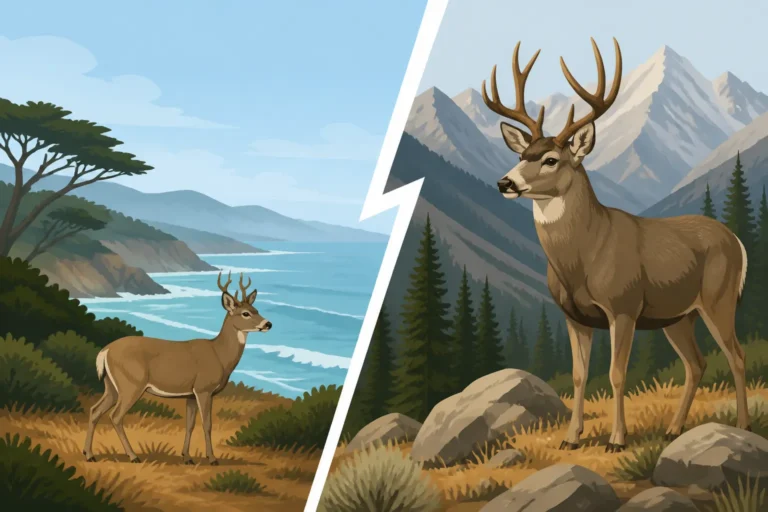
The initial confirmed CWD cases in California involved mule deer. These iconic animals, known for their impressive antlers and hardy nature, are a cornerstone of our state's hunting heritage, particularly in the Eastern Sierra. The fact that mule deer were the first species identified underscores the importance of continued monitoring, especially given their wide-ranging movements and migration patterns, which could potentially contribute to further spread. While deer are the most commonly affected cervids, it's a critical reminder for hunters of all cervid species to remain vigilant.
The detection of these cases didn't happen by accident. It was the result of diligent surveillance efforts by the California Department of Fish and Wildlife (CDFW) as part of their statewide disease monitoring program. This proactive approach involves collecting samples from harvested deer, road-killed animals, and animals exhibiting symptoms. For instance, a hunter might report a deer acting strangely, or a road crew might alert officials to a deceased animal, leading to samples being taken for testing. When those samples from Inyo and Mono counties came back positive, it confirmed our fears and set in motion a new phase of wildlife management. It’s a testament to the importance of programs like California's Deer and Elk Disease Monitoring that these early cases were identified. This ongoing surveillance is vital to understanding the prevalence and distribution of CWD across California.
Why CWD is a Major Concern for California Hunters
The arrival of CWD in California is more than just another wildlife issue; it's a fundamental challenge to the future of our hunting traditions and the health of our deer and elk herds. For those of us who spend countless hours scouting, practicing, and ultimately pursuing game, the prospect of CWD becoming widespread is deeply troubling.
Impact on Deer and Elk Herd Health
At the forefront of our concerns is the devastating impact CWD has on the health of our beloved deer and elk populations. This disease is always fatal, meaning that every animal that contracts it will eventually succumb. Over time, in areas where CWD becomes endemic, it can lead to significant declines in herd numbers. Imagine the vibrant herds of Columbia Blacktail and Mule Deer in California slowly diminishing, with fewer and fewer healthy animals available for hunting or simply to observe. This isn't just about hunter opportunity; it's about the ecological balance and the very existence of these animals as robust, thriving populations.
Beyond the sheer mortality, CWD can alter the age structure and genetic diversity of herds. Younger animals might be more susceptible, or older, dominant bucks could be lost, impacting breeding success and herd resilience. The sight of a once-healthy buck or cow elk exhibiting the tell-tale signs of CWD – emaciation, listlessness, strange behavior – is a haunting image that no hunter wants to encounter in their favorite hunting grounds. The long-term health and stability of our state's game species depend on our ability to manage and, hopefully, contain this threat.
Potential for Regulatory Changes and Restrictions
The discovery of CWD inevitably brings with it the specter of increased regulations and restrictions on hunting. No one wants more rules, especially when we already navigate a complex system of zones and seasons. However, controlling the spread of CWD often necessitates drastic measures to protect unaffected areas. This could mean changes to how we process game in the field, where we can transport carcasses, and even how certain hunting seasons are structured. For instance, California's Two CWD Testing Zones might expand, or mandatory testing for all harvested animals in specific areas could become the norm.
Consider the frustration of planning a hunt only to find new rules in place about what you can bring home or where you must take your animal for testing. Carcass transport rules, in particular, can be a real headache, especially if you harvest an animal far from a designated processing or testing facility. The goal of these regulations, however inconvenient, is to prevent further spread of the prions. The state may also implement special hunt seasons or increased tag allocations in affected areas to reduce herd density, hoping to slow the transmission of the disease. While necessary, these changes can dramatically alter the hunting experience we've all come to know and love.
Navigating Hunting Regulations in the Wake of CWD
When CWD is detected, wildlife agencies have to respond, and that response often means new regulations for hunters. It's a challenging situation, as they balance public health concerns with wildlife management and maintaining hunting opportunities. As hunters, staying informed isn't just a good idea; it's our responsibility.
Mandatory Testing and Reporting Requirements
One of the most immediate changes you might encounter in a CWD-affected or at-risk area is mandatory testing. This means that if you harvest a deer or elk in certain zones, you might be required to submit specific samples for CWD testing. This isn't just a suggestion; it's a legal requirement designed to monitor the spread of the disease and identify new hot spots. For hunters, this translates to additional steps after a successful harvest. You might need to drop off a lymph node or brainstem sample at a designated CWD sampling location. The CDFW has specific guidelines on CWD Testing for California Hunters, and it’s imperative to follow them precisely.
The process usually involves collecting the sample, filling out proper documentation, and ensuring it reaches the testing facility within a specific timeframe. Missing these steps could result in penalties, but more importantly, it hinders the state's ability to track and manage CWD. It's an extra layer of effort, undoubtedly, but it’s a crucial one for the health of the overall herd. Furthermore, reporting any unusual behavior or sick-looking animals you see in the field is more important than ever. Early detection relies heavily on the observant eyes of hunters and outdoor enthusiasts. Think of it as being part of the wildlife health surveillance team.
Carcass Transport and Disposal Rules
Alongside mandatory testing, you can expect stricter rules regarding the transport and disposal of cervid carcasses. This is because CWD prions are concentrated in certain tissues like the brain, spinal cord, and lymph nodes. Transporting an entire carcass from an affected zone into an unaffected area risks spreading these prions to new environments. To combat this, agencies often establish specific rules about what parts of a deer or elk can be transported out of a CWD zone.
Typically, rules dictate that only boned-out meat, cleaned skull plates, antlers, hides, and taxidermy-ready capes can leave a CWD management zone. The brain and spinal column, which carry the highest risk of containing prions, usually must remain behind or be disposed of in a designated landfill or rendering facility. This can be a significant logistical challenge, especially for backcountry hunters or those who process their animals at camp. It means field dressing and butchering might need to be done more meticulously on-site, or you might need to find local processing options within the CWD zone. Understanding and adhering to these rules is vital to preventing the inadvertent spread of CWD to new, healthy populations. For any hunter, a detailed map or resource like GoHunt can be invaluable in identifying the boundaries of these specific CWD management zones and planning your hunt accordingly.
Protecting California's Deer and Elk: What Hunters Can Do
The fight against CWD isn't just for wildlife biologists and state agencies; it requires the active participation of every hunter. We are the eyes and ears of the wilderness, and our actions can make a real difference in protecting California's cherished deer and elk herds.
Vigilance in the Field and Reporting Sick Animals
One of the most powerful tools we have against CWD is our vigilance in the field. Spend enough time in the woods, and you develop an instinct for what looks right and what doesn't. Now, more than ever, it's crucial to pay close attention to the animals you encounter. If you see a deer or elk exhibiting any signs of illness – extreme thinness, stumbling, drooling, carrying its head in an unnatural way, or acting unusually unafraid of humans – it's vital to report it immediately. Don't assume someone else will. The sooner a potentially infected animal is identified, the better our chances of containing the spread.
You can contact your local CDFW office or game warden directly. Be prepared to provide specific details about the animal's location, the time you observed it, and a clear description of its symptoms. It might feel like a small action, but early detection is absolutely critical to monitoring and managing CWD. Your keen observation skills, honed over seasons of Scouting California Public Land Before Season, could be the key to preventing wider infection. Every single report contributes to a broader picture of herd health and helps wildlife managers target their efforts more effectively.
Best Practices for Carcass Handling and Disposal
Proper carcass handling is paramount, especially if you harvest an animal in a CWD-affected or adjacent zone. The goal is to minimize the potential for prions to enter the environment. After field dressing, it's a good practice to wear gloves and thoroughly clean your hands and tools. Bone out as much meat as possible in the field, leaving the parts known to carry higher concentrations of prions – the brain, spinal cord, spleen, and lymph nodes – at the kill site, provided it's legal and practical to do so. This minimizes the volume of potentially contaminated material you transport.
When it comes to disposal, never just discard carcass parts indiscriminately. The best practice is to double-bag high-risk materials (head, spinal column, etc.) and dispose of them in a lined landfill that accepts animal waste. This ensures that the prions are contained and don't re-enter the ecosystem. If you're utilizing a professional game processor, make sure they are aware of the CWD situation and follow best practices for handling game from affected areas. Some may even have specific protocols for CWD zones. Being meticulous about this step, though it adds to the work, is a direct way you can help prevent the spread of this terrible disease.
Supporting Research and Management Efforts
Beyond direct actions in the field, hunters can be powerful advocates for CWD research and management. This means staying informed about current regulations, attending public meetings, and supporting funding for wildlife disease programs. Organizations like GoHunt often share valuable updates and resources on CWD, helping hunters stay current on crucial information for various states, including California. Participating in voluntary CWD testing programs, even outside of mandatory zones, also contributes valuable data. Every sample taken helps biologists map the disease and understand its prevalence.
We also need to support policies that prioritize herd health and disease prevention, even when they involve difficult decisions or impact our hunting opportunities in the short term. This includes supporting ethical hunting practices, advocating for responsible land management, and being mindful of things like supplemental feeding, which can concentrate deer and increase disease transmission risk. Our collective commitment to these efforts will determine the long-term health of California’s deer and elk, ensuring that future generations can enjoy the hunting experiences we cherish. It’s an investment in the legacy of California Deer Camp Traditions for years to come.
The Future of California Hunting with CWD
The presence of CWD in California undoubtedly casts a shadow over the future of our hunting traditions. It forces us to confront difficult realities and adapt our practices. However, it also presents an opportunity for the hunting community to rise to the challenge, demonstrating our commitment to wildlife conservation and responsible stewardship.
Long-Term Monitoring and Management Strategies
The state of California, through the CDFW, is committed to long-term monitoring and management strategies to address CWD. This isn't a one-time effort; it's an ongoing, adaptive process. These strategies will likely involve continued surveillance, expanding CWD testing zones as needed, and refining carcass disposal guidelines. Wildlife biologists will use the data collected from hunter-submitted samples, road-kill, and symptomatic animals to track the disease's prevalence and geographic spread. Understanding the nuances of California's Deer and Elk Disease Monitoring programs will be key for hunters.
In some areas, management strategies might include targeted removal of infected animals or efforts to reduce overall herd densities to slow transmission. This could mean special hunt opportunities or changes in tag allocations in specific zones. We can expect to see increased communication from the CDFW regarding CWD, and it's essential that we, as hunters, pay close attention to these updates. The goal is not just to contain the disease but to understand its ecological impacts and develop effective, sustainable solutions for the health of California's wildlife.
The Hunter's Role in CWD Prevention and Control
Ultimately, hunters are at the forefront of CWD prevention and control. Our direct interaction with deer and elk populations, our passion for the outdoors, and our understanding of wildlife behavior make us indispensable partners in this fight. By actively participating in CWD surveillance programs, adhering strictly to new regulations, and spreading awareness among our fellow hunters, we become powerful agents of change. This might involve new habits, like being extra diligent about Field Dressing a Deer in Hot Weather and disposing of high-risk parts correctly, or taking the time to educate newer hunters about the risks.
The future of hunting in California will depend heavily on our collective efforts. By embracing a proactive and responsible approach to CWD, we can help mitigate its impact, protect our precious game species, and ensure that the rich tradition of California hunting endures for generations to come. It's a daunting challenge, but one that the dedicated hunting community is more than capable of facing head-on.
| Key CWD Facts for California Hunters | Detail |
|---|---|
| Causative Agent | Prions (misfolded proteins), not bacteria or viruses. |
| Affected Species | Cervids: Mule Deer, Blacktail Deer, Elk, and potentially other species. |
| First CA Cases | Identified in mule deer in Inyo and Mono counties. |
| Transmission | Direct (animal-to-animal contact) and Indirect (environmental contamination via saliva, urine, feces, carcass parts). |
| Symptoms | Emaciation, lethargy, abnormal behavior, drooling, staggering, lack of fear of humans. (Long incubation period means animals can spread disease before symptoms appear). |
| Environmental Persistence | Prions are incredibly resilient and can remain infectious in soil and environment for years. |
| Hunter's Role | Report sick animals, adhere to carcass transport rules, participate in testing, dispose of high-risk parts properly, support monitoring efforts. |
| Regulatory Impact | Potential for mandatory testing, carcass transport restrictions, and specific CWD management zones. |
Disclaimer
This article is for general informational purposes only and does not constitute professional advice. Laws, prices and regulations vary by location and change over time. Consult a qualified professional for guidance on your specific situation.