California’s Deer and Elk Disease Monitoring
It's incredibly frustrating when you dedicate time, effort, and resources to planning a hunting trip, only to hear whispers about disease impacting local herds. Whether you're chasing that elusive blacktail in the coastal ranges or dreaming of a Sierra mule deer, the health of California's deer and elk populations directly affects your hunting experience and the future of these magnificent animals. This guide dives deep into California's crucial wildlife disease monitoring efforts, helping you understand what's being done, what threats exist, and how you, as a hunter, play a vital role in keeping our herds healthy.
Why Disease Monitoring Matters for California's Deer and Elk Herds
The health of our wild deer and elk isn't just about whether there are enough animals to hunt; it's about the entire ecosystem. When a disease takes hold, it can decimate populations, impact predator-prey dynamics, and even have implications for human health and livestock. California's wildlife is a shared resource, and proactively monitoring for diseases is akin to checking the vitals of the wild places we cherish. It's a massive undertaking, but absolutely essential for the long-term sustainability of hunting and conservation.
Protecting Herd Health and Stability
Imagine a localized outbreak of a highly contagious disease in a popular hunting zone. Without proper monitoring, it could spread unchecked, leading to a drastic reduction in herd numbers over a few seasons. This isn't just a hypothetical concern; it's a very real threat that wildlife agencies across the country actively work to prevent. When we monitor diseases, we're not just looking for problems; we're gathering critical data that informs management decisions. This data can help the California Department of Fish and Wildlife (CDFW) implement targeted strategies, such as changing harvest quotas in specific areas, adjusting season lengths, or even establishing temporary closures to prevent further spread. It's about ensuring that the deer and elk you pursue today will still be thriving for future generations of hunters.
Think of it like tending a garden. You don't just plant seeds and hope for the best; you monitor for pests, diseases, and nutrient deficiencies. Wildlife management, though on a much grander scale, operates with a similar proactive mindset. The goal is to catch potential issues early, understand their scope, and intervene before they become widespread catastrophes. This vigilance is particularly important for species like the various deer subspecies and the majestic elk that roam our state, each with their own unique population dynamics and vulnerabilities. Understanding the California Deer Herd Size or the distribution of Tule Elk in California's Central Valley helps put disease impacts into perspective.
Preventing Spread to Domestic Animals and Humans
One of the most pressing reasons for robust wildlife disease monitoring is the potential for zoonotic diseases—those that can jump from animals to humans—or diseases that can affect domestic livestock. Chronic Wasting Disease (CWD) is a prime example, although currently, there's no direct evidence it can transfer to humans, the scientific community remains cautious. However, other diseases like tuberculosis or even some viral infections can pose cross-species threats. A hunter might come into contact with an infected animal, or scavengers could carry pathogens from wild areas to agricultural lands, potentially impacting cattle, sheep, or other livestock.
Consider the economic implications for ranchers if a disease like Brucellosis were to spread from wild elk to their cattle. It could devastate livelihoods and lead to massive culling efforts. This interconnection between wild and domestic animals means that monitoring wildlife diseases isn't just for hunters; it's a public health and agricultural necessity. The CDFW works closely with other state agencies, like the California Department of Food and Agriculture, to create a holistic surveillance system that protects not just wildlife, but also the broader community and economy.
Historical Lessons from Other States
California isn't operating in a vacuum when it comes to wildlife disease management. We benefit immensely from the hard-won lessons learned by wildlife agencies in other states and provinces, particularly concerning diseases like CWD. States in the Midwest and Rocky Mountains have been dealing with CWD for decades, and their experiences have shaped best practices for surveillance, management, and hunter education. Their struggles underscore the critical importance of early detection and aggressive management to contain outbreaks before they become endemic and widespread.
For example, states that initially underestimated the threat of CWD later faced overwhelming challenges in managing its spread. They saw significant declines in deer populations in infected areas and faced difficult decisions regarding carcass transportation, mandatory testing, and public education campaigns. These historical precedents highlight why California is taking a proactive and cautious approach, especially with diseases like CWD. By learning from others, we can implement more effective strategies here, safeguarding our unique wildlife populations, including Columbia Blacktail and Mule Deer in California and Rocky Mountain Elk in Northeast California.
Key Diseases Under Surveillance in California
California is a state of incredible biodiversity, but that also means our wildlife can be susceptible to a range of diseases. The CDFW, in conjunction with other agencies and university researchers, keeps a close eye on several key diseases that pose a threat to our deer and elk populations. Understanding these threats helps hunters recognize potential issues in the field and empowers them to be part of the solution.
Chronic Wasting Disease CWD: California's Emerging Concern
Without a doubt, Chronic Wasting Disease (CWD) is the most significant concern currently facing California's deer and elk populations. This neurological disease affects cervids (deer, elk, moose, and caribou) and is caused by an abnormal protein called a prion. It's always fatal, and there is no known cure or vaccine. The disease progresses slowly, taking months or even years, but it ultimately leads to emaciation, behavioral changes, and death. Hunters might see animals that are unusually thin, stumbling, drooling excessively, or showing a lack of fear of humans.
The good news is that CWD was not detected in California for a long time, thanks to rigorous testing. However, the discovery of CWD in the state changed the game. This made California's Emerging CWD Concern a reality, triggering heightened surveillance and public awareness campaigns. The fact that it's present in other western states, and can spread through direct contact or contaminated environments (prions persist in soil), means that vigilance is paramount. Knowing about California's Two CWD Testing Zones is vital for any hunter operating in those regions, as special rules often apply regarding carcass movement and mandatory sampling.
Epizootic Hemorrhagic Disease EHD and Bluetongue: Seasonal Threats
While CWD is a chronic, always-fatal disease, Epizootic Hemorrhagic Disease (EHD) and Bluetongue are acute viral diseases that often cause more sudden and dramatic die-offs, especially in hot, dry summers and early fall. Both are transmitted by biting midges (often called "no-see-ums" or "gnats"), and deer are particularly susceptible, though elk can also be affected. Animals infected with EHD or Bluetongue may appear lethargic, have swollen faces or tongues, show ulcerations in their mouths, and often seek water to cool themselves before succumbing to fever.
These diseases are cyclical and tend to flare up during drought conditions or when midge populations peak. You might hear of localized outbreaks causing a number of deer deaths in a specific area, especially near water sources. While alarming, these seasonal outbreaks are generally considered a natural part of wildlife population dynamics, unlike the persistent and universally fatal CWD. However, monitoring EHD and Bluetongue helps biologists track their prevalence and understand potential impacts on regional herd numbers, especially in zones that experience regular outbreaks.
Other Pathogens and Parasites
Beyond the major concerns of CWD, EHD, and Bluetongue, California's deer and elk can also be affected by a variety of other pathogens and parasites. These might not lead to widespread die-offs, but they can weaken individual animals, making them more susceptible to other diseases, predation, or environmental stressors. Examples include various types of bacterial infections, pneumonia, internal and external parasites like lungworms or mites causing mange, and even less common viral infections.
While the CDFW doesn't typically conduct widespread surveillance for every single possible ailment, reports from hunters and the public about sick or unusual-looking animals are invaluable. If you see a deer with a severe limp, noticeable hair loss, large abscesses, or any other signs of illness, documenting it and reporting it to the CDFW is a huge help. Even a seemingly minor issue could be an indicator of a larger underlying health concern in the local herd. A good resource for understanding how these monitoring efforts fit into the bigger picture is the California Wildlife Disease Monitoring Program.
How California Tracks Wildlife Diseases
Monitoring for wildlife diseases in a state as vast and biologically diverse as California is a monumental task. It requires a coordinated effort involving state agencies, universities, veterinarians, and—critically—the public. The CDFW has established a robust system to track, identify, and respond to disease threats, ensuring that data is collected systematically and analyzed effectively. This behind-the-scenes work is fundamental to protecting our hunting heritage.
CDFW Surveillance and Sampling Programs
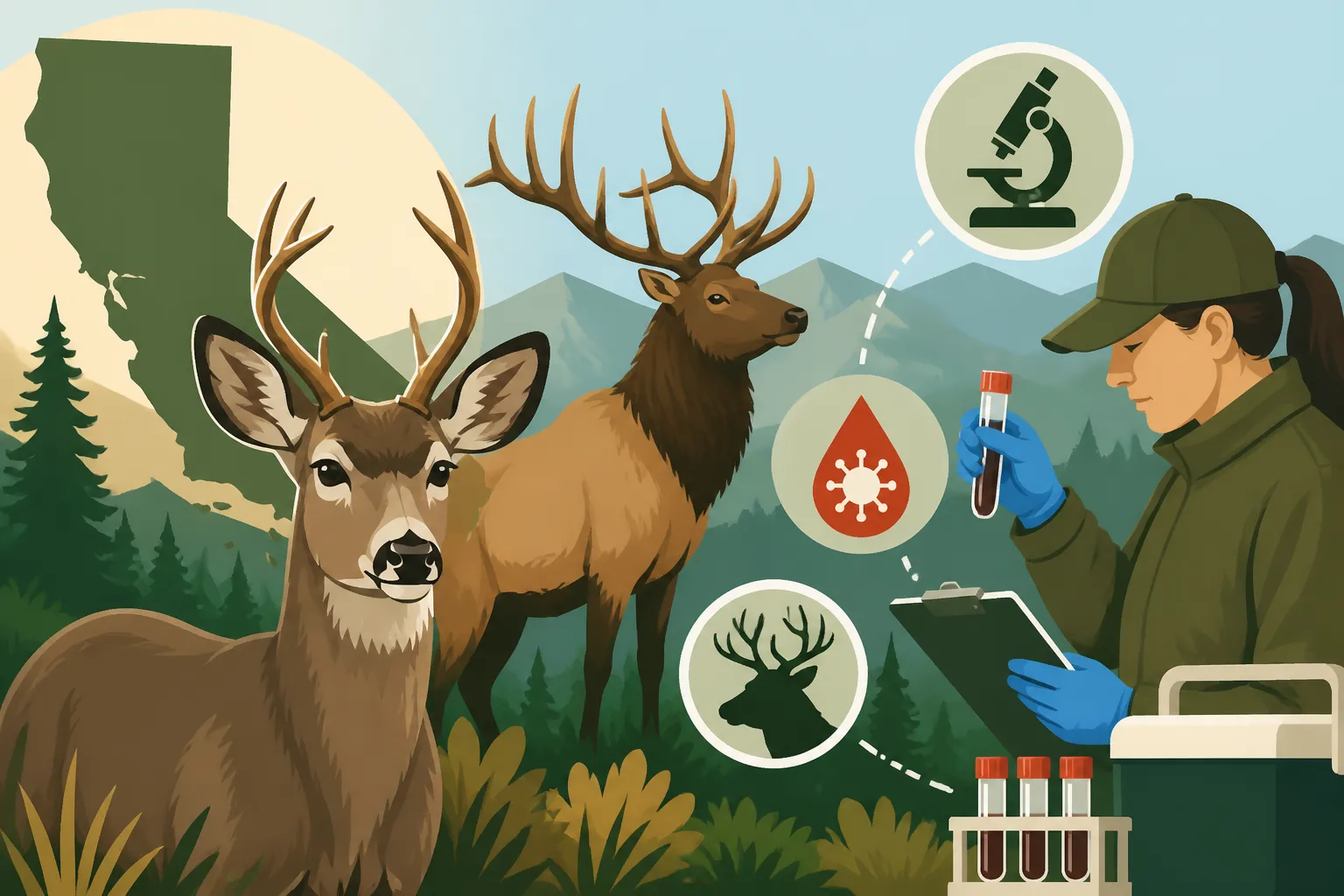
The backbone of California's disease monitoring program lies in active surveillance and systematic sampling. This includes routine checks of hunter-harvested animals, especially in identified high-risk areas or California's Two CWD Testing Zones. For CWD, this often involves taking lymph node samples from deer and elk brought to check stations or voluntary submission points. CDFW staff also conduct targeted surveillance on road-killed animals or those found sick or dead in the field, which provides valuable insights into disease prevalence and distribution without relying solely on hunter participation.
Furthermore, biologists conduct necropsies (animal autopsies) on animals found deceased from unknown causes. These detailed examinations can pinpoint the exact cause of death, whether it's disease, malnutrition, injury, or poisoning. The CDFW also deploys staff to investigate reports of unusual animal behavior or die-offs. This proactive and reactive sampling strategy allows the state to build a comprehensive picture of wildlife health trends, helping them manage populations more effectively.
Laboratory Analysis and Diagnostic Methods
Once samples are collected, they are sent to specialized laboratories for analysis. These labs, often affiliated with universities or state diagnostic services, employ advanced diagnostic methods to identify specific pathogens or prions. For CWD, this might involve immunohistochemistry (IHC) or enzyme-linked immunosorbent assay (ELISA) tests on tissue samples to detect the presence of the abnormal prion protein. For viral diseases like EHD, PCR (polymerase chain reaction) tests can identify the specific viral DNA or RNA.
The turnaround time for these tests can vary, but the accuracy and reliability of the lab results are paramount. These diagnostic processes are highly scientific and require trained personnel and specialized equipment. The data generated from these labs is then aggregated and analyzed by wildlife veterinarians and epidemiologists to understand disease prevalence, geographic spread, and potential impacts on wildlife populations. This scientific rigor ensures that management decisions are based on the best available evidence.
Data Collection, Mapping, and Public Information
All the collected samples and lab results feed into a sophisticated data collection and mapping system. This allows wildlife managers to visualize the spatial distribution of diseases, identify hotspots, and track trends over time. Geographic Information Systems (GIS) are often used to map disease occurrences, overlaying them with wildlife habitat, population densities, and human activity to identify potential risk factors or corridors of spread. This kind of detailed mapping is also incredibly useful for hunters using platforms like GoHunt, which often incorporate public land data and potentially even CWD zone information into their digital maps.
The CDFW then uses this analyzed data to inform the public and hunters. This might involve updating websites with disease information, issuing public advisories, or providing specific guidance for hunters in affected areas, such as detailed instructions on CWD Testing for California Hunters. Transparency and clear communication are crucial to foster trust and ensure that hunters are empowered with the knowledge they need to make informed decisions and contribute to monitoring efforts.
The Hunter's Crucial Role in Disease Monitoring
As hunters, we are often the first line of defense in wildlife disease monitoring. We spend countless hours in the field, observing animals up close, and we are uniquely positioned to spot abnormalities or unusual behavior that wildlife biologists might otherwise miss. Our participation is not just helpful; it's absolutely vital to the success of California's disease surveillance efforts. Being a responsible hunter means being an informed and active participant in conservation, and that includes disease monitoring. For new hunters, understanding these responsibilities is a key part of California Hunter Education Requirements.
Recognizing and Reporting Sick Animals
One of the simplest yet most impactful contributions a hunter can make is to recognize and report sick or unusual-looking animals. If you encounter a deer or elk that appears emaciated, is stumbling, has unusual growths, or is acting strangely (e.g., lethargic, drooling, or showing no fear), it's important to report it. Do not attempt to harvest or handle an obviously sick animal. Instead, make note of the exact location (GPS coordinates are best!), take photos if possible, and contact the CDFW immediately.
It’s crucial to understand what "sick" looks like for a deer or elk. For CWD, early signs can be subtle, but as it progresses, animals often look like they're starving, even in areas with abundant forage. For EHD or Bluetongue, animals might appear feverish, have swollen tongues, or be found near water sources. Your observations provide critical intelligence that can help biologists investigate potential outbreaks and initiate targeted sampling. Many hunters might use mapping apps like those found on GoHunt to mark exact locations of unusual animal sightings, making their reports even more precise and helpful.
Mandatory Testing and Sample Submission
In certain areas, particularly within or adjacent to known CWD zones, mandatory testing of harvested deer and elk may be required. This means that if you harvest an animal in one of these designated areas, you might be required to submit specific tissue samples (typically lymph nodes or brainstem) to a CDFW check station or designated collection point. Even outside mandatory zones, voluntary sample submission is often encouraged and highly valued. It provides valuable baseline data and helps ensure early detection should CWD or other diseases spread to new areas.
Always check the current regulations for the zone you plan to hunt. Information on specific requirements, sample collection instructions, and drop-off locations is usually available on the CDFW website or through their hunting app, which allows for Reporting a Deer Through California's App. These samples are then sent to labs for analysis, and the data is crucial for tracking disease prevalence and distribution. It might seem like an extra step after a successful hunt, but it's a direct contribution to the health of the deer and elk you cherish.
Here's a quick overview of what hunters might encounter regarding sample submission:
| Feature | Mandatory Testing Zones | Voluntary Submission Zones |
|---|---|---|
| Requirement | Hunters must submit samples from harvested deer/elk. | Hunters can submit samples; highly encouraged. |
| Carcass Movement | Often restricted; specific rules on Moving a Deer Carcass Out of a Testing Zone. | Generally fewer restrictions, but still advised to be cautious. |
| Sample Collection | Instructions provided at check stations or online; usually lymph nodes or brainstem. | Kits might be available; clear instructions for self-collection or drop-off. |
| Why it Matters | Critical for early detection, containment, and understanding disease spread. | Provides baseline data, helps monitor for new disease occurrences. |
| Hunter Action Required | Check regulations, comply with submission, understand transport rules. | Consider submitting, report sick animals, follow best practices. |
Best Practices for Carcass Handling and Field Dressing
Responsible carcass handling and field dressing are critical to preventing the potential spread of disease, especially in an era of CWD concerns. While CWD prions are most concentrated in brain and spinal tissue, they can also be found in lymph nodes, spleen, and even muscle tissue. Minimizing the spread of potentially infected material in the field is a key best practice.
- Wear Gloves: Always wear disposable gloves when field dressing any animal. This is good practice for general hygiene and reduces your risk of exposure to any pathogens.
- Minimal Contamination: Leave as much of the gut pile and high-risk tissues (brain, spinal cord, spleen, lymph nodes) as possible at the kill site, especially if you're in or near a CWD zone. Avoid disturbing these tissues more than necessary. If you need more detailed guidance on handling your harvest, look up information on Field Dressing a Deer in Hot Weather to understand proper techniques.
- Clean Your Tools: Thoroughly clean and disinfect all knives, saws, and other equipment used during field dressing. A bleach solution (1 part bleach to 9 parts water) is effective for disinfecting tools.
- Proper Disposal: Dispose of any unused carcass parts or contaminated materials (gloves, paper towels) properly. Do not just leave them scattered; bag them and dispose of them in a landfill or according to local regulations, especially if you're Moving a Deer Carcass Out of a Testing Zone.
- Meat Handling: Process your meat safely. Avoid eating brain, spinal cord, eyes, spleen, tonsils, or lymph nodes from any deer or elk. While CWD isn't known to infect humans, caution is always warranted.
By adhering to these practices, you not only protect yourself but also do your part to prevent the further spread of wildlife diseases in California.
Current Challenges and Future Outlook for Disease Monitoring
California faces unique challenges in wildlife disease monitoring due to its vast geography, diverse ecosystems, and large human population. From dense coastal forests to expansive desert regions and high mountain ranges, monitoring disease across such varied terrain is complex. As we look ahead, addressing these challenges will require sustained effort, innovative solutions, and continued collaboration.
Funding, Resources, and Public Awareness Gaps
One of the perennial challenges for any wildlife management program, including disease monitoring, is securing adequate funding and resources. Diagnostic labs, field staff, specialized equipment, and public outreach all come with significant costs. State budgets can fluctuate, and often, wildlife agencies are asked to do more with less. This can lead to gaps in surveillance, slower response times to potential outbreaks, and limitations in the scope of research.
Beyond financial resources, there's also the challenge of public awareness. Not all citizens, or even all hunters, fully understand the importance of disease monitoring or their role in it. There can be misinformation, skepticism, or simply a lack of knowledge about what to do if a sick animal is observed. Bridging these awareness gaps through sustained educational campaigns is crucial. Tools like GoHunt can help disseminate information about CWD zones and best practices directly to hunters, but broader public outreach is also needed to ensure community support.
Research and Collaborative Efforts
The future of effective wildlife disease monitoring in California relies heavily on ongoing scientific research and robust collaborative efforts. Research helps us understand the specific dynamics of diseases within California's unique ecosystems, how environmental factors like drought or climate change might influence disease spread, and the effectiveness of different management strategies. This includes genetic studies of deer and elk populations, epidemiological modeling, and the development of new diagnostic tools.
Collaboration is also key. The CDFW doesn't operate alone; it works closely with federal agencies like the U.S. Geological Survey, university researchers (such as those at UC Davis's Wildlife Health Center), tribal nations, private landowners, and conservation organizations. These partnerships pool expertise, share resources, and create a more comprehensive and resilient monitoring network. For example, joint research projects might investigate how specific habitat changes, perhaps from a Hunting a National Forest Burn Scar or changes in agricultural practices, influence disease prevalence.
Adapting to Climate Change and Habitat Impacts
Looking further down the road, climate change and ongoing habitat impacts are poised to introduce new complexities into wildlife disease monitoring. Changes in temperature and precipitation patterns can alter the distribution and abundance of disease vectors (like the midges that carry EHD), extend disease seasons, or stress wildlife populations, making them more vulnerable to infection. Habitat fragmentation and human encroachment can also increase contact between wild and domestic animals, creating new pathways for disease transmission.
For example, warmer winters could mean a longer season for ticks carrying Lyme disease, or altered rainfall patterns could concentrate deer around fewer water sources, increasing the risk of EHD transmission. Monitoring programs will need to be flexible and adaptable, continuously integrating new scientific understanding about environmental changes into their surveillance strategies. This proactive approach, coupled with strong hunter participation, is our best bet for maintaining healthy and resilient deer and elk populations in California for many hunting seasons to come.
Disclaimer
This article is for general informational purposes only and does not constitute professional advice. Laws, prices and regulations vary by location and change over time. Consult a qualified professional for guidance on your specific situation.