California Wildlife Disease Monitoring Program
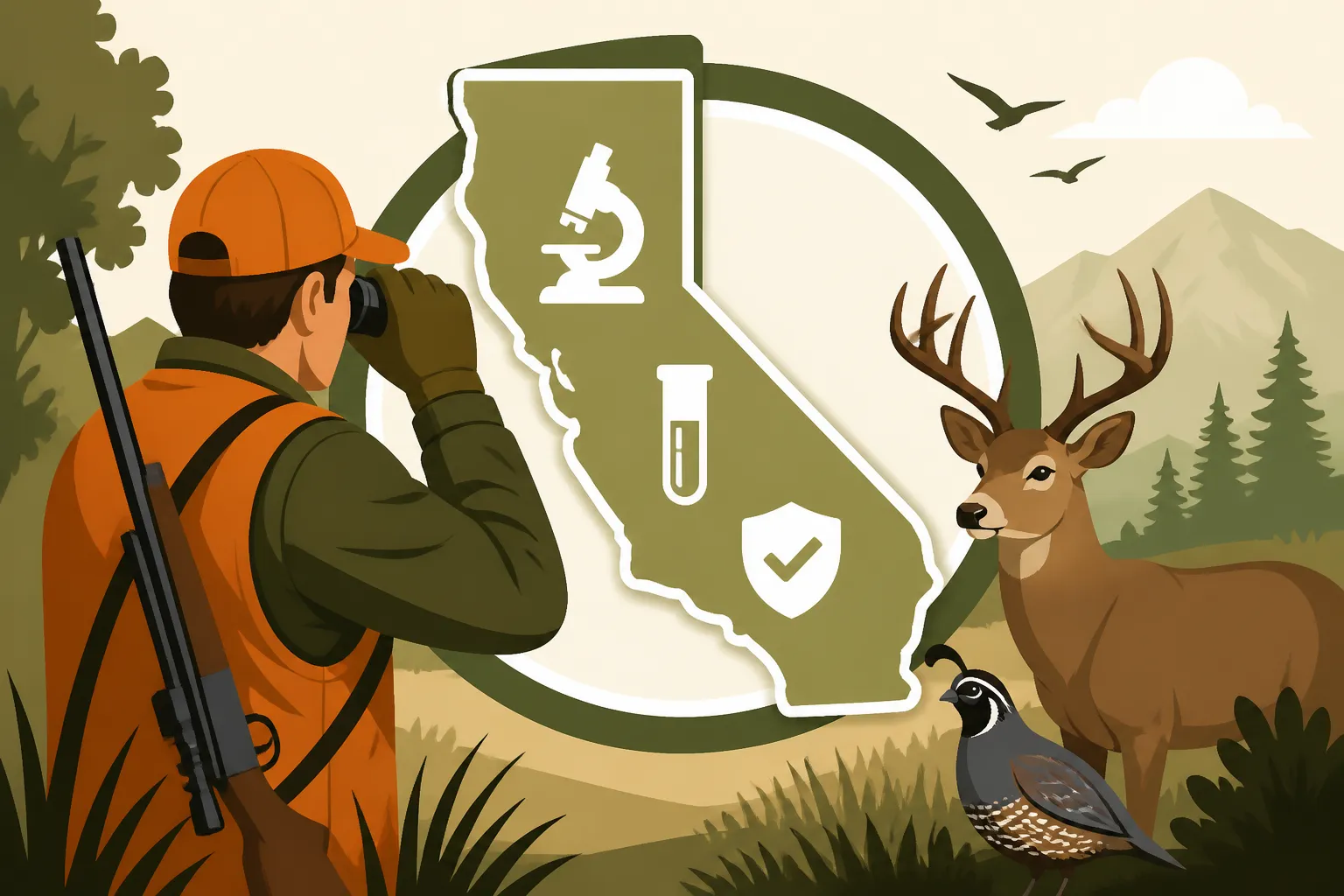
There's nothing quite as disheartening as seeing a deer looking sickly in the field, or hearing news about a potential disease spreading through California's cherished wildlife populations. These concerns hit close to home for every hunter, impacting not only the health of the animals we pursue but also the safety of our harvested game. This guide dives deep into the California Wildlife Disease Monitoring Program, exploring how state agencies and hunters work together to keep our wild herds robust and resilient for generations to come.
Why Wildlife Disease Monitoring Matters So Much to Hunters
As hunters, we're not just consumers of wildlife; we're often the first line of defense in spotting potential health crises. The health of California's wildlife is intrinsically linked to the health of our ecosystems and, frankly, the future of hunting itself. When a disease takes hold, it can decimate populations, alter herd dynamics, and even make game unsafe to consume. That's why active and consistent monitoring is so critically important.
Protecting Herd Health and Future Hunting
Imagine hunting your favorite D-zone only to find the deer numbers significantly down, or the animals looking lethargic and unhealthy. Diseases like Chronic Wasting Disease (CWD) or Epizootic Hemorrhagic Disease (EHD) can have devastating effects on deer and elk populations. CWD, for instance, is a progressive, fatal neurological disease that affects cervids (deer, elk, moose). While California has been fortunate enough to avoid widespread detection so far, vigilance is key. Early detection through monitoring programs can mean the difference between containing an outbreak and watching it spread uncontrollably. When we monitor these diseases, we're essentially taking the pulse of the herd, allowing wildlife managers to implement strategies like targeted harvests, population adjustments, or even temporary area closures to mitigate spread and protect the long-term viability of hunting opportunities. It’s about being proactive rather than reactive, safeguarding the very resources we treasure.
Preventing Spread to Other Species and Livestock
Wildlife diseases aren't always picky about their hosts. Some pathogens can jump from one wild species to another, or even, in some cases, to domestic livestock. This presents a complex challenge, as a disease impacting deer could potentially affect cattle, or an avian influenza strain in waterfowl could impact domestic poultry operations. Consider the historical impact of diseases like bovine tuberculosis or brucellosis in other states, where wildlife reservoirs posed a continuous threat to agricultural interests. California's diverse landscapes, with ranch lands often bordering public hunting areas, make this cross-species transmission a serious concern. The California Wildlife Disease Monitoring Program acts as a critical watchtower, identifying diseases that could threaten our agricultural economy and broader ecological balance. This holistic approach ensures that wildlife health is considered within the larger context of environmental and economic well-being, highlighting the interconnectedness of all living things in our state.
Ensuring Safe Consumption of Wild Game
For many of us, harvesting an animal means putting nutritious, organic meat on the table. The last thing any hunter wants to worry about is whether that meat is safe to eat. While many wildlife diseases pose little to no risk to humans, others, like trichinellosis in wild pigs or potential prion diseases like CWD (though there's no direct evidence of CWD transmitting to humans, health agencies advise caution), warrant careful attention. The monitoring program plays a crucial role in providing hunters with the information they need to make informed decisions about their harvest. Knowing which areas might have elevated disease risks, or what symptoms to look for in an animal, empowers hunters to process their game responsibly. This means guidelines for handling and processing, especially in areas California's Two CWD Testing Zones, and ensuring hunters understand if any specific testing or precautions are recommended. Agencies often provide guidance on proper field dressing and cooking temperatures to minimize any potential risks, giving peace of mind to those who cherish their hard-earned venison, pork, or fowl.
Key Diseases California Actively Monitors
California's diverse ecosystems mean a wide array of wildlife, and unfortunately, a potential for various diseases. The monitoring program focuses on the most impactful threats, both current and emerging, to our game species and beyond. Understanding these diseases helps hunters identify potential issues in the field.
Chronic Wasting Disease (CWD) – A Top Concern
CWD is undoubtedly one of the most talked-about and feared wildlife diseases for deer and elk hunters. It's a neurological disease caused by prions, affecting cervids like our beloved blacktail and mule deer. Animals infected with CWD experience progressive weight loss (wasting), abnormal behavior, drooling, excessive thirst, and eventually death. The real kicker is that it's always fatal, and there's no cure. Importantly, the prions can persist in the environment for years, making it incredibly challenging to eradicate once established.
California has, thankfully, not detected CWD in its wild herds to date, but the threat is ever-present from neighboring states. This is precisely why the California Wildlife Disease Monitoring Program places such a high emphasis on surveillance. They’re constantly sampling deer and elk through hunter submissions, roadkill, and targeted surveillance in California's Emerging CWD Concern areas. Hunters are absolutely vital in this effort. If you harvest an animal in a designated testing zone, or even if you just see a deer behaving oddly, knowing what to look for and how to report it can literally be a game-changer. For those who want to stay informed, resources like GoHunt often provide state-specific updates on CWD concerns and regulations, emphasizing the need for ongoing vigilance and participation from the hunting community.
Other Noteworthy Wildlife Ailments
While CWD gets a lot of press, it's far from the only disease on the radar. California's wildlife managers also keep a close eye on a host of other conditions that can affect various species:
- Epizootic Hemorrhagic Disease (EHD) and Bluetongue (BT): These are viral diseases transmitted by biting midges ("no-see-ums") that primarily affect deer. Symptoms can range from lethargy and fever to swelling of the head and neck, and internal hemorrhaging. While EHD outbreaks can cause significant localized deer die-offs, especially during dry summers followed by wet periods, deer often develop immunity, and it typically doesn't persist widely from year to year like CWD.
- Avian Influenza (Bird Flu): This viral disease primarily affects birds, especially waterfowl, but can occasionally cross over to other species. Outbreaks in wild bird populations are monitored closely, particularly in areas like the Central Valley flyway, due to potential impacts on domestic poultry and, rarely, human health. Hunters are often asked to report any clusters of dead birds they encounter, especially in wetland environments.
- Mange: While not typically fatal to deer, severe cases of mange, caused by mites, can lead to significant hair loss, skin infections, and overall poor health, making animals more susceptible to other stressors. You might see deer with patchy, thin coats, particularly during colder months.
- Foot Rot: Affecting bighorn sheep and sometimes deer, foot rot can cause severe lameness and can be a significant factor in herd health, particularly in mountainous terrain.
- Rabies: Though less common in typical game animals, rabies is a serious viral disease that can affect mammals and is transmissible to humans. Any wild animal exhibiting unusually aggressive or docile behavior should be given a wide berth and reported.
The comprehensive nature of California Deer and Elk Disease Monitoring isn't just about one threat; it's about a broad surveillance network.
The Importance of Early Detection
The old adage "an ounce of prevention is worth a pound of cure" rings especially true for wildlife diseases. Early detection is paramount because once a disease like CWD becomes established and widespread, control and eradication efforts become incredibly difficult, if not impossible. Imagine the logistical nightmare of trying to remove every infected animal or decontaminate vast tracts of wilderness. By actively monitoring and quickly identifying initial cases, wildlife agencies have the best chance to implement targeted containment strategies, such as increased surveillance in specific areas or changes to hunting regulations to manage animal movement.
This is where hunter cooperation becomes invaluable. Your eyes and ears in the field are an extension of the state's monitoring program. Reporting a single sick-looking animal could trigger a response that prevents a much larger problem. Think of it as a neighborhood watch for wildlife. The more people actively looking and reporting unusual signs, the stronger our collective defense against these threats. Organizations and tools like those found on GoHunt often promote hunter education on disease recognition, empowering the community to be active participants in early detection.
Your Critical Role as a Hunter in Monitoring Efforts
As a hunter in California, you're more than just someone who goes afield to fill a tag; you're a vital part of wildlife management. Your observations and actions can directly contribute to the health and longevity of California's game species, especially when it comes to disease monitoring. It's a responsibility we all share, and it makes our pursuit even more meaningful.
What to Look For: Recognizing Signs of Illness
When you're out scouting, still-hunting through Hunting Coastal Range Oak Woodlands, or patiently waiting in a blind, keep an eye out for anything unusual in the animals you observe. A healthy animal is typically alert, moves fluidly, and has a sleek coat. Signs of illness can be subtle or overt, but here are some key indicators that should raise a red flag:
- Behavioral Changes: Is the animal unusually lethargic, stumbling, or disoriented? Is it walking in circles, standing with its head down for long periods, or exhibiting a lack of fear of humans? These can be red flags, especially for neurological conditions like CWD.
- Physical Appearance: Look for extreme emaciation or "wasting," particularly if other deer in the area appear healthy. Notice excessive drooling, a rough or matted coat, or visible lesions or sores on the skin. Swollen joints or lameness can also indicate disease.
- Unusual Odor: While less common, some diseases can produce a noticeable, foul odor from the animal's breath or body.
- Aggression or Unusual Docility: An animal that is overly aggressive or surprisingly docile and unresponsive to human presence might be sick.
It's important to remember that not every skinny or odd-acting animal is diseased – injuries, old age, or environmental stress can also cause these signs. However, when in doubt, it’s always better to report. Your detailed observations are crucial for wildlife biologists.
How to Report a Suspected Sick Animal
So, you've seen something that just doesn't look right. What's next? Reporting is straightforward and incredibly important. The California Department of Fish and Wildlife (CDFW) relies heavily on public reports to track potential disease outbreaks.
- Do Not Touch the Animal: If the animal is still alive, do not approach it. If it's deceased, avoid direct contact with fluids, brain, or spinal cord tissues, especially if CWD is a concern.
- Document Your Observation: Take photos or videos if possible, noting the date, time, and precise location (GPS coordinates are ideal, or detailed landmarks). Describe the animal's behavior and physical appearance as accurately as you can.
- Contact CDFW: You can typically report sick or dead wildlife through the CDFW website or by calling your local regional CDFW office. Many regions also have dedicated wildlife health hotlines. Some areas may even have a specific app for Reporting a Deer Through California's App, which streamlines the process. When using digital tools like GoHunt, you'll often find resources and links that direct you to the proper reporting channels for California. Be prepared to provide all the details you gathered.
- Harvested Animals: If you harvest an animal that appears sickly, or if you're hunting in one of the Which Zones Require Mandatory CWD Testing, it's important to follow specific instructions. This might include collecting specific tissue samples or bringing the head to a designated check station.
By taking these steps, you provide critical data that wildlife biologists can use to investigate, identify, and potentially contain disease threats, protecting both wildlife and public health.
Participating in Sampling Programs
Beyond just reporting sick animals, hunters have an active role to play in organized sampling programs, particularly for CWD surveillance. For example, in certain areas of California, the CDFW actively seeks samples from hunter-harvested deer and elk. This is usually voluntary, but highly encouraged, and sometimes mandatory in specific CWD testing zones.
When you participate, you might be asked to:
- Drop off the head: At designated check stations or collection points (often listed on the CDFW website, and information frequently shared by platforms like GoHunt), hunters can drop off the heads of their harvested deer or elk. Biologists will then collect lymph node samples for CWD testing. This gives wildlife professionals crucial data points about where the disease is (or isn't) present. Knowing Finding a California CWD Sampling Location is key before you head out into the field.
- Provide specific information: You'll likely need to fill out a brief form with your tag number, harvest date, and exact location of the kill. This metadata is essential for mapping disease presence.
Participating in these programs is not just a gesture of goodwill; it's a concrete action that directly contributes to the scientific understanding of wildlife health in our state. It helps build a robust dataset for California Deer and Elk Disease Monitoring, ensuring that management decisions are based on the best available information. It’s how we ensure our legacy as conservationists, not just hunters.
What Happens When a Disease is Detected
Detecting a wildlife disease, particularly a novel or highly concerning one like CWD, triggers a coordinated response from wildlife agencies. It's not just about finding a sick animal; it's about understanding the scope, spread, and potential impact, and then developing effective management strategies.
The Investigation and Testing Process
Once a suspected case of wildlife disease is reported, whether by a concerned citizen, a hunter, or a CDFW biologist, a systematic investigation begins. If an animal is found deceased or appears very ill, CDFW personnel will often attempt to retrieve the carcass for necropsy – essentially an animal autopsy. This detailed examination helps determine the cause of death and identifies any specific pathogens or abnormalities.
For diseases like CWD, tissue samples (typically lymph nodes or brain tissue) are sent to specialized laboratories for diagnostic testing. These labs use highly sensitive tests to confirm the presence of prions or other disease agents. This process can take some time, but accuracy is paramount. While waiting for results, biologists might initiate enhanced surveillance in the area where the suspected animal was found, looking for other signs of illness in the local population. Data collected at California Wildlife Area Deer Check Station Data also feeds into this ongoing surveillance, providing a broad picture of herd health. This scientific rigor ensures that management decisions are based on confirmed facts, not speculation.
Management Strategies and Hunter Communication
Should a disease be confirmed, especially a significant one like CWD, the CDFW and other relevant agencies swing into action to implement management strategies. These strategies are often multi-faceted and can include:
- Increased Surveillance: Expanding sampling efforts in the affected area to determine the prevalence and geographic extent of the disease. This might involve more intensive hunter harvest sampling or targeted removals of animals for testing.
- Public Information Campaigns: Communicating clearly and transparently with hunters and the general public is crucial. This involves issuing press releases, updating websites, and potentially holding public meetings to explain the situation, the risks, and the recommended actions. Platforms like GoHunt become invaluable channels for hunters to receive timely information from official sources.
- Carcass Management: Providing guidance on proper carcass disposal to prevent further environmental contamination, especially critical for diseases with persistent environmental agents. Hunters often receive specific instructions on Moving a Deer Carcass Out of a Testing Zone to prevent accidental spread.
- Hunting Regulation Adjustments: In some severe cases, hunting regulations might be adjusted. This could mean increased bag limits in specific zones to reduce population density and slow disease spread, or even temporary closures to allow for intensive surveillance or management actions.
- Research: Initiating or collaborating on research projects to better understand the disease, its transmission, and potential control measures.
The goal is always to minimize the impact of the disease on wildlife populations and reduce risks to humans and livestock, while striving to maintain hunting opportunities where safe and feasible.
Staying Informed About Disease Updates
In a world where information travels fast, staying connected to official sources is more important than ever. The CDFW website is the primary hub for the latest updates on wildlife health advisories, specific disease detections, and changes to hunting regulations related to disease management. I can't stress this enough: always refer to the official CDFW channels for the most accurate and current information.
However, many hunters also find it helpful to follow reputable hunting news sources and forums, particularly those that focus on California-specific issues. These platforms often share and discuss official announcements, helping to disseminate information within the hunting community. For instance, if you're part of an online community or use an app like GoHunt for your planning, keep an eye on their newsfeeds or dedicated sections for California wildlife health advisories. They can often provide summaries and direct links to the official CDFW notices, making it easier for you to stay up-to-date. Understanding best practices like Handling Venison From a CWD Testing Zone and following all guidelines helps ensure that your hunting experience remains safe and responsible for everyone. Your commitment to staying informed is a critical element in the overall success of the California Wildlife Disease Monitoring Program.
Disclaimer
This article is for general informational purposes only and does not constitute professional advice. Laws, prices and regulations vary by location and change over time. Consult a qualified professional for guidance on your specific situation.