California Ground-Nesting Bird Predation by Pigs
The thrill of chasing a wild gobbler across an oak-studded hillside or flushing a covey of quail from dense chaparral is something many California hunters cherish. But beneath that beauty lies a silent, destructive force that threatens these very species: the wild pig. These intelligent, opportunistic invaders are wreaking havoc on the nests and young of our ground-nesting birds, a problem that often goes unnoticed until populations start to dwindle. This guide will delve into how California's booming wild pig population impacts our beloved ground-nesting birds, and what can be done to help.
The Silent Threat: How Wild Pigs Impact Ground-Nesting Birds
It’s easy to focus on the direct competition for food or habitat when thinking about invasive species, but wild pigs present a far more insidious threat to ground-nesting birds. Their constant activity and voracious appetites directly target the most vulnerable stage of a bird’s life cycle: the eggs and newly hatched chicks nestled on the forest floor or in grassy fields. This isn't just a minor nuisance; it's a significant ecological challenge.
Rooting and Habitat Destruction
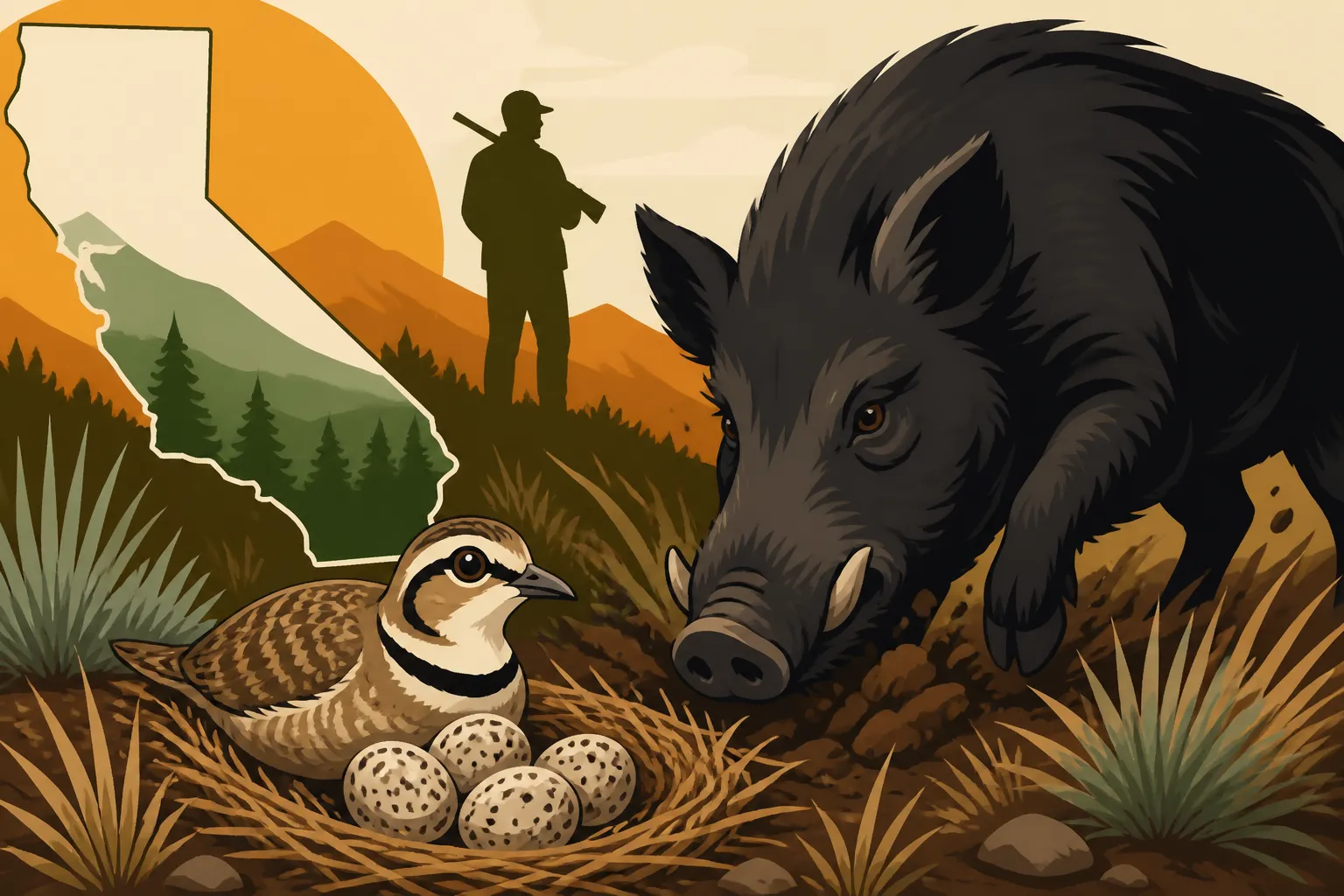
Wild pigs are infamous for their "rooting" behavior, where they use their powerful snouts to dig into the soil, searching for tubers, bulbs, fungi, and invertebrates. This might seem like a natural foraging activity, but in California's sensitive ecosystems, it's incredibly destructive. Imagine a hen turkey carefully concealing her nest among tall grasses or under a protective bush. A sounder of pigs moving through that same area, oblivious to the nest, can churn up acres of ground in a single night. They literally plow through the landscape, turning what was once prime nesting cover into a disturbed, barren patch of exposed soil.
This rooting directly destroys nests, scattering eggs, and making the area unsuitable for future nesting attempts. Beyond immediate destruction, the alteration of the soil structure and plant communities has long-term consequences. Native grasses and wildflowers, crucial for insect populations that chicks feed on, are replaced by weeds or left as bare earth. This ecological domino effect means even if a nest isn't directly rooted out, the subsequent lack of cover or food makes survival for the young much harder. Species like pheasants, which rely on dense cover for their nests, find their preferred habitats reduced or eliminated.
Direct Predation on Eggs and Chicks
While habitat destruction is a major concern, the most direct and devastating impact comes from wild pigs' opportunistic predation on eggs and chicks. Pigs are omnivores, meaning they'll eat just about anything, and a protein-rich meal of eggs or tender young birds is a welcome find. Their keen sense of smell, coupled with their constant foraging, makes them incredibly efficient at locating hidden nests. A hen may spend weeks meticulously building and incubating a clutch of eggs, only for a passing pig to sniff it out and devour the entire nest in minutes.
The vulnerability of ground nests is a key factor here. Unlike arboreal nesters, whose eggs are often high in trees, ground-nesting birds like ducks, quail, and turkeys place their nests directly on or near the ground. This makes them susceptible to a wide range of mammalian predators, and wild pigs are certainly among the most effective. Once a clutch is lost, the hen may re-nest, but each subsequent attempt drains her energy and reduces the likelihood of successful reproduction, especially as the season progresses. This constant pressure can significantly impact recruitment rates, meaning fewer young birds survive to adulthood, ultimately leading to declining populations.
Species at Risk: California's Vulnerable Ground-Nesters
California is home to a diverse array of ground-nesting birds, many of which are popular game species or vital components of local ecosystems. Unfortunately, their nesting strategies make them particularly susceptible to the widespread and growing menace of wild pigs. Understanding which species are most at risk helps us grasp the full scope of this ecological challenge.
Quail and Turkey Populations
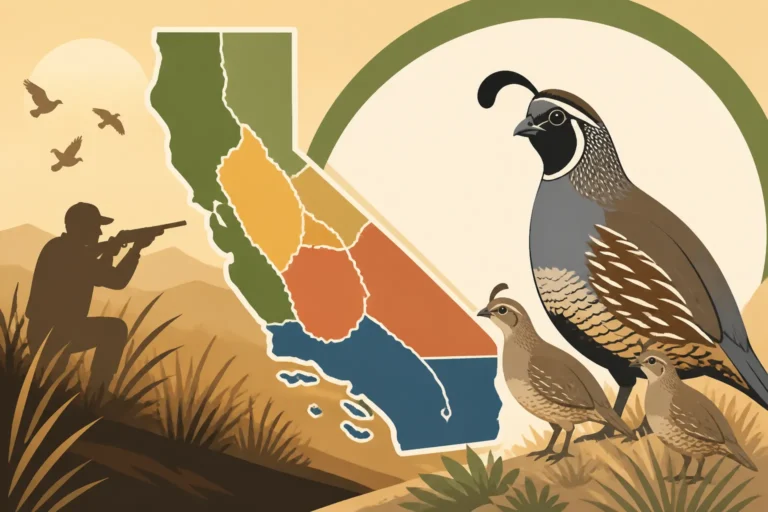
When we think of classic California ground-nesters, the California Valley Quail immediately comes to mind. These iconic birds, with their distinctive topknots and gregarious coveys, rely on dense shrubbery, tall grasses, and tangled vines for nesting cover. Their nests, often shallow depressions lined with grass, are notoriously hard to spot for humans but are relatively easy pickings for a foraging wild pig. A single sounder can devastate multiple quail nests in an afternoon, particularly in the prime Hunting Coastal Range Oak Woodlands habitat where both species thrive. The cumulative effect of this predation, year after year, puts immense pressure on local quail populations, impacting their ability to bounce back from other environmental stresses. If you look at California Valley Quail Population Trends, pig predation is definitely a factor in areas with high pig densities.
Similarly, our beloved Wild Turkeys, which were Introduced Wild Turkeys in California and have since spread across the state, are equally vulnerable. Turkey hens often select nesting sites in dense brush, under fallen logs, or at the base of trees, relying on camouflage and stillness to protect their clutches. A wild pig, with its keen sense of smell, can easily pinpoint these well-hidden nests. While turkeys are known to be persistent re-nesters, the energy expenditure and lost time can significantly reduce overall poult survival. For both quail and turkeys, the direct loss of eggs and chicks to pig predation represents a major impediment to population growth, especially in areas where pig numbers are not effectively managed.
Waterfowl and Upland Game Birds
The impact of wild pigs isn't limited to just upland game birds. Many species of waterfowl, particularly ducks and geese, also utilize ground nests, often along the edges of wetlands, ponds, or in flooded fields. A mallard hen might meticulously build her nest in a patch of cattails or dense grasses near a water source in the Central Valley. These nests, while seemingly secure, are easily found by pigs that frequent riparian areas for mud and water. The devastation can be widespread, especially during drought years when receding water lines concentrate nesting activities in smaller, more accessible areas.
Beyond ducks, other upland game birds, though perhaps less common than quail or turkeys, also suffer. Think of pheasants, which prefer nesting in dense cover like tall grasses and agricultural field edges. These are exactly the types of areas wild pigs love to root through, seeking out grubs and roots, and inevitably stumbling upon nests. The problem is compounded by the fact that pigs aren't just passing through; they often establish home ranges in these productive areas, returning repeatedly and maintaining constant pressure on nesting birds. It's a relentless threat that chips away at the reproductive success of a wide array of ground-nesting species, highlighting the critical need for effective pig management across varied California landscapes.
| Bird Species | Nesting Habitat | Vulnerability to Pig Predation | Primary Impact |
|---|---|---|---|
| California Valley Quail | Dense brush, grassy edges, chaparral | High | Direct predation on eggs/chicks, habitat loss |
| Wild Turkey | Dense undergrowth, forest floor, fallen logs | High | Direct predation on eggs/poults |
| Mallard/Pintail | Grassy wetland edges, dense vegetation near water | Moderate to High | Direct predation on eggs/ducklings, nest disturbance |
| Ring-necked Pheasant | Tall grasses, agricultural field edges | High | Direct predation on eggs/chicks, habitat rooting |
| Canada Goose | Islands, elevated hummocks near water | Moderate | Predation on eggs/goslings (less direct due to size) |
| Mountain Quail | Forest edges, dense undergrowth in higher elevations | Moderate | Direct predation on eggs/chicks |
Understanding the Wild Pig's Role in the Ecosystem
Wild pigs (often referred to as feral hogs or wild boar) are not native to California, and their presence is a stark reminder of the disruptive power of invasive species. What might seem like a natural part of the landscape to some hunters is actually an ecological catastrophe unfolding in slow motion, particularly for ground-nesting birds. Understanding their biology and behavior is crucial to appreciating the depth of their impact.
Invasive Nature and Rapid Proliferation
The story of How Wild Pigs Spread Across California is one of unintended consequences. Originally introduced by Spanish missionaries centuries ago and later supplemented by European wild boars for sport hunting, these animals found California's diverse habitats to be incredibly accommodating. With mild winters, abundant food sources, and a distinct lack of natural predators in many regions, wild pigs have thrived. Their adaptability is astonishing; they can survive in everything from coastal chaparral to oak woodlands, and even the fringes of agricultural zones.
What truly sets them apart, and amplifies their destructive power, is their rapid proliferation. Sows can breed year-round, often producing two litters of 4-8 piglets annually. These piglets reach sexual maturity incredibly fast, sometimes within six months. This means that a population can explode in a relatively short period, leading to staggering numbers. Estimates of How Many Wild Pigs Roam California vary, but the consensus is that they are widespread and numerous. This incredible reproductive capacity, coupled with their intelligence and resilience, makes them an incredibly challenging invasive species to manage. Every new pig born adds to the population pressure, exacerbating their impact on ground-nesting birds and other native wildlife.
The Cascading Effects on Biodiversity
The damage caused by wild pigs extends far beyond merely eating eggs or rooting up nests. Their presence initiates a series of cascading ecological effects that disrupt entire ecosystems. Their constant rooting activity leads to significant soil disturbance and erosion, particularly on steep hillsides or after heavy rains. This churns up the soil, compacting it in some areas while loosening it in others, altering its chemistry and promoting the spread of non-native plant species. These invasive plants often outcompete native vegetation, reducing the quality of forage and cover for native herbivores and pollinators.
Furthermore, pigs can impact water quality by wallowing in streams and ponds, increasing turbidity and introducing bacteria. They also compete directly with native wildlife, like deer and bear, for food resources such as acorns, fungi, and berries, especially during critical times of the year. This competition can put additional stress on native populations, making them more vulnerable. For ground-nesting birds, these broader ecosystem changes mean a reduction in suitable nesting habitat, a decline in insect populations that chicks rely on for food, and an overall degradation of the very environment they need to survive. It's a complex web of interactions where the presence of one invasive species creates ripple effects that touch almost every aspect of the local biodiversity.
Mitigation and Management Strategies for Hunters and Land Managers
Addressing the problem of wild pig predation on ground-nesting birds requires a multi-faceted approach. While land managers and conservationists work on large-scale strategies, hunters play a crucial and often underestimated role in controlling these destructive animals. It's about combining regulated hunting with smart habitat management to create a more resilient ecosystem.
Regulated Hunting as a Management Tool
One of the most effective tools for controlling wild pig populations in California is consistent, regulated hunting. Unlike many other game species, wild pigs have California's Year-Round Wild Pig Tag and no bag limit in most areas, recognizing the ecological damage they inflict. This allows hunters to pursue them throughout the year, preventing population explosions and providing ongoing pressure. Every pig harvested is one less pig rooting through a turkey nest or devouring a clutch of quail eggs. Wild Pig Hunting California Year-Round is not just a recreational pursuit; it's a vital conservation effort.
Hunters, with their passion for the outdoors and knowledge of animal behavior, are uniquely positioned to assist. Programs like GoHunt can provide invaluable resources, offering mapping tools and insights into public land access where wild pig populations might be high. Using a platform like GoHunt can help hunters find areas where their efforts can make a real difference in controlling pig numbers. Techniques such as Trapping a Sounder on Private Land can be highly effective, often removing multiple pigs at once, which is particularly impactful given their rapid breeding cycle. It's not about eradication, which is largely impractical, but about maintaining populations at levels that minimize their ecological footprint on vulnerable species like ground-nesting birds. Remember to check California Wild Pig Tag Costs and ensure you are legally compliant before heading out.
Habitat Restoration and Integrated Approaches
Beyond hunting, successful management involves proactive habitat restoration and integrated strategies. Land managers are increasingly implementing fencing around sensitive nesting areas or agricultural fields to exclude pigs, though this is often costly and not feasible on a large scale. Restoring native plant communities, which can provide better nesting cover and food sources for birds, also helps. These efforts can create more robust habitats that might offer some resilience against pig foraging.
Hunters can contribute to these efforts by becoming more involved in conservation initiatives and reporting pig sightings and damage to local wildlife agencies. Understanding pig movement patterns, perhaps by utilizing resources for Scouting California Public Land Before Season, can help target hunting efforts more effectively. For example, if you know pigs are consistently moving through a particular riparian corridor during nesting season, focusing hunting pressure there can have a magnified positive effect on ground-nesting bird success. Remember to Reporting a Pig Harvest Through ALDS helps wildlife agencies monitor populations and understand the impact of management efforts. The combined efforts of hunters reducing pig numbers and land managers restoring habitat offer the best hope for the long-term survival and flourishing of California’s beautiful and vulnerable ground-nesting birds.
Disclaimer
This article is for general informational purposes only and does not constitute professional advice. Laws, prices and regulations vary by location and change over time. Consult a qualified professional for guidance on your specific situation.