California River Otter Range
Navigating California's vast and diverse landscapes can sometimes make you wonder about the less-talked-about residents, especially those shy creatures that stick to the water. Many folks are curious if California still has thriving river otter populations and, if so, where exactly these elusive, playful mammals make their homes. This comprehensive guide will dive deep into the fascinating world of the California river otter, detailing their current range, preferred habitats, and what factors influence their presence across our beautiful state.
Understanding the California River Otter: More Than Just a Cute Face
When people think of otters in California, their minds often jump to the iconic sea otters lounging in kelp forests along the coast. But our state is also home to a robust population of river otters, a distinct species adapted to freshwater and estuarine environments. These are truly magnificent creatures, and understanding their place in the ecosystem starts with knowing who they are and where they've traditionally roamed.
Identifying the Species: Distinctive Features and Behavior
The North American river otter (Lontra canadensis) is a sleek, muscular mammal perfectly designed for an aquatic life. Unlike their marine cousins, river otters have a more streamlined body, a thick, tapered tail, and fully webbed feet, all adaptations that make them expert swimmers. They are typically dark brown, with a lighter, silvery throat and belly. Adults can weigh anywhere from 10 to 30 pounds and stretch up to four feet long, including their impressive tail. Their playful nature is legendary; you might see them sliding down muddy banks, chasing fish, or wrestling with siblings. This species is quite social, often living in family groups, and their presence is a strong indicator of a healthy aquatic environment. They're primarily carnivores, feasting on fish, crustaceans, frogs, and sometimes even small birds or mammals.
Historical Versus Current Range: A Story of Resilience
Historically, North American river otters were widespread across most of the continental United States and Canada, including nearly all of California wherever suitable freshwater habitats existed. However, like many wildlife species, their populations faced severe declines in the 19th and early 20th centuries due to extensive fur trapping, habitat destruction, and water pollution. It was a bleak period, and for a while, many wondered if they'd ever truly recover.
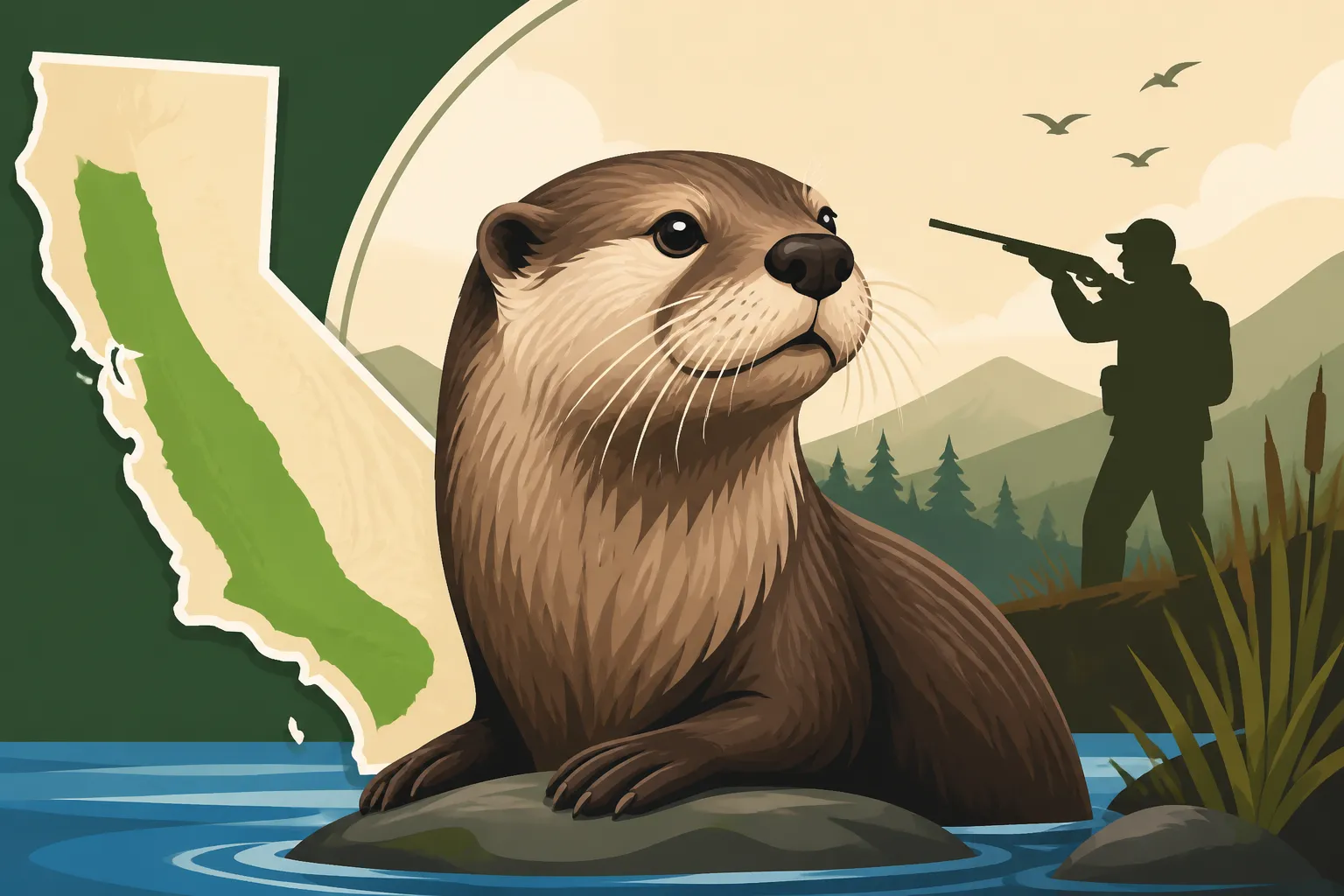
Thankfully, through conservation efforts, improved water quality regulations, and reduced trapping pressure, river otter populations have shown remarkable resilience and have been steadily rebounding. Today, their range in California is much stronger than it was a few decades ago, though still not as extensive as it was pre-European settlement. They are currently found throughout the northern and central parts of the state, particularly in the Sierra Nevada foothills, the vast Central Valley waterway systems, and along the northern coast. While less common, they are also spotted in pockets of Southern California where perennial water sources and suitable habitat persist. It’s a testament to nature's ability to bounce back when given a chance.
Key Habitats for California River Otters
River otters are highly adaptable, but they do have specific needs when it comes to habitat. They thrive in environments that offer a combination of abundant food, clean water, and secure denning sites. Understanding these key habitat types is crucial for appreciating their distribution across the state.
Freshwater River Systems: The Backbone of Their Existence
The intricate network of rivers and streams is, as their name suggests, the primary habitat for California river otters. These animals are often found along perennial rivers, large creeks, and their associated tributaries, particularly those with diverse riparian vegetation. This vegetation provides crucial cover from predators and creates stable banks for denning. Otters prefer slow-moving or moderately flowing sections of rivers, often near oxbows, backwaters, or logjams where fish and other prey concentrate.
Consider the sprawling Sacramento and San Joaquin River systems that snake through the Central Valley. These vital arteries, along with their numerous sloughs and canals, provide extensive habitat. Hunters scouting these areas for waterfowl, perhaps using mapping tools like GoHunt to identify wetlands and waterways, might inadvertently stumble upon signs of otter activity. The deep pools, undercut banks, and fallen trees in these riverine environments offer perfect spots for otters to establish their "holts" – their dens – often in abandoned beaver lodges, hollow logs, or rock crevices. The health of these river systems is directly linked to the success of otter populations. You might find otters quite at home in places where you also find Hunting California's Central Valley Flyway.
Coastal Estuaries and Marshes: Where Fresh Meets Salt
While primarily freshwater dwellers, river otters are quite tolerant of brackish water and often venture into coastal estuaries, salt marshes, and even sheltered bays where freshwater runoff mingles with the ocean. These transitional zones are incredibly rich in biodiversity, providing a diverse food source from both freshwater and marine origins, such as estuarine fish, crabs, and clams. The maze of channels, mudflats, and marsh vegetation offers excellent hunting grounds and secure cover.
Think about the extensive estuarine systems along the North Coast, such as those found around Humboldt Bay or the lower reaches of rivers flowing into the Pacific. These areas represent critical habitat, especially for female otters raising pups, as the abundant food and protective cover can be invaluable. Even in some areas along the Central Coast, where development pressure is higher, small pockets of suitable estuarine habitat might still host otters. This ability to utilize both freshwater and brackish environments expands their potential range significantly, making them more resilient to localized disruptions in purely freshwater systems.
Lakes and Reservoirs: Often Overlooked Habitats
Beyond rivers and estuaries, California's numerous lakes and reservoirs also provide essential habitat for river otters. From the large impoundments in the Sierra Nevada foothills to smaller, natural lakes, these bodies of water can support healthy otter populations, particularly if they have well-vegetated shorelines, rocky outcrops, and a good supply of fish. Many of the state's national forests contain such bodies of water. Hunters planning trips into areas like Hunting California's Los Padres National Forest or Hunting Northern California's Coast Range and using a mapping application to discern water features might identify potential otter hangouts, even if their primary target is deer.
Otters in these lake environments often use secluded coves and inlets for hunting and raising their young. They are opportunistic and will follow prey, so a lake rich in fish, crayfish, and other aquatic life will naturally attract them. While the open water of very large lakes might seem less ideal, the presence of islands, submerged structures, or extensive littoral zones (the shallow areas near the shore) can make them highly suitable. They might even be spotted in quieter sections of urban-adjacent reservoirs, demonstrating their surprising ability to adapt to environments near human activity, provided water quality and food sources are adequate.
Here's a quick look at ideal river otter habitats:
| Habitat Type | Key Features | Common Prey | Examples in CA |
|---|---|---|---|
| Freshwater River Systems | Perennial flow, riparian cover, undercut banks | Fish, crayfish, frogs | Sacramento River, Feather River, American River |
| Coastal Estuaries/Marshes | Brackish water, mudflats, marsh vegetation | Estuarine fish, crabs | Humboldt Bay, San Francisco Bay Delta, Morro Bay |
| Lakes and Reservoirs | Vegetated shorelines, rocky coves, fish biomass | Fish, amphibians, insects | Shasta Lake, Folsom Lake, many Sierra Nevada lakes |
Factors Affecting Their Range and Conservation
While river otters are making a comeback in California, their continued presence and expansion depend on several critical factors. Understanding these influences is key to supporting their long-term conservation.
Water Quality and Food Availability: The Primary Drivers
The single most important factor determining where river otters can thrive is the quality and abundance of their aquatic environment. Otters are at the top of their aquatic food chain, which means they are highly sensitive to pollution. Contaminants like pesticides, heavy metals, and industrial runoff accumulate in the fish and crustaceans they eat, eventually harming the otters themselves. Clean water isn't just a nicety for otters; it's a matter of survival. When the water is pristine, the fish populations flourish, providing the rich diet otters need to sustain themselves and their young.
Conversely, poor water quality directly impacts the health and number of their prey species, forcing otters to expend more energy searching for food or even abandon a habitat altogether. Drought conditions, a frequent concern in California, also play a significant role. Lower water levels can concentrate pollutants, reduce available habitat, and decrease prey populations, putting stress on otter communities. Monitoring and improving water quality in California's waterways, including through initiatives that track California Wildlife Disease Monitoring Program, are therefore paramount to the health of the river otter population.
Habitat Loss and Fragmentation: Human Development Impacts
Despite their adaptability, river otters face constant pressure from habitat loss and fragmentation due to human development. Urbanization, agricultural expansion, and infrastructure projects like roads and dams can directly destroy or isolate suitable otter habitats. When a riparian corridor is cleared for development or a stream is culverted, otters lose critical foraging grounds, denning sites, and travel routes.
Habitat fragmentation is particularly problematic. Even if patches of suitable habitat remain, if they are disconnected by barriers like busy highways or large expanses of inhospitable terrain, otters struggle to disperse, find mates, and maintain genetic diversity. A hunter might use a mapping application like GoHunt or similar tools to help Scouting California Public Land Before Season and identify these exact pinch points or isolated green spaces where otters might be restricted. Understanding these barriers helps conservationists prioritize efforts to create wildlife crossings or restore degraded corridors, ensuring otters can move freely and expand their range naturally.
Road Mortality and Disease: Other Significant Threats
Beyond water quality and habitat loss, river otters face other threats that can impact their local populations. Road mortality is a surprisingly common issue, especially in areas where waterways cross busy roads. Otters often travel overland between bodies of water or to new foraging grounds, and unfortunately, these crossings can be fatal. This is particularly true in fragmented landscapes where they are forced to traverse greater distances over land.
Diseases, though often harder to track, also pose a threat. As mentioned earlier, contaminants in their diet can weaken their immune systems, making them more susceptible to various pathogens. Additionally, diseases like distemper, parvovirus, and even rabies can affect otter populations, especially in denser groups. While less direct than habitat destruction, these factors contribute to population declines and can hinder the recovery and expansion of their range in California. Understanding how wildlife interacts with human infrastructure and planning for safe passage is an ongoing challenge for conservation efforts.
Where to Spot California River Otters Responsibly
For those hoping to catch a glimpse of these charming creatures, knowing where and how to look can make all the difference. Remember, the goal is always responsible wildlife viewing that minimizes disturbance to the animals and their habitat.
Signs of Otter Presence: What to Look For
Spotting an actual otter can be challenging due to their elusive nature, but their presence often leaves tell-tale signs. One of the most common indicators is their scat, which often contains fish scales, bones, or crayfish exoskeletons and has a distinct musky odor. Otters also create "slides" – muddy or snowy banks where they slide into the water for fun, often leaving a smooth, worn path. These slides are particularly common near feeding areas or den sites.
Look for tracks along muddy riverbanks or sandbars; their five-toed, webbed footprints are distinct, and you might even see the drag mark of their tail between the prints. You might also find their "spraint" sites, which are communal latrines usually on prominent rocks, logs, or sandbars, used to communicate with other otters. Finally, listen for their unique vocalizations – chirps, growls, and whistles, especially during dawn or dusk when they are most active. Learning to recognize these signs can greatly increase your chances of knowing where otters are present, even if you don't see one in person. Hunters using tools to help Reading California Mud for Fresh Deer Movement might well spot otter signs too.
Best Regions for Observation: Where to Focus Your Search
While river otters can be found throughout many parts of California, certain regions offer a higher probability of sightings due to their abundant suitable habitat and healthier populations. The Central Valley's vast network of rivers, sloughs, and wildlife areas is a prime location. Places like the Sacramento River Delta, the American River Parkway, and many of the state wildlife areas and ecological reserves can be productive. Exploring areas mentioned in California Wildlife Areas and Ecological Reserves would be a good starting point.
The North Coast rivers and estuaries, particularly in counties like Humboldt and Mendocino, also host strong otter populations. Here, the combination of redwood forests, clear rivers, and productive estuaries creates an ideal environment. Similarly, the Sierra Nevada foothills offer many rivers and reservoirs where otters thrive, especially in areas with less human disturbance. When you're using mapping software like GoHunt to explore public access points or look at topographical features, focus on areas with consistent water flow, dense riparian zones, and minimal human intrusion. Don't forget to leverage tools for Reading Aerial Photos for Sierra Deer to get a bird's-eye view of potential water sources and cover.
Responsible Wildlife Viewing: Respecting Their Space
When you're lucky enough to spot a river otter, remember that your actions can impact their behavior and well-being. Always observe from a respectful distance, using binoculars or a spotting scope to get a closer look without disturbing them. Avoid making sudden movements or loud noises that might startle them. If an otter changes its behavior due to your presence – for example, if it stops feeding, alters its direction, or shows signs of agitation – you are too close.
Never attempt to feed wild otters. Feeding wild animals can habituate them to humans, leading to dependence on artificial food sources and potentially aggressive behaviors. Pack out all trash, and leave no trace of your visit. By practicing responsible wildlife viewing, you ensure that these incredible animals can continue to thrive in their natural habitats, offering future generations the chance to witness their playful antics and vital role in California's aquatic ecosystems.
Disclaimer
This article is for general informational purposes only and does not constitute professional advice. Laws, prices and regulations vary by location and change over time. Consult a qualified professional for guidance on your specific situation.