Why Wild Quail Faded From Urban California
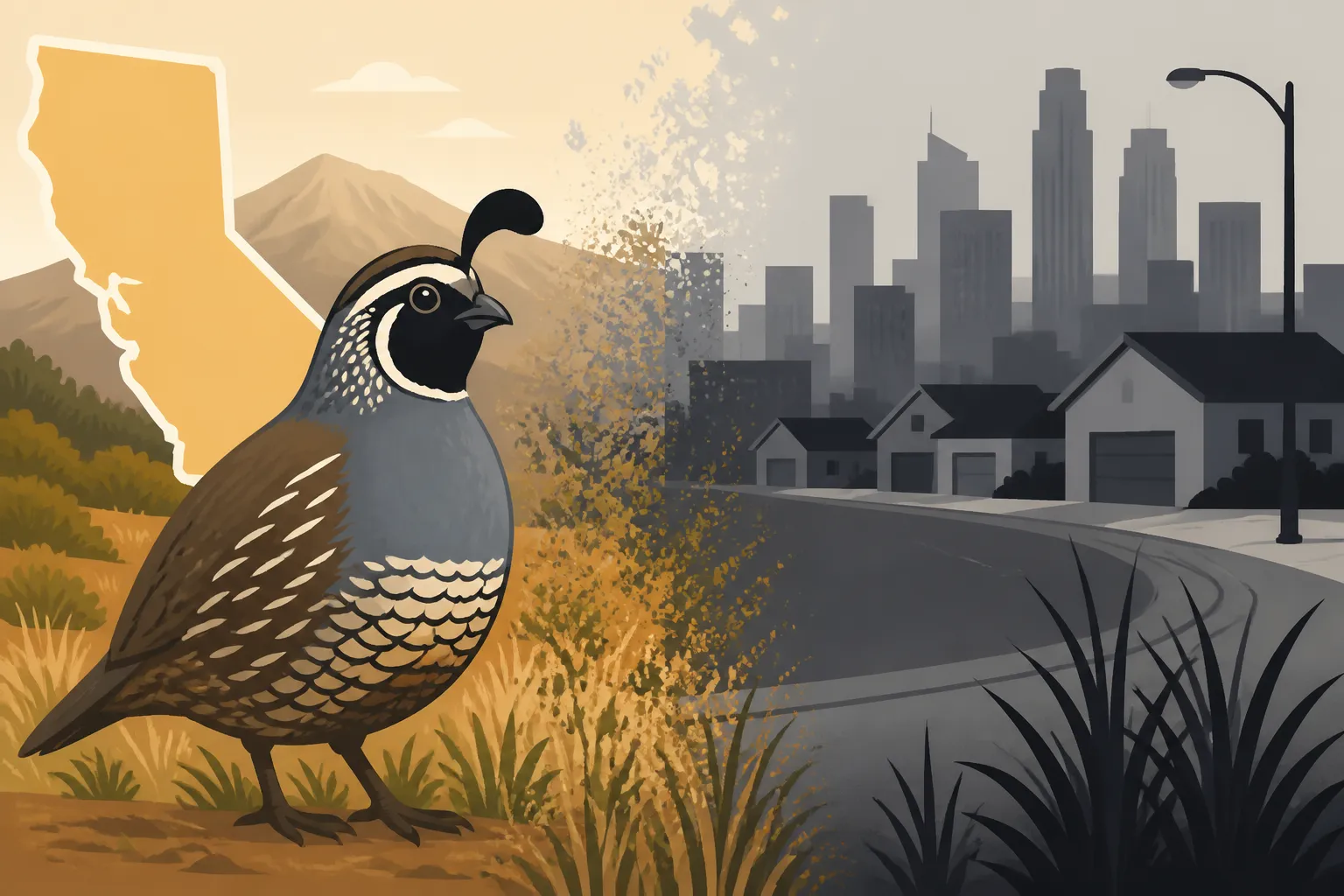
It's a bittersweet memory for many of us who grew up in California: the sight and sound of a covey of wild quail bustling through a suburban backyard or a vacant lot. Their cheerful "Chi-ca-go!" call was once a soundtrack to life in many of our towns and cities. But today, if you live in an urban or even semi-urban area, those wild quail have likely become a distant memory. This guide will explore the complex reasons behind this heartbreaking decline, from the concrete sprawl that swallowed their homes to the changing dynamics of predator populations.
The Golden State's Iconic Bird: A Brief History of California Quail in Urban Settings
There was a time, not so long ago, when California quail weren't just found in remote chaparral or vast oak woodlands. They were an integral part of the natural fabric woven through many of our communities. It wasn't uncommon for a child growing up in the Central Valley or the foothills of Southern California to encounter these spirited birds right outside their window.
Quail as a Common Sight in Yesteryear
Think back to old photographs or even family stories from a few decades ago. You’d hear tales of quail coveys, sometimes dozens strong, strutting along the fence lines of burgeoning subdivisions. They'd dart across quiet streets, disappear into dense rose bushes, or scratch for seeds under a mature oak tree in someone’s front yard. They were a common, vibrant part of the local wildlife, offering a glimpse into the wildness that still clung to the edges of human expansion. These birds were remarkably resilient and adaptable, able to utilize pockets of natural habitat that still existed amidst the early stages of development. Their presence was a testament to the rich biodiversity that once thrived in even moderately developed areas.
Many residents, even those who weren't hunters, cherished seeing these plump, distinctively-plumed birds. They represented a connection to nature, a small piece of the wild that still thrived despite growing neighborhoods. They nested in overgrown ditches, foraged in fallow fields that eventually became shopping centers, and found refuge in the creek beds that bisected what would soon become housing tracts. This period was a unique blend of nature and nurture, where quail and humans coexisted in a way that feels almost impossible today.
What Habitat They Loved in the Urban Fringe
California quail aren't particularly fussy about what kind of cover they have, as long as it's dense and abundant. In those early urban fringe areas, they thrived where there was a mosaic of dense, shrubby vegetation for protection, open areas for feeding, and reliable water sources. This often included riparian corridors along creeks, the edges of agricultural fields, and undeveloped lots choked with native scrub and weeds. They needed that thick stuff—blackberry brambles, coyote brush, wild rose—to escape from aerial predators like hawks and terrestrial threats like foxes.
These transitional zones, where wildland met suburbia, provided everything a quail covey needed. The thickets offered safe roosting spots at night and quick escape routes during the day. The nearby open ground, whether it was a grazed pasture or a roadside shoulder, provided a bounty of seeds, fallen berries, and insects for foraging. Water, often in the form of natural springs, seeps, or simply dew on vegetation, completed the picture. They were creatures of the edge, perfectly adapted to exploiting the diverse resources found where different habitat types converged. When you look at an aerial photo from decades past using tools like GoHunt, you can often see these patchwork landscapes that were ideal for quail, a stark contrast to the continuous concrete we see now.
The Relentless March of Urban Development
The primary culprit in the disappearance of wild quail from our urban landscapes is, without a doubt, the ceaseless expansion of human development. California's population boom meant more houses, more roads, more schools, and more businesses, all of which came at the direct expense of natural habitat.
Concrete Jungles and Paved Paradises: Habitat Destruction
Imagine the rolling oak woodlands of the Sierra foothills, or the vast expanses of chaparral that once dominated coastal Southern California. These were prime quail habitat. Now, visualize those same landscapes crisscrossed by freeways, covered by tract homes, and dotted with strip malls. That's the story of much of urban California. Every new development, every paved parking lot, every manicured lawn, chipped away at the complex ecosystem that supported quail.
The construction process itself is devastating. Clearing native vegetation to grade a lot removes not only the food sources but also the crucial escape cover and nesting sites. It replaces a diverse, interlocking web of plants with non-native, often sterile, landscaping that offers little to no value for native wildlife. What were once robust riparian corridors, vital for water and cover, became channelized concrete flood controls. Open fields, once teeming with insects and seeds, became golf courses or agricultural monocultures offering temporary or inconsistent food. This fragmentation of habitat isolates remaining quail populations, making them less viable in the long term. A small covey might survive in a park for a while, but without larger connected areas, their numbers are doomed to dwindle.
The Silent Killers: Pesticides and Water Contamination
Even in areas where some green space remains, the very nature of urban living often makes it hostile to quail. Pesticides, herbicides, and other chemicals used to maintain pristine lawns, gardens, and agricultural fields seep into the environment. Quail, particularly chicks, rely heavily on insects as a protein source for growth. When these insect populations are decimated by widespread pesticide use, the quail's food chain is broken. What remains may be contaminated, leading to direct poisoning or reproductive issues.
Water contamination is another insidious threat. Runoff from roads, industrial areas, and residential neighborhoods carries a cocktail of pollutants into streams and wetlands, poisoning the very water sources quail need to survive. Even if a covey finds a small patch of safe cover, if their food and water are poisoned, their chances of survival are slim. The invisible threats can be just as deadly, if not more so, than the bulldozers. Hunters who use tools like GoHunt to find healthy, remote quail populations often see how pristine habitat correlates directly with the absence of these urban pollutants.
Increased Predation and Human-Wildlife Conflict
While habitat loss is the undisputed heavyweight champion of quail decline in urban areas, increased predation plays a significant supporting role, often exacerbated by human presence. It's a cruel irony that as we push wildlife into smaller spaces, we inadvertently create a buffet for their natural and unnatural predators.
Feral Cats, Coyotes, and Raccoons: A New Urban Threat
Our urban and suburban environments are magnets for a certain type of predator: those that are highly adaptable and benefit from human waste and shelter. Feral and free-roaming domestic cats are perhaps the most devastating. These efficient hunters, often well-fed at home but still driven by instinct, decimate ground-nesting birds like quail. Their presence, often in large numbers, puts immense pressure on quail populations that have nowhere left to hide. A single cat can wipe out an entire brood of chicks.
Then there are the urbanized wild predators. Coyotes, once primarily creatures of the open wild, have become incredibly adept at living alongside humans, raiding trash cans and preying on pets. While natural predators, their populations in concentrated urban fragments can be disproportionately high relative to available quail. Raccoons and opossums, also highly adaptable scavengers, are notorious for raiding nests, eating eggs and young chicks. Where once quail could disperse and find safety in vast landscapes, they are now trapped in shrinking islands of habitat, facing a gauntlet of predators, many of whom thrive on human-generated resources. This dynamic is a tough pill to swallow for anyone hoping to see California Valley Quail Population Trends turn around in populated areas.
The Double-Edged Sword: Human "Help" and Disturbance
Humans, often with the best intentions, can also inadvertently contribute to the problem. People leaving out birdseed or other food for "wildlife" might seem helpful, but it can concentrate quail into easily exploitable areas for predators. This also makes them accustomed to humans, reducing their natural wariness, which is a key survival instinct. Imagine a covey that learns to feed in a predictable spot – they become an easy target.
Furthermore, increased human recreation in remaining green spaces can be disruptive. Off-leash dogs, even well-behaved ones, can flush nesting hens or separate chicks from their mothers. Constant foot traffic, noise from trails, and general human presence can stress quail, forcing them to expend valuable energy avoiding people rather than foraging or nesting. It's a delicate balance; while we want to enjoy nature, our presence can sometimes push vulnerable species past their breaking point. Even in designated California Wildlife Areas and Ecological Reserves, rules are put in place to minimize this type of human disturbance.
Efforts and Hopes for Quail Recovery in a Changing Landscape
While the outlook for widespread quail populations returning to heavily urbanized cores might seem bleak, there are tangible steps we can take, and indeed, many communities are already taking, to help these iconic birds. It’s about understanding their needs and consciously creating spaces that cater to them, even on a small scale.
Habitat Restoration and "Quail-Friendly" Landscaping
The most impactful thing we can do is restore and create suitable habitat. This often means a shift away from traditional, resource-intensive landscaping (like expansive, chemically-treated lawns) towards native, drought-tolerant, and wildlife-friendly alternatives. Planting native shrubs like California lilac (Ceanothus), manzanita, and various sage species provides essential dense cover and food sources. Creating brush piles from garden trimmings offers immediate, vital shelter. Even a small patch of native grasses and wildflowers can provide insects and seeds.
Community-led initiatives are vital. Neighborhoods can work together to create small "wildlife corridors" by coordinating native plantings across multiple yards or along public greenbelts. Restoring riparian areas along urban creeks, removing invasive species, and replanting with native vegetation can transform these linear features into vital sanctuaries and travel routes for quail and other wildlife. Organizations dedicated to California Quail Habitat Restoration Efforts provide excellent resources and guidance for these projects. It’s about building a patchwork quilt of hospitable areas, even if they are smaller than the vast expanses our grandparents knew.
The Role of Responsible Pet Ownership and Community Awareness
Beyond habitat, responsible human behavior is crucial. This means a serious commitment to managing domestic animals. Spaying and neutering feral cat populations, and educating pet owners about keeping their cats indoors or supervised, can significantly reduce predation pressure. Similarly, keeping dogs on leashes in areas where wildlife might be present, especially during nesting seasons, prevents accidental disturbance or harm. For those who hunt or simply enjoy observing wildlife, understanding the natural history of species like quail, which tools like GoHunt can aid with by showing existing habitat, helps inform how we interact with them.
Community awareness campaigns can foster a sense of stewardship. When residents understand why quail are disappearing and what they can do to help, they become part of the solution. This could involve promoting non-toxic pest control, educating about the dangers of feeding wildlife, and encouraging participation in local habitat restoration projects. While we may never see quail coveys as ubiquitous as they once were in downtown Sacramento or Los Angeles, by embracing these practices, we can still ensure that their distinctive call echoes in more corners of our communities than it does today. It’s a challenge, but one that many Californians are passionate about tackling.
Conclusion: A Future for Quail in California's Urban Edges
The reasons wild quail have faded from urban California are multifaceted, a complex interplay of relentless habitat destruction, the unseen dangers of pollution, and the pressures of increased predation, often ironically compounded by human presence. The nostalgia for those bustling coveys in our backyards is real, and it serves as a powerful reminder of what we've lost.
However, the story doesn't have to end with complete disappearance. By understanding these challenges, we empower ourselves to make a difference. From cultivating quail-friendly landscaping in our own yards to advocating for larger habitat restoration projects and practicing responsible pet ownership, we can create vital pockets of refuge. These efforts, even on a small scale, can offer these resilient and beloved birds a fighting chance to thrive on the edges of our expanding human footprint, ensuring that future generations might also know the joy of hearing the cheerful "Chi-ca-go!" of a wild quail. For hunters, understanding these factors helps appreciate the pristine Quail Hunting California Foothill Chaparral that still exists, and underscores the importance of conservation for all.
| Factor | Impact on Urban Quail Populations | How It Differs from Rural Quail Habitat |
|---|---|---|
| Habitat Loss | Direct removal of nesting, foraging, and cover | Rural areas have vast, contiguous habitat |
| Habitat Fragmentation | Isolated pockets, no safe movement corridors | Connected landscapes in rural areas |
| Pesticide/Herbicide Use | Reduced insect food source, direct poisoning | Minimal in remote rural areas |
| Water Contamination | Polluted water sources, impact on food chain | Cleaner, more abundant natural water in rural |
| Feral & Domestic Animal Predation | High density of cats/dogs, concentrated pressure | Fewer domestic predators, wider dispersal in rural |
| Urban Predator Concentration | Coyotes, raccoons adapt to urban food sources | Predators more spread out, less concentrated |
| Human Disturbance | Noise, foot traffic, off-leash pets stress birds | Lower human presence, less stress |
| Food Source Availability | Non-native plants, limited insects, trash reliance | Abundant native seeds, insects, berries |
Disclaimer
This article is for general informational purposes only and does not constitute professional advice. Laws, prices and regulations vary by location and change over time. Consult a qualified professional for guidance on your specific situation.