California Elk Hunt Success Rates by Species
Hunting for elk in California is often seen as the pinnacle of big game pursuits, a dream for many, but the reality can feel shrouded in mystery, especially when it comes to understanding your chances of success. It's tough to get a clear picture of what to expect when you finally draw one of those coveted tags, given how diverse our state's elk populations are and how limited the opportunities can feel. This guide aims to pull back that curtain, offering a realistic look at the hunt success rates for California's three distinct elk species – Tule, Roosevelt, and Rocky Mountain – and delving into the factors that truly influence whether you fill your freezer or not.
Understanding California's Elk Hunting Landscape
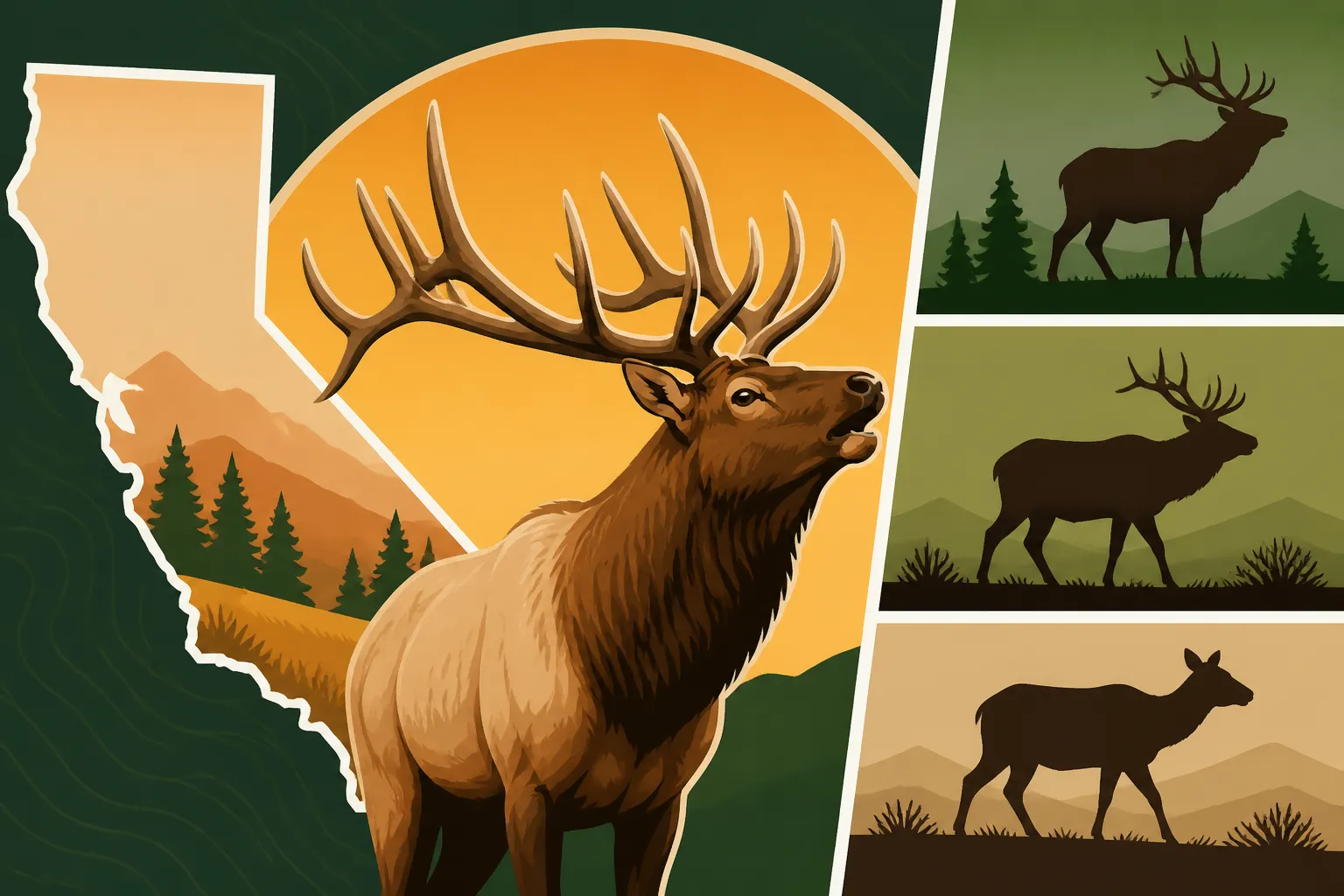
California is a unique state for elk hunters, home to three distinct subspecies: the native Tule elk, the majestic Roosevelt elk, and the impressive Rocky Mountain elk. Each offers a different hunting experience, from the open grasslands of the Central Valley to the dense timber of the Redwood Coast, and each comes with its own set of challenges and, consequently, varying success rates. The sheer exclusivity of elk tags in California means that even getting a chance to hunt is a victory in itself, making every hunter curious about the odds once that tag is in hand.
The Rarity of an Elk Tag
Let's be honest, just drawing an elk tag in California feels like winning the lottery, and for most hunters, it's a once-in-a-lifetime opportunity. The California Department of Fish and Wildlife (CDFW) meticulously manages these populations, issuing a very limited number of tags each year across various hunt units. This scarcity drives up the draw odds significantly, with many units boasting single-digit or even sub-one-percent chances of success in the annual Big Game Drawing. This isn't like deer hunting where over-the-counter tags are available in many D-zones; for elk, it's almost entirely a draw-only affair. California Elk Application Deadline is a critical date to remember, but even then, the odds are stacked.
The low tag numbers are a direct result of conservation efforts and population management for species that have faced significant challenges in the past. It’s a testament to the success of these programs that we even have huntable populations of all three species today. Because so few tags are issued, the pressure on each hunter who draws one is immense, both to make the most of the opportunity and to understand the unique challenges of their specific hunt.
Species-Specific Challenges and Habitats
Each elk species thrives in a particular kind of California habitat, which naturally dictates the type of hunt you'll experience and the skills you'll need. Tule elk, for instance, are often found in more open, agricultural, or grassland areas, making them potentially more visible but sometimes harder to approach without spooking. Roosevelt elk prefer the dense, wet forests of the northwest, where visibility can be incredibly limited, favoring still-hunting and tracking skills. Rocky Mountain elk, typically found in the northeastern part of the state, often inhabit diverse terrain, from open timber to broken sagebrush, presenting a mix of challenges.
Understanding these habitat differences is crucial not just for scouting but also for setting realistic expectations about success. Hunting in dense timber for a Roosevelt bull is a vastly different endeavor than spot-and-stalk hunting for a Tule bull across a vast plain. These environmental factors play a huge role in the actual success rates, which often reflect the difficulty of the terrain and the elusiveness of the animals in their specific homes. Tools like GoHunt can be immensely helpful in visualizing these diverse habitats and understanding unit boundaries before you even apply.
Tule Elk: A Story of Recovery and Limited Opportunity
The Tule elk is truly a California success story, a subspecies brought back from the brink of extinction. Today, healthy herds roam various parts of the state, offering limited but highly sought-after hunting opportunities. Their recovery has been nothing short of miraculous, and hunting plays a critical role in their ongoing management. Tule Elk Population Recovery From Near-Extinction is a testament to dedicated conservation efforts.
Tule Elk Hunt Success Rates
When we talk about Tule elk hunt success rates, we're generally looking at figures that are quite variable depending on the specific hunt unit and the type of tag (bull or antlerless). However, it's fair to say that success rates for Tule elk hunts are often higher than for other elk species in California, primarily because many hunts occur on accessible public lands or private ranches where elk movements might be more predictable, or where specific management efforts focus on harvest.
It's not uncommon to see Tule elk hunt success rates ranging from roughly 20% to over 50% in certain units, particularly for antlerless tags, and sometimes even higher for bull tags in specific, well-managed areas. These higher percentages, compared to other elk, reflect a few key factors: Tule elk often inhabit more open country, making glassing and locating herds somewhat easier. Many hunts take place on private lands or wildlife areas where animals may be more concentrated or less pressured. Still, getting one of these tags is incredibly difficult. Applying for a California Tule Elk Tag in the Big Game Drawing reveals just how competitive these hunts are.
Factors Influencing Tule Elk Success
Even with comparatively higher success rates, a Tule elk hunt is far from a guarantee. Several factors contribute to a hunter's ultimate success:
- Access and Unit Familiarity: Some Tule elk hunts occur on public land with relatively easy access, while others are on private land with specific access protocols. Being familiar with your unit, whether through pre-season scouting or by leveraging resources like GoHunt to analyze historical harvest data and land ownership, is paramount. Knowing the terrain, water sources, and typical elk patterns for your specific hunt unit can make all the difference.
- Weather Conditions: Like any hunting, weather plays a huge role. Extreme heat can make elk nocturnal, while cooler, overcast days might bring them out to feed more actively. Rain can soften the ground for tracking but also make roads impassable. Being prepared for varying conditions and adapting your strategy is key.
- Physical Conditioning: While Tule elk hunts may not always involve the grueling mountain climbs of a high-country mule deer hunt, covering ground in open, often brushy terrain, especially under warm conditions, requires good physical fitness. You might be walking for miles across plains or through marshes to get to a herd.
- Shooting Proficiency: Tule elk, especially mature bulls, are large, tough animals. Ethical shot placement with appropriate, non-lead ammunition is critical. Many shots might be at longer ranges in open country, so practicing your long-range shooting skills beforehand is highly advisable. Choosing Non-Lead Rifle Ammunition in California is a must-read for any elk hunter.
Roosevelt Elk: The Coastal Giants and Their Success Metrics
Roosevelt elk are the monarchs of California's dense, damp redwood and coastal forests, primarily found in the northwestern part of the state. These magnificent animals thrive in environments that challenge even the most seasoned hunter. Their habitat is vastly different from that of the Tule elk, demanding a completely different approach to hunting. Roosevelt Elk Population in Redwood Country highlights the specific challenges and successes of their conservation in these unique environments.
Roosevelt Elk Hunt Success Rates
Hunting Roosevelt elk often presents the lowest success rates among California's three elk species. This isn't due to a lack of elk, but rather the incredibly challenging habitat they call home. Think thick timber, dense undergrowth, frequent fog, and steep, wet terrain. These conditions make spotting elk incredibly difficult, reducing shot opportunities and increasing the chances of an undetected animal slipping away.
Typical success rates for Roosevelt elk hunts in California can often be in the range of 5% to 20%, though some specific units or seasons might see slightly higher or lower figures. Bull tags, being the most coveted, generally have lower success rates than antlerless tags, simply because bulls are often more reclusive and harder to locate in the dense cover. This low success rate reflects the true wilderness experience these hunts offer; it's a grind, and success is hard-earned. When considering Applying for a Roosevelt Elk Tag in the Northwest, understand that it's a demanding hunt.
Strategies for Roosevelt Elk Success
Given the tough odds, maximizing your chances on a Roosevelt elk hunt requires specific strategies and a significant commitment:
- Still-Hunting and Tracking: Unlike open-country hunts, glassing is often unproductive in thick timber. Success hinges on slow, methodical still-hunting, focusing on fresh tracks, rubs, and wallows. Learning to read subtle sign and moving quietly through the forest are paramount. You’ll need to cover ground slowly and methodically, often on very steep slopes.
- Calling: Roosevelt elk are vocal animals, especially during the rut, which often coincides with specific hunting seasons. Mastering various elk calls – bugles, cow calls, and chuckles – can be a game-changer. Calling can help locate animals, draw them closer, or stop a moving bull. However, aggressive calling can also spook wary animals, so knowing when and how to use calls effectively is an art. Calling a Bull Elk in September is an essential skill to hone.
- Physical and Mental Toughness: Hunting Roosevelt elk means operating in physically demanding conditions, often far from roads, and frequently in rain or fog. The mental fortitude to keep pushing through dense brush, steep climbs, and potentially long periods without seeing an animal is critical. Your gear, especially Boots and Clothing for California's Varied Terrain, needs to be top-notch for these wet, rugged environments.
- Patience and Persistence: Opportunities might be few and far between. It takes immense patience to wait for the right moment and persistence to cover countless miles of challenging terrain. Every small sign, every distant bugle, needs to be investigated thoroughly.
Rocky Mountain Elk: High Country Challenges and Rewards
California's Rocky Mountain elk herds are found predominantly in the northeastern corner of the state, often inhabiting higher elevation forests, mountain meadows, and broken sagebrush country near the Oregon border. These elk are part of a broader western population, and while fewer in number than the Tule elk, they offer an exciting, high-country hunting experience reminiscent of hunts in other western states. Rocky Mountain Elk Population Near Oregon provides more context on where these herds roam.
Rocky Mountain Elk Hunt Success Rates
Rocky Mountain elk hunts in California fall somewhere in between Tule and Roosevelt elk in terms of success rates. They're generally more challenging than Tule elk hunts due to the more rugged and expansive terrain, but potentially more open than the dense Roosevelt elk habitat. Success rates for Rocky Mountain elk often range from 15% to 30%, again with variability depending on the specific unit, tag type (bull vs. antlerless), and yearly conditions.
These hunts often require covering significant ground in mountainous terrain, demanding excellent glassing skills and the ability to navigate large, often wild landscapes. The success rates reflect the need for diligent scouting, physical endurance, and proficient hunting skills to locate and harvest these animals in their vast habitats. If you're considering Applying for a Rocky Mountain Elk Tag Near Oregon, prepare for a true mountain hunt.
Key Factors for Rocky Mountain Elk Success
Hunting Rocky Mountain elk demands a combination of skills, blending aspects of both open-country and timber hunting:
- Glassing Large Landscapes: Rocky Mountain elk often use large, open basins and timbered slopes. High-quality optics, including powerful binoculars and spotting scopes, are essential for systematically picking apart distant terrain to locate feeding or bedded elk. Taking the time to glass effectively from strategic vantage points can save you miles of walking. Optics for California's Open-Country Deer Hunting can offer valuable insights.
- Backcountry Preparedness: Many Rocky Mountain elk hunts take place in remote, high-elevation areas. This means being prepared for rapidly changing weather, carrying all necessary gear for multi-day excursions, and having strong backcountry navigation skills. Packs and Gear for a Backcountry Elk Hunt will be your lifeline in these environments. Using a mapping application like the one offered by GoHunt with offline maps is critical for navigating without cell service.
- Understanding Elk Movement Patterns: Rocky Mountain elk often have seasonal migration patterns, moving between summer and winter ranges. Understanding these movements, and how hunting pressure might influence them, is key. They might use specific drainages, saddles, or timber pockets for cover and travel.
- Effective Calling and Stalking: While glassing helps locate, getting within range often requires careful stalking or calling. Elk in these areas can be very callable, but also very wary. Knowing how to close the distance undetected and set up for a shot is crucial. The terrain can offer great cover for stalking, but also present challenges with wind and thermals.
Comparing California Elk Hunt Success Rates
To give you a clearer picture, here's a general overview of the characteristics and typical success rate ranges for California's elk species. Remember, these are averages and actual figures vary year by year, unit by unit. Always consult the latest CDFW harvest reports for specific data on your target unit.
| Elk Species | Primary Habitat | Typical Success Rate Range (Approx.) | Hunt Style | Key Challenges |
|---|---|---|---|---|
| Tule Elk | Open grasslands, oak woodlands, agricultural areas | 20% – 50%+ | Spot-and-stalk, ambush near water/feed | Limited cover, wary animals, often warm weather |
| Roosevelt Elk | Dense coastal redwood and mixed evergreen forests | 5% – 20% | Still-hunting, tracking, calling | Extremely thick cover, low visibility, wet terrain |
| Rocky Mountain | High elevation forests, meadows, broken sagebrush | 15% – 30% | Glassing, spot-and-stalk, backcountry hunting | Rugged terrain, expansive areas, variable weather |
Note: These are generalized ranges. Actual success rates depend heavily on the specific hunt unit, tag type (bull/antlerless), hunter skill, and yearly conditions. Always check official CDFW reports for detailed, up-to-date statistics.
Factors Influencing Your Personal Elk Hunt Success
Beyond the general statistics for each species, your individual success on a California elk hunt will hinge on a multitude of personal and situational factors. Drawing a tag is just the first step; turning that tag into a filled freezer requires dedication, skill, and a bit of luck.
Preparation and Scouting are Paramount
One of the biggest differentiators between successful and unsuccessful hunters, regardless of the species, is the level of pre-season preparation and scouting. California elk tags are too precious to go into a hunt unprepared. This means:
- Physical Fitness: Elk hunting is physically demanding. You'll be covering miles, often in challenging terrain, potentially at high altitudes, and sometimes packing out hundreds of pounds of meat. Start a rigorous fitness regimen months before your hunt.
- Shooting Practice: Practice shooting from various positions (standing, kneeling, prone) and at different ranges, using the non-lead ammunition you intend to hunt with. Understand its ballistics. You might get only one shot, and it could be under pressure.
- E-Scouting: Before you even set foot in the field, spend hours e-scouting using online mapping tools. Identify potential bedding areas, water sources, travel corridors, and feeding grounds. Look for areas with dense cover, transition zones, and remote spots that might hold unpressured animals. Platforms like GoHunt are fantastic for this, allowing you to layer different maps and public land boundaries to identify prime areas and access points.
- In-Field Scouting: If at all possible, spend time in your unit before the season opens. Look for fresh sign: tracks, droppings, rubs, and wallows. Understand how the elk are using the landscape and where they're concentrating. This is invaluable, even if it's just for a day or two. Scouting California Public Land Before Season is an article worth reviewing for general scouting tips.
Adaptability and Persistence in the Field
Even the best-laid plans can go awry, and elk are masters of evasion. Your ability to adapt to changing conditions and to persist through tough times will be critical.
- Weather and Conditions: Be ready for anything California's diverse climate can throw at you. Pack appropriate gear for rain, heat, or cold. Be prepared to change your strategy if a heatwave pushes elk to become nocturnal, or if a storm makes certain areas inaccessible.
- Dealing with Pressure: If you're hunting public land, you'll likely encounter other hunters. Learn to use pressure to your advantage; sometimes elk will be pushed into overlooked pockets. Alternatively, if your unit offers it, consider venturing into deeper, more remote areas that most hunters avoid. Finding Ground That Sees Fewer Hunters can provide ideas.
- Mental Fortitude: Elk hunting, particularly for Roosevelt or Rocky Mountain elk, can be a grind. You might go days without seeing an animal or getting an opportunity. The mental toughness to stay positive, keep hunting hard, and learn from every day afield is as important as any physical skill. Don't give up too early; many successful hunts happen in the last hours of the season.
Understanding Draw Odds vs. Success Rates
It's important to distinguish between draw odds and hunt success rates. Draw odds, like those discussed in California Elk Tag Draw Odds by Species, tell you your chance of getting a tag. Hunt success rates tell you your chance of harvesting an animal once you have a tag. Both are important, but they address different stages of the elk hunting journey. High draw odds don't necessarily mean high success rates, especially if the hunt is in incredibly challenging terrain or for a species known for its elusiveness. Conversely, a unit with low draw odds might actually have a high success rate once a tag is secured, simply because it might be a prime area with specific management goals. Always research both before applying!
Disclaimer
This article is for general informational purposes only and does not constitute professional advice. Laws, prices and regulations vary by location and change over time. Consult a qualified professional for guidance on your specific situation.