Roosevelt Elk Population in Redwood Country
For many California hunters, the thought of pursuing Roosevelt elk conjures images of dense, rain-soaked redwood forests and a truly challenging, almost mystical, experience. These magnificent animals, once pushed to the brink, represent one of the state's most incredible wildlife success stories, but finding them in their prime habitat, let alone drawing a tag, can feel like an insurmountable task. This guide aims to pull back the curtain on the Roosevelt elk population in California's redwood country, exploring their history, current status, habitat, and the dedicated efforts to manage these iconic herds.
Understanding the Roosevelt Elk's Unique Niche in California
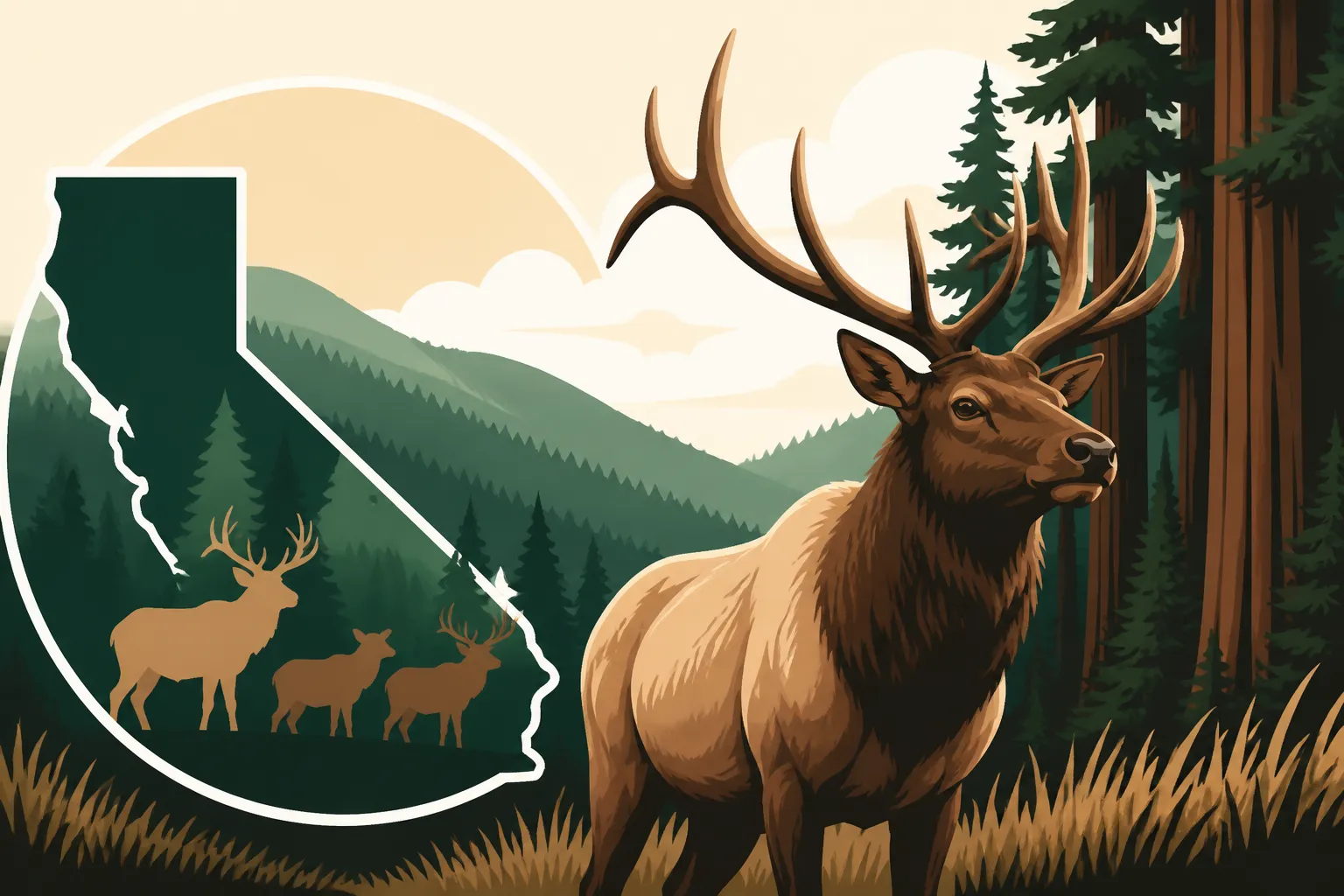
The Roosevelt elk, scientifically known as Cervus canadensis roosevelti, is the largest subspecies of elk in North America, named after President Theodore Roosevelt, who played a crucial role in their conservation. In California, these majestic animals are primarily found in the dense, coastal rainforests of the northwestern part of the state, a stark contrast to the more open habitats favored by their Tule and Rocky Mountain elk cousins. Their world is one of towering redwoods, lush undergrowth, and a perpetual mist, making them a truly unique and elusive quarry for hunters and a vital part of California's biodiversity.
Historical Presence and Recovery Efforts
It’s hard to imagine now, but the Roosevelt elk population in California faced a severe decline by the late 19th and early 20th centuries, primarily due to unregulated hunting and extensive habitat loss from logging. They were once widespread across the coastal ranges, but human encroachment and resource exploitation decimated their numbers. Thankfully, through concerted conservation efforts, including strict hunting regulations, habitat protection, and reintroduction programs by the California Department of Fish and Wildlife (CDFW), these giants have made a remarkable comeback. Early reintroductions, often involving animals from Oregon, helped establish new herds and bolster existing, struggling populations. This long-term commitment to their recovery is a testament to what dedicated wildlife management can achieve, transforming a species on the brink into a sustainable population, albeit one that remains carefully monitored.
The Allure of the Redwood Empire Habitat
The "Redwood Empire" isn't just a picturesque name; it describes a specific ecological zone that is absolutely critical to Roosevelt elk. This region, stretching from Humboldt County up through Del Norte County and into Oregon, is characterized by coastal redwood forests, interspersed with Douglas fir, Sitka spruce, and a thick understory of ferns, huckleberry, and salal. It's a land of high rainfall, moderate temperatures, and persistent fog, providing both abundant forage and dense cover. The elk here have adapted to this environment, often using the steep, timbered slopes and river bottoms as refuges. Understanding this unique habitat is paramount for anyone hoping to even glimpse these animals, as their movements are intrinsically linked to the forest's rhythm and resources. It's a place where you truly feel dwarfed by nature, and the elk blend seamlessly into its grandeur. If you're planning a trip to this region, you'll want to review the intricacies of Hunting Northern California's Redwood Coast to prepare for the unique challenges this terrain presents.
Current Population Estimates and Key Herds
Estimating the exact number of Roosevelt elk in California is a continuous process for the CDFW, involving aerial surveys, ground observations, and harvest data. Unlike species in more open country, the dense redwood cover makes precise counts particularly challenging. However, current estimates paint a picture of a healthy and slowly expanding population, a far cry from their historical lows.
Tracking Numbers: CDFW Data and Challenges
The CDFW works tirelessly to monitor the various elk herds across the state. For Roosevelt elk, this involves tracking herd health, calf recruitment, bull-to-cow ratios, and overall distribution. While precise numbers can fluctuate, the general trend for Roosevelt elk in California has been positive over the last few decades. The challenges are significant; the thick vegetation makes aerial surveys difficult, and ground tracking requires immense effort in rugged terrain. Specialized programs, sometimes involving collared animals, provide invaluable data, but it's always an ongoing puzzle. Hunters can find up-to-date information on population trends and specific herd management units by checking CDFW’s annual reports, often available through platforms like GoHunt, which aggregates a lot of state-specific hunting data. Knowing How Many Roosevelt Elk Live in California gives hunters a better perspective on the limited tag opportunities.
Major Roosevelt Elk Concentrations
California's Roosevelt elk are primarily concentrated in the northwestern counties, particularly Humboldt and Del Norte. Key areas include Redwood National and State Parks, along with portions of Six Rivers National Forest. These areas provide the expansive, contiguous habitat they need, offering both sanctuary and forage. Outside of these protected zones, elk may also be found on private timber lands and other scattered public parcels. The coastal strip, defined by the influence of the Pacific Ocean and its moisture-laden air, is their true stronghold. Hunters considering these regions for other species might also keep an eye out for elk sign, as understanding Where Roosevelt Elk Herds Concentrate is key to any successful encounter, hunting-related or otherwise.
Factors Influencing Herd Growth and Distribution
Several factors contribute to the ongoing growth and distribution of Roosevelt elk. Habitat quality is paramount; areas with a mix of dense cover for security and open clearings or riparian zones for forage are ideal. Forest management practices, including timber harvesting and controlled burns, can influence habitat mosaic, creating new browse opportunities. Predation, primarily by mountain lions and black bears, plays a natural role in population dynamics, though typically not a limiting factor for healthy herds. Disease monitoring, particularly for concerns like Chronic Wasting Disease (CWD), is also a critical aspect of management, as the CDFW has expanded California's Two CWD Testing Zones to include deer and elk. Human-wildlife conflict, such as vehicle collisions and crop damage, also influences management decisions and sometimes leads to specialized depredation hunts, though these are far less common for elk than for species like wild pigs.
Habitat and Foraging Behavior in Redwood Forests
The life of a Roosevelt elk in California is dictated by the redwood forest, a unique ecosystem that shapes their movements, diet, and daily routines. Their ability to thrive here speaks volumes about their adaptability and the richness of this distinct habitat.
The Role of Old-Growth and Second-Growth Timber
Both old-growth and second-growth redwood and Douglas fir forests play vital roles in Roosevelt elk habitat. Old-growth stands, with their immense canopy and sparse understory, provide crucial thermal cover during extreme weather and serve as secure bedding areas. They offer refuge from the elements and from human disturbance. Second-growth forests, especially those with varying ages of regeneration, often provide richer foraging opportunities. Younger clear-cuts or areas recovering from logging can produce an abundance of palatable shrubs, forbs, and grasses that elk prefer. The key is a mosaic of these different forest types, ensuring both food and security are readily available within their home range. This complex relationship between elk and forest type is a crucial consideration for land managers and hunters alike.
Dietary Preferences and Seasonal Movements
Roosevelt elk are primarily grazers and browsers, and their diet in the redwood country is incredibly diverse. They feed on a wide array of grasses, forbs, and shrubs found in forest openings, along stream banks, and in recovering timber harvest units. Favorite forage items often include huckleberry, salmonberry, thimbleberry, and various ferns. Their diet can shift seasonally depending on plant availability and nutritional needs. While they don't undertake the long-distance migrations of Rocky Mountain elk, Roosevelt elk do exhibit seasonal movements within their home ranges. These movements are typically driven by forage availability, breeding cycles, and pressure from humans, whether it's logging operations, recreational activities, or hunting. In these rugged areas, tracking these movements without advanced mapping tools can be a nightmare; many hunters use applications like those offered by GoHunt to scout and track potential elk patterns.
Water Sources and Bedding Areas
Water is abundant in the redwood country, with countless streams, rivers, and springs crisscrossing the landscape. Elk rarely have to travel far for water, making these riparian corridors essential travel routes and feeding grounds. Bedding areas are chosen for security and comfort, often on steep slopes within dense timber where they have good visibility downhill and can quickly disappear into cover. They will utilize north-facing slopes for cooling in warmer weather and south-facing slopes for warmth in colder conditions. The dense undergrowth provides excellent concealment, allowing these large animals to vanish seemingly effortlessly. Recognizing these patterns and identifying prime bedding locations is a critical skill, especially for those venturing into Six Rivers National Forest Hunting grounds.
Conservation Challenges and Management Strategies
While the Roosevelt elk population is stable, conservation is an ongoing endeavor. Several challenges face these majestic animals, requiring adaptive management strategies from the CDFW and cooperation from landowners and the public.
Logging, Development, and Human-Wildlife Conflict
Habitat loss and fragmentation remain significant threats to Roosevelt elk. While sustainable timber practices are increasingly common, logging operations and associated road building can still disrupt elk movements and reduce available cover. Urban and rural development, though less intense in the core redwood range compared to other parts of California, can also encroach on elk habitat, leading to increased human-wildlife conflicts. Vehicle collisions, particularly along major highways like US-101, are a concern. Managing these interactions requires careful planning, including wildlife crossings where feasible, educational programs for residents, and clear guidelines for land use to minimize negative impacts on elk populations. Balancing human needs with wildlife conservation is a constant tightrope walk.
Disease Monitoring and Predator Interactions
The CDFW maintains a robust wildlife disease surveillance program, which includes monitoring elk for various illnesses. While CWD has not been detected in California's Roosevelt elk herds, vigilance is key, especially with the disease spreading in other parts of the country. Regular testing and necropsies help ensure early detection should an outbreak occur. Natural predators, primarily mountain lions, and occasionally black bears, play a role in regulating elk numbers, especially targeting calves and sick or weak individuals. This natural predation is generally beneficial for herd health, culling weaker animals and preventing overpopulation. However, in specific localized areas, predator numbers might be managed if they are disproportionately impacting elk survival rates. You can find more details about these efforts in resources on California Deer and Elk Disease Monitoring.
CDFW's Role in Roosevelt Elk Management
The California Department of Fish and Wildlife is the primary agency responsible for managing the state's elk populations. Their approach includes habitat conservation and enhancement, population monitoring, disease surveillance, and the regulation of hunting. They work with private landowners, timber companies, and federal agencies like the US Forest Service to ensure suitable habitat is maintained or restored. The tag allocation process, handled through The California Big Game Drawing Explained, is carefully designed to manage harvest pressure and maintain healthy age and sex ratios within the herds, ensuring the long-term sustainability of Roosevelt elk hunting opportunities. This comprehensive, science-based approach is crucial for the continued success of these incredible animals.
Hunting Opportunities and Management
Hunting Roosevelt elk in California is a highly sought-after experience, but it comes with incredibly low odds. The state manages elk populations conservatively, issuing a limited number of tags each year to ensure herd health and provide quality hunting experiences.
Applying for Roosevelt Elk Tags
For those dreaming of a California Roosevelt elk hunt, the journey begins with applying for a tag through the state's annual Big Game Drawing. This isn't just a simple purchase; it's a competitive process where thousands of hunters vie for a handful of coveted tags. Typically, applications open in April and close in June, so paying attention to the California Elk Application Deadline is critical. Hunters must purchase a hunting license and an elk application, specifying their preferred elk species and hunt zone. This system helps the CDFW manage harvest pressure, distribute tags fairly, and gather crucial data on hunter interest and success rates. It's a system designed to protect the resource while still offering a chance at a truly once-in-a-lifetime hunt. Understanding the various application strategies can be a daunting task, and services like GoHunt offer insights into draw odds and unit breakdowns that can be invaluable for applicants.
The Low Odds and High Demand
Let's be blunt: the odds of drawing a Roosevelt elk tag in California are extremely low. We're talking single-digit percentages, often less than 1% for resident hunters, and even lower for non-residents, who are typically restricted to a single statewide tag each year. This makes a Roosevelt elk tag one of the most difficult big game tags to acquire in the state. The immense demand reflects the allure of these magnificent animals and the unique challenge of hunting them in their dense redwood habitat. While preference points or bonus points do accumulate over the years, steadily improving your chances, many dedicated applicants go decades without drawing a tag. It's a true test of patience and perseverance, and understanding the California Elk Tag Draw Odds by Species can help manage expectations. For the fortunate few who do draw, the hard work of scouting and preparing for a physically demanding hunt truly begins.
| Elk Species (California) | Primary Range | Population Estimate (Approx.) | Annual Tags (Approx.) | Draw Odds (Resident, Average) | Habitat Type |
|---|---|---|---|---|---|
| Roosevelt Elk | Northwest Coast | 5,700 | 20-30 | <1% | Redwood Forests, Coastal Range |
| Tule Elk | Central Valley, Inner Coast | 5,700 | 150-250 | 1-5% | Grasslands, Oak Woodlands, Wetlands |
| Rocky Mountain Elk | Northeast | 1,000 | 10-20 | <1% | Sierra Nevada, Modoc Plateau |
Note: Population estimates and tag numbers are approximate and can fluctuate annually based on CDFW surveys and management objectives.
The Future of Roosevelt Elk in California
The story of California's Roosevelt elk is one of resilience and dedicated conservation. Looking ahead, the focus remains on ensuring these herds continue to thrive amidst evolving environmental and human pressures.
Ongoing Research and Habitat Restoration
The CDFW, alongside universities and non-profit organizations, continues to conduct research into Roosevelt elk ecology. This includes studies on habitat use, genetic diversity, disease dynamics, and the impacts of climate change. For instance, understanding their specific foraging needs and how they utilize different forest stages helps land managers make informed decisions regarding timber harvest rotations and prescribed fire. Habitat restoration projects, such as riparian zone improvements and the enhancement of natural forage areas, are ongoing, particularly in regions impacted by past logging practices. These efforts are crucial for expanding existing ranges and supporting robust, healthy elk populations for future generations to appreciate.
Community Involvement and Education
The success of Roosevelt elk conservation also hinges on public support and understanding. Educational programs, often facilitated through visitor centers in Redwood National and State Parks or through local wildlife groups, help inform the public about elk behavior, the importance of maintaining distance, and the role of hunting in conservation. Engaging local communities, including landowners and timber companies, in management discussions is vital for fostering a sense of shared stewardship. When communities understand the value of these animals and their habitat, they are more likely to support conservation initiatives and mitigate conflicts. This collaborative approach ensures that the Roosevelt elk remains a cherished and thriving part of California's wild landscape.
Disclaimer
Please note that hunting regulations, season dates, and tag quotas are subject to change. Always consult the most current California Department of Fish and Wildlife regulations and hunt brochures before planning any hunting activity. This content is for informational purposes only and does not constitute legal or professional advice.