Rocky Mountain Elk Population Near Oregon
For hunters dreaming of a truly special experience in California, the thought of pursuing an elk can feel incredibly daunting, especially when you're targeting the elusive Rocky Mountain elk that roam the far reaches of the state. It's a challenging endeavor, made tougher by limited tags and vast, wild country, often leaving many wondering if it's even worth the effort to apply. This comprehensive guide will pull back the curtain on California's Rocky Mountain elk population, where they live near the Oregon border, what influences their numbers, and what you need to know to even begin contemplating such a hunt.
Understanding California's Rocky Mountain Elk Heritage
Before diving into the nitty-gritty of populations and hunting zones, it’s important to understand the journey of Rocky Mountain elk in California. Unlike the more numerous Tule elk, which are native and were brought back from near extinction, or the Roosevelt elk, which thrive in the dense redwood forests, Rocky Mountain elk are a different chapter in California's wildlife story. Their presence is a testament to conservation efforts and strategic introductions from other states.
Historical Presence and Reintroduction Efforts
While California historically had a native elk presence, the specific subspecies we now call Rocky Mountain elk weren't always a fixture in their current range. These majestic animals were largely extirpated from much of the Western United States by the late 19th and early 20th centuries due to unregulated hunting and habitat loss. As conservation gained traction, efforts began to reintroduce elk to suitable habitats. In California, Rocky Mountain elk were brought in from other states, notably Wyoming, and released into northeastern counties like Modoc and Siskiyou. The idea was to establish self-sustaining populations in areas with suitable forage and cover, particularly along the state's northern border with Oregon, where similar ecosystems existed.
These reintroduction programs, starting in the mid-20th century, were carefully planned, focusing on areas with low human disturbance and high potential for elk prosperity. Early releases were small, often fewer than 50 animals, but the hope was that these founder herds would multiply and spread. It's a long game, establishing a viable population, and while initial results were promising, growth has been steady rather than explosive, influenced by a myriad of environmental and management factors we'll explore shortly. The fact that we even have a huntable population of Rocky Mountain elk today is a testament to decades of dedication from wildlife biologists and land managers.
Distinct Characteristics and Habitat Adaptation
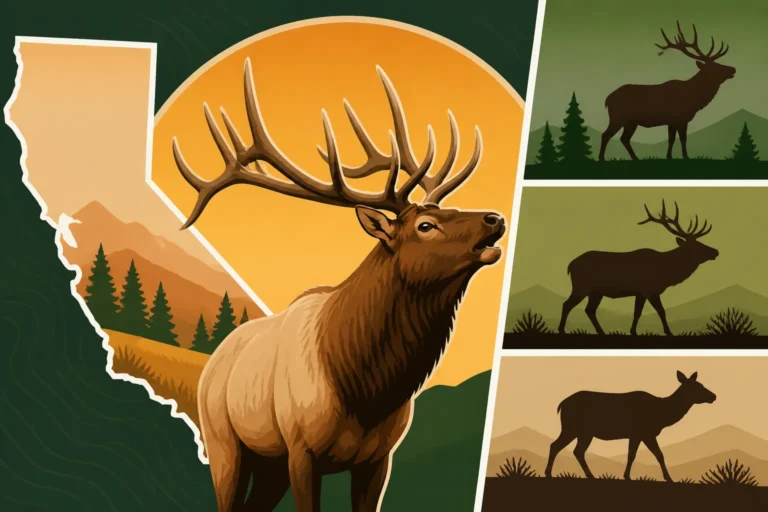
Rocky Mountain elk are truly impressive creatures. They are generally larger than California's other two subspecies, with bulls often weighing over 700 pounds and standing five feet tall at the shoulder. Their antlers are typically massive, often stretching four to five feet wide, making them a highly sought-after trophy for many hunters. Their coats are usually light tan on the body, with a darker brown head and neck, and the characteristic buff-colored rump patch that makes them so recognizable.
In California, these elk have adapted to the rugged and varied terrain of the northeastern part of the state. This region is characterized by vast tracts of national forest and Bureau of Land Management (BLM) land, including the Modoc National Forest and Klamath National Forest. Their habitat often includes a mosaic of open ponderosa pine forests, juniper woodlands, sagebrush steppe, and wet meadows, especially those found in volcanic plateaus. They thrive in areas that provide a balance of dense cover for bedding and security, coupled with expansive grasslands and meadows for grazing. Water sources are also critical, particularly during the hot, dry summers that are typical of this region. This adaptation to the unique high-desert, timbered landscape dictates where you might find them, and consequently, where the hunting opportunities exist.
Where Rocky Mountain Elk Roam Near Oregon
California's Rocky Mountain elk are not widespread across the state. Their primary range, and where you'll find any hunting opportunity, is concentrated in the far northeastern corner, adjacent to the Oregon border. This is truly big country, often remote, and requires a different kind of hunting approach than what many California deer hunters are accustomed to.
Key Geographic Regions and Management Units
The bulk of California's Rocky Mountain elk population is found in specific management units within Modoc and eastern Siskiyou counties. Think of areas like the Modoc Zone and units within the Northern California Elk Management Program. These zones are characterized by high-elevation plateaus, volcanic terrain, and extensive timberlands. The Warner Mountains, for instance, in eastern Modoc County, provide significant habitat for these elk, with their rugged slopes, scattered aspens, and open grassy areas. Other key areas include parts of the Devils Garden Plateau and the Surprise Valley region.
These are not areas where you'll find elk around every corner. Their distribution can be quite patchy, influenced by forage quality, water availability, and hunting pressure. The California Department of Fish and Wildlife (CDFW) manages these populations through specific hunt units, and understanding these boundaries is crucial for anyone considering applying for a tag. Many of these units are vast, encompassing hundreds of thousands of acres of public land, making scouting and understanding herd movements paramount. When considering Applying for a Rocky Mountain Elk Tag Near Oregon, it's essential to study these unit maps and historical data, often available through resources like GoHunt, to gauge your chances and plan your hunt effectively.
Habitat Preferences and Seasonal Movements
Rocky Mountain elk are creatures of routine, but their patterns are heavily influenced by the seasons and available resources. During the spring and summer, after calving, cow-calf herds will often gravitate towards lush, high-elevation meadows and aspen groves, where forage is abundant and nutritious. Bulls, sometimes in bachelor groups, will also feed heavily to grow their antlers, often in more secluded areas. As the heat of late summer sets in, elk will often seek out cooler, shadier timber pockets and reliable water sources.
The fall brings the rut, typically in September, which completely changes their behavior. Bulls become vocal, bugling to challenge rivals and attract cows. During this time, they are more active and can be found in more open areas as they move between bedding and feeding grounds. This is when hunters often try strategies like Calling a Bull Elk in September. As winter approaches, especially with heavy snows, elk will typically migrate to lower elevations and south-facing slopes, where snow accumulation is less severe and browse is more accessible. These migration routes can be critical for hunters to identify. Understanding these seasonal shifts is fundamental for effective scouting and increasing your odds, as elk will utilize different parts of their expansive range depending on the time of year.
Factors Influencing Rocky Mountain Elk Populations
California's Rocky Mountain elk population, while stable, faces numerous challenges that impact its overall health and numbers. It's a delicate balance, and understanding these pressures helps paint a realistic picture for aspiring elk hunters and conservationists alike.
Habitat Loss and Fragmentation
Despite being in generally remote areas, habitat loss and fragmentation remain significant concerns for Rocky Mountain elk. While large-scale urbanization isn't a direct threat in their primary range, changes in land use, such as increased logging activity in national forests, or expansion of agricultural land in valleys, can break up critical habitat corridors. Fires, while natural, can also dramatically alter the landscape. While some post-fire areas can provide new forage opportunities, intense, large-scale burns can eliminate old-growth timber crucial for cover and security, pushing elk into less ideal areas.
Road development, even for logging or recreational access, can fragment habitats and increase human disturbance, causing elk to avoid certain areas. The cumulative effect of these changes, even subtle ones, can reduce the carrying capacity of the land, meaning fewer elk can be supported in a given area. Maintaining large, contiguous blocks of diverse habitat, with a good mix of forage and cover, is paramount for the long-term health and expansion of these elk herds.
Predation and Disease Management
Natural predators play a role in managing elk populations, though usually not to the point of severe decline in healthy herds. Mountain lions are the primary natural predators of elk in California, particularly targeting calves and older, weaker animals. Black bears can also predate on young calves. While these predators help keep elk populations robust by culling the weak, their impact is generally considered sustainable.
Disease, however, presents a more insidious threat. Chronic Wasting Disease (CWD), while not yet detected in California's wild elk populations, is a major concern for wildlife managers across the West. California has established California's Two CWD Testing Zones for deer and elk, and diligent monitoring is in place to detect any potential outbreaks. Other diseases, like brucellosis, while more common in areas with denser elk and cattle populations, are also monitored. The health of the herd is paramount, and ongoing surveillance and management efforts are crucial to prevent widespread disease outbreaks that could decimate populations. For hunters, being aware of disease reporting requirements and cooperating with CDFW testing is part of responsible hunting practices.
Climate Change Impacts on Elk Health
The changing climate introduces another layer of complexity to elk management. Prolonged droughts, which California has experienced with increasing frequency, directly impact forage quality and water availability. Less nutritious forage can lead to lower calf survival rates and overall poorer herd health. Water holes that were once reliable can dry up, forcing elk to travel further and expend more energy, or concentrate them around fewer water sources, potentially increasing disease transmission risks.
Conversely, changes in snowpack can also affect elk. Milder winters might mean less defined migration patterns, while exceptionally harsh winters could lead to increased winterkill, especially among younger or older elk. The timing of green-up in spring, influenced by temperature and rainfall, affects when crucial high-quality forage becomes available, impacting cow health and calf development. These shifts require wildlife managers to continuously adapt their strategies, and for hunters, it means that historic elk patterns might become less predictable, emphasizing the need for thorough, current scouting.
Tracking Population Trends and Management Efforts
Understanding the current status and trends of California's Rocky Mountain elk population is vital for both wildlife management and for hunters hoping to draw a tag. The CDFW plays a critical role in monitoring these animals and setting hunt quotas.
CDFW Surveys and Data Collection
The California Department of Fish and Wildlife (CDFW) regularly conducts surveys to estimate elk populations. These surveys can include aerial counts, ground surveys, and the use of trail cameras, along with harvest data analysis. For Rocky Mountain elk, given their challenging terrain, these surveys are often difficult and resource-intensive, but they provide crucial insights into herd health, bull-to-cow ratios, and calf recruitment. This data directly informs management decisions, such as setting the number of tags available for specific hunt units.
The goal is to maintain a healthy, self-sustaining population while providing sustainable hunting opportunities. Hunters often see these numbers reflected in their odds when California Elk Tag Draw Odds by Species are published. While specific, granular data for each sub-herd might not always be publicly available in detail, the overall trends are closely watched. For example, the CDFW aims to keep Rocky Mountain elk populations at levels that are in balance with their habitat and minimize conflicts with agriculture or other land uses. This continuous data collection is the backbone of responsible wildlife management.
Drawing Success and Hunter Participation
Hunting for Rocky Mountain elk in California is an exclusive affair. Tags are extremely limited, making them one of the most difficult big game tags to draw in the state. The California Big Game Drawing Explained details the preference point system, which is crucial for anyone serious about hunting elk. Essentially, every year you apply for an elk tag and are unsuccessful, you accrue a preference point, increasing your mathematical odds in subsequent years. However, even with maximum points, success is never guaranteed due to the sheer number of applicants for so few tags.
Hunter participation for Rocky Mountain elk tags is consistently high, driven by the allure of a truly magnificent animal and the challenge of hunting in California's northeastern wilderness. The low draw odds mean that many hunters spend years, even decades, accumulating points before they might get lucky. This reality makes thorough planning, effective scouting, and being fully prepared when a tag is finally drawn absolutely paramount. For nonresident hunters, the challenge is even greater, as California typically issues California's Once-a-Year Nonresident Elk Tag, often making it a once-in-a-lifetime draw. Utilizing tools like GoHunt's Insider platform can help analyze draw odds and strategize application decisions.
Impact of Land Management Practices
Land management practices across the vast public and private lands in the Rocky Mountain elk range significantly influence their populations. The U.S. Forest Service (USFS) and Bureau of Land Management (BLM) manage extensive tracts of habitat. Their decisions regarding timber harvests, grazing leases, prescribed burns, and recreational access directly impact elk. For example, carefully managed timber cuts can create new forage and improve habitat diversity, while uncontrolled grazing by livestock can compete with elk for food resources.
Conversely, private land management also plays a role. Many private ranches in the region engage in wildlife-friendly practices, such as maintaining water sources or planting forage, which can benefit elk. Wildlife corridors that connect different habitat areas are also crucial, and land managers often work to identify and protect these pathways to allow for natural elk movement and genetic exchange between sub-herds. Understanding these overarching management strategies helps explain why elk populations fluctuate and where prime habitat might be found. Hunters need to be aware of regulations specific to different land designations when Scouting California Public Land Before Season or when hunting in specific areas within Hunting California's Eighteen National Forests.
Navigating the Hunt for Rocky Mountain Elk
Drawing a Rocky Mountain elk tag in California is a major accomplishment, but it's just the first step. The real work begins once that tag is in hand, as these hunts are physically demanding and require meticulous preparation.
Tag Application Realities and Strategies
Let's be real: getting a Rocky Mountain elk tag in California is tough. You're looking at incredibly low draw odds, often less than one percent, even with a decent number of preference points. This isn't a hunt you just decide to do next year; it's a long-term commitment to the draw system. To maximize your chances, consistently applying every year for your chosen zone is key. Many seasoned hunters will study historical draw statistics, often found on CDFW's website or through reputable hunting data services like those offered by GoHunt. These resources help you understand which hunt choices are statistically "easier" to draw, though "easy" is a relative term here.
Consider applying for specific hunt periods if there are multiple, as certain weeks might have slightly different draw odds. For instance, an early archery hunt might have different demand than a late rifle hunt. Also, be honest about your physical capabilities. Some units are far more rugged and remote than others, and if you draw one, you need to be prepared for the challenge. Don't just apply for the unit with the biggest bulls; apply for the unit you can realistically hunt effectively.
Scouting Strategies for Remote Terrain
Once you've beaten the odds and drawn a tag, the real work begins. Scouting for Rocky Mountain elk in California's vast, rugged terrain is not for the faint of heart. These aren't whitetails in a timber lot; these are large animals in huge, wild country. Start with extensive e-scouting using satellite imagery (like Google Earth or onX Hunt) to identify potential bedding areas, feeding zones, water sources, and travel corridors. Look for natural funnels, saddles, and timbered draws that might concentrate elk movement. Pay close attention to north-facing slopes for bedding cover in warmer months and south-facing slopes for sun exposure in colder periods.
In-person scouting is absolutely critical and often requires multiple trips. You'll need to cover serious ground, often miles from any road. Look for fresh tracks, droppings, rubs on trees, and wallows. Listen for bugles, especially during the rut. Set up trail cameras in key areas like water holes or major game trails to monitor elk movement and patterns. Consider spending a few days backpacking into the backcountry during the summer or early fall to familiarize yourself with the terrain and identify hot spots. This isn't just about finding an elk; it's about finding your elk, and that takes time, effort, and sweat equity.
Essential Gear for a Challenging Hunt
Hunting Rocky Mountain elk near Oregon demands the right gear, and skimping here is a recipe for a miserable (and potentially unsuccessful) trip. Your pack system is paramount. You'll likely be packing in for several days, so a comfortable, capable pack designed for backcountry hunting is a must. Think about Packs and Gear for a Backcountry Elk Hunt and consider a dedicated meat-hauling frame pack. When you finally get an elk down, you'll need to quarter it and pack it out, often over rugged terrain. A sturdy external frame pack like a Mystery Ranch or Kifaru is invaluable for hauling heavy loads, as discussed in Best Pack for a Multi-Day Elk Hunt.
Optics are another critical component, especially for glassing vast, open country or dense timber. High-quality binoculars (10×42 or 12×50) are essential, and a spotting scope (15-45x or 20-60x) on a sturdy tripod will greatly enhance your ability to pick apart distant hillsides, much like you would when Glassing Mule Deer in Open California Country. A reliable rangefinder is non-negotiable for ethical shot placement. For rifles, choose a caliber suited for elk, like a .30-06, .300 Win Mag, or 7mm Rem Mag, and ensure you're using Choosing Non-Lead Rifle Ammunition in California as required by state law. Don't forget durable, broken-in boots, layered clothing for variable weather, and a solid first-aid kit. This is a demanding hunt, and being prepared with reliable gear can make all the difference.
Disclaimer
Please remember that hunting regulations, season dates, and specific unit information can change. Always consult the most current California Department of Fish and Wildlife (CDFW) regulations and official publications before planning any hunting trip. This guide is for informational purposes only and does not replace official state regulations.