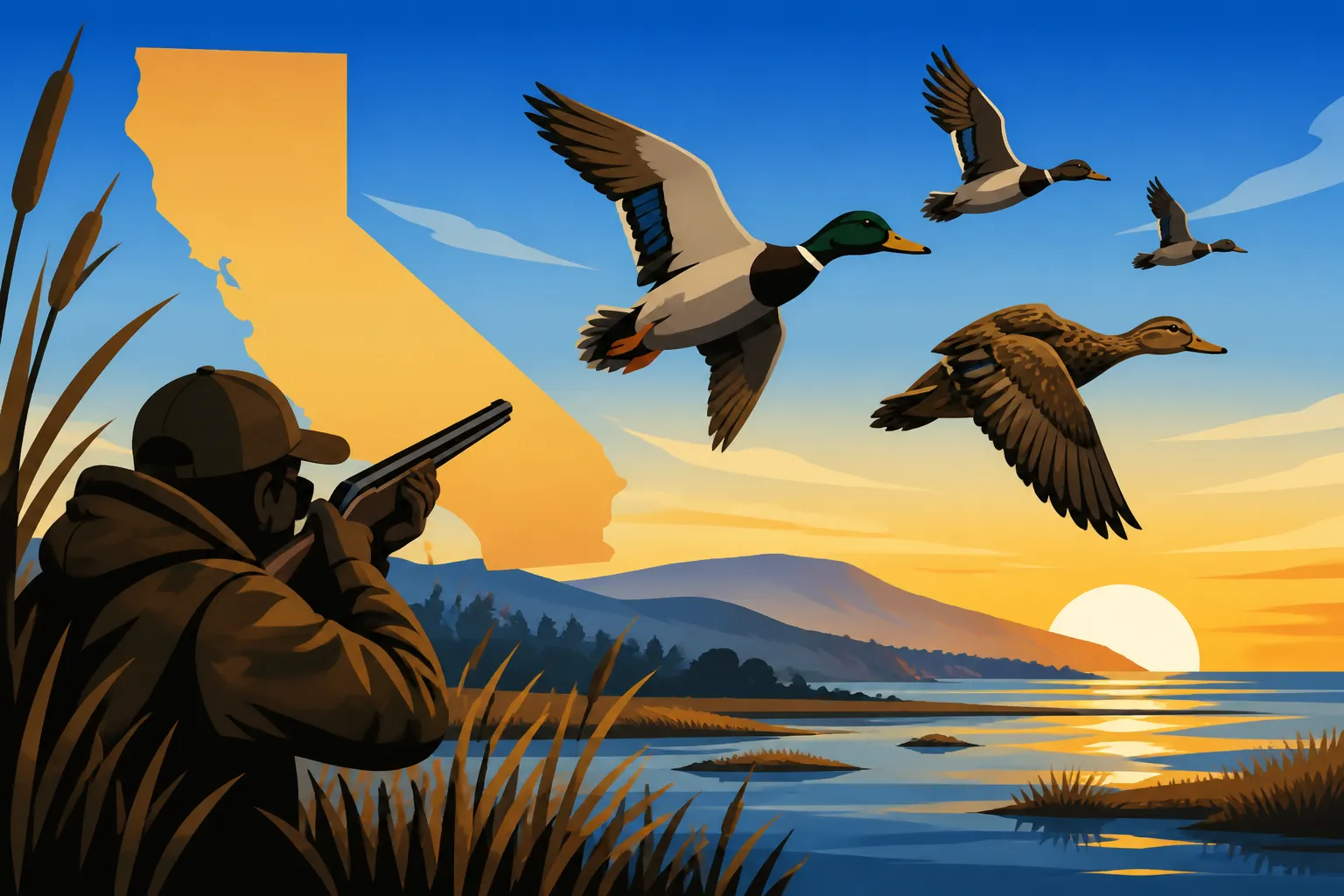
California Waterfowl on the Pacific Flyway
The thrill of a crisp morning in the blind, the distant murmur of thousands of wings, the rush of wind as a flock of mallards banks overhead – waterfowl hunting in California is a truly unique experience. However, with its vast public lands, diverse habitats, and sometimes complex regulations, getting started or even consistently finding success can feel like navigating a maze. This comprehensive guide aims to demystify waterfowl hunting on the Pacific Flyway, breaking down everything you need to know to pursue ducks and geese across the Golden State.
Understanding the Pacific Flyway's Significance in California
California holds an unparalleled position on the Pacific Flyway, serving as a critical wintering ground for millions of migratory birds. From tiny teal to massive honkers, countless waterfowl make the epic journey south each fall, and a significant portion of them touch down in California, particularly within its expansive Central Valley. Understanding this natural phenomenon is the first step to becoming a successful waterfowl hunter here.
The Central Valley: A Waterfowl Mecca
The Central Valley isn't just the agricultural heartland of California; it's also a vital waterfowl haven. Historically, the valley was a vast wetland ecosystem, dotted with lakes, marshes, and riparian forests. While much of this natural habitat has been converted to agriculture, ironically, these farming practices have created new, albeit managed, food sources that continue to draw birds in incredible numbers. Think about those flooded rice fields after harvest, shimmering under the autumn sun – they're essentially giant buffets for hungry ducks and geese. The sheer abundance of water and food available in this region, particularly after fall rains or controlled flooding, makes it an irresistible stopover for migrating birds. This rich environment supports an enormous population of waterfowl, making the Central Valley truly a waterfowl paradise, offering opportunities for hunters from all walks of life.
Major Migratory Pathways and Timing
The migration along the Pacific Flyway is a dynamic, ever-changing spectacle. Birds typically begin their southward journey from breeding grounds in Alaska, Canada, and the Pacific Northwest as early as September. Early arrivals often include northern pintails and green-winged teal, while mallards and various goose species tend to show up in greater numbers as the weather turns colder further north. Peak numbers in California usually occur from late November through January, when the state's wetlands and agricultural fields are at their most abundant. However, the timing can fluctuate significantly year to year, influenced by factors like early snowfalls in Oregon or Washington, prolonged droughts, or unusual warming trends. Hunters often track these patterns, knowing that a big weather system to the north can push a fresh wave of birds into California, revitalizing hunting opportunities on seemingly quiet days. Keeping an eye on weather forecasts beyond California's borders can give you a real edge.
Key Species Attracted to California
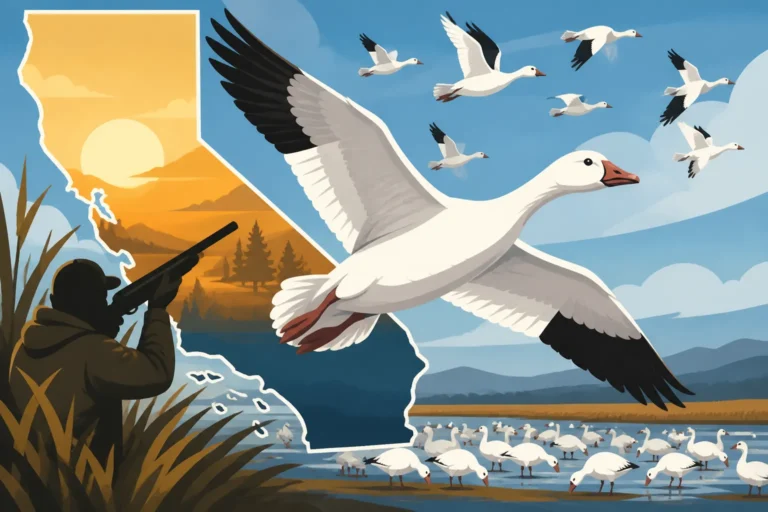
California's place on the flyway attracts an impressive diversity of waterfowl. For duck hunters, the "big four" are typically mallards, northern pintails, green-winged teal, and gadwall, all of which are abundant. Wigeon, shovelers, and cinnamon teal are also common, each presenting their own unique hunting challenges and table fare. Geese are equally prominent, with Greater White-fronted Geese (specklebellies) and various subspecies of Canada Geese (including cacklers) being widespread. Snow Geese can often be seen in spectacular, swirling masses, particularly in the northern Central Valley. Each species has its own preferences for habitat and feeding, meaning a successful hunter often needs to adapt their strategy. For instance, pintails often prefer open, shallow water, while mallards might gravitate towards deeper pockets in flooded fields. Understanding these nuances is crucial for setting up effective decoy spreads and calling sequences.
| Species | Typical Central Valley Habitats | General Daily Bag Limit (Varies by Season) | Key Identification Notes |
|---|---|---|---|
| Mallard | Flooded rice, shallow wetlands, ponds | 7 (usually max 2 hens) | Green head (drake), orange feet, white neck ring |
| Northern Pintail | Open shallow water, mud flats, flooded stubble | 1 | Long neck, slender body, long tail "pin" (drake) |
| Green-Winged Teal | Small potholes, shallow flooded fields | 6 | Smallest duck, green speculum, chestnut head (drake) |
| Gadwall | Mixed marsh, open water, sloughs | 7 | Gray body, black rear, white speculum (both sexes) |
| Wigeon | Open water, grazed fields, marshes | 7 | White patch on wing, white crown (drake) |
| Snow Goose | Open fields (corn, rice), large refuges | 20 | All white body, black wing tips |
| Greater White-Fronted Goose | Fields, shallow wetlands, short grass | 10 | Orange legs/bill, white forehead patch, belly bars |
| Canada Goose | Fields, ponds, rivers, various sizes | 10 (subspecies restrictions may apply) | Black neck/head, white chin strap |
Note: Bag limits can change annually, always check current CDFW regulations before hunting.
Navigating California's Diverse Waterfowl Habitats
One of the greatest aspects of hunting in California is the sheer variety of waterfowl habitats available. From expansive agricultural fields to winding rivers and even coastal marshes, each environment offers distinct challenges and rewards. Mastering a few key habitat types will significantly broaden your opportunities throughout the season.
Flooded Rice Fields and Managed Wetlands
For many, California waterfowl hunting is synonymous with flooded rice fields. After the fall harvest, these vast, flat expanses are often reflooded, creating perfect feeding and loafing grounds. Hunting these fields typically involves layout blinds, a massive decoy spread, and a willingness to get muddy. The birds here can be incredibly pressured, especially on public land, so understanding how to deploy your decoys effectively, utilize natural cover, and call sparingly yet confidently is key to success. Similarly, California's state and federal managed wetlands, often referred to as refuges or wildlife areas, are jewels of the flyway. These areas, like the Sacramento National Wildlife Refuge Complex or Gray Lodge Wildlife Area, are meticulously managed to provide critical habitat, but they also offer some of the most competitive hunting. Access is often controlled by a lottery system, meaning applying early and understanding the intricacies of the drawings is paramount. For those lucky enough to draw a good blind or bypass the sweatline, these managed wetlands can provide phenomenal hunting, often yielding diverse bags of ducks and geese. You'll find specific strategies for Decoying Ducks in California's Central Valley Flooded Rice can dramatically improve your odds in these popular zones.
Large Rivers and Natural Lakes
While the fields get a lot of attention, California's large rivers, like sections of the Sacramento River, and natural lakes also offer unique waterfowl opportunities. River hunting often involves pass-shooting birds flying along established corridors or jump-shooting ducks and geese hunkered down in bends and sloughs. This requires stealth, quick reflexes, and often a boat. For natural lakes, hunting might involve setting up over a point or in a bay, especially on days with strong winds that push birds to seek shelter. These areas can be less pressured than the prime public fields, but success depends heavily on understanding flight patterns, local geography, and the daily movements of birds. Sometimes, finding a secluded spot along a river or a quiet cove on a lake can yield an incredible hunt away from the crowds, offering a more serene experience for those willing to explore.
Coastal Marshes and Estuaries
Though perhaps not as widely pursued as Central Valley opportunities, California's coastal marshes and estuaries provide a distinct waterfowl hunting experience, especially for specific species. Areas along the Humboldt Bay or some of the salt marshes further south can hold significant numbers of dabbling ducks, as well as unique species like Brant, a goose that primarily feeds on eelgrass. Hunting here is heavily influenced by tides, requiring precise timing and a deep understanding of the marsh environment. The terrain can be challenging, often involving muddy wades and navigating intricate tidal channels. While the bag limits might not be as high as in the Central Valley, the experience itself – often in breathtaking, wild landscapes – is unparalleled. Hunters need specialized gear for saltwater environments and a keen awareness of local regulations and conservation efforts for these fragile ecosystems.
Essential Gear and Setup for California Waterfowl Hunting
California waterfowl hunting presents unique challenges, from the sheer numbers of birds that demand large decoy spreads to the non-lead ammunition requirement. Having the right gear, and knowing how to use it, can make or break your hunt. It's not just about having stuff; it's about having the right stuff for the specific conditions you'll face.
Decoys: Quantity, Quality, and Spread Strategies
In many parts of California, particularly on public land or heavily pressured private ground, you simply can't have too many decoys. Large spreads, often numbering in the hundreds for geese and dozens for ducks, are common. The idea is to create a visual spectacle that screams "safe and abundant food" to weary migrants. Beyond quantity, quality matters. Realistic paint schemes, varied poses (feeders, sentries, sleepers), and motion decoys are all critical. Mojo Decoys for Central Valley Mallards can be incredibly effective, adding that crucial lifelike movement that can entice wary birds into range. For ducks, a common strategy is to create a "hole" or landing zone within your spread, often using a mix of mallards, pintails, and teal. For geese, family groups of full-body decoys spaced realistically can be deadly. Using confidence decoys like coots or even cranes (where legal) can further enhance the realism of your setup. The key is to constantly observe how birds react and be willing to adjust your spread based on their flight patterns and reactions to your setup. Sometimes, less is more; other times, you need to look like a small convention of waterfowl.
Blinds, Waders, and Weather-Appropriate Clothing
Given the diverse habitats, your blind needs can vary widely. For flooded rice fields, a low-profile layout blind is king. These blinds allow you to lie flat, blending seamlessly into the stubble or mud, and erupt when birds commit. On managed wetlands, permanent pit blinds or stand-up blinds brushed in with local vegetation are common. For river or lake hunting, boat blinds or natural cover along the bank might be more appropriate. Waders are non-negotiable for almost any California waterfowl hunt. Chest waders are generally preferred, as you'll often find yourself in water deeper than expected, navigating muddy bottoms. Regarding clothing, California's weather can be notoriously fickle. A frigid, foggy morning can quickly turn into a warm, sunny afternoon. Layering is paramount. Start with moisture-wicking base layers, add insulating mid-layers like fleece, and top it off with waterproof, windproof outer shells. Good gloves, a warm hat, and waterproof boots (if not wearing waders) are also essential. Brands like Sitka Gear or First Lite offer excellent layering systems designed for active hunting in varied conditions, allowing you to adapt on the fly. Don't forget rain gear; a sudden downpour can make an otherwise great hunt miserable if you're unprepared.
Shotguns, Ammunition, and Choke Choices
Choosing the right shotgun and ammunition in California means navigating the state's mandatory non-lead ammunition requirement. This rule applies to all hunting statewide, meaning you cannot use lead shot for waterfowl. Steel shot is the most common and affordable non-lead option, but bismuth, tungsten-matrix, and other non-toxic alternatives are also available. While often more expensive, these alternatives tend to perform closer to lead in terms of density and energy. When considering Steel Shot Versus Bismuth for Upland Birds, remember that bismuth is often preferred for its improved knockdown power and patterns, especially at longer ranges or for larger birds. For shotguns, 12-gauge remains the most popular for its versatility and ample shot payload, though 20-gauge can be effective for closer work with smaller ducks. As for chokes, a modified choke is a good all-around choice, providing a balance of pattern density and spread. For long-range pass shooting, a full choke might be preferred, while an improved cylinder could be beneficial for close-decoying birds in thick cover. Always pattern your shotgun with your chosen non-lead ammunition to understand how it performs at various distances. Many hunters find that non-lead shotshells behave differently than lead, so range time is crucial.
Key Strategies for Consistent Success in the Central Valley
The Central Valley is a dynamic hunting environment where conditions and bird behavior can change by the hour. To consistently fill your strap, you'll need more than just good gear; you'll need smart strategies that adapt to the birds, the weather, and the pressure.
Scouting, Observing, and Reading the Birds
This is arguably the single most important aspect of waterfowl hunting in California. Pre-season scouting starts with maps. Platforms like GoHunt, along with CDFW's online resources, allow you to study satellite imagery of wildlife areas and surrounding agricultural lands. Look for potential roosting areas, feeding patterns, and primary flight corridors. Once the season starts, in-person scouting becomes crucial. Drive perimeter roads around public lands or fields (where legal), watching where birds fly, where they land, and how they react to pressure. Pay attention to the wind direction, as birds almost always land and take off into the wind. Are they landing in a certain part of the field? Are they avoiding certain areas? Listening for their chatter on an off-day can tell you where they feel comfortable. Often, birds will tell you exactly what they want if you just take the time to observe them. This critical information informs your decoy placement, blind location, and calling strategy for the next hunt. Understanding how to Reading a Wetland for a Morning Flight is an acquired skill that pays dividends.
Calling Techniques for Ducks and Geese
Good calling is an art form, not just noise-making. For ducks, a series of varied mallard calls – a greeting call to get their attention, a quick comeback call if they start to veer off, and soft feeding chuckles as they work the decoys – is fundamental. Don't underestimate the power of a pintail whistle or a wigeon call to add realism to your spread. For geese, whether you're targeting specklebellies or Canada geese, realistic calling involves a mix of honks, clucks, and murmurs, mimicking a happy, feeding flock. The key is to read the birds. Are they responding aggressively to your calls, or are they shying away? If they're cupping their wings and coming in, call less; let the decoys do the work. If they're hanging up, a subtle cluck or two might be all it takes to seal the deal. Remember, overcalling can be as detrimental as undercalling, especially with wary Central Valley birds. Practice consistently, and learn to make your calls sound natural and inviting.
Adapting to Pressure and Changing Conditions
Birds on the Pacific Flyway, especially those that spend weeks or months in California, become incredibly wise to hunting pressure. What worked on opening day might not work a month later. Successful hunters are those who adapt. If birds are flaring from your large, obvious spread, try a smaller, more subtle spread or move your blind. If they're constantly working one corner of a field, consider setting up there on a weekday when pressure is lighter. Wind shifts are another critical factor. A strong north wind can completely change flight patterns, pushing birds into new areas or making them fly lower. Cold fronts bring new birds but also make existing birds more active. Hot days can make birds lethargic, often leading them to loaf in larger water bodies until cooler evening temperatures. Don't be afraid to change your game plan mid-hunt or scout a completely different spot if your initial setup isn't producing. Flexibility and a willingness to learn from every interaction with the birds are what separate consistent success from hit-or-miss days.
Licenses, Regulations, and Ethical Considerations
Before you even think about setting out decoys, understanding California's extensive hunting regulations is paramount. Non-compliance can lead to hefty fines and loss of privileges, so take the time to get it right. Beyond the letter of the law, ethical behavior ensures a positive experience for everyone and contributes to the long-term health of our hunting traditions.
Required Licenses and Stamps for Waterfowl
To legally hunt waterfowl in California, several documents are mandatory. First, you'll need a valid California hunting license. For residents, this is your base California Resident License Options, and for non-residents, there are corresponding non-resident options. On top of that, every migratory bird hunter, regardless of age, must purchase a Federal Migratory Bird Hunting and Conservation Stamp, universally known as the Federal Duck Stamp Requirement. This stamp, issued by the U.S. Fish and Wildlife Service, is critical for waterfowl conservation across the nation. Additionally, California requires its own state stamp, the California Migratory Bird Stamp Cost, which goes directly to waterfowl habitat programs within the state. Finally, you must also obtain a Harvest Information Program (HIP) validation. The HIP Certification for Bird Hunters collects data on hunter activity to better manage migratory bird populations. All these documents must be current and in your possession while hunting. The easiest way to purchase these is online through the California Department of Fish and Wildlife's (CDFW) Automated License Data System (ALDS) portal.
Bag Limits, Shooting Hours, and Non-Lead Ammunition Law
California's waterfowl regulations are specific and must be followed meticulously. Bag limits vary by species and can change slightly year to year. For example, the California Duck Daily Bag Limit is often a total number of ducks with specific restrictions on certain species, like pintails or mallard hens. Geese also have their own daily and possession limits. Always consult the current CDFW Waterfowl Regulations handbook before each season. Shooting hours for waterfowl typically begin one-half hour before sunrise and extend until sunset. This means you must be diligent with your watch or hunting app to ensure you are not shooting before or after legal hours. A critical regulation unique to California is the statewide ban on lead ammunition for all hunting, which has been fully phased in. For waterfowl, this means using only non-toxic shot like steel, bismuth, or tungsten alloys. This law is strictly enforced and is crucial for the protection of California's wildlife, particularly endangered species like the California Condor, which can be poisoned by consuming lead fragments.
Hunter Etiquette and Conservation
Beyond the legal requirements, ethical behavior is the backbone of responsible hunting. This includes respecting other hunters by maintaining adequate distance from their setups, avoiding sky-busting (shooting at birds outside of effective range), and sharing public lands courteously. Leaving no trace is also vital; pack out everything you pack in, including spent shotshells and any trash. Proper game retrieval is another ethical imperative – every effort must be made to retrieve crippled birds, even if it means a long walk or a messy wade. California waterfowl hunters play a significant role in conservation. Through the purchase of licenses and stamps, hunters directly fund habitat restoration and wildlife management efforts that benefit not only waterfowl but countless other species. Participating in voluntary efforts like habitat cleanups or advocating for sensible conservation policies further solidifies this commitment. Hunting is a privilege, and by practicing good ethics and contributing to conservation, we ensure it remains so for future generations.
Planning Your California Waterfowl Adventure
Embarking on a waterfowl hunt in California, whether you're a seasoned veteran or a curious newcomer, requires careful planning. From choosing your hunting ground to managing logistics, a well-thought-out approach will significantly increase your enjoyment and success rate.
Public Land Opportunities and Access Challenges
California boasts a substantial amount of public land that offers waterfowl hunting opportunities, primarily through its extensive system of California Wildlife Areas and Ecological Reserves managed by the CDFW, as well as federal National Wildlife Refuges. Many of these areas are intensively managed to provide prime waterfowl habitat, but access can be highly competitive. Popular refuges often operate on a lottery system, requiring hunters to apply in advance for specific hunt dates and blinds. Understanding the application deadlines and the intricacies of the lottery (including "sweatline" access for unclaimed spots) is crucial. Some wildlife areas also offer free-roam or walk-in hunting, which can be less competitive but often requires more effort to scout and reach productive areas. Using mapping apps like GoHunt can be invaluable here, helping you identify public land boundaries, access points, and potential hunting zones. The challenge lies in dealing with hunting pressure and ensuring you have a valid reservation or are in the right spot at the right time. For those willing to put in the time, public lands offer incredible, affordable opportunities to experience California's waterfowl bounty.
Booking Guided Hunts and Private Land Access
For hunters seeking a less strenuous or more predictable experience, booking a guided hunt on private land or joining a duck club can be an excellent option. California has numerous reputable outfitters, particularly in the Central Valley, that manage prime flooded acreage and offer fully guided trips. These hunts often include decoys, blinds, and an experienced caller, significantly reducing the logistical burden. While typically more expensive, guided hunts can provide access to less pressured birds and higher success rates. Another avenue is seeking private land permission or exploring California Hunting Lease Costs. Leasing land, or a share in a duck club, provides consistent access to private properties specifically managed for waterfowl. This can be a significant investment, but it offers exclusive access and the ability to manage the habitat and hunting pressure to your liking. When considering private land, always ensure you have explicit written permission from the landowner to avoid any trespass issues.
Essential Logistics: Travel, Lodging, and Game Care
No matter where you choose to hunt, practical logistics are key. California's waterfowl zones are spread across the state, often requiring significant travel. Plan your routes, especially for early morning starts when roads can be dark and rural. Lodging options range from rustic motel rooms in small agricultural towns to camping at designated sites near public hunting areas. If you're planning a multi-day hunt, consider bringing a reliable cooler with plenty of ice. Field dressing your birds promptly after the hunt and getting them on ice is critical, especially in California's often mild to warm weather. This helps preserve the quality of the meat. Many hunters also bring game shears for breaking down birds into more manageable pieces for transport and freezing. Knowing how to properly clean and care for your harvest ensures that the birds you work so hard for become delicious meals, honoring the animal and completing the hunting cycle.
Disclaimer
The information provided in this guide is for general informational purposes only and does not constitute legal advice. Hunting regulations in California are subject to change by the California Department of Fish and Wildlife (CDFW) and other governing bodies. It is the individual hunter's responsibility to verify and comply with all current federal, state, and local laws and regulations before engaging in any hunting activities. Always consult the most recent official CDFW hunting regulations handbook.