California Deer Record Book
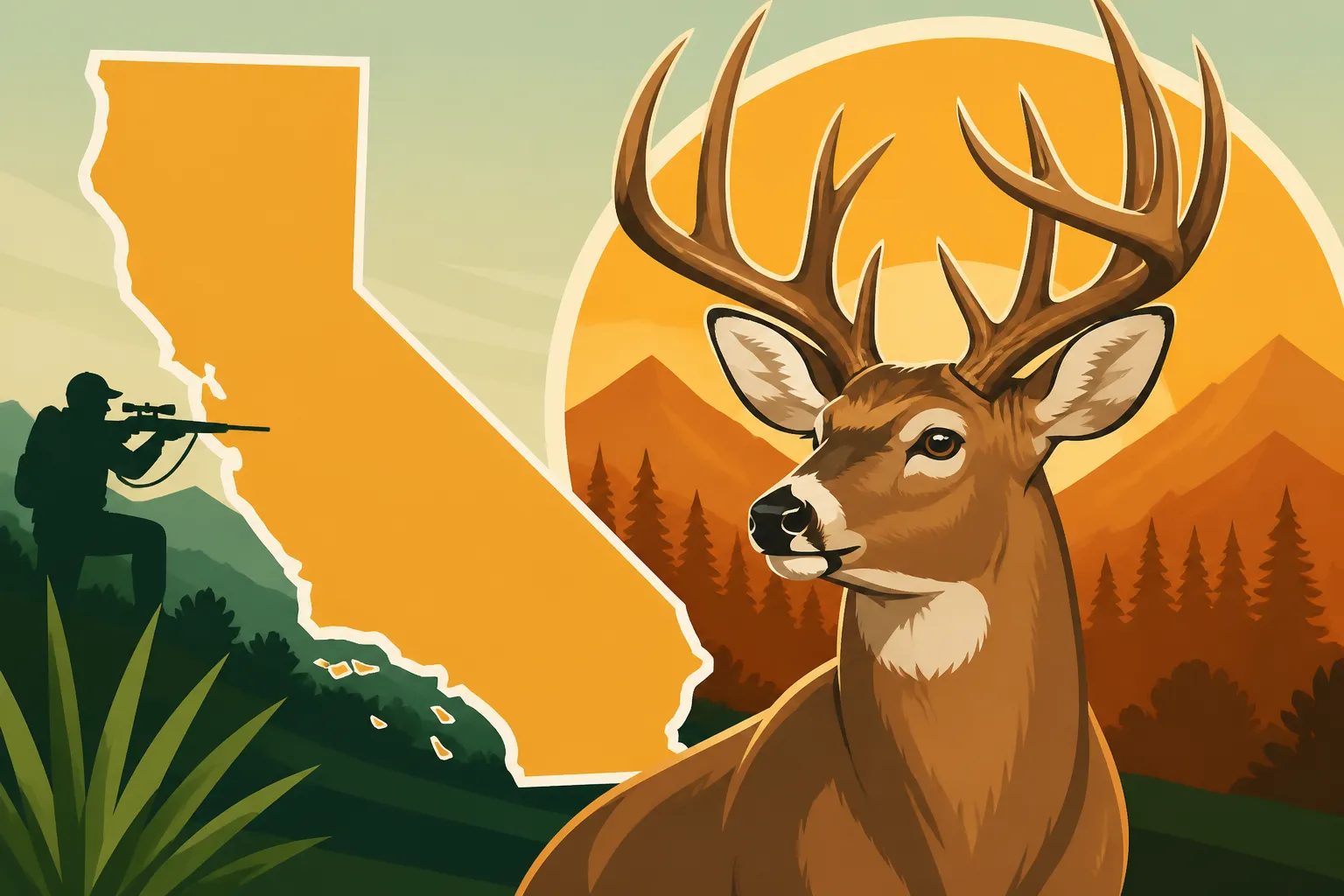
The dream of tagging a truly exceptional buck runs deep in every hunter's veins, but in California, where public land can be challenging and big deer aren't always a dime a dozen, many of us wonder what it really takes to get a deer into a prestigious record book. It’s not just about the size of the rack, but a whole process of ethical hunting, meticulous measurement, and careful documentation. This guide is here to walk you through the ins and outs of what makes a California deer record-worthy, how the scoring works, and what it takes to achieve that coveted recognition.
Understanding California's Deer Record-Keeping
Chasing a record-book buck in California is a special kind of challenge, unique to our diverse and often rugged landscapes. It's more than just hunting; it's about pursuing a truly mature animal that represents the peak of its genetic potential and the health of its habitat. For many, it's a lifelong quest that intertwines deeply with understanding deer biology and the specific nuances of hunting the Golden State.
The Philosophy Behind Record Books
Record books, at their core, aren't just about bragging rights, though a handsome mount on the wall with an official score certainly provides that! They serve a much larger purpose in the hunting and conservation community. These records track the health and genetic potential of deer populations over time, providing valuable data on antler growth, geographic distribution of larger animals, and the impacts of habitat and management practices. They honor the animals themselves, recognizing their exceptional development, and serve as a testament to the hunter's skill, patience, and ethical pursuit. When you look through the historical records, you can see patterns, like how different areas of California produce different quality deer, giving insights into local herd dynamics.
It's also about preserving the story of the hunt. Every entry in a record book tells a tale of scouting, preparation, perseverance, and ultimately, success in the field. It’s a way for hunters to share their achievements and contribute to a collective heritage that celebrates fair chase and responsible hunting practices. For many, the true value lies not just in the numbers, but in the memory of the pursuit and the profound respect for the animal.
The Different Record Book Organizations
When we talk about deer record books, two names usually come to mind: Boone and Crockett Club (B&C) and Pope and Young Club (P&Y). Both are highly respected, but they differ in the type of hunting equipment they recognize. B&C is dedicated to fair chase hunting with firearms, while P&Y is specifically for archery-hunted animals. This distinction is crucial for California hunters, especially given the popularity of archery seasons, like the When Zone A Archery Season Opens or Hunting the Zone C August-September Archery Window. Both organizations use very similar scoring systems, often called the "Boone and Crockett system," which focuses on antler dimensions and symmetry.
These clubs set rigorous standards not only for antler size but also for fair chase principles. They require hunters to adhere to strict ethical guidelines, ensuring that the animals are taken legally and fairly. This means no artificial inducements, no hunting from vehicles, and a commitment to respecting the animal and its habitat. Understanding these foundational principles is essential before you even think about measuring tape.
The Unique Challenges of California Deer for Record Books
California's deer herds, primarily the Columbia blacktail and mule deer, present some unique challenges for record book pursuits. Our deer populations, while healthy in many areas, don't typically produce the sheer number of truly gargantuan bucks that some other states might see. This isn't to say we don't have trophy animals; we absolutely do! But they often come from specific, often hard-to-access areas, and require a deep understanding of Columbia Blacktail and Mule Deer in California behavior and habitat. The D-zones, for example, especially those with good genetics and less pressure, can yield impressive bucks, as can some of the more remote X-zones covered in articles like Hunting California's High-Country X-Zones.
Additionally, California's non-lead ammunition requirement means hunters need to be proficient with specific bullet types, which can have different ballistic properties than traditional lead rounds. This requires extra practice and careful consideration when choosing your hunting setup. Factors like severe drought cycles can impact antler growth, making a mature buck with exceptional headgear even more of a rare find in certain years. It truly is a testament to persistent scouting and diligent hunting to find a record-worthy animal here.
The Scoring Process for California Deer
So, you've harvested a buck that makes your heart pound. Now what? The scoring process can seem a bit intimidating at first glance, with all the measurements and deductions, but it's a very standardized method designed for objectivity. It's about translating the majestic complexity of a deer's antlers into a numerical score that can be compared fairly across the board.
How Antlers Are Measured Boone and Crockett vs. Pope and Young
Both the Boone and Crockett Club and the Pope and Young Club utilize essentially the same scoring system, which is based on a series of meticulous measurements. The primary difference is the weapon used to harvest the animal, with B&C for firearms and P&Y for archery. The scoring system measures the main beams, circumference at various points, length of points (tines), and the inside spread of the antlers. Points are classified as typical (growing off the main beam in a normal fashion) or abnormal (nontypical points, kickers, or drops).
The total score is calculated by adding up all the lengths and circumferences, plus the inside spread. Then, for typical antlers, deductions are made for any asymmetry between corresponding measurements on the left and right antlers. For example, if your left G2 (the second typical point) is 10 inches and your right G2 is 9 inches, that 1-inch difference is deducted from the typical score. Nontypical points are not deducted but are added into a separate nontypical score, which is then added to the typical net score to get a gross nontypical score. It sounds complicated, but an official scorer makes it clear. You can often find resources, including on the GoHunt platform, that explain these specific measurements in detail.
What Qualifies a California Deer for a Record Book Entry
To qualify for a record book, a California deer must meet minimum net scores for typical or nontypical categories, specific to the organization (B&C or P&Y) and the deer species. For instance, a typical blacktail deer will have a lower minimum score than a typical mule deer. These minimums are not static and can be checked on the respective club's websites. Generally, you're looking for a buck with significant beam length, good mass (circumference), long points, and, for typical categories, a high degree of symmetry.
Remember, the rack must also undergo a mandatory 60-day drying period after the animal is harvested before it can be officially measured. This allows for any shrinkage to occur naturally, ensuring a consistent and final score. During this period, it's important to keep the antlers in a stable environment, away from extreme heat or humidity, to prevent any warping or cracking. This patient waiting period often feels longer than the hunting season itself, but it's a critical step in the official process.
Common Mistakes and Misconceptions in Scoring
One of the biggest misconceptions is that a buck simply needs "big antlers" to make the book. While size is a factor, symmetry and deductions play a huge role, especially in the typical categories. A visually impressive, wide rack with many points might actually have a lower net score than a slightly smaller, more symmetrical 4×4 or 5×5. Another common mistake is attempting to measure too early. That 60-day drying period is absolutely non-negotiable for official entry; measuring before then can lead to disappointment later.
Hunters also sometimes misunderstand the difference between typical and nontypical categories. A buck with several significant abnormal points might score higher in the nontypical category, even if its typical frame has some deductions. It's vital to have an official scorer, who is trained and certified, handle the final measurements. They understand the nuances of what constitutes a typical point versus an abnormal one, and how to apply the deductions correctly, ensuring your trophy gets a fair and accurate assessment.
Pursuing a Record Book Buck in California
The pursuit of a record book buck is an endeavor that transcends a single season. It's a journey steeped in dedication, relentless scouting, and a profound respect for the wild. In California, where such trophies are hard-earned, it demands an even higher level of commitment and understanding of the deer and their environment.
Locating Trophy Potential Deer in California
Finding a buck with record book potential in California often means going where others aren't, or where the habitat offers prime conditions for antler growth. This can lead you to the rugged backcountry of the Sierra Nevada, where deer can grow massive, or into dense coastal chaparral, areas like those discussed in Hunting Coastal Range Oak Woodlands. Genetics play a huge role, but so does age and nutrition. Deer need consistent access to high-quality forage throughout their lives to reach their full antler potential. This might mean scouting areas with good browse, consistent water sources, and minimal human disturbance.
Utilizing modern tools like scouting apps from providers like GoHunt, which offer detailed satellite imagery and public land overlays, can be invaluable. These tools help you identify potential bedding areas, travel corridors, and feeding grounds that might hold older, larger bucks. Paying attention to Late-Season Food Sources for California Deer can also reveal areas where bucks concentrate during less pressured times of year, giving you a head start for the following season. It's about finding those overlooked pockets that provide the peace and nutrition a mature buck needs.
The Role of Genetics, Age, and Nutrition
Three main factors converge to produce a record-book caliber buck: genetics, age, and nutrition. A deer must have the genetic predisposition for large antlers; some deer, regardless of age or diet, will simply never grow a massive rack. Secondly, age is paramount. Most bucks don't reach their full antler potential until they are 4.5, 5.5, or even 6.5 years old. This means they've survived multiple hunting seasons and natural predators. Understanding California Buck-to-Doe Ratio by Zone and the age structure of local herds can give you clues about trophy potential.
Finally, consistent, high-quality nutrition throughout the year is essential. This includes ample protein, minerals, and water. Areas with diverse forage, healthy acorn crops, and lush green-ups provide the building blocks for antler growth. When a deer's diet is lacking, even good genetics and age won't result in top-tier antlers. This is why certain regions known for their rich habitats tend to produce more record-class animals year after year. Hunters who consistently find big bucks are often those who spend countless hours Scouting California Public Land Before Season to identify these nutrient-rich areas.
The Commitment and Patience Required
Hunting a record book buck in California demands an incredible amount of commitment and patience. It's not usually a "one and done" affair. You might spend years scouting a particular area, learning deer patterns, and passing on smaller bucks before the right animal presents itself. This often means early mornings, late nights, countless miles hiked, and enduring all kinds of weather, from hot August archery days to crisp, late-season rifle hunts. You need to be intimately familiar with Glassing Mule Deer in Open California Country or knowing Where California Blacktail Bucks Bed in dense timber.
Furthermore, ethical hunting means understanding your limits and being willing to wait for the perfect shot opportunity. Rushing a shot on a potential trophy buck is a disservice to the animal and yourself. The journey is often more rewarding than the destination, and the memories forged during those long days in the field, even without a record book buck to show for it, are priceless. The true trophy is often the experience itself, culminating in the ethical harvest of a magnificent animal.
Navigating the Entry Process and Verification
Once you’ve successfully harvested a magnificent buck that you believe has record book potential, the real "paperwork" part of the journey begins. It’s a process that demands attention to detail, adherence to strict guidelines, and sometimes, a good deal of patience. This is where the hunt moves from the field to the measurement table, and your ethical conduct truly shines.
Finding an Official Scorer
The first and most critical step after the mandatory 60-day drying period is to have your antlers measured by an official, certified scorer. These individuals have undergone specialized training and are authorized by organizations like the Boone and Crockett Club or Pope and Young Club to perform official measurements. You cannot simply measure it yourself for official entry. Their expertise ensures that all measurements are taken accurately, consistently, and according to the specific rules of the record book.
Many hunting organizations and sporting goods stores might host official scoring events, or you can often find a list of certified scorers in your area through the respective record book club websites. Platforms like GoHunt sometimes provide resources or community forums where you can ask for recommendations for official scorers in California. It's wise to contact a scorer in advance to understand their availability and any specific requirements they might have, such as ensuring the skull plate is clean and free of flesh.
Required Documentation and Waiting Periods
Beyond the antlers themselves, you’ll need to provide significant documentation to accompany your entry. This typically includes a completed hunter’s statement, detailing the date and location of the hunt, the hunting method used, and other relevant information about the harvest. You’ll also need your hunting license and tag information, proving the legality of the take. For California, understanding California's Multi-Zone Deer Season System and ensuring your tag corresponds to the correct zone and dates is crucial. Photos of the buck, both before and after the harvest, can also be helpful for the verification process, although not always strictly required for initial scoring.
As mentioned, the 60-day drying period is non-negotiable before official measurement. After the initial scoring, there might be additional review periods by the record book committee, especially for entries that approach top rankings. This waiting period can be several months, as entries are reviewed and verified to uphold the integrity of the record book. It’s a testament to the thoroughness of the process and ensures that every entry meets the highest standards.
The Value of Archiving Your Hunt Details
Even if your buck doesn't quite make the record book, or even if you haven't decided to pursue an entry, meticulously archiving your hunt details holds immense value. Keeping a detailed journal of your hunts, including dates, locations, weather conditions, deer sightings, and even the specific gear you used, creates a rich personal history of your time in the field. This isn't just for sentimental reasons; it's invaluable for learning and improving as a hunter.
This kind of detailed record-keeping can help you identify patterns in deer behavior, understand When the California Rut Peaks by Zone in your specific hunting area, and refine your strategies for future seasons. It also ensures that if you do harvest a record-class animal, all the necessary information is readily available for the entry process. Apps like GoHunt, for example, offer digital scouting and logging features that make it easy to document your observations and experiences over time, turning your hunting endeavors into a rich, data-driven personal archive.
Disclaimer
This article is for general informational purposes only and does not constitute professional advice. Laws, prices and regulations vary by location and change over time. Consult a qualified professional for guidance on your specific situation.