Tule Elk in California’s Central Valley
For many California hunters, the very thought of pursuing Tule Elk feels like an unreachable dream, a grand prize reserved only for the luckiest few in the draw. These magnificent animals, unique to our Golden State, present a unique blend of historical significance, biological intrigue, and incredible hunting challenge. This guide aims to pull back the curtain on Tule Elk, from their incredible journey back from the brink of extinction to the nuances of securing a coveted tag and successfully hunting them in California's diverse landscapes, particularly within the Central Valley.
The Remarkable Comeback Story of Tule Elk
The story of the Tule Elk is one of California's greatest wildlife conservation successes, a testament to what dedicated efforts can achieve against overwhelming odds. It's a tale that every hunter and conservationist should know, appreciating the profound history behind every tag.
From Near Extinction to Recovery
Imagine California in the mid-19th century, a vast, wild landscape teeming with wildlife. At that time, Tule Elk, the smallest subspecies of elk in North America, roamed the Central Valley and coastal foothills in immense herds, numbering in the hundreds of thousands. Their habitat was rich with grasslands, oak woodlands, and riparian areas, providing everything these grazers needed to thrive. However, the Gold Rush and subsequent agricultural boom brought rapid settlement and drastic landscape alteration. Their natural habitat was converted to farms and ranches, and unregulated market hunting pushed these majestic animals to the very precipice of extinction. By the 1870s, it's believed that fewer than ten Tule Elk remained, a truly heartbreaking statistic for a species that once defined the California landscape.
The survival of these last few elk is largely attributed to Henry Miller, a powerful rancher who protected the remnant herd on his sprawling lands in the San Joaquin Valley. Without his intervention, it's highly probable that the Tule Elk would have vanished entirely. This stark reality underscores the fragility of wildlife populations in the face of human expansion and the critical role individuals can play in conservation. The journey from near-extinction to a viable population today is a powerful reminder of our responsibilities as stewards of the land and its creatures.
Key Conservation Milestones
The path from those few remaining animals to a huntable population was long and arduous, marked by a series of crucial conservation milestones. In the early 20th century, state and federal agencies began efforts to protect the remaining elk and establish new herds. This involved relocating small groups of elk from Miller's ranch to various suitable habitats across California. One of the most significant efforts was the establishment of the Owens Valley herd in the 1930s, which became a foundational population for many future translocations.
Over the decades, through careful management, habitat protection, and continued relocation programs, Tule Elk populations slowly but steadily grew. By the late 20th century, their numbers had recovered enough to sustain limited hunting opportunities, a testament to the decades of hard work by wildlife biologists, conservation groups, and private landowners. Today, over twenty distinct herds exist, scattered across various regions, with a significant concentration remaining in areas of the Central Valley. This recovery is a shining example of how sustained conservation efforts, often funded in part by hunting license fees and excise taxes on hunting equipment, can bring a species back from the brink.
Where Tule Elk Roam in California
While Tule Elk are found in various pockets across California, the Central Valley and its surrounding foothills hold some of the most prominent herds. Understanding these locations is crucial for anyone hoping to pursue one of these incredible animals.
Central Valley Herd Locations
The Central Valley, despite its vast agricultural footprint, still provides critical habitat for several key Tule Elk herds. These areas are often a mosaic of managed wetlands, riparian corridors, grasslands, and adjacent oak woodlands, offering forage and cover. One of the most well-known areas is the San Luis National Wildlife Refuge Complex, near Los Banos in Merced County, which hosts a significant Tule Elk population. These refuge lands, managed specifically for wildlife, provide a sanctuary for elk, deer, and countless waterfowl, showcasing how conservation and agriculture can coexist.
Further north, the Cache Creek Wildlife Area in Colusa and Lake Counties supports another important Central Valley-adjacent herd. This area, characterized by its steep hillsides, chaparral, and oak woodlands, offers a different type of terrain compared to the open flats of the refuge lands. Hunters often encounter these elk on public lands managed by the Bureau of Land Management (BLM) and the California Department of Fish and Wildlife (CDFW) in this region. The key to hunting these areas often involves extensive scouting, understanding Wind and Thermals in Steep Sierra Country, and being prepared for varied terrain. Another notable herd resides near Grizzly Island Wildlife Area in Solano County, showcasing an adaptation to saline marsh habitats, a truly unique environment for elk.
Other Isolated Populations
Beyond the core Central Valley herds, Tule Elk have been successfully reintroduced into other parts of California, creating smaller, more isolated populations. These herds are often found in areas that offer good forage and water, away from intense human pressure. For instance, the Owens Valley in Inyo County hosts a robust herd of Tule Elk, thriving in the high desert environment of the Eastern Sierra. This population is particularly significant because it was one of the earliest successful reintroductions and has provided stock for many other herd establishments.
Another notable isolated population can be found in the coastal ranges, such as the herd on the Fort Hunter Liggett military reservation in Monterey County. While access to these areas can be restricted or require special permits, they represent important strongholds for the species. These diverse habitats, from high desert to coastal mountains, highlight the adaptability of Tule Elk, even if the primary focus for many hunters remains the more accessible Central Valley and foothill herds. Scouting these diverse areas might involve checking onX Layers for California Land Status to differentiate public from private land.
| Tule Elk Herd Name | Primary County(s) | General Habitat Type | Public Access Opportunity | Notes |
|---|---|---|---|---|
| San Luis NWR Complex | Merced | Wetlands, Grasslands, Riparian | Limited (Draw Hunts) | Well-known, highly managed. |
| Cache Creek WA | Colusa, Lake | Oak Woodland, Chaparral, Hills | Yes (Draw Hunts) | Diverse terrain, includes BLM lands. |
| Grizzly Island WA | Solano | Saline Marsh, Grasslands | Limited (Draw Hunts) | Unique coastal marsh habitat. |
| Owens Valley | Inyo | High Desert, Scrub, Riparian | Yes (Draw Hunts) | Established early, very robust herd. |
| Fort Hunter Liggett | Monterey | Coastal Range, Oak Woodland, Grass | Limited (Special Permits) | Military reservation, requires specific access. |
| La Panza (Carrizo Plain) | San Luis Obispo | Grassland, Oak Woodland | Yes (Draw Hunts) | Part of the larger Carrizo Plain ecosystem. |
| Concord Naval Weapons Station | Contra Costa | Grassland, Marsh | Extremely Limited | Very restricted access, primarily for research/management. |
This table provides a general overview and is not exhaustive of all Tule Elk herds.
Understanding Tule Elk Biology and Behavior
To successfully pursue any big game animal, you need to understand it from the inside out. Tule Elk are no exception. Their unique biology and behavioral patterns dictate how and where they live, and ultimately, how you might encounter them.
Physical Characteristics and Antler Growth
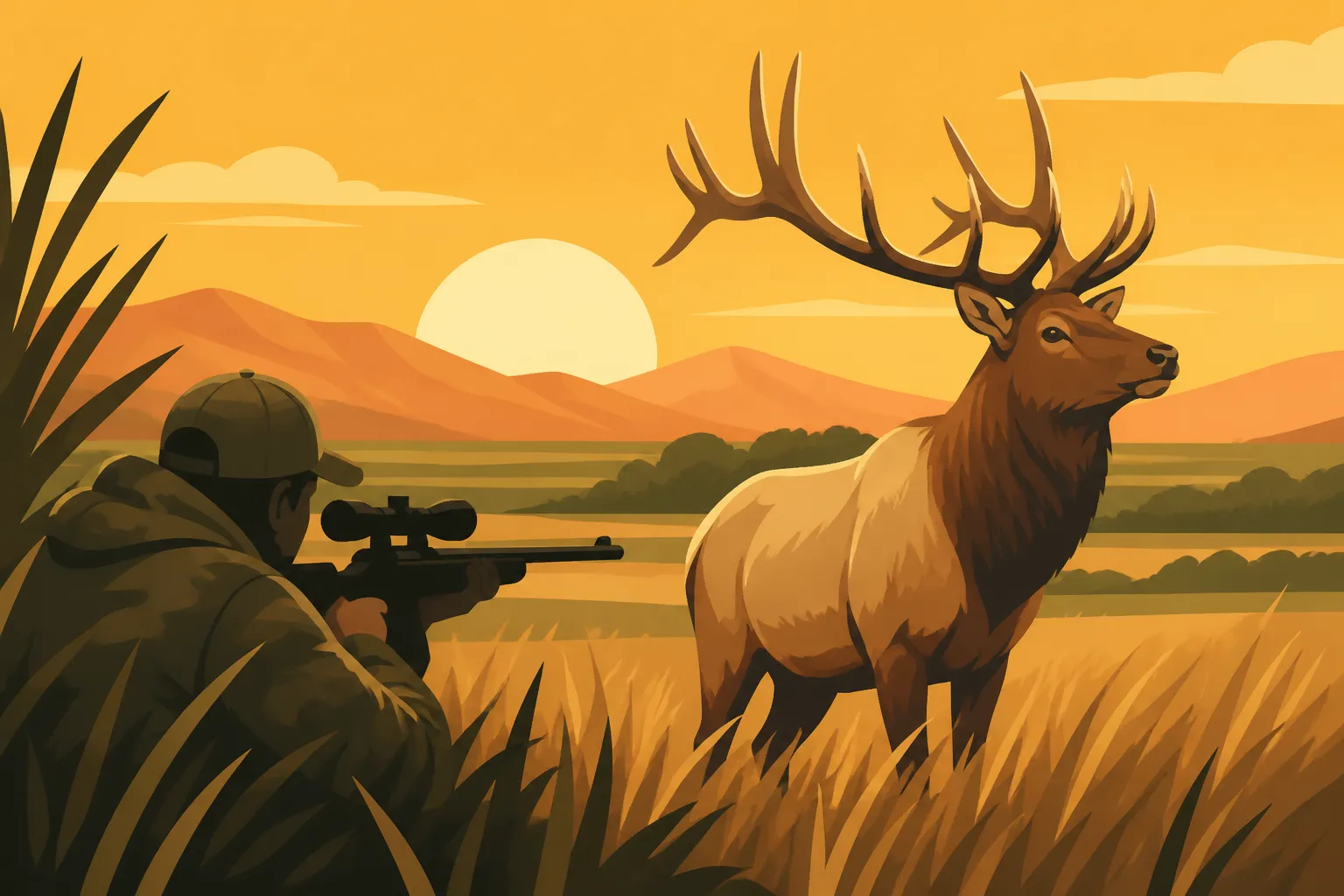
Tule Elk ( Cervus canadensis nannodes) are distinctly smaller than their Rocky Mountain or Roosevelt elk cousins. A mature bull typically weighs between 450-700 pounds, with cows ranging from 375-425 pounds. This smaller stature is a key identifying characteristic, especially when viewed alongside the larger mule deer or blacktail deer that often share their habitat. Their coats are generally light tan to grayish, with a darker brown neck and legs, and a distinctive light-colored rump patch. Their smaller size allows them to navigate dense Central Valley tules and chaparral more easily than larger elk species might.
Antler growth in Tule Elk bulls follows the typical elk pattern, though again, their racks tend to be less massive and shorter in tine length than other subspecies. Bulls usually begin growing new antlers in the spring, shedding the velvet in late summer, just in time for the rut. A mature bull will often sport 5×5 or 6×6 racks, characterized by long, slender main beams and graceful tines. Field judging antler size can be tricky, especially in thick cover, so it's always best to be patient and observe before making a decision. Like all deer species, their antlers are a direct indicator of their age, health, and nutritional intake throughout the year.
Diet, Habitat, and Social Structures
Tule Elk are primarily grazers, preferring grasses and forbs, though they will browse on shrubs and leaves, especially during drier periods or when preferred forage is scarce. This preference for grazing makes them well-suited to the open grasslands and irrigated pastures often found in and around the Central Valley. They need access to reliable water sources, which can be a critical factor in their distribution, especially during California's long, dry summers. Their habitat requirements often overlap with deer and other wildlife, meaning that understanding general California deer behavior can be helpful in locating elk, even though their primary food sources may differ. For instance, knowing how to interpret Reading California Mud for Fresh Deer Movement can also provide clues for elk.
Socially, Tule Elk live in herds, with cows and calves forming matriarchal groups, while bulls often form bachelor groups for much of the year. As the rut approaches, these bachelor groups break up, and bulls begin to compete for breeding rights within the cow herds. Their social structure influences their movements and can be a key factor in predicting where you might find them. Understanding these dynamics is crucial for any hunter, as it helps in anticipating their behavior and movements throughout the season.
The Rut and Breeding Season Dynamics
The Tule Elk rut typically occurs from late July through September, though the exact timing can vary slightly depending on the specific herd and environmental conditions. This is a period of intense activity, marked by the iconic bugling of bulls, sparring, and the establishment of dominance hierarchies. The bugle, a haunting and powerful sound, is used by bulls to advertise their presence, challenge rivals, and attract cows. For hunters, hearing a bull bugle is an unforgettable experience and often the primary method used to locate animals during the early rifle or archery seasons.
During the rut, dominant bulls will gather and defend harems of cows. These bulls are often less cautious than at other times of the year, driven by the urge to breed. However, they are also constantly on the move, chasing cows and fending off challenger bulls, which makes for dynamic, if sometimes unpredictable, hunting conditions. Understanding the rut's timing and intensity for a specific unit is paramount. Often, hunters will monitor activity leading up to the season using scouting trips or trail cameras, noting specific California Elk Bugling Activity Timing in their chosen area.
The Challenge of Drawing a Tule Elk Tag
Let's be real: drawing a Tule Elk tag in California is tough. It's often likened to winning the lottery, and for good reason. But that doesn't mean it's impossible, and understanding the process is the first step toward making that dream a reality.
California's Elk Tag Drawing System
California utilizes a preference point system for its big game drawings, including Tule Elk. When you apply for an elk tag, you're essentially applying for a hunt choice and also accruing a preference point if you're unsuccessful. These preference points are designed to give applicants a better chance in future drawings, as they increase your odds each year you don't draw. The more preference points you have, the higher your chances, theoretically. However, it's not a guarantee, and with Tule Elk, even maximum preference points don't assure a tag due to the extremely limited number available. Many successful applicants have accumulated points over a decade or more.
The application period for elk tags typically opens in April and closes in early June, usually the first Tuesday in June. This is a critical window to apply through the CDFW's Automated License Data System (ALDS). You'll need an active California hunting license to apply. There's also an application fee in addition to the license cost. It's essential to research the different Tule Elk hunt choices available, which include various units, seasons (archery or general), and sometimes specific weapon types. Tools like GoHunt can be incredibly helpful here, as they provide detailed drawing odds, harvest statistics, and unit information that would take countless hours to compile manually. This data can help you choose a unit where your preference points might have the best chance, even if "best chance" still means slim odds.
Understanding Draw Odds and Point Accumulation
Let's not sugarcoat it: Tule Elk draw odds are low. We're talking percentages well under 1% for many of the most popular and productive units. For coveted tags like those in the Grizzly Island or San Luis NWR Complex hunts, it can take 15, 20, or even more preference points to draw. This is the reality when there are hundreds or thousands of applicants vying for just a handful of tags. For example, knowing What Draw Odds Under One Percent Mean becomes critically important when planning your application strategy.
The system is set up so that a certain percentage of tags go to the highest point holders, while others are distributed randomly among applicants, ensuring that even someone with zero points has a slight chance. This encourages continued participation, but the long game is definitely about accumulating those points. Many hunters choose to consistently apply for a Tule Elk tag each year, even if they don't expect to draw, simply to build their point total. This patience and persistence are key to one day seeing that coveted "Successful" notification. Remember, you can also accrue a point without putting in for a specific unit, simply selecting the "point only" option, which is a popular strategy for hunters playing the long game.
Buying a Landowner Tag
For those who simply cannot wait or have exhausted their patience with the draw system, there is another, albeit costly, avenue: purchasing a landowner tag. California has a private lands management (PLM) program that allows certain landowners, whose properties provide significant habitat for elk, to receive a limited number of tags that they can then sell directly to hunters. These are not cheap; What a Tule Elk Landowner Tag Costs can range from several thousand to tens of thousands of dollars, depending on the outfitter, the quality of the hunting, and the perceived trophy potential.
These landowner tags bypass the public drawing system entirely, offering a guaranteed opportunity to hunt Tule Elk in a given year. While financially prohibitive for many, they provide an invaluable option for others who prioritize the hunting experience over the cost. Hunting on these private ranches often comes with additional benefits, such as guides, lodging, and exclusive access to prime habitat, which can significantly increase success rates. This route, while not for everyone, contributes to the overall conservation of Tule Elk by incentivizing landowners to manage their property for wildlife.
Strategies for Hunting Tule Elk
So, you've managed to draw that elusive Tule Elk tag—congratulations! Now the real work begins. Hunting Tule Elk, especially in the varied terrain of the Central Valley and its foothills, requires a combination of meticulous scouting, strategic thinking, and physical preparedness.
Pre-Season Scouting and Preparation
Effective scouting is paramount when hunting Tule Elk. These animals can be highly mobile, and their preferred hangouts can change from year to year based on feed, water, and pressure. Start well before the season opens, if possible, utilizing tools like aerial maps and satellite imagery to identify potential bedding areas, feeding grounds, and travel corridors. Look for water sources, especially during the dry summer months, as elk will always be close to them. Glassing vantage points are crucial in open country, allowing you to cover vast areas efficiently. Using a good spotting scope for Spotting Scopes for Long-Range Blacktail Glassing can save your legs.
Physical conditioning is also critical. Whether you're hunting the rolling hills of Cache Creek or the dense tules of the San Luis Refuge, you'll likely be covering significant ground, often in challenging conditions. The Central Valley can be scorching hot during early archery seasons, so heat management and hydration are non-negotiable. Ensure your gear is in top shape, including your rifle or bow, optics, and a comfortable pack. Practice shooting from various positions and distances, as opportunities can be fleeting and at odd angles. Remember, California requires non-lead ammunition for all hunting, so make sure your rifle is sighted in with certified non-lead loads.
Spot-and-Stalk Techniques
Spot-and-stalk is one of the most effective methods for hunting Tule Elk, particularly in more open or moderately timbered terrain. This technique involves finding elk from a distance—often using binoculars or a spotting scope from a high vantage point—and then carefully planning a stalk to get within shooting range. In areas like the Carrizo Plain or open public lands near the Owens Valley, glassing expansive areas at first light and last light is key. Look for elk feeding in meadows, moving between bedding and feeding areas, or seeking shade during the heat of the day.
Once you've spotted an animal you want to pursue, the stalk becomes a chess match against the elk's keen senses. Pay meticulous attention to wind direction, thermals, and available cover. Tule Elk have excellent eyesight and hearing, so moving slowly, quietly, and using every bit of terrain to your advantage is essential. Sometimes, a successful stalk can take hours, involving crawling, waiting, and navigating difficult terrain. Being familiar with methods like Glassing a Canyon for a Bedded Buck can be adapted for elk.
Calling During the Rut
During the rut, calling can be an incredibly exciting and effective tactic for Tule Elk, particularly for archery hunters. Bull elk are vocal during this period, bugling to challenge rivals and gather cows. Learning to imitate these calls—from the aggressive bugle of a dominant bull to cow and calf chirps—can draw curious or territorial bulls into range. However, calling requires practice and understanding of elk vocalizations. Over-calling or making incorrect calls can alert elk to your presence and send them running.
Often, a combination of calling and strategic positioning works best. If you locate a bugling bull, you might set up in a position that forces him to come to you to investigate or challenge, putting him within your shooting lane. It's also crucial to consider a "caller and shooter" strategy, where one person calls from a distance to draw the elk, while the shooter positions themselves for a shot. This strategy is particularly effective for archery hunters where precise shot placement and closer distances are paramount. Remember to consider Grunt Calls in Coastal Oak Timber which can be used to elicit a response from nearby animals.
Still-Hunting and Ambush Tactics
In denser habitats, such as the oak woodlands of Cache Creek Wildlife Area or the thick tules and riparian zones along Central Valley rivers, still-hunting or ambush tactics might be more effective. Still-hunting involves moving extremely slowly and deliberately through the elk's habitat, pausing frequently to observe and listen. The goal is to spot the elk before they spot you, using natural cover to conceal your movement. This method requires immense patience and an intimate understanding of the terrain.
Ambush tactics, on the other hand, involve setting up near known elk travel routes, feeding areas, or water sources and waiting for them to come to you. This is particularly effective if you've done extensive pre-season scouting and identified key pinch points or transition areas. Think about setting up near a water hole in the late season when other water sources have dried up, or along a heavily used game trail leading to a prime feeding ground. For archery hunters, this might involve using a ground blind that has been brushed in effectively. Being proficient at Using a Ground Blind on BLM Land will increase your chances of success.
Post-Harvest Considerations and CWD
Harvesting a Tule Elk is a monumental achievement, but the work doesn't stop there. Proper field care of the animal, compliance with reporting requirements, and understanding disease monitoring are crucial responsibilities for every hunter.
Field Care in the Field
California hunting seasons, particularly for Tule Elk, can often occur during warm weather, making immediate and proper field care critical to preserving the meat. Once an elk is down, the priority is to gut it quickly to allow the carcass to cool. Skinning the elk as soon as possible, especially if temperatures are high, further aids in cooling. Quartering the animal in the field is often necessary due to the elk's size and the challenging terrain where they are often found. Using strong, clean game bags will protect the meat from dirt and insects during transport. Learning how to properly Field Dressing a Deer in Hot Weather can be scaled up to elk, ensuring meat quality.
Having a robust pack frame is essential for packing out an elk, as their weight can be substantial, especially when quartered. Many hunters will make multiple trips to retrieve all the meat. If hunting in a remote area, having a plan for meat transport, including coolers filled with ice at the trailhead, is non-negotiable. Proper field care ensures that the hard-earned meat is not spoiled and provides delicious, lean protein for your table.
Tagging and Reporting Requirements
California has strict regulations regarding tagging and reporting harvested big game, and Tule Elk are no exception. Immediately after dispatching an elk, you must validate and attach your elk tag to the animal. The tag must remain affixed to the carcass until it reaches your home or a meat processing facility. This is not just a formality; it's a legal requirement that helps the CDFW manage wildlife populations.
You are also required to report your elk harvest to the CDFW. This can often be done online through the ALDS system or by mail. The reporting deadline is usually within 30 days of the harvest or by January 31st if the season extends into the new year. Accurate harvest data is vital for wildlife biologists to assess population health, set future tag quotas, and make informed management decisions. As a responsible hunter, fulfilling these reporting obligations is a key contribution to conservation efforts. You can often complete this process using the same online portal where you manage your California Hunting Licenses and What They Cost.
California's Emerging CWD Concern
Chronic Wasting Disease (CWD) is a serious neurological disease affecting deer, elk, and moose. While California had historically been CWD-free, two confirmed cases were found in 2024, prompting increased vigilance. These cases were identified in a deer in eastern Madera County and another in Inyo County, areas adjacent to or within Tule Elk ranges. This development means hunters must be aware of California's Emerging CWD Concern and take precautions.
The CDFW has established CWD Testing Zones in areas where the disease has been detected. If you harvest an elk in one of these zones, mandatory CWD testing may be required. This typically involves submitting specific lymph node samples from your harvested animal. It's crucial to check the most current CDFW regulations regarding CWD zones and testing requirements before heading afield. Hunters are also advised to avoid consuming meat from an animal that appears sick or tests positive for CWD. Responsible carcass disposal, often involving burying brain and spinal column material, is also recommended to prevent the spread of the disease. These measures are critical to protecting California's wild elk and deer populations for future generations.
Conservation Efforts and Future Outlook
The story of the Tule Elk in California is one of triumph, but it's an ongoing effort. Continued conservation, careful management, and responsible hunting are all vital to ensuring these unique animals thrive into the future.
Ongoing Habitat Restoration and Protection
While the Tule Elk population has rebounded, their habitat continues to face challenges from urban development, agricultural conversion, and climate change. Ongoing habitat restoration and protection efforts are therefore critical. This includes projects focused on restoring riparian corridors, enhancing grasslands, and protecting migratory routes. Organizations like the Rocky Mountain Elk Foundation (RMEF) and local land trusts often partner with state and federal agencies to acquire and manage key habitats for elk and other wildlife. These efforts are not just about elk; they benefit a myriad of species that share the same ecosystems.
In the Central Valley, specifically, maintaining and enhancing the mosaic of wetlands, grasslands, and oak woodlands is paramount. Many of these areas, such as the San Luis National Wildlife Refuge Complex and Grizzly Island Wildlife Area, are actively managed to provide prime forage and cover. Hunters play a crucial role in funding these initiatives through license and tag purchases, directly contributing to the conservation of the species they pursue. Understanding the California Wildlife Area Access Rules can provide insight into how these areas are managed.
The Role of Regulated Hunting in Management
Regulated hunting is not just a recreational activity; it's a vital tool in modern wildlife management. For Tule Elk, carefully managed hunts allow wildlife biologists to:
- Gather Data: Harvest data, including age, sex, and location of kill, provides crucial information about herd health, population dynamics, and distribution. This information helps biologists make informed decisions about future tag allocations and management strategies.
- Manage Populations: While Tule Elk are not overpopulated, limited hunting can help manage herd numbers, preventing overgrazing in specific areas and maintaining a healthy balance between elk and their habitat. It can also help control disease spread by removing older or weaker animals.
- Fund Conservation: As mentioned, a significant portion of hunting license fees and excise taxes on firearms and ammunition (through the Pittman-Robertson Act) directly funds wildlife research, habitat acquisition, and conservation programs. Hunters are truly conservationists, putting their money where their passion is. This is exemplified in programs for California Hunting Licenses and What They Cost.
The limited nature of Tule Elk tags ensures that these hunts are sustainable and do not negatively impact the overall population. The number of tags issued each year is based on extensive scientific research and population assessments, always prioritizing the long-term health of the herds.
Future Challenges and Opportunities
Looking ahead, Tule Elk face continued challenges. Climate change, with its potential for increased drought and wildfire, poses a significant threat to their habitat and forage availability. The ongoing expansion of human development further fragments landscapes, making it harder for elk to move freely between essential resources. Disease, as evidenced by the recent CWD detections, is another looming concern that requires constant monitoring and proactive management.
However, there are also opportunities. Continued investment in habitat restoration, innovative land management practices, and ongoing research into elk biology can help mitigate these threats. Public education is also key, fostering a greater appreciation for Tule Elk and the conservation efforts required to sustain them. For hunters, the opportunity to pursue these magnificent animals remains a testament to past conservation successes and a call to ongoing stewardship. By remaining engaged, supporting conservation organizations, and adhering to ethical hunting practices, we can all contribute to a bright future for California's Tule Elk.
Disclaimer
Please note that hunting regulations, season dates, and tag requirements are subject to change. Always consult the most current California Department of Fish and Wildlife (CDFW) regulations and publications before planning any hunting trip. This guide is for informational purposes only and does not constitute legal advice.