Why Turkeys Thrive in California Oak Woodland
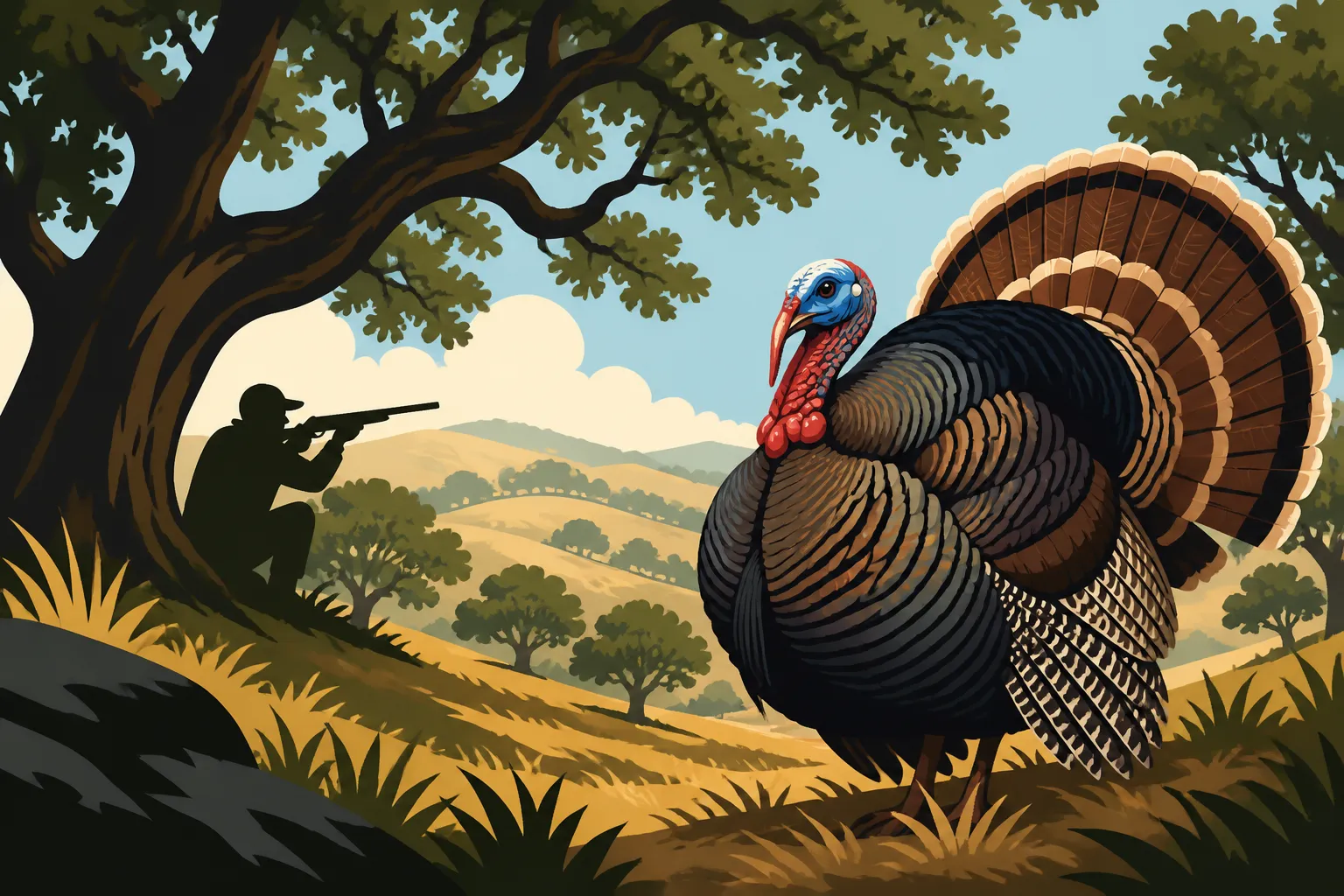
For many California hunters, the sight of a gobbler strutting through golden oak woodlands feels as natural as the setting sun. Yet, it wasn't always this way, and many folks still scratch their heads wondering how these magnificent birds have become such a ubiquitous part of our landscape, especially in specific ecosystems. This guide will take a deep dive into the unique symbiotic relationship between California's wild turkeys and its iconic oak woodlands, exploring the specific habitat features that allow these birds to truly thrive.
The Acorn Abundance: A Year-Round Food Bonanza
If you've spent any time in California's oak woodlands, you know that the ground beneath those majestic trees is often littered with acorns. For wild turkeys, these aren't just snacks; they're the lifeblood of their diet, providing a critical, high-energy food source that sustains them through much of the year. This consistent availability of acorns is perhaps the single most important factor in why turkeys have flourished here.
Seasonal Feast of Oaks
Different species of oaks drop their acorns at different times, creating a prolonged buffet for turkeys. Black oaks might drop their bounty in early fall, while valley oaks and blue oaks can continue well into winter, and even into early spring if a good mast crop occurred. This staggered timing means that turkeys aren't dependent on a single, fleeting food source. Instead, they can move through their home range, following the falling acorns. Imagine being a turkey: as one patch of woodland finishes its acorn drop, another begins, ensuring a continuous supply of vital calories. This isn't just about survival; it's about building fat reserves for breeding season and surviving lean times. When you're Hunting After a Poor Acorn Year, you quickly realize how much turkeys depend on that mast crop. A bad year can push birds out of their typical haunts, making them harder to locate.
Beyond the acorns themselves, the oak woodland ecosystem fosters a rich array of other food items. As fall transitions to winter, turkeys will glean whatever is left on the ground, often scratching through leaf litter to find overlooked nuts. In spring and summer, the same rich soil and dappled sunlight beneath the oaks lead to an explosion of insects – beetles, grasshoppers, ants – which are crucial protein for hens and growing poults. For a turkey, the oak woodland isn't just a restaurant; it's a multi-course, all-you-can-eat buffet that changes with the seasons, always offering something nutritious.
Other Forage Opportunities
While acorns are king, California's oak woodlands offer a diverse understory that supplements a turkey's diet beautifully. Think about the green shoots and tender leaves that emerge after winter rains, or the various seeds from grasses and forbs that carpet the forest floor. Turkeys are expert foragers, constantly pecking and scratching. They'll consume a wide variety of plant matter, from clover and filaree in the spring to various berries and seeds in the summer. This dietary flexibility is a huge advantage. They aren't picky eaters when it comes to nutritious offerings. This ecological diversity ensures that even if one food source is scarce, others are often available, providing a critical buffer against localized food shortages. Finding Sign in a Coastal Oak Woodland often involves spotting their distinctive scratch marks where they've been digging for grubs and seeds, not just acorns.
Sanctuary in the Branches: Roosting and Nesting Cover
Beyond food, wild turkeys need a safe place to call home – somewhere to escape predators, roost securely at night, and raise their young. California's oak woodlands provide this in spades, with their towering trees offering ideal roosting sites and the dense undergrowth providing critical nesting cover.
Secure Roosting Sites
Picture a mature valley oak, its massive limbs spreading wide, some reaching a hundred feet or more into the sky. These aren't just pretty trees; they are turkey fortresses. At dusk, turkeys will fly up into the highest, most horizontal branches, often seeking out trees that stand above the surrounding canopy. This elevation provides safety from ground predators like coyotes, bobcats, and mountain lions. From their lofty perch, they have a clear view of their surroundings, and it’s much harder for a predator to sneak up on them.
The strong, horizontal limbs of these large oaks can comfortably hold entire flocks, allowing them to roost together for added security. This communal roosting is a key social behavior, and the availability of such ideal trees in the oak woodlands is paramount to their survival and proliferation. If you've ever scouted for turkeys, you know that finding their traditional roost sites is a huge part of locating birds, and those sites are almost invariably in the biggest, oldest oak trees. Knowing California Turkey Roost Tree Preferences is a game-changer for successful hunting.
Concealed Nesting and Brooding Cover
While the big trees provide safety at night, the understory of the oak woodland is crucial during the day, especially for hens. Hens need dense cover to build their nests, typically a shallow depression on the ground, carefully camouflaged by brush, downed limbs, or thick grass. This cover protects their eggs from opportunistic predators and the elements.
Once the poults hatch, the hens lead them to areas with thick vegetation, often near water sources, where the young can forage for insects and remain hidden from aerial predators like hawks and owls, as well as ground-based threats. The mosaic of open areas (for bugging) and dense thickets (for escape) found within a healthy oak woodland provides the perfect nursery environment. Without adequate nesting and brooding cover, poult survival rates would plummet, severely impacting the overall turkey population. This crucial element is one of the many reasons why the oak woodlands are perfect.
The Lifeline: Water Availability and Mild Climate
Even with abundant food and secure cover, no wildlife can thrive without water. California's oak woodlands, particularly in the foothills and coastal ranges, are often characterized by numerous springs, seasonal creeks, and seeps, providing consistent access to this essential resource. Coupled with a generally mild climate, these factors further solidify the oak woodland as prime turkey habitat.
Consistent Water Sources
Throughout much of the year, especially during the spring and early summer when poults are growing rapidly and adult birds are highly active, turkeys need to drink regularly. The undulating terrain of many oak woodlands, coupled with the seasonal rains, creates a network of small drainages and natural springs that hold water even when larger rivers might be distant. A turkey won't typically travel miles for a drink; they prefer to have it within their home range.
Many ranches and public lands within oak woodland zones often have natural seeps or small ponds created for livestock, which turkeys also readily utilize. This consistent access to water means turkeys don't have to expend valuable energy making long, risky treks, allowing them to stay focused on foraging and breeding. This is particularly important during the warmer months, when California's famous dry heat can make water a scarce commodity elsewhere.
A Climate Just Right
California's oak woodlands generally experience a Mediterranean climate characterized by mild, wet winters and hot, dry summers. While the summers can be warm, the milder temperatures of spring and fall are ideal for turkey breeding and foraging. Unlike regions with brutal winters and deep snow, turkeys in California don't face extreme cold or prolonged periods where food is buried under snow. This extended period of moderate weather allows for a longer foraging season and reduces the energetic demands of simply staying warm.
The occasional rain in spring can green up the landscape, spurring insect hatches and new plant growth, providing an added boost of nutrition. This isn't to say turkeys don't face challenges, but the overall climatic conditions within the oak woodland zones are largely favorable, contributing significantly to their ability to flourish.
The California Reintroduction Success Story
It's easy to forget that while wild turkeys are now a common sight, they weren't always so widespread in California. The remarkable success of their reintroduction programs, strategically focusing on habitats like the oak woodlands, played a massive role in their current thriving status.
Historical Context and Modern Success
Historically, California had its own native subspecies of wild turkey, the Merriam's, but these populations dwindled and eventually disappeared by the early 20th century. What we see today are primarily descendants of successful reintroductions of Rio Grande, Merriam's, and Eastern subspecies, primarily from the 1950s through the 1990s. The biologists didn't just release birds anywhere; they carefully selected areas with ideal habitat. Time and again, those ideal habitats were the oak woodlands.
The strategy was to release birds into areas with suitable food, water, and cover – essentially, replicating the perfect conditions we've been discussing. The ability of these reintroduced birds to adapt and multiply rapidly within these specific California ecosystems is a testament to how perfectly suited the oak woodlands are for their needs. This isn't just a happy accident; it's a planned conservation triumph, and a testament to good game management. Knowing the history of Introduced Wild Turkeys in California helps appreciate how deliberate this success has been.
Challenges and Continued Growth
Of course, it's not all sunshine and acorns. Turkeys face natural predation, disease, and habitat loss in certain areas due to development. However, the sheer resilience of the birds, combined with the inherent richness and protective qualities of the oak woodlands, has allowed them to overcome many of these challenges.
Today, turkeys can be found in 50 of California's 58 counties, a truly impressive feat. While their populations are strong in areas like the Sierra Nevada foothills, the coastal ranges, and the oak savannas of the Central Valley, it's those classic oak woodland settings that consistently report the highest densities and provide the backbone for their continued expansion. When you’re trying to understand California Turkey Population by Region, you’ll always find the oak woodland zones highlighted. Scouting these areas, perhaps with tools like GoHunt that integrate mapping with habitat analysis, can reveal just how extensively turkeys utilize this specific environment.
Strategies for Hunting Thriving Oak Woodland Turkeys
Understanding why turkeys thrive in oak woodlands isn't just academic; it directly translates into more successful hunting strategies. When you know what makes them tick, you can better anticipate their movements and behaviors.
Locating Birds in Dense Oak Terrain
The sheer size and density of some oak woodlands can make locating birds challenging. They have an abundance of places to hide, forage, and move. Your strategy needs to leverage your knowledge of their needs. Focus on areas that offer the best combination of food, water, and cover. This often means finding transitional zones – where dense oak stands meet more open grasslands, or where a ridge-top offers both large roosting trees and nearby seeps.
During the spring, when gobblers are vocal, listen for those early morning roost calls. Once you've located a general area, focus on scouting for fresh sign: tracks, droppings, and scratch marks. Remember, GoHunt and similar mapping applications can be invaluable for identifying prime oak habitats, water sources, and potential travel corridors. Look for the biggest trees that line creek bottoms or stand proud on a ridge for likely roost sites.
Here’s a quick overview of oak woodland features and how they benefit turkeys:
| Habitat Feature | Turkey Benefit |
|---|---|
| Acorn Production | Primary high-energy food source, year-round |
| Diverse Understory | Insects for protein, varied plant forage, seeds |
| Mature Oak Trees | Secure, elevated night roosts, predator evasion |
| Dense Brush/Thickets | Nesting cover, poult protection from predators |
| Springs/Creeks/Seeps | Consistent water source, especially in dry seasons |
| Mild Climate | Extended foraging season, reduced cold stress |
Calling and Setup in Oak Woodlands
The rolling terrain and varied cover of oak woodlands dictate specific calling and setup tactics. Unlike open fields, you often have broken lines of sight. This can work to your advantage if you set up carefully. You can use terrain features like small ridges or draws to conceal your approach and then set up with a good backstop, using a large oak tree to break up your outline. Setting Up Against a Big Valley Oak is a classic move for a reason.
Your calling strategy might need to be more aggressive to draw a gobbler through dense cover, but always be ready for him to appear silently. Rattling or purring can sometimes entice a hesitant bird that’s hanging up just out of sight. Remember that turkeys are smart, and highly pressured birds will often hang back, trying to pinpoint the source of the call without exposing themselves. Knowing how to adapt your calling from loud to soft, from aggressive to subtle, is key in this environment. Sometimes, When California Gobblers Go Quiet in Late Spring, it takes patience and soft calls to bring them in. The ambient sounds of the rustling leaves and distant calls in the oak woodland make it a perfect stage for realistic turkey vocalizations.
Disclaimer
This article is for general informational purposes only and does not constitute professional advice. Laws, prices and regulations vary by location and change over time. Consult a qualified professional for guidance on your specific situation.