What a Tule Elk Landowner Tag Costs
Getting an elk tag in California is, for many, a dream that often feels out of reach. The reality is that drawing a coveted Tule Elk tag through the public lottery is incredibly challenging, a test of patience that can span decades with abysmal odds. For those who yearn to chase these magnificent animals without waiting a lifetime, a landowner tag often emerges as the only viable path, but the burning question on everyone's mind is always: what's it actually going to cost? This guide is here to shed light on the financial commitment involved with Tule Elk landowner tags in California, helping you understand the price, the value, and the process.
The Elusive Nature of California Elk Tags and the Rise of Landowner Options
Let's face it: drawing a premium big game tag in California, especially for elk, feels like winning the lottery without buying a ticket sometimes. The population of California's Tule Elk, while a remarkable conservation success story from near-extinction, is still limited, leading to very few tags being issued each year through the general drawing. Hunters can spend years, even decades, accumulating preference points only to see their hopes dashed year after year. It's a frustrating cycle for many who dream of a California elk hunt. For a deeper dive into the lottery system, you can learn more about Applying for a California Tule Elk Tag in the Big Game Drawing.
This scarcity and immense demand are precisely why landowner tags exist and why they command such a premium. Landowner tags are essentially a system designed to incentivize private landowners to manage their property for wildlife habitat, specifically for species like elk that roam across both public and private lands. In return for maintaining habitat and allowing controlled hunting, the California Department of Fish and Wildlife (CDFW) allocates a limited number of tags directly to these landowners. These tags can then be used by the landowner, gifted, or more commonly, sold to hunters. It's a way to provide limited, guaranteed access to an otherwise almost impossible hunt, bypassing the public draw system entirely. This also explains why you might hear about California Elk Tag Draw Odds by Species being so low for the public.
For many, the public drawing simply isn't a realistic option for securing an elk hunt in any reasonable timeframe. The sheer number of applicants compared to the handful of tags available for species like Tule Elk means that waiting for a lucky draw could mean waiting until you're too old to hunt or simply never drawing at all. This harsh reality pushes determined hunters towards landowner tags, despite their significantly higher price point, as a way to guarantee a hunt experience.
Deconstructing the Cost of a Tule Elk Landowner Tag
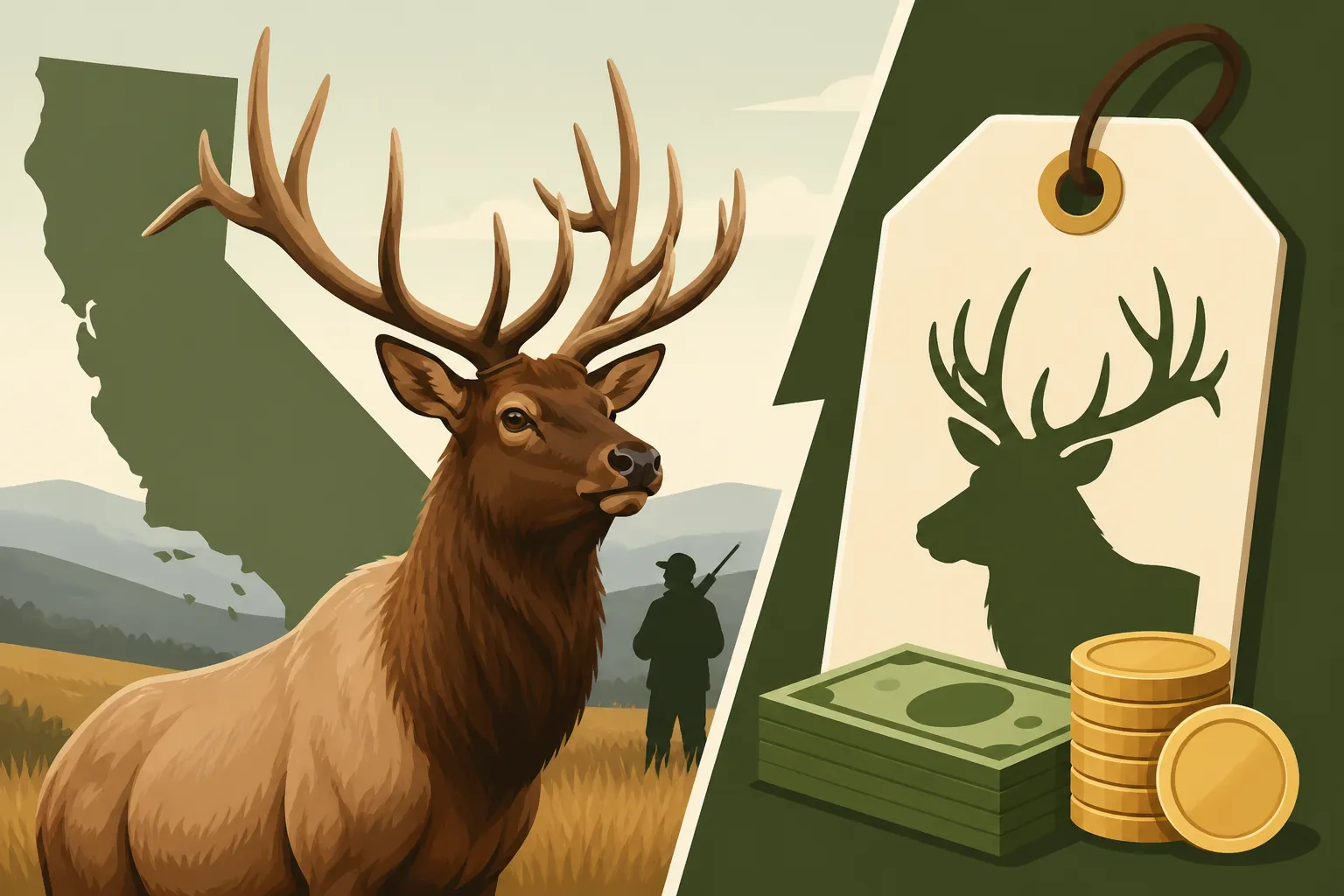
Now, for the million-dollar question – or perhaps, the tens-of-thousands-of-dollars question: what does a Tule Elk landowner tag actually cost? Let's be upfront: these tags are not cheap. They represent a significant investment, often ranging from $15,000 to upwards of $40,000, and sometimes even more, depending on the specific tag, the outfitter, the region, and the trophy potential. This isn't just about the "tag" itself; it's about the exclusive access to prime private land, often a guided hunt experience, and the very high probability of success.
The factors influencing this price are numerous and complex:
- Scarcity and Demand: As mentioned, Tule Elk tags are incredibly rare. High demand from hunters eager to bypass the draw system meets a very limited supply, driving prices skyward. This is pure economics in action.
- Quality of the Hunt and Trophy Potential: Landowner tags are often associated with properties known for holding large, mature bulls. Outfitters and landowners marketing these tags often highlight past trophy success, herd management efforts, and the quality of the genetics on their land. A tag for a ranch known to consistently produce Boone and Crockett-class bulls will naturally command a higher price than one for a property with a less established reputation.
- Guided vs. Unguided: The vast majority of Tule Elk landowner tags are sold as part of a fully guided hunt package. This means the price includes the services of experienced guides who know the property intimately, can locate elk, and assist with tracking and field dressing. An unguided landowner tag would be significantly cheaper, but these are exceedingly rare for elk, as the value proposition for the landowner often lies in providing a complete, high-success experience.
- Inclusions in the Package: The advertised price typically includes more than just the right to harvest an elk. It often covers meals, comfortable lodging on or near the ranch, transportation during the hunt (e.g., ATVs, 4×4 vehicles), and initial field care of the animal. Some high-end packages might even include caping for taxidermy or basic meat processing.
- Location and Accessibility: Properties in prime Tule Elk habitat, particularly those known for their robust herds in areas like the Central Valley, will often command higher prices. Ease of access to the ranch also plays a role; remote, challenging terrain might be slightly less expensive if it increases logistical costs for the outfitter, but often the quality of the elk found there keeps prices high. For those interested in where these hunts typically occur, consider researching Hunting Tule Elk in the Central Valley.
- Reputation of the Outfitter/Landowner: Established outfitters with a proven track record of successful hunts and satisfied clients can command higher prices. Hunters are paying for expertise, reliability, and a streamlined experience. It's worth researching potential outfitters thoroughly, just as you might use resources like GoHunt to scout public land opportunities or analyze draw odds.
It's crucial to understand that while the "tag" might be the focus, you're truly buying an entire hunting experience designed to maximize your chances of success on a trophy animal. The price reflects not just the piece of paper, but the years of habitat management, scouting, and professional services that go into making that hunt possible.
Navigating the Landowner Tag Purchase and Hunt Experience
Once you've wrapped your head around the potential investment, the next step is understanding the process of actually acquiring and utilizing a Tule Elk landowner tag. It's not as simple as picking one up at your local sporting goods store.
1. Finding Available Tags:
Landowner tags are generally not listed publicly on the CDFW website. You'll need to seek them out through specialized channels:
- Hunting Brokers and Consultants: Many hunters work with reputable hunting brokers who specialize in high-end, guaranteed tags. These brokers have established relationships with landowners and outfitters and can guide you through the options, often for a fee or commission built into the hunt price.
- Direct Outfitter/Landowner Contact: Some larger ranches or dedicated hunting operations manage their own landowner tags and advertise directly. This requires more independent research. Online platforms and hunting forums, or even resources like GoHunt, can sometimes connect you with these opportunities or list outfitters.
- Specialized Hunting Platforms: There are a few online platforms that act as marketplaces for these types of premium tags, connecting landowners/outfitters with prospective hunters.
2. Understanding the Contract and Inclusions:
When you purchase a landowner tag and hunt package, you'll enter into a contract with the outfitter or landowner. It's absolutely critical to read this document thoroughly. Pay close attention to:
- What's Included: Confirm lodging, meals, guide services, transportation during the hunt, field dressing, and any initial meat/trophy care.
- What's Not Included: This is just as important. Expect to pay separately for your California hunting license and the physical elk tag fee (which is an additional cost on top of the landowner fee). You'll also be responsible for your travel to and from the ranch, any required Choosing Non-Lead Rifle Ammunition in California, taxidermy, extensive meat processing (beyond basic field quartering), and gratuities for your guide and camp staff. Don't forget, you'll need to have completed your California Hunter Education Requirements before you can even get a license.
- Hunt Duration and Dates: Clarify the exact dates and number of hunting days.
- Weapon Restrictions: While landowner tags allow for a broader range of weapon choices than some public seasons, ensure your preferred weapon, such as a rifle (see Rifles and Calibers for California Big Game), is permitted on that specific hunt.
- Success Guarantee (or lack thereof): While landowner hunts have very high success rates, few outfitters offer a 100% guarantee. Understand their policy if an animal isn't harvested.
3. Preparing for Your Hunt:
Even with a guided hunt, preparation is key. You'll still need appropriate gear, including good boots, clothing layers, and potentially your own optics (see Optics for California's Open-Country Deer Hunting). While the guide will handle much of the heavy lifting, you should still be physically prepared for walking and potentially steep terrain. For longer hunts, consider what kind of Packs and Gear for a Backcountry Elk Hunt you might need, even if it's just for daily essentials.
The landowner tag experience is designed to be as stress-free and successful as possible for the hunter. You're paying for expertise and access that dramatically increases your odds of harvesting a California Tule Elk.
Landowner Tags Versus Public Draw: A Comparative Look
When considering a Tule Elk hunt in California, the choice often boils down to the public drawing or the landowner tag route. Both have their distinct advantages and disadvantages, primarily centered around cost, certainty, and the hunt experience itself. For context, it's also worth looking into options like California's Once-a-Year Nonresident Elk Tag which has its own unique set of challenges and costs.
Let's break down the key differences in a table:
| Feature | California Public Draw Tule Elk Tag | California Tule Elk Landowner Tag |
|---|---|---|
| Cost (Estimated) | Base License + Tag Fee + Application (~$500-$1000) | Varies, typically $15,000 – $40,000+, plus license/tag fee |
| Certainty of Hunt | Extremely low (lottery-based, very poor odds) | Guaranteed hunt access upon purchase |
| Access | Primarily public lands, sometimes limited access | Exclusive access to specific private ranches/properties |
| Hunt Style | Often DIY, physically demanding, potentially crowded | Typically fully guided, comfortable, very low pressure |
| Success Rate | Highly variable, often low without extensive scouting | Generally very high (80-100%) due to managed herds/guides |
| Inclusions | Only the legal right to harvest (if drawn) | Often includes guide, lodging, meals, field care |
| Preparation Needed | Extensive personal scouting, gear, knowledge | Physical fitness, basic gear, trust in guide |
| Flexibility | Fixed season dates, specific zones | Often flexible dates within season, specific ranch |
| Overall Experience | The ultimate challenge, self-reliance, high risk | High-success, premium service, focused on trophy |
The Public Draw Path:
This route represents the traditional, often romanticized, path to hunting. It's about beating the odds, putting in the work, and earning your tag through sheer perseverance and a bit of luck. The cost of a California Hunting Licenses and What They Cost and the application itself is relatively low, making it accessible to many. However, the emotional toll of consistent disappointment can be high. If you do draw, the hunt itself is likely to be a rugged, do-it-yourself affair on public land, requiring significant scouting, physical exertion, and deep knowledge of the terrain. While incredibly rewarding, it comes with no guarantee of success.
The Landowner Tag Path:
This is the "pay-to-play" option, offering a much higher degree of certainty and a curated hunting experience. For a significant financial outlay, you skip the draw anxieties and gain access to meticulously managed private lands with healthy elk populations. The hunt is usually guided, greatly increasing your chances of success and providing valuable expertise. This option is ideal for hunters with the financial means who prioritize a guaranteed opportunity and a high-quality experience, perhaps with a specific trophy in mind, and who don't want to wait for the often insurmountable odds of the public drawing. While it's a different kind of challenge, it removes many of the logistical hurdles of a public land hunt. Remember, even with a landowner tag, you still need your general hunting license and pay the state's tag fee.
Ultimately, the choice between these two paths depends entirely on your personal circumstances, priorities, and budget. Both offer a chance to pursue one of California's most iconic big game animals, but with vastly different entry points and experiences. Many hunters continue to apply for the public draw each year, using tools like GoHunt to track their points and potential odds, while simultaneously saving up for the day they might opt for a landowner tag.
Disclaimer: The information provided in this article is for general guidance only and does not constitute legal advice. Hunting regulations, tag costs, and availability can change. Always consult the official California Department of Fish and Wildlife (CDFW) regulations and resources for the most up-to-date and accurate information before planning any hunting activity.