Hunting Tule Elk in the Central Valley
Hunting Tule elk in California's Central Valley is an experience unlike almost any other in the West. These incredible animals, once on the brink of extinction, represent a phenomenal conservation success story, but getting a tag to pursue them is one of the most challenging feats in California hunting. If you've ever dreamed of chasing a bull through the unique landscapes of the valley, this guide is going to walk you through everything you need to know, from understanding their history to navigating the draw and planning your actual hunt.
The Incredible Comeback of California's Tule Elk
It's truly a testament to dedicated conservation efforts that we even have the opportunity to talk about hunting Tule elk today. Imagine a time when these magnificent animals, unique to California, were almost entirely gone from the landscape. It's a sobering thought, but that's precisely the struggle they faced.
Historical Context and Conservation Success
Back in the mid-1800s, Tule elk populations, which once numbered in the hundreds of thousands, plummeted to fewer than ten animals due to market hunting and habitat loss during the Gold Rush era. It's almost unbelievable, isn't it? To go from vast herds roaming the Golden State to a mere handful, clinging to survival. The dedication of conservationists and landowners like Henry Miller, who protected the last remaining animals on his private property, was absolutely crucial. Without those initial efforts, these unique elk would be nothing more than a historical footnote.
Fast forward to today, and thanks to relentless reintroduction programs and habitat management, Tule elk have made an incredible comeback. Their story is a powerful reminder of what's possible when people commit to wildlife conservation. The herds have grown and expanded, leading to managed hunting opportunities that help sustain healthy populations and provide funding for ongoing conservation work. If you're interested in the specifics of their journey, you can dive deeper into the details of the Tule Elk Population Recovery From Near-Extinction.
Current Population and Distribution in the Valley
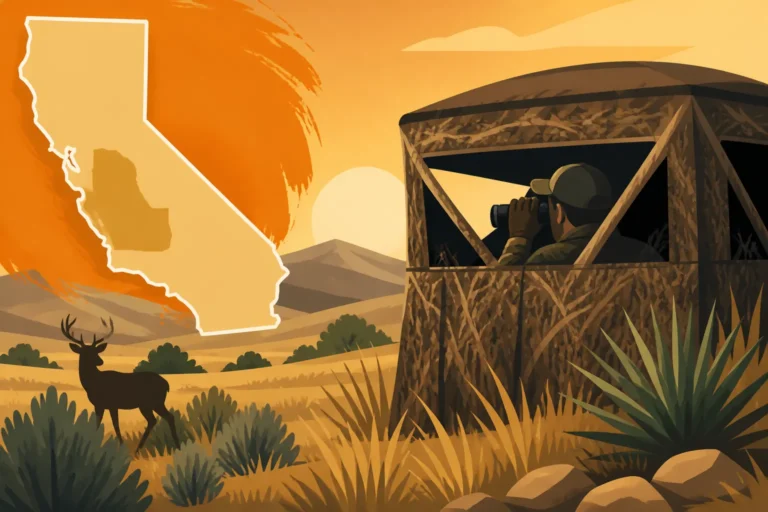
Today, California boasts over two dozen distinct Tule elk herds, with a statewide population estimated to be well over 5,000 animals. While some herds exist in other parts of the state, a significant portion of these unique elk reside right here in the Central Valley, spread across various public and private lands. These aren't your typical high-country elk; Central Valley Tule elk often inhabit a mosaic of agricultural fields, river bottoms, oak woodlands, and open grasslands.
You might find them browsing on irrigated pastures one moment and disappearing into dense riparian cover along a slough the next. This creates a really fascinating, and often challenging, hunting environment that is quite different from chasing Roosevelt elk in redwood country or Rocky Mountain elk near the Oregon border. Understanding Where California's Tule Elk Herds Range is paramount when considering where to apply for a tag. The habitat diversity means that your scouting and hunting tactics need to be incredibly adaptable to the specific area you draw.
Navigating the Drawing: Your Only Shot at a Central Valley Tule Elk Tag
Let's be blunt: drawing a Tule elk tag in California is tough. It's one of the most sought-after big game tags in the state, and for good reason. The limited number of tags issued ensures that hunting pressure remains low and populations stay healthy, but it also means the odds are stacked against you. Don't let that deter you, though; someone has to draw, and with persistence, it could be you!
Understanding the California Big Game Drawing System
California utilizes a preference point system for its big game drawings, including Tule elk. This means that for every year you apply for a tag and are unsuccessful, you accrue a preference point. The more points you have, the better your odds are in subsequent years, though it's still a lottery. It's not a true "points system" where the highest points automatically get the tag, but rather a system that increases your chances. This is especially important for species like elk where tags are incredibly scarce.
It's crucial to apply consistently, year after year, even if you can't hunt that particular season. Those points add up and are your golden ticket to eventually drawing one of these coveted tags. For a full breakdown of how it all works, check out The California Big Game Drawing Explained. You'll need to purchase a valid California hunting license before you can even apply for the draw, so make sure you're up to date on California Hunting Licenses and What They Cost.
Specific Elk Zones and Success Rates
Tule elk tags are issued for specific hunt zones, each with unique characteristics, season dates, and, most importantly, draw odds. Some of the well-known Central Valley zones include areas like Grizzly Island, La Panza, and Cache Creek, among others. These zones are usually either private land hunts or a mix of private and difficult-to-access public land. The California Department of Fish and Wildlife (CDFW) publishes hunt statistics annually, which include draw odds and harvest success rates for each zone. This data is absolutely invaluable when deciding where to put your application in.
| Hunt Zone (Example) | Tag Type | Avg. Draw Odds (Preference Points) | Avg. Harvest Success Rate | Typical Season Dates | Primary Habitat |
|---|---|---|---|---|---|
| Grizzly Island | Bull | Very Low (15+ Points) | High (80-90%) | July – Aug | Wetlands, Marsh |
| La Panza | Either Sex | Low (10+ Points) | High (70-85%) | Oct – Nov | Oak Woodlands |
| Cache Creek | Either Sex | Very Low (15+ Points) | Moderate (60-75%) | Sept – Oct | Riparian, Foothills |
| Owens Valley | Either Sex | Low (10+ Points) | High (75-90%) | Sept – Oct | Sagebrush, Riparian |
Note: Draw odds are highly variable and depend on the number of applicants and available tags each year. "Very Low" can mean less than 1% chance for many years.
As you can see, even with high preference points, some zones are still a long shot. Some hunters focus on specific units, while others spread their applications across multiple zones over the years to try and improve their chances. Remember, once you draw a Tule elk tag, you typically have to wait a certain number of years before you can apply for another. This makes each tag incredibly precious. For more specific guidance on the application process, refer to Applying for a California Tule Elk Tag in the Big Game Drawing. A tool like GoHunt's Insider service can also provide detailed draw odds and unit breakdowns, which can be invaluable when making these critical decisions.
Alternative Tag Options: Landowner Tags
While the public draw is the primary route, there is another, albeit significantly more expensive, option: landowner tags. California has a private lands management (PLM) program that allows certain landowners to manage their property for wildlife and receive a limited number of "landowner tags" in return. These tags are not part of the public draw and can be purchased directly from the landowner or an outfitter.
These tags typically come with a hefty price tag, often in the tens of thousands of dollars, making them inaccessible to most hunters. However, they do offer a near 100% chance of getting a Tule elk tag and often come with guided hunt services on prime private property. This can be a viable option for those with the financial means who don't want to wait decades in the draw. If this sounds like something you'd explore, you can learn more about Buying a Tule Elk Landowner Tag.
Strategies for Hunting Tule Elk in the Central Valley's Unique Terrain
Once you've beaten the odds and drawn that coveted Tule elk tag, the real work begins. Hunting Tule elk in the Central Valley requires a different mindset and approach than hunting larger subspecies in mountainous terrain. The flat, often agricultural landscapes present their own unique set of challenges and opportunities.
Scouting and Pre-Season Preparation
Scouting is paramount for a Central Valley Tule elk hunt, perhaps even more so than in some mountainous regions where elk are more predictably found in timber or open slopes. You're often dealing with a patchwork of public and private land, river corridors, and vast agricultural fields. Starting your scouting early is critical. Use online mapping tools, like the ones often integrated with services like GoHunt, to identify potential public access points, isolated pockets of public land, and areas of dense cover where elk might bed during the day.
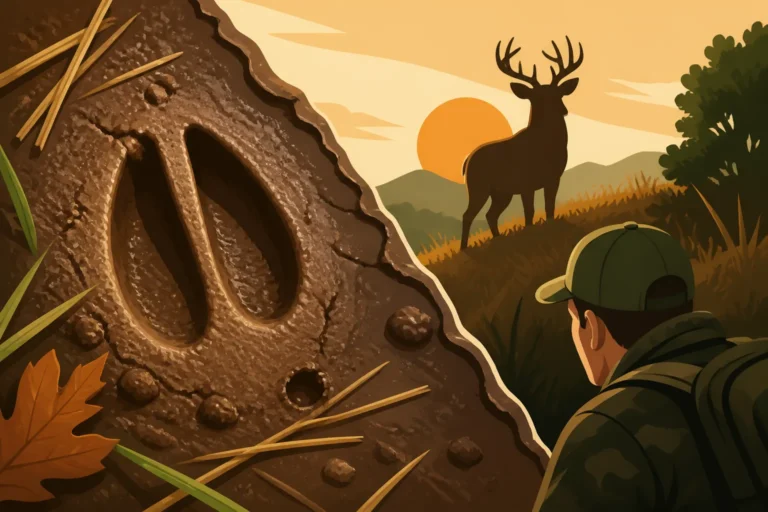
Pay close attention to riparian zones along rivers and creeks; these often serve as critical travel corridors and bedding areas. Don't be afraid to knock on doors if you identify private land that looks promising. Sometimes, a friendly conversation can open up access that's unavailable to others. Look for fresh tracks, droppings, and rubbed trees, especially near water sources or field edges. Remember, these elk are often nocturnal or crepuscular, moving mostly at dawn and dusk, so understanding their patterns is key. Scouting also gives you a chance to understand the Hunting California's Central Valley Flyway dynamics, even though it's for waterfowl, it provides context for the diverse landscape.
Approaching Elk in Open and Agricultural Landscapes
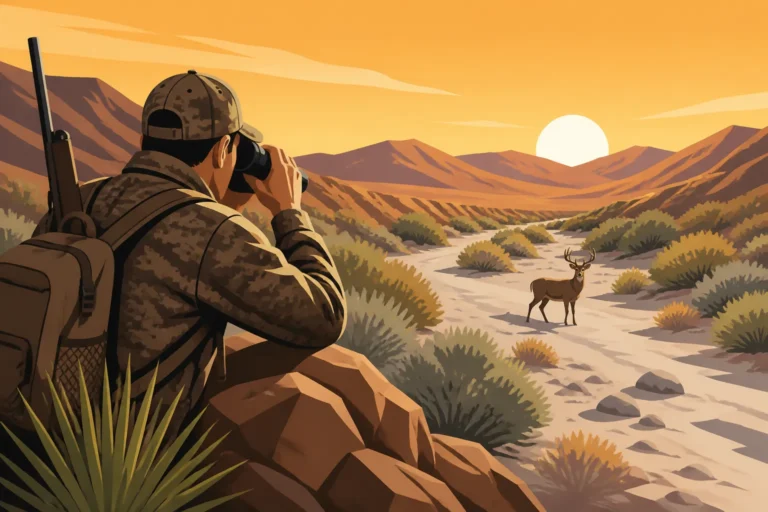
Hunting in the Central Valley often means dealing with very open country. Long-range glassing will be your primary tool. You'll spend a lot of time behind your optics, systematically dissecting fields, distant oak groves, and river bottoms. Investing in quality binoculars and a spotting scope is non-negotiable. You need to be able to identify animals from a distance, assess their size, and determine their movement patterns without spooking them. For tips on effective glassing techniques, you might find some crossover advice from Glassing Mule Deer in Open California Country, adapting it for the flatter terrain.
Once you've spotted elk, the challenge becomes closing the distance in often minimal cover. This is where patience and observation are crucial. Watch how they move, identify their bedding areas, and plan your stalk meticulously. Often, you'll need to use irrigation ditches, fencelines, small rises in the terrain, or even the shadows cast by large oak trees to stay out of sight. Remember that these elk are used to human activity in many areas, but they are still wild animals and incredibly wary.
Utilizing Wind and Cover in Flat Country
Wind is always a critical factor in elk hunting, but in the flat, open expanses of the Central Valley, it can be even more pronounced. Without the complex thermals of steep canyons, wind direction can be more consistent but also less forgiving. Elk have an incredible sense of smell, and a shift in wind can instantly bust your meticulously planned stalk. Always approach from downwind, even if it means taking a significantly longer, more circuitous route.
Cover, while often sparse, needs to be maximized. Dense patches of cattails, willow thickets along waterways, or even tall stands of unharvested crops can provide surprisingly effective concealment. Sometimes, the only cover you'll find is the shadow line of a large oak or a slight dip in the terrain. You'll need to move slowly, deliberately, and often on your hands and knees to stay hidden. Learning to read the subtle changes in the landscape and how they affect wind and visibility is a skill that will pay dividends. You can take general principles from understanding Wind and Thermals in Steep Sierra Country and apply them to the valley's less dramatic but equally impactful air currents.
Calling Strategies
Calling can be effective for Tule elk, especially during the rut, which typically falls in late summer to early fall. Tule elk bulls can be just as vocal and aggressive as their larger cousins. Bugles, chuckles, and cow calls can be used to locate animals, challenge a bull, or draw in curious cows. However, just like with calling any elk, timing and context are everything. In heavily pressured areas, too much calling can make elk wary.
Start softly to gauge their reaction. If a bull is bugling back, try to close the distance before ramping up your calling intensity. Be prepared for them to come in silently, or for the bull to hold up and try to scent-check your position. Combining calling with strategic movement and good wind advantage is often the most successful approach. For a foundation in elk vocalizations, consider reviewing information on Calling a Bull Elk in September, and then adapt those techniques to the specific behavior of Central Valley Tule elk.
Essential Gear and Field Considerations for Tule Elk
Beyond your weapon and tag, having the right gear is crucial for a successful and safe Central Valley Tule elk hunt. The environment dictates specific needs, from optics to ammunition and even how you handle your meat.
Optics for Spotting in Open Areas
As mentioned, open country hunting demands top-tier optics. A good pair of 10×42 or 12×50 binoculars, paired with a solid chest harness, is essential for all-day glassing without fatigue. Even more critical is a high-quality spotting scope, preferably a 20-60x or 25-75x, mounted on a sturdy tripod. This setup will allow you to pick apart distant fields, confirm antlers, and watch elk behavior without pushing them. Being able to determine whether that distant speck is a legal bull or just a cow can save you hours of wasted stalking. To explore your options, look into Optics for California's Open-Country Deer Hunting for general advice that applies well to elk.
A laser rangefinder is also non-negotiable. In open terrain, distances can be deceiving, and knowing the precise yardage to your target is vital for ethical shot placement, especially with non-lead ammunition. Many modern rangefinders come with angle compensation, which is helpful even on slight rises and dips in the valley floor.
Non-Lead Ammunition Requirements
California has a statewide ban on lead ammunition for all hunting, which means your rifle must be loaded with non-lead projectiles. This applies to Tule elk hunting without exception. Don't show up to your hunt with lead rounds, or you risk citations and losing your tag. The good news is that non-lead ammunition technology has come a long way, with many excellent copper and copper-alloy bullets available from manufacturers like Barnes, Hornady, and Nosler.
These bullets are highly effective at retaining weight and penetrating deep, making them excellent choices for elk. However, they can behave differently than traditional lead-core bullets, so it's absolutely crucial to practice extensively with your chosen non-lead load before your hunt. Make sure your rifle is sighted in perfectly, and you understand the ballistics of your specific bullet out to the ranges you anticipate shooting. For a deep dive into compliance and selection, read up on Choosing Non-Lead Rifle Ammunition in California.
Field Care in Warm Central Valley Conditions
One of the biggest challenges of hunting Tule elk, especially during the earlier season dates in July and August, is the Central Valley's heat. Temperatures can easily soar into the 90s or even triple digits, which means rapid and thorough field care of your harvested animal is absolutely critical to preserve the meat. Elk are large animals, and their body heat can spoil meat quickly if not properly addressed.
As soon as an elk is down, you need to begin field dressing immediately. Get the guts out, open the body cavity to allow it to cool, and if possible, quarter the animal and get the hide off. Having a plan for packing out the meat is vital. High-quality game bags are a must, as they protect the meat while allowing it to breathe and cool. If you can get the quarters into a cooler with ice as quickly as possible, that's ideal. Don't underestimate the impact of heat on your venison. For practical steps and considerations, check out resources on Field Dressing a Deer in Hot Weather, which can be adapted for elk.
Disclaimer
Always consult the current California Department of Fish and Wildlife hunting regulations before planning any hunt. Regulations, season dates, and tag requirements can change, and it is the hunter's responsibility to be aware of and comply with all applicable laws.