What Draw Odds Under One Percent Mean
Getting into California's most coveted big game hunting zones can feel like trying to win the lottery, especially when you see those frustratingly low draw odds. Many hunters spend years, even decades, applying for premium tags, only to be met with disappointment season after season. This guide is here to demystify what "draw odds under one percent" truly means, help you understand the system, and offer practical strategies for navigating California's challenging big game drawing process.
Understanding California's Big Game Drawing System
California's big game drawing system is a unique beast, and honestly, it can be a headache to wrap your head around, especially for those highly sought-after tags. Unlike some other states with pure preference point systems, California uses a hybrid approach that can feel a bit like a roll of the dice, even for the most dedicated applicants.
The Preference Point System
California implements a "preference point" system for deer, elk, antelope, and bighorn sheep. When you apply for a draw hunt and are unsuccessful, you typically receive a preference point for that species. The idea is simple: the more points you have, the better your chances should be in future drawings. However, it's not a guarantee. These points accumulate over time, and they're specific to each game species. So, your deer points won't help you draw an elk tag, and vice-versa. You can apply for a first-choice hunt and, if unsuccessful, elect to purchase a point instead of being automatically put into second or third choice drawings, ensuring your point accrues. It's a crucial distinction, because if you get drawn for a lower-choice tag, you don't get a point that year. The goal for many is to meticulously build up these points for a shot at those dream tags. Understanding the nuances of California Preference Point System Explained is key to long-term success.
Bonus Points and Their Impact on Low Odds
While California uses "preference points," the actual draw itself functions more like a bonus point system for many of the premium tags. Here's why that distinction matters: in a true preference point system, the person with the most points always draws the tag first. In California, your points give you more entries into the drawing, not necessarily a guaranteed spot ahead of everyone else. Each point you accumulate essentially gives you an extra "ticket" in the hat. So, if you have 10 points, you get 11 entries (your current application plus 10 points). Someone with 1 point gets 2 entries. This means that, mathematically, someone with fewer points can still draw a tag over someone with many more points, though their odds are significantly lower. This is precisely why those "under one percent" odds can feel so discouraging – it means there are hundreds, if not thousands, of applicants for every single tag, and even with a decent number of points, success is far from assured. For elk tags, specifically, this system creates incredibly tough odds, as you can see by delving into California Elk Tag Draw Odds by Species.
What "Under One Percent Draw Odds" Truly Implies
When you see draw odds listed as "less than 1%" or "0.5%," it's not just a number on a page; it's a stark reality check for any hunter hoping to experience California's most exclusive hunts. This figure signifies an extreme level of competition for a very limited number of tags, pushing these opportunities into the realm of true rarity.
The Reality of Rarity
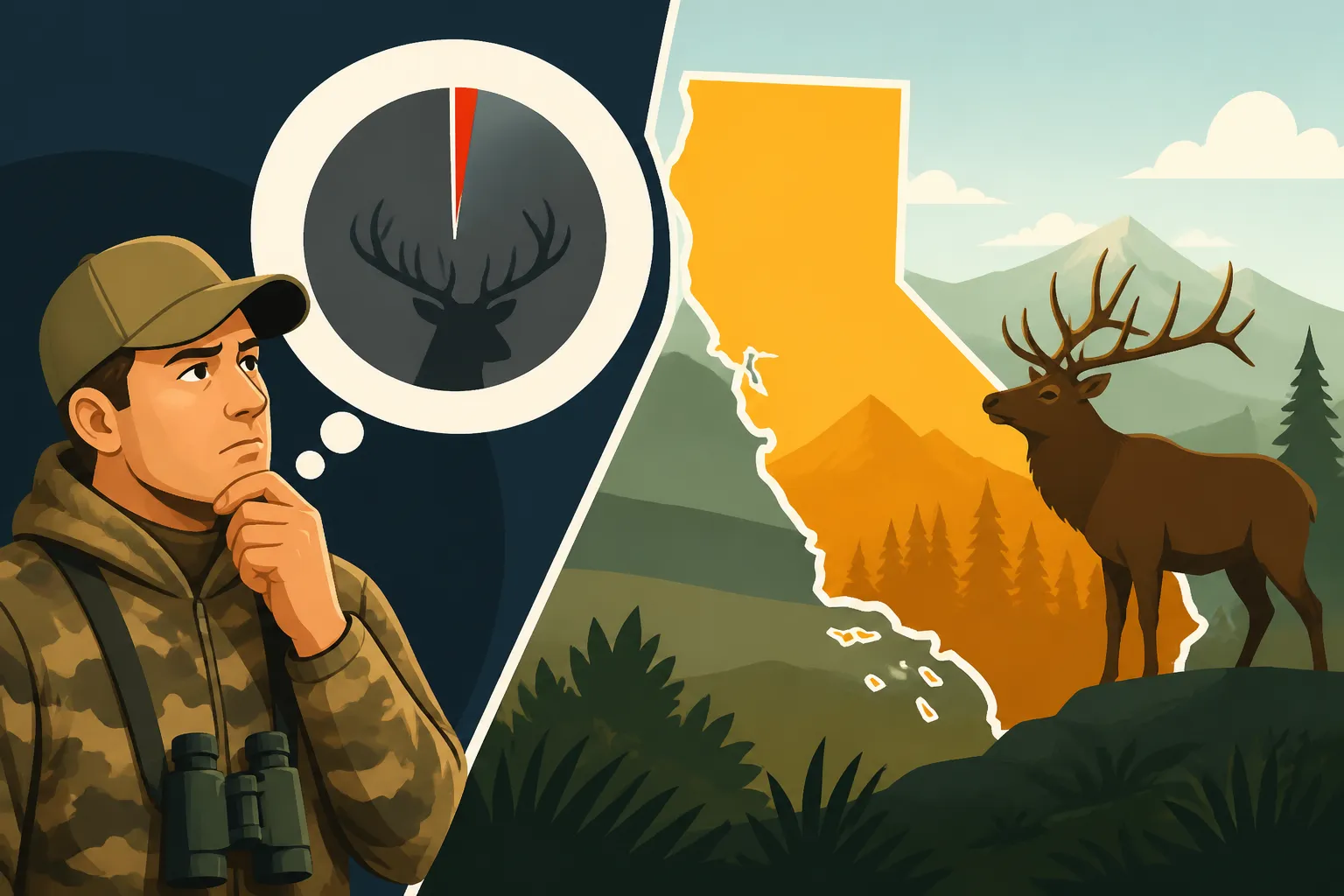
To put "under one percent" into perspective, imagine a room with 1,000 people. If the draw odds are 1%, only 10 people in that room will get a tag. If it's 0.5%, only 5 people will. For many premium California tags, the numbers are far more skewed. For instance, some X-zones for deer, or specific elk hunts, might only have a handful of tags available for tens of thousands of applicants statewide. We're talking about hunt units where only one or two tags are issued, and the demand is astronomical. This isn't just a competitive draw; it's a profound bottleneck, designed to maintain exceptional quality for those few successful hunters and to manage animal populations in very sensitive or unique habitats. It means that most years, most applicants, even those with substantial points, will be unsuccessful. This reality shapes the entire application strategy for serious California hunters.
The Mindset Shift Required for Premium Tags
Accepting these abysmal odds requires a significant shift in mindset. For many hunters, the big game drawing becomes less about "getting a tag this year" and more about playing "the long game." Instead of disappointment, the unsuccessful draw becomes a point earned, a step closer to a potential future success. It demands patience, resilience, and a deep understanding that the reward, if it ever comes, will be truly special. You're not just applying for a hunt; you're investing in a dream, building equity in a system that might eventually pay off. This long-term view allows hunters to continue participating in the drawing without succumbing to yearly frustration. It's about enjoying the process of scouting, researching, and learning, even if the actual hunt remains elusive for years. Understanding What Happens If Your Deer Draw Application Fails becomes less about failure and more about strategy.
Why Some Tags Are So Hard to Draw
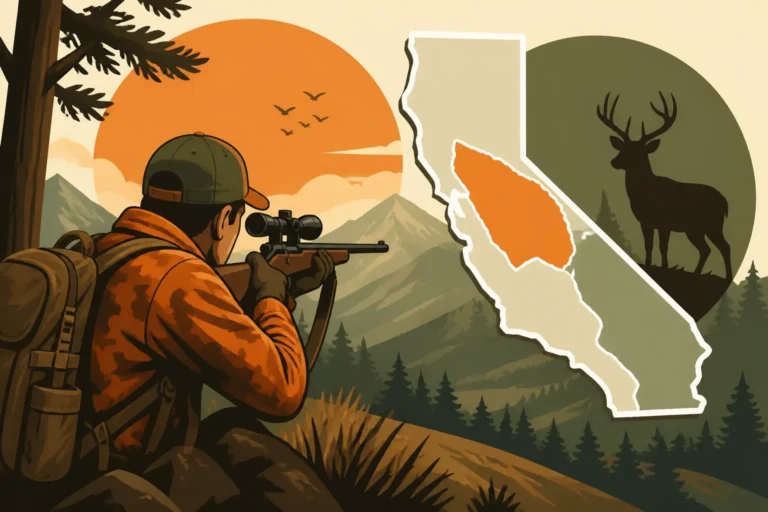
Several factors contribute to these incredibly low draw odds for certain California tags. First and foremost is tag scarcity. The California Department of Fish and Wildlife (CDFW) allocates a very limited number of tags to maintain trophy quality, manage herd health, and prevent over-harvest in sensitive areas. For example, hunts in certain X-zones known for massive mule deer bucks, or specific Tule Elk tags, are intentionally restricted.
Secondly, unique hunting opportunities drive demand. Tags for species like Tule Elk, which are endemic to California and have recovered from near extinction, or hunts in pristine, remote wilderness areas, attract hunters from across the state and even beyond. These are experiences that simply can't be found anywhere else.
Thirdly, trophy potential plays a huge role. Certain units consistently produce larger-than-average animals, making them magnets for hunters seeking a true trophy. Social media and hunting forums often highlight these exceptional animals, further increasing demand and driving down the odds.
Finally, accumulated points by long-time applicants exacerbate the issue. While the system isn't a true preference point system, those with many points still have a statistical advantage, making it even harder for new applicants to break into the winner's circle. This creates a kind of "point creep" where the minimum points required to even have a chance at drawing a premium tag slowly climbs year after year.
| Tag Type (Example) | Typical Odds (with average points) | Primary Contributing Factor | Application Strategy Focus |
|---|---|---|---|
| Premium X-Zone Deer | < 0.5% | Trophy Potential, Tag Scarcity | Maximize Points, Extreme Patience |
| Tule Elk (High Demand) | < 0.1% | Rarity, Unique Species, Tag Scarcity | Maximize Points, Life-Long Quest |
| Roosevelt Elk | 0.5% – 2% | Remote Wilderness, Species Rarity | Consistent Application, Research |
| Bighorn Sheep | < 0.05% | Extreme Rarity, Prestige | Lottery Mindset, Decades of Points |
Strategies for Tackling Low-Odds Hunts
Facing draw odds under one percent might feel like a fool's errand, but there are strategies you can employ to maximize your chances, even if it means playing a very long game. It's about being smart, consistent, and willing to put in the work, not just in the field, but at your computer.
Building Points for the Future
The most fundamental strategy for any low-odds hunt in California is to consistently apply and build your preference points. Even though points don't guarantee a tag, they significantly increase your statistical chance of drawing over time. Think of it as an investment account: you keep contributing, and eventually, the interest (or the odds) might pay off. Make it a yearly ritual to apply for your desired species, even if it's just for a point. Don't skip a year, because those accumulated points are your most valuable asset in this system. For deer, your points are distinct from elk, bear, or antelope points. Understanding the full scope of California's Multi-Zone Deer Season System can help you decide which deer zones might be worth accumulating points for, even if you hunt others over the counter.
Researching Lesser-Known Opportunities
While everyone flocks to the famous X-zones and premium elk units, there might be other, less-hyped opportunities worth exploring. The CDFW publishes draw results and harvest reports that can reveal trends. Sometimes, a unit with slightly higher odds might offer a fantastic hunt, even if it doesn't boast the same "trophy potential" as a highly sought-after area. This requires deep diving into the data, looking beyond just the biggest numbers. Focus on draw odds that are perhaps 5-10%, which, while still challenging, are a significant leap from sub-1%. You might find a hidden gem that still offers an incredible experience without requiring decades of point accumulation. For example, some D-zones might have decent deer populations and provide great hunting without the intense competition of the premium X-zones. This kind of research also comes in handy when you're preparing for Scouting California Public Land Before Season, as it helps you identify areas with less pressure.
Utilizing Application Tools and Resources
In today's digital age, you don't have to navigate the complex world of big game drawings alone. There are fantastic online tools and resources designed to help hunters make informed decisions. Websites and apps like GoHunt offer comprehensive data analysis, draw odds calculators, and detailed unit profiles for various states, including California. They can help you visualize how many points successful applicants typically have, analyze success rates, and even suggest optimal application strategies based on your point totals and hunting goals.
GoHunt, for instance, provides interactive maps and historical data that can show you trends in point creep and draw success. Using such a platform can be invaluable for understanding the specific nuances of each hunt unit, from harvest data to terrain types. They compile all the numbers that would take you weeks to sift through manually, presenting them in an easy-to-understand format. This kind of data-driven approach allows you to optimize your application strategy, whether you're trying to build points efficiently or attempting a long-shot draw for a premium tag. Investing in these tools, like a GoHunt membership, can be a game-changer for serious applicants, ensuring you're always making the most strategic choices with your hard-earned points. These tools can also help you identify specific units where the California Elk Hunt Success Rates by Species might be slightly better than the statewide average, giving you a statistical edge.
Managing Expectations and Enjoying the Process
Hunting California's low-odds big game units is an exercise in patience and persistence. It's easy to get discouraged when the odds are stacked against you, but with the right mindset, the entire process—from applying to scouting—can be incredibly rewarding, even without a tag in hand every year.
The Long Game of Big Game Draws
Successfully drawing a premium California tag with sub-one percent odds is rarely a quick affair. For many, it's a decade-long (or even multi-decade) endeavor. This means you need to adopt a "long game" mentality. Each year you apply and don't draw, consider it a success because you've gained another point, moving you incrementally closer to that elusive tag. It's not a sprint; it's a marathon. This perspective helps mitigate the annual disappointment and allows you to appreciate the consistent effort you're putting in. The financial aspect is also part of this long game; familiarize yourself with California Hunting Licenses and What They Cost to budget accordingly for yearly applications and point accumulation.
Alternative Hunting Pursuits While You Wait
While you're patiently accumulating points for that dream elk or trophy deer tag, don't let the waiting game prevent you from hunting! California offers an incredible diversity of other hunting opportunities that are either over-the-counter or have much better draw odds. Consider pursuing:
- Wild Pigs: California's wild pig population is robust, and tags are available year-round over-the-counter. Wild Pig Hunting California Year-Round provides excellent opportunities for exciting spot-and-stalk hunts in diverse terrain.
- Black Bears: Bear tags are available over-the-counter, though the season has a statewide quota. It's a great way to experience a big game hunt without the draw stress. You can learn more about Black Bear Hunting California's Spot-and-Stalk Season.
- Small Game & Upland Birds: California offers abundant opportunities for rabbits, squirrels, quail, and doves. These hunts are generally accessible and can provide excellent time afield. You can find out more by exploring Small Game and Predator Hunting in California.
- Waterfowl: The Central Valley is a crucial stop on the Pacific Flyway, offering world-class duck and goose hunting. Tags are over-the-counter, requiring federal and state stamps. Dive into Waterfowl Hunting California's Central Valley to get started.
- General Deer Seasons: Many deer zones, particularly some D-zones, have tags available directly or through a less competitive draw, offering a chance to hunt deer annually while you build points for those premium X-zones. Always check The California Big Game Drawing Explained for specific rules.
These alternative hunts keep your skills sharp, allow you to explore different public lands, and satisfy that innate hunting drive without the constant pressure of low-odds drawings. They also give you more reasons to use your Best GPS App for California Public Land to explore new areas.
Celebrating the Journey, Not Just the Destination
Ultimately, hunting is about more than just pulling a trigger or punching a tag. It's about the connection to nature, the challenge, the camaraderie, and the memories made. When dealing with low draw odds, it's crucial to find joy in the entire hunting journey. Celebrate the small victories: the successful point acquisition, a productive scouting trip where you found fresh sign, the new areas you discovered using tools like GoHunt, or simply the experience of spending time outdoors.
The hunt begins long before opening day. It starts with planning, researching, applying, and scouting. These activities are integral to the hunting experience itself. By focusing on the journey, the pursuit, and the continuous learning, you'll find fulfillment regardless of whether a premium tag lands in your hands this year, next year, or five years down the road. The excitement of a potential draw, even with minuscule odds, keeps the dream alive, year after year. For example, exploring new areas like those detailed in Finding Ground That Sees Fewer Hunters can be a rewarding journey in itself.
Disclaimer
The information provided in this guide is for general informational purposes only and does not constitute legal advice. Hunting regulations, draw odds, and permit requirements are subject to change by the California Department of Fish and Wildlife (CDFW). Always consult the official CDFW regulations and current season proclamations before planning any hunting trip or applying for tags.