Judging a Legal Bear From a Sow With Cubs
One of the most profound challenges we face as ethical bear hunters in California is the constant, nagging doubt that can creep in when you spot a bear. Is it a lone animal, a prime target for a legal harvest, or is it a sow with cubs hidden nearby or trailing just out of sight? Making the wrong call isn't just a legal infraction; it's a deep ethical failing that all of us strive to avoid. This guide will walk you through the critical factors and observation techniques to help you confidently distinguish a legal bear from a sow with dependent cubs, ensuring a responsible and successful hunt.
The Paramount Importance of Ethical Bear Identification
Hunting black bears in California is a deeply rewarding pursuit, but it comes with a tremendous responsibility. Our state has clear regulations designed to protect bear populations, and chief among these is the prohibition against taking a sow with dependent cubs. This rule isn't just about legality; it's about the very core of ethical hunting and responsible wildlife management. Mistaking a sow for a lone bear can have devastating consequences for both the individual animals and the public perception of hunting.
California's Bear Management Philosophy
California's Department of Fish and Wildlife (CDFW) manages the state's black bear population to ensure its long-term health and sustainability. They've established seasons and quotas, like the statewide limit, which you can learn more about by understanding California's 1,700-Bear Statewide Quota to help maintain a healthy balance. Part of this management includes protecting reproductive females and their offspring. Bear cubs typically stay with their mother for 1.5 to 2 years, sometimes even longer, learning vital survival skills. Removing a sow during this critical period almost guarantees the orphaned cubs will not survive, leading to unnecessary loss and impacting the future of the local bear population. Ethical hunters respect this biological imperative, choosing to pass on any bear that shows signs of having young, even if those cubs aren't immediately visible.
The Legal Implications of a Mistake
Let's be blunt: accidentally shooting a sow with cubs in California carries serious legal penalties. This isn't a minor oversight; it's a significant violation of state wildlife laws. Depending on the specifics, hunters could face substantial fines, forfeiture of hunting privileges for multiple years, confiscation of equipment (including firearms or bows), and even jail time. The CDFW takes these violations very seriously, and ignorance of the law is never an excuse. Beyond the legal ramifications, the emotional toll of making such a mistake can be profound for any conscientious hunter. The stress, the regret, and the knowledge of having orphaned young bears can haunt you long after the incident. That's why meticulous identification is not just recommended, but absolutely essential.
Ethical Hunting and Public Perception
Every hunter carries the torch for the entire hunting community. When a hunter makes an unethical or illegal harvest, especially something as sensitive as killing a sow with cubs, it casts a negative shadow over all of us. News spreads quickly, and anti-hunting groups are always ready to seize on such incidents to paint all hunters as irresponsible, cruel, or uncaring. This makes it harder for wildlife agencies to continue effective, science-based management and for hunters to maintain access and support. By exercising extreme caution and passing on questionable bears, we uphold the highest ethical standards and demonstrate that hunters are truly conservationists who care deeply about wildlife. Our actions in the field speak volumes about our respect for the animals we pursue and the regulations that govern our sport.
Key Physical Indicators to Watch For
When you're out there, whether you're rifle hunting California's general deer season or looking for bear sign, every second counts when a bear steps into view. But rushing a shot is often the biggest mistake. Instead, take a breath and scrutinize the animal for these crucial physical signs that might indicate it's a sow with cubs.
Size and Proportions: Not Always Reliable, But a Start
Adult sows, especially older, experienced mothers, can be quite large and might appear as substantial as a lone boar. However, there are often subtle differences in body shape. Boars tend to have broader heads, thicker necks, and a more robust, "blocky" build, particularly around the shoulders and chest. Sows, while still powerful, often have a slightly more refined head, a less bulky neck, and a more slender appearance through the midsection, though this can vary greatly depending on diet and age. Young boars might also be smaller and appear more "sow-like." The problem is, these are generalizations. I've seen some absolutely massive sows, particularly in areas with abundant food sources, and scrawny young boars. So, while size is a starting point, it should never be your sole determining factor. It’s critical to combine this observation with other indicators.
Teats and Mammary Development: The Tell-Tale Sign
This is arguably the most reliable physical indicator, though it often requires excellent optics and favorable viewing conditions. A sow that is currently suckling cubs or has recently done so will likely have visible teats or noticeable mammary development. Look for:
- Swollen or Elongated Teats: These will be more prominent than those of a non-lactating female or a male. They'll appear darker, larger, and may hang down from the belly, especially when the bear walks or stretches.
- Hair Loss Around Teats: Prolonged nursing can sometimes lead to localized hair loss or thinning around the teats, making them even more visible against the bear's fur.
- Baggy Belly/Loose Skin: After nursing, a sow's belly area might appear somewhat loose or "baggy" compared to the taut belly of a boar or a non-breeding female.
You really need a good pair of binoculars or a spotting scope to pick these out. Sometimes, the angle is just wrong, or the light isn't cooperating. This is where patience comes in, and the value of high-quality optics cannot be overstated. When I'm Glassing a Canyon for a Bedded Buck or any other big game, I'm constantly adjusting my spotting scope to catch every detail. The same principle applies here.
Coat Condition and Behavior of Smaller Bears
While less definitive, coat condition can sometimes offer clues. A sow raising cubs might have a slightly duller or more ruffled coat, especially if she's been spending a lot of energy foraging for herself and her young. She might also have small patches of missing fur from rubbing or nursing.
More importantly, pay close attention if you see any smaller bears. If you spot a small bear and assume it's a lone yearling, that's a red flag. Yearlings (bears in their second year) are often still with their mothers. They're larger than spring cubs but considerably smaller than an adult. If you see what appears to be a smaller, younger bear, even if it's acting independently, assume its mother is nearby until proven otherwise. Sometimes, a yearling might wander a short distance from the sow, but she will almost certainly be within earshot or visual range. Always consider a small bear a "cub" for the purposes of this rule, unless you can definitively confirm it's an independent two-year-old or older, which is exceptionally difficult to do at a distance.
Deciphering Behavioral Cues in Bears
Beyond physical appearance, a bear's behavior can provide undeniable evidence that it's a sow with cubs, even if the cubs themselves aren't immediately visible. Observing how the bear moves, interacts with its surroundings, and its reaction to potential threats are all critical pieces of the puzzle.
Following Behavior and Interactions
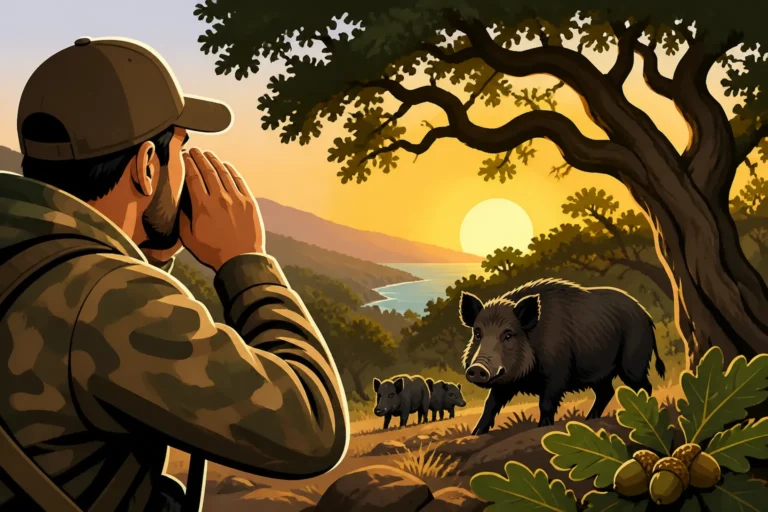
This is the most obvious sign. If you see two or more bears moving together, and one is significantly smaller than the other(s), it's almost certainly a sow with cubs or yearlings. The smaller bears will typically follow the larger bear, often staying close, mirroring its movements, and frequently looking to it for cues.
- Close Proximity: Cubs or yearlings generally stay within a few yards of their mother, especially when moving through cover or open areas.
- Dependent Actions: Watch for the smaller bears imitating the larger one's foraging actions, sitting when the larger one sits, or pausing when it pauses.
- Vocalizations: While often subtle, bears communicate through grunts, huffs, and whines. A sow might make low grunts to keep her cubs in line, or cubs might whimper if they get separated or feel threatened. Listen closely, especially if you hear sounds but only see one bear.
It’s crucial to observe for an extended period. A solo bear might just be passing through an area, but a sow will typically linger, feed, and show signs of being settled with her dependents. Patience is a virtue here. Don't just scan, really observe.
Sows Protecting Their Offspring
A sow's primary instinct is to protect her cubs, and this can manifest in various ways, even if you don't see the cubs directly. If a bear seems unusually vigilant, constantly scanning its surroundings, pausing frequently to sniff the air, or displaying an agitated demeanor without an obvious threat, it could be due to the presence of unseen cubs.
- Defensive Posture: While rare, a sow might bluff charge or display aggressive behavior if she perceives a threat to her cubs, even if they're hidden. This is why giving bears plenty of space, especially when you suspect cubs, is vital for your safety and theirs.
- Calling for Cubs: If a sow becomes separated from her cubs, she might stand on her hind legs, sniff the air, and make huffing or grunting sounds to locate them. If you hear these vocalizations, even if you only see one bear, do not shoot.
- Diverting Attention: A sow might attempt to lead a perceived threat away from her cubs, creating a diversion. If a bear seems to be moving in an unusual pattern or trying to draw your attention, consider that it might be a mother protecting her young.
When you're out there, relying on tools like the GoHunt app for scouting can help you identify areas where sows might frequent. If you notice a bear displaying any of these protective behaviors, assume there are cubs present and let that animal walk.
Yearling vs. Cub Distinction
It’s important to understand the different age classes of young bears.
- Spring Cubs: These are born in the winter and emerge from the den in spring, typically weighing around 5-10 pounds. They are small, fuzzy, and undeniably "cute." If you see a bear this size with an adult, it’s clearly a sow with cubs.
- Yearlings: By their second spring, these bears are much larger, maybe 40-80 pounds, and can often be mistaken for small adult bears. However, they are still highly dependent on their mother for survival skills and protection. Sows often travel with their yearlings. If you see a medium-sized bear that seems too small to be a full-grown independent adult, but too large to be a spring cub, and it's accompanied by or near a larger adult, err on the side of caution and assume it’s a yearling with its mother. The legal definition usually refers to "dependent cubs," which includes yearlings still with their mother.
It's tempting to think a yearling is old enough to be on its own, but that's often not the case. Their survival rates plummet without their mother's guidance. When you're in the field, use resources like GoHunt's detailed maps to mark areas where you've seen sows with yearlings, so you can revisit them later in the season or next year when the young might be truly independent.
| Indicator | Lone Adult Bear (Legal) | Sow with Dependent Cubs (Illegal) |
|---|---|---|
| Size & Proportions | Often larger, blockier build, thicker neck, broader head. | Variable size; can be large, but sometimes more slender. |
| Mammary Development | None visible. Flat belly. | Swollen, elongated teats, loose/baggy belly (especially if suckling or recently weaned). Hair loss around teats. |
| Accompanying Bears | Travels alone. | Accompanied by one or more smaller bears (cubs or yearlings) that follow closely. |
| Behavioral Vigilance | Generally focused on foraging or travel. | More cautious, frequently scans surroundings, agitated if perceiving threat, may make low vocalizations. |
| Interactions | No direct interaction with other bears (unless mating or territorial dispute). | Direct, protective interaction with smaller bears; nudging, herding, vocalizations. |
| Movement Pattern | Purposeful movement, steady pace. | Often pauses, looks back, waits for smaller bears, moves slower with frequent stops. |
The Ultimate Tools: Situational Awareness and Patience
In the dynamic environment of the California wilderness, no single rule or checklist is foolproof. The most effective tools you have for ethical bear hunting are your acute situational awareness, unwavering patience, and a commitment to passing on a shot if there's any doubt whatsoever.
Glassing and Observation Techniques
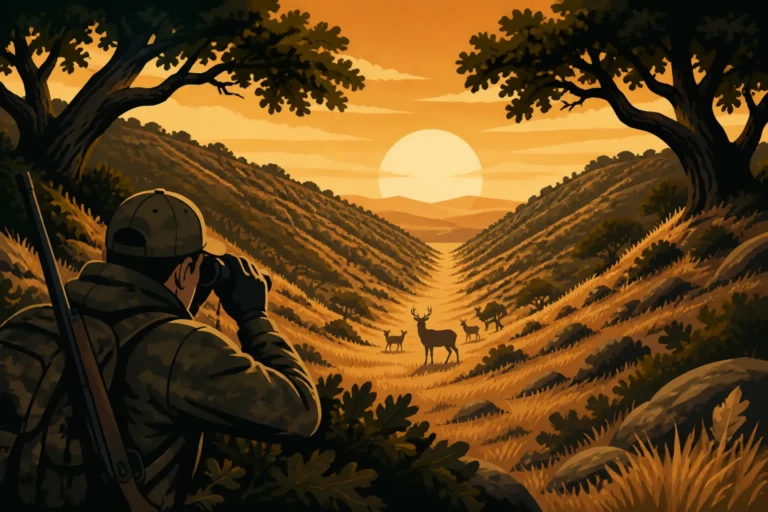
Effective glassing is not just about spotting an animal; it's about studying it. Before you even consider raising your rifle or bow, spend a significant amount of time observing the bear through your binoculars or spotting scope.
- Slow Scan: Don't just sweep the landscape. Systematically scan your hunting area, paying close attention to every movement. Once you spot a bear, resist the urge to immediately identify it as a legal target.
- Grid Search: Focus on the area around the bear in a tight grid pattern. Cubs, especially spring cubs, can be incredibly small and well-camouflaged. They might be bedded down in thick brush, behind rocks, or simply lagging a short distance behind the sow. They might only appear for a few seconds.
- Long-Term Observation: This is key. Bears, like most wildlife, don't stay still for long. Watch the bear for at least 15-30 minutes, or even longer if conditions allow. Does it move with a purpose, or does it seem to be waiting for something? Does it look back frequently? If it disappears into cover, wait. Cubs often emerge after their mother. If you're Hunting a National Forest Burn Scar, the open visibility might make it easier, but even then, cubs can hide in charred stumps or underbrush.
- Varying Angles: If possible, try to move to get a different vantage point. A change in angle can reveal a hidden cub or offer a clearer view of the sow's underside. However, do this carefully to avoid spooking the bear or alerting it to your presence.
Remember, the goal isn't just to see a bear, it's to confirm it's a legal bear. If you don't have enough time for thorough observation due to terrain or light, then you don't have enough time for a shot.
Using Technology to Aid Identification
Modern hunting technology can significantly enhance your ability to make informed decisions in the field, but it's important to use it responsibly and within legal guidelines.
- High-Quality Optics: As mentioned, a good set of binoculars (10×42 or 12×50) and a high-power spotting scope (20-60x or higher) are indispensable. Brands like Vortex, Leupold, and Swarovski offer excellent clarity and light transmission, allowing you to pick out subtle details like teats from a distance. For extended glassing, a tripod for your spotting scope is a game-changer.
- Mapping Applications: Apps like GoHunt are fantastic for scouting and understanding terrain. While they won't tell you where bears with cubs are right now, they can help you identify prime bear habitat – areas with abundant food sources (like berry patches or acorn-rich oak woodlands), water, and thick cover – where sows are likely to raise their young. If you're Hunting Coastal Range Oak Woodlands with the GoHunt app, you can identify areas of dense cover where cubs might hide. Knowing these areas encourages extra vigilance.
- Trail Cameras (with caveats): In areas where trail cameras are legally permitted, they can provide invaluable intelligence on local bear activity, including the presence of sows with cubs, before the season even starts. Always check current California regulations regarding trail camera use, especially on public land, as rules can change. If you're considering using them, make sure you understand the rules for Trail Camera Rules on California Public Land.
While technology helps, it never replaces your own careful observation and ethical judgment. It's an aid, not a substitute.
When in Doubt, Don't Shoot
This is the golden rule, the absolute bedrock of ethical hunting. If, after all your glassing, all your observation, and all your critical thinking, there is even a sliver of doubt in your mind that the bear is a lone adult and not a sow with cubs, you must pass on the shot.
- The Ethical Imperative: It is far better to go home empty-handed than to make a mistake that violates the law, harms wildlife, and compromises your own integrity. There will always be another opportunity, another season.
- Replaying the Scenario: Imagine you've taken the shot. Now you're walking up to the downed bear. What if you find cubs nearby? The regret and legal consequences would be immense. By choosing not to shoot, you avoid that potential heartbreak entirely.
- Managing Expectations: Understand that passing on a bear is a sign of a true hunter, not a failure. It demonstrates respect for the animal and the rules of fair chase. Embrace the challenge and the satisfaction of knowing you acted responsibly.
California's bear season, whether it's the California Bear Archery Season Opening Day or the general rifle season, offers incredible opportunities. But the privilege of hunting comes with the responsibility of making difficult, ethical choices. By meticulously judging every bear you encounter, you ensure the health of the bear population and uphold the proud tradition of responsible hunting.
Disclaimer
Please remember that hunting regulations, seasons, and tag requirements in California can change. Always consult the most current California Department of Fish and Wildlife (CDFW) regulations before planning and embarking on any hunt. This guide is for informational purposes only and should not be considered a substitute for official CDFW documentation.