Game You Cannot Hunt in California
It’s a common frustration for hunters in California: the feeling that you need a legal degree just to understand what you can and can’t pursue. With ever-evolving regulations, specific zone rules, and a strong conservation focus, it’s easy to get confused about which game animals are completely off-limits, which are practically impossible to draw a tag for, and how to stay on the right side of the law. This guide will clarify the species you absolutely cannot hunt in California and shed light on those that are so restricted they might as well be.
California's Deep-Rooted Conservation Ethos: Why Some Species Are Off-Limits
California has always been a state with a unique and often progressive approach to wildlife management. This isn't just about limiting seasons or implementing lead ammunition bans; it runs much deeper, shaping which animals are even considered "game" in the first place. For many hunters, this can feel like an extra layer of complexity, a constant need to check and re-check before heading afield. But understanding the foundational reasons behind these restrictions can help you navigate the landscape more effectively.
Historical Context and Conservation Efforts
A significant portion of California's protected species list comes from historical events and a long-standing commitment to conservation. In the late 19th and early 20th centuries, many wildlife populations faced severe declines due to unregulated hunting, habitat loss, and other pressures. Species like the California grizzly bear, for instance, were hunted to extinction within the state, serving as a stark reminder of what can be lost. This history instilled a powerful conservation ethic that continues to influence policy today. Rather than waiting for a species to be on the brink, California often takes proactive measures to protect vulnerable populations, even if they aren't federally endangered. This includes protecting animals that were once heavily harvested but whose populations have not fully rebounded or are deemed too sensitive to sustain hunting pressure.
When we look at the recovery of certain species, it's clear that these conservation efforts, even if they mean tighter restrictions for hunters, have been successful. Consider the Tule elk, which almost vanished but now has a thriving population thanks to dedicated efforts. While hunting opportunities exist for them now, they are heavily controlled. The overarching goal is ensuring that healthy populations persist for future generations, even if it means some species are permanently removed from the huntable list.
Ecological Importance and Fragile Habitats
Another critical factor in California's "no-hunt" list is the ecological role a species plays and the fragility of its habitat. Many protected animals are considered keystone species or indicators of ecosystem health. Their removal, even in small numbers, could have cascading negative effects on the environment. For example, certain raptors, while not traditionally "game," are crucial for controlling rodent populations. Protecting them ensures the balance of local ecosystems.
California is also home to an incredible diversity of habitats, from dense redwood forests to sprawling desert landscapes, high Sierra peaks, and vast wetlands. Many of these ecosystems are unique and support endemic species found nowhere else. When a species is intrinsically linked to a particularly fragile or limited habitat, hunting restrictions are often put in place to prevent any additional stress on that ecosystem. This is especially true in areas experiencing significant development or climate-related changes, where wildlife already faces immense pressure. Hunters are often the first to recognize the importance of these habitats, and while restrictions might feel limiting, they are often designed with the long-term health of the entire environment in mind.
Legal Framework and Regulatory Bodies
The authority for determining what can and cannot be hunted in California primarily rests with the California Department of Fish and Wildlife (CDFW) and the Fish and Game Commission. These bodies are responsible for setting seasons, bag limits, and legal methods of take, all based on scientific data, public input, and conservation principles. The California Fish and Game Code is the foundational legal document that outlines these regulations. It’s a complex and extensive code, which is why simply "knowing the rules" often means diving deep into the specifics.
Unlike some states where nearly every animal is classified as game, furbearer, or pest with a clear season, California has explicit lists of protected species. These are animals for which there is no open season, no legal method of take, and possession is often prohibited without special permits. Violations can lead to severe penalties, including hefty fines, loss of hunting privileges, and even jail time. This rigid legal framework ensures that the state’s conservation goals are upheld and that precious wildlife resources are not exploited. It's truly your responsibility as a hunter to understand these laws, and ignorance is never an excuse. Staying on top of updates from the CDFW is paramount for anyone who hunts in the Golden State.
The Absolutely Protected: Iconic Game You Cannot Pursue
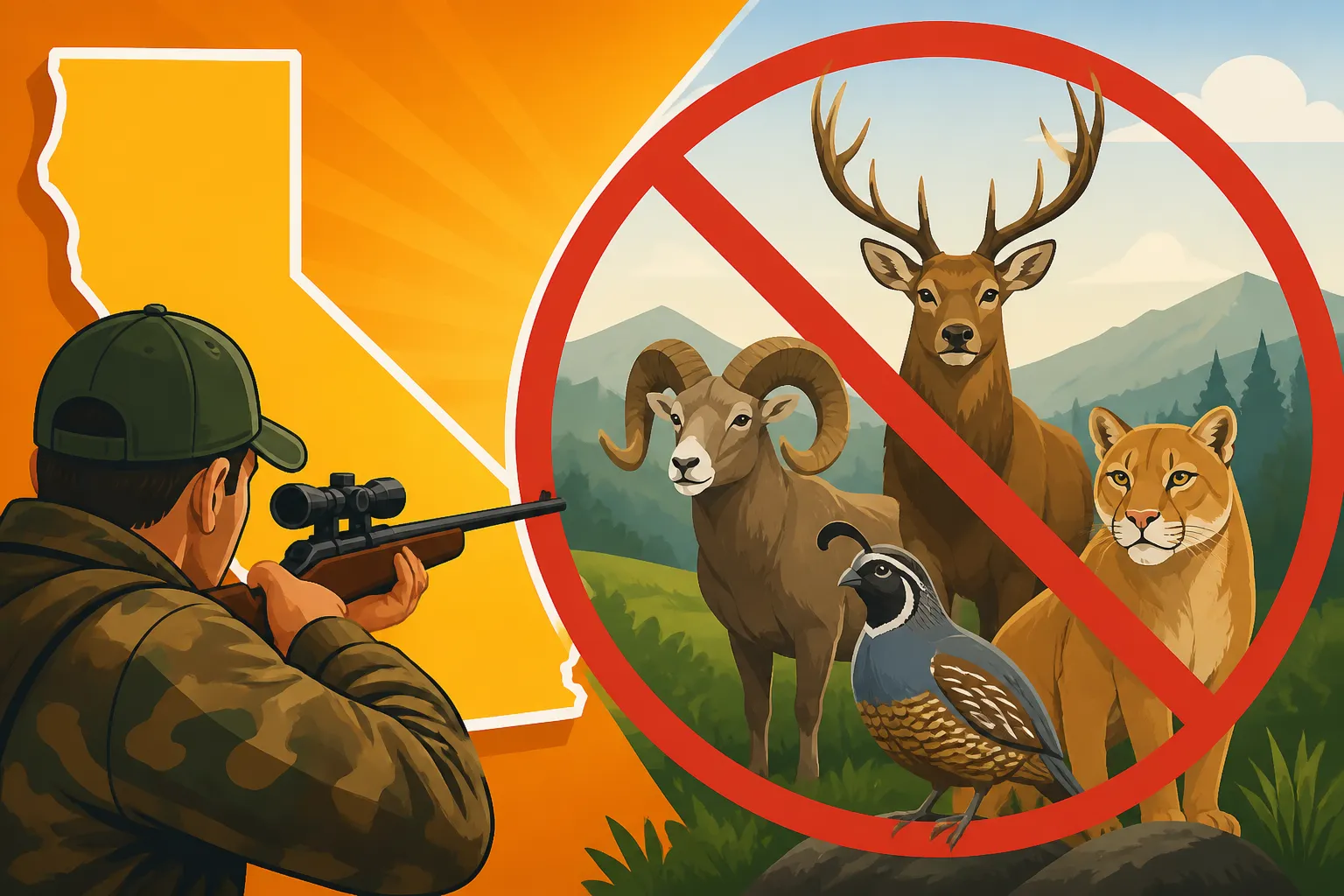
When you dream of pursuing big game or even specific small game in California, it's vital to know which species are completely off the table. These aren't just difficult to hunt; they are legally protected, meaning any intentional take is a serious violation. Understanding this list is foundational to responsible hunting in California.
California Mountain Lions
Perhaps the most iconic example of an absolutely protected species in California is the mountain lion. Despite their powerful presence and role as apex predators, hunting mountain lions has been prohibited in California since 1990 by voter initiative (Proposition 117). This decision was driven by a strong public desire to protect these magnificent animals, which were seen as crucial to the state's natural heritage.
While mountain lions can be legally killed under very specific circumstances if they are proven to be depredating livestock or posing an imminent threat to human safety, these are not hunting scenarios. These depredation permits are issued by the CDFW, and the take must be carried out by authorized personnel, often a certified trapper or wildlife officer, or the landowner if properly authorized and trained. Hunters cannot simply decide to hunt a mountain lion, regardless of its size or perceived abundance. Even possessing a mountain lion carcass or parts without proper documentation is illegal. This protection remains a significant and sometimes controversial aspect of California's wildlife management, but it's a non-negotiable reality for hunters in the state.
Certain Bird Species and Waterfowl Restrictions
While California is a waterfowl hunting paradise with vast areas in the Central Valley, and turkey hunting is thriving, not all bird species are fair game. Many species of raptors (hawks, eagles, owls), songbirds, and many migratory non-game birds are strictly protected under state and federal laws, such as the Migratory Bird Treaty Act. You cannot hunt bald eagles, golden eagles, peregrine falcons, or any owl species, for example. These are crucial components of the ecosystem and are protected for their ecological value and often for their recovery from past declines.
Even within huntable categories like waterfowl, there are very specific restrictions on certain species. Some duck or goose species might have completely closed seasons in certain years or regions, or incredibly low bag limits, based on population surveys. For instance, while you can Decoying Mallards on Flooded Rice Ground, you must be absolutely certain of your target identification. Shooting a protected bird, even accidentally, can lead to significant legal trouble. This requires hunters to be highly skilled in bird identification, particularly before taking a shot in a fast-paced environment like a duck blind. Always consult the current hunting regulations supplement from the CDFW for precise lists of open seasons and bag limits for all migratory and upland game birds.
Beyond the Ban: Extremely Restricted or Unlikely Opportunities
While some species are outright illegal to hunt, others fall into a category where hunting is technically possible but so incredibly rare and restricted that it's practically a "no-go" for most hunters. These opportunities are often a once-in-a-lifetime draw, with odds so astronomical they make winning the lottery seem like a sure bet.
Bighorn Sheep and Pronghorn Antelope
California is home to several subspecies of bighorn sheep and a population of pronghorn antelope. These are magnificent animals, truly embodying the spirit of wild, open country. And yes, they are technically huntable. However, the tags for these species are among the rarest and most coveted in North America. We're talking about draw odds that are often less than one percent, even for residents, sometimes closer to 0.1% for bighorn sheep. This means that out of thousands of applicants, only a handful—sometimes just one or two statewide—will draw a tag in a given year.
For the vast majority of hunters, drawing one of these tags is a lifelong dream that, for practical purposes, will never materialize. It's often referred to as a "once-in-a-lifetime" opportunity because if you are lucky enough to draw a bighorn tag, you typically cannot apply for another one. What Draw Odds Under One Percent Mean truly puts this into perspective. While these species are not "unhuntable" in the strictest legal sense, they are "unhuntable" for the overwhelming majority of the hunting public due to the extreme scarcity of tags. Hunters often put in for these draws year after year, fully aware that their chances are minuscule, more for the hope and tradition than any realistic expectation of success. This makes them, in essence, an aspirational hunt rather than a practical one for most.
Elk: A Very Limited Proposition
California has three species of elk: Tule, Roosevelt, and Rocky Mountain. All are huntable, but similar to bighorn sheep and pronghorn, the opportunities are exceedingly limited. Elk tags are issued through a highly competitive draw process, with specific hunts and zones allocated. While there are more elk tags available than bighorn or pronghorn, the demand far outstrips the supply. Drawing an elk tag, particularly for a prime unit, can take many years of accumulating preference points, and even then, it's far from a guarantee.
For instance, Applying for a California Tule Elk Tag in the Big Game Drawing reveals the intense competition for these tags. Non-residents face even steeper odds, with California allocating California's Once-a-Year Nonresident Elk Tag. This means that for many hunters, pursuing elk in California involves an annual application to the big game drawing, hoping against hope that their number finally comes up. It's a testament to the comeback of these majestic animals, but also a reflection of the state's conservative management to ensure herd health. While not strictly "unhuntable," the practical reality for most is that elk hunting in California is a rare privilege, not a regular season pursuit.
| Species Category | Huntable in California | Restrictions/Notes |
|---|---|---|
| Absolutely Protected | No | Mountain Lions, Bald Eagles, Golden Eagles, Peregrine Falcons, various songbirds, other endangered/threatened species. Any intentional take is illegal and carries severe penalties. |
| Extremely Restricted | Yes (Technically) | Bighorn Sheep, Pronghorn Antelope, all Elk species. Tags are issued via highly competitive draws; odds are often less than 1%. Most hunters will never draw a tag. |
| Commonly Hunted | Yes | Deer (Blacktail, Mule), Wild Pig, Black Bear, Turkey, Waterfowl (ducks, geese), Upland Game (quail, dove, rabbit, squirrel), Coyote. Subject to specific seasons, zones, and bag limits. |
Navigating the Nuances: Staying Informed in a Complex Regulatory Landscape
Given California's intricate and often unique hunting regulations, staying informed isn't just a suggestion—it's an absolute necessity. The landscape of what you can hunt, where you can hunt it, and how you can do it changes regularly, and ignorance of the law is never an excuse. For anyone who cherishes their time afield, making sure you're up-to-date is part of the game.
Consulting Official CDFW Resources
Your primary and most reliable source of information will always be the California Department of Fish and Wildlife (CDFW). They publish annual hunting regulations booklets, often available both online and in print at license vendors. These booklets contain all the current rules for California's Multi-Zone Deer Season System, waterfowl, upland game, and more. It's crucial not just to skim these but to read them thoroughly, paying close attention to any changes from previous years. Pay special attention to the maps for various zones and any species-specific regulations.
Beyond the annual booklets, the CDFW website is a treasure trove of information. It provides updates on emergency closures, quota statuses (like for California's 1,700-Bear Statewide Quota), and application periods for the big game drawing. Many hunters sign up for email newsletters directly from the CDFW to receive timely alerts on regulation changes or important deadlines. Don't rely solely on word-of-mouth or outdated forum posts; always cross-reference with the official source. The consequences of not doing so can be severe, from fines to loss of hunting privileges, which no one wants to experience.
Utilizing Scouting Tools and Online Platforms
While the CDFW provides the rules, modern hunters often leverage advanced scouting tools and online platforms to help plan and execute their hunts effectively. Services like GoHunt, for example, specialize in providing detailed harvest statistics, draw odds analysis, and land ownership maps. This kind of data can be invaluable, not just for understanding your chances in a competitive draw, but also for identifying potential hunting grounds and understanding game distribution.
Platforms like GoHunt can help you visualize public land access, track unit-specific regulations, and even offer insights into historical success rates for various species. While they don't replace the official regulations, they can be powerful supplemental tools for research and planning. For instance, knowing how specific zones perform or understanding the nuances of various draw-only hunts can help you make more informed decisions when applying for tags. You can explore different scenarios and better understand the implications of California's Big Game Drawing Explained, making your application process more strategic. This is particularly helpful for those looking to maximize their odds on rare draw hunts or simply trying to find less pressured areas on Public Hunting Land in California.
The Importance of Hunter Education and Community Knowledge
Finally, a strong foundation in California Hunter Education Requirements is essential, but continuous learning and engaging with the hunting community are equally important. Hunter education teaches the basics of safety, ethics, and regulations. However, the nuances of California hunting often require more in-depth knowledge and experience. Talking with seasoned hunters, joining local conservation groups, and participating in online forums can provide invaluable insights into localized tactics and regulatory quirks.
These community connections can help you understand subtle changes in game behavior, discover new public access points, or clarify specific regulations that might be ambiguous. It’s a way to learn from collective experience, fostering a stronger, more responsible hunting culture. However, always remember the "rule of three": if you hear something, verify it with at least two other reliable sources, preferably including the CDFW itself. Being a responsible hunter in California means being a perpetually informed one, always learning and adapting to the state's unique and dynamic wildlife landscape.
Disclaimer
This article is for general informational purposes only and does not constitute professional advice. Laws, prices and regulations vary by location and change over time. Consult a qualified professional for guidance on your specific situation.