Donating Venison in California
You've just wrapped up a successful hunt here in California, and that freezer is looking mighty full – maybe even overflowing! Or perhaps you're just feeling that incredible satisfaction of a well-earned harvest and thinking, "There's more here than I can possibly eat, and I want to share this goodness." This guide is all about navigating the incredibly rewarding, but sometimes tricky, process of donating venison in the Golden State, making sure your hard-won protein gets to those who need it most.
Why Consider Donating Your Venison in California?
There’s a deep satisfaction that comes with filling your freezer after a hunt, but for many of us, especially after a successful deer season or even a wild pig hunt, we can end up with more meat than we can reasonably consume before the next season rolls around. Or perhaps it’s simply a desire to give back, to transform your outdoor passion into a tangible act of community support. Donating venison is a fantastic way to accomplish both, aligning perfectly with the ethos of ethical hunting and responsible resource management.
Giving Back to the Community
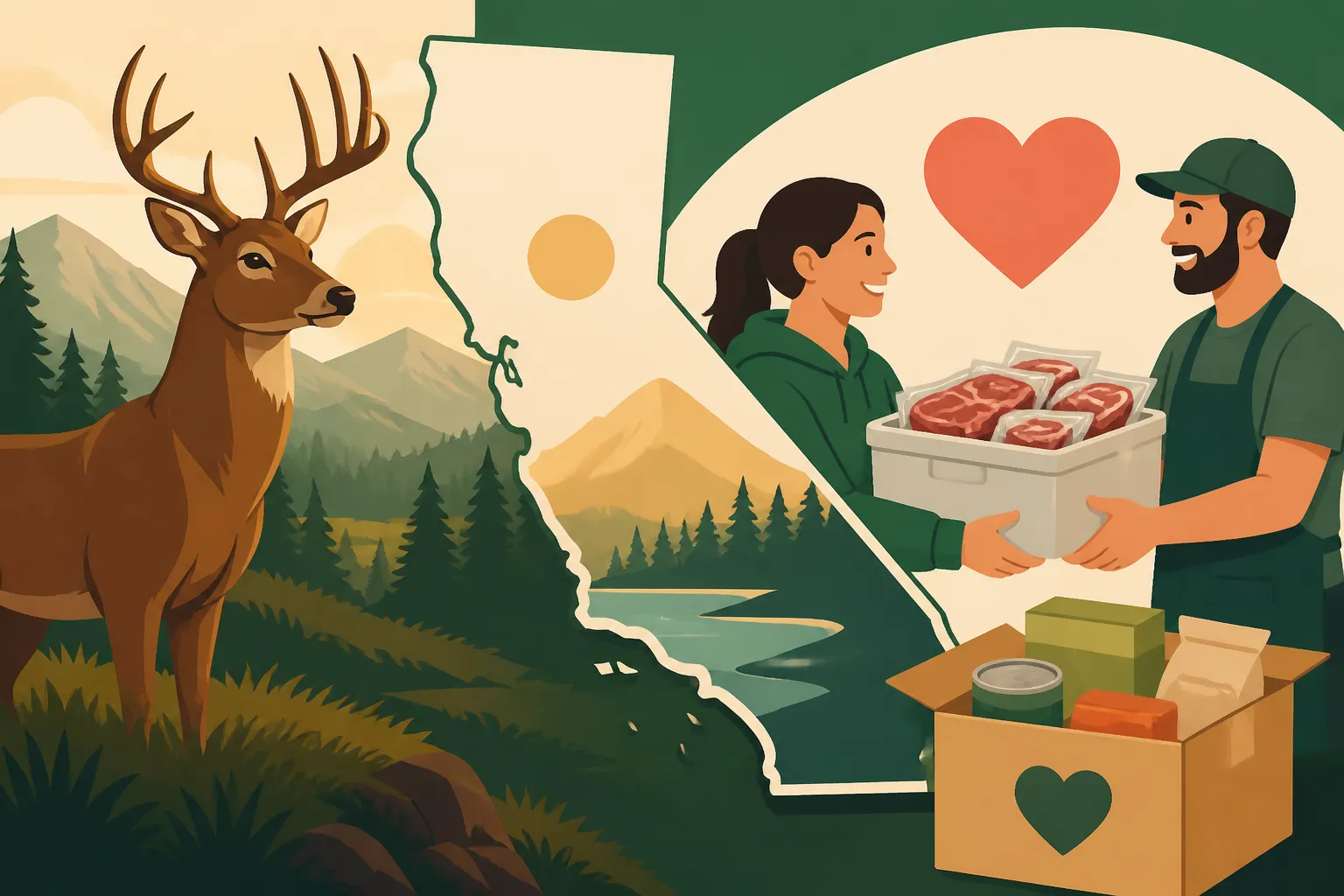
Let's be real, a lot of folks in our California communities struggle with food insecurity. Food banks and local charities are constantly working to provide nutritious meals, and lean, organic protein is often one of the hardest things for them to source consistently. Your donated venison isn't just "meat"; it's a high-quality, healthy, and often locally-sourced protein that can make a huge difference in someone's diet. Imagine the impact of a family being able to enjoy a hearty venison stew, knowing it came from the wild, free-ranging animals of our state. It's a powerful way to put your harvest to the best possible use, demonstrating the generosity and community spirit that is so often found within the hunting world. It also helps shatter some of the misconceptions about hunting, showcasing it as a source of sustenance and a way to support those in need.
Ethical Considerations and Full Utilization
As hunters, we carry a significant responsibility. When we take an animal's life, we commit to respecting that animal and utilizing its gifts as fully as possible. This isn't just about bagging a trophy; it's about honoring the cycle of life and death in nature. Donating venison is a profound extension of this ethical commitment. It ensures that the meat, which could otherwise go unused if your freezer is packed, finds its way to plates rather than being wasted. This full utilization principle is a cornerstone of responsible hunting. It acknowledges that the animal provided sustenance, and by sharing that sustenance, you extend its purpose, truly making the most of your harvest. It's about gratitude and making sure every ounce counts.
Processing and Handling Challenges for Large Game
Let's face it, bringing a whole deer or a big wild pig out of the field, then butchering it down into table-ready cuts, is a lot of work. For many hunters, especially those new to the game or living in smaller spaces, this can be an overwhelming task. Maybe you don't have the space for an extra freezer, or the time to devote an entire weekend to processing. Perhaps your local butcher is booked solid, or you're just not confident in your own butchering skills for such a large animal. This is where venison donation programs can be a real lifeline. Many programs work directly with approved processors who can handle the breakdown of the animal, often at little or no cost to the hunter (though sometimes a small processing fee might apply, which is still often less than commercial processing). This makes it easier for you to contribute without the logistical headaches, ensuring the meat is handled professionally and hygienically.
How Venison Donation Programs Work in California
California is a big, diverse state, and unlike some places with a single, statewide venison donation initiative, our system tends to be a bit more localized and often relies on regional partnerships. This means that while the spirit of giving is strong, the specific mechanics might vary depending on where you're hunting and where you live. It requires a little bit of legwork on your part, but it's absolutely worth the effort.
Finding Participating Programs and Processors
The first step in donating your venison is to figure out who accepts it in your area. This isn't always as simple as a quick Google search for "California venison donation." Often, it involves reaching out to local food banks, homeless shelters, or even community churches. Some independent butcher shops or meat processors have established relationships with these charities and might be able to guide you. It's not uncommon for a regional hunting club or conservation group to facilitate these connections as well, so tapping into your local hunting network can be incredibly beneficial. Websites like GoHunt might also offer resources or forums where local hunters share information about donation opportunities in specific regions. Remember, the key is local networking and proactive inquiry, as a formal, statewide infrastructure for venison donation isn't as prevalent here as it is in some other states.
It's a good idea to identify these potential partners before you head out for your hunt, especially if donating venison is a primary goal. Having a plan in place, knowing which processor to call, and understanding their intake hours can save you a lot of stress and ensure the meat is handled correctly from the moment it comes off the mountain. Waiting until you have a deer in the back of your truck might make it a scramble.
Understanding the Rules and Requirements
Donating venison, much like any food donation, comes with certain responsibilities to ensure public health and safety. The primary concern is always food safety. Programs and processors will have strict guidelines on how the animal must be field-dressed, kept clean, and cooled down quickly. You can't just drop off any old carcass; it needs to be handled with care from the moment of harvest. This often means thorough field dressing as soon as possible after the kill, removing entrails completely, and then rapidly cooling the carcass. For hunters in warmer California zones, this can be a particular challenge and requires diligent planning. You might also encounter questions about the animal's health, which is why understanding things like California's Two CWD Testing Zones and practicing good hygiene are paramount. While CWD testing might not be universally mandatory for donation, knowing the protocol in your area is always a good idea, as it reflects responsible stewardship. Expect inquiries regarding the legality of your harvest; programs need assurance that the animal was taken ethically and within regulations.
The Donation Process Step-by-Step
Once you've done your homework and identified a willing program and processor, the actual donation process becomes quite straightforward. It typically follows a sequence designed to ensure the quality and safety of the meat, from the field to the table.
Here's a general outline of what to expect:
| Step | Description | Key Considerations |
|---|---|---|
| 1. Pre-Hunt Research | Identify local food banks, charities, or processors that accept wild game donations. Confirm their specific requirements and operating hours. | Don't wait until you've tagged an animal! Proactive research prevents stress and ensures a smooth process. |
| 2. Ethical Harvest | Legally harvest your animal, adhering to all California hunting regulations, including possessing the correct tags and licenses. | Ensure your hunt is entirely compliant with CDFW rules. You'll need to demonstrate this for donation. |
| 3. Immediate Field Dressing | As soon as the animal is down, perform a thorough and clean field dressing. Remove all internal organs. This is critical for cooling and meat quality. | Focus on cleanliness. Avoid contaminating the meat with dirt or gut contents. Refer to Field Dressing a Deer in Hot Weather if applicable. |
| 4. Rapid Cooling | Cool the carcass as quickly as possible. This might involve hanging it in a cool, shaded area, using ice, or transporting it immediately to a cooler. | Especially in warmer months or zones, rapid cooling prevents spoilage. Consider packing game bags with ice if temperatures are high, as discussed in Game Bags for Field Care in August Heat. |
| 5. Contact Processor/Program | Immediately after the harvest, or as soon as practically possible, contact the pre-identified processor or donation program to inform them you have a carcass ready for drop-off. | Confirm their drop-off procedures, including any required paperwork or forms. |
| 6. Transport to Facility | Transport the entire, field-dressed carcass (or quarters, if that's their specific instruction) to the designated processing facility or donation center promptly and hygienically. | Keep the meat clean and cool during transport. Use clean tarps or game bags. |
| 7. Documentation & Inspection | Provide your hunting tag, license information, and any other required documentation. The processor or program will likely inspect the carcass for cleanliness and quality. | Be prepared to show proof of legal harvest and answer questions about the animal's condition. Remember, you still need to fulfill your California Deer Reporting Deadline. |
| 8. Processing & Distribution | The processor will break down the animal into usable cuts, package it, and the donation program will distribute the meat to those in need. | Some programs might ask for a small processing fee, but often the cost is covered. |
From your perspective, the process largely involves the first seven steps. Once you’ve delivered a properly field-dressed and cooled animal to an approved facility with the correct paperwork, your part is largely complete. The professionals take it from there, ensuring the meat is safely processed and distributed to nourish our communities.
Common Hurdles and How to Overcome Them
While the idea of donating venison is fantastic, the reality can sometimes present a few bumps in the road. It’s not always a perfectly smooth process, especially in a state as expansive and diverse as California. However, with a little foresight and perseverance, you can easily navigate these challenges and ensure your generous donation makes it to those who need it.
Locating Approved Processors
One of the biggest frustrations for hunters wanting to donate venison is simply finding a meat processor willing and able to take wild game, let alone one that partners with donation programs. Many commercial processors are geared towards domestic livestock and might not have the setup, or the permits, to handle wild animals. Others might be hesitant due to food safety concerns or liability. This means you can't just assume any butcher will accept your deer. The key here is proactive research. Start making calls to local butcher shops, food banks, and even local CDFW offices well before hunting season begins. Ask if they participate in any venison donation programs or if they can recommend a processor who does. Building a relationship with a local butcher who understands game meat can be invaluable. Be prepared that some processors, even when working with charities, may still charge a reduced fee for their services. Factor this potential cost into your hunting budget. Sites like GoHunt might also have community forums or resources where hunters share their experiences with local processors, which can be a great starting point for your search.
Ensuring Meat Quality and Safety
The biggest hurdle, and arguably the most important, is maintaining the quality and safety of the meat from the moment the animal hits the ground until it reaches the processor. California’s varied climate means you could be hunting in cool, high-elevation timber or scorching desert washes. Heat is the enemy of game meat. You must field dress your animal quickly and thoroughly. This means gutting it within minutes of the kill, and then immediately working to cool the carcass. If you're hunting in warm weather, this might involve skinning the animal in the field, quartering it, and getting it on ice in a cooler as fast as possible. Leaving an un-cooled carcass in the back of a truck, even for a few hours, can quickly lead to spoilage, making the meat unfit for donation. Proper field care is non-negotiable, and it’s a skill every hunter should master. Techniques detailed in articles like Hot-Weather Sitting Strategy in August often include tips for handling game in adverse conditions. When transporting, ensure the meat is kept clean, dry, and cool. Remember, you're not just feeding yourself; you're feeding others who depend on that safe, healthy protein.
Navigating Local Regulations
While California has overarching hunting regulations, the specific rules for venison donation can sometimes feel a bit like a patchwork quilt. Some counties or municipalities might have additional health department guidelines for donated wild game. Individual food banks or charities may also have their own strict internal policies about what they can accept, how it must be processed, and what documentation they require. This is why clear and open communication with the specific program or processor you intend to use is absolutely essential. Don't assume. Ask questions like: "Do you need the entire hide?" "Do I need to sign any forms?" "Is CWD testing required for this donation?" Be upfront about your harvest details, including where and when the animal was taken. Always remember to fulfill your legal obligation to report your deer harvest to the California Department of Fish and Wildlife, whether through the online system or the Reporting a Deer Through California's App. Adherence to all regulations, from possessing the correct California Resident License Options to the final harvest report, ensures your donation is above board and helps maintain the integrity of hunting.
Beyond Direct Donation: Other Ways to Share Your Harvest
While donating directly to food banks and charities is an incredibly impactful way to give back, it's certainly not the only avenue for sharing the bounty of your hunting success. The spirit of sharing is deeply ingrained in hunting culture, and there are many informal ways to extend the reach of your venison, enriching your community and fostering understanding about where food comes from.
Sharing with Friends and Family
For generations, sharing game meat has been a cornerstone of hunting. It’s a wonderful way to connect with friends, family, and neighbors, bringing people together around a shared meal. Maybe you have an elderly neighbor who loves wild game but can no longer hunt, or a friend who’s always wanted to try venison but hasn’t had the chance. Offering them some steaks, roasts, or ground meat from your harvest is a fantastic gesture. This act of sharing not only prevents waste but also builds community bonds and helps demystify hunting for non-hunters. It allows you to educate people firsthand about the quality and taste of wild protein, the ethical considerations involved, and the joy of being self-sufficient. There’s something truly special about serving a meal where you can point to the plate and say, “I harvested this myself.” It sparks conversation, appreciation, and often, a deeper connection to the outdoors.
Utilizing All Parts of the Animal
Ethical hunting extends beyond just the meat. A truly responsible hunter strives to utilize as much of the animal as possible, embodying a deep respect for the life taken. While the prime cuts might go to your freezer or to donation, there are many other valuable parts of the animal. Bones can be simmered for rich, nutritious broth that adds incredible depth to soups and stews. Organ meats like heart and liver are incredibly nutrient-dense and prized by many for their flavor and health benefits. Even the hide can be tanned for leather projects or given to artisans. Learning skills like Butchering a Deer at Camp can help you maximize your yield. For those interested in crafts, antlers can be used for art or tool handles. This comprehensive utilization not only minimizes waste but also connects you more deeply to the entire process, honoring the animal in its entirety and reinforcing the hunter's role as a steward of the resource. Every part of the animal has potential value, and seeking to unlock that value is a testament to mindful hunting.
Disclaimer
This article is for general informational purposes only and does not constitute professional advice. Laws, prices and regulations vary by location and change over time. Consult a qualified professional for guidance on your specific situation.