California Rabbit Habitat Restoration Efforts
It's incredibly frustrating to return to a favorite rabbit hunting spot, year after year, only to find the brush thinning, the fields overgrown with invasives, and the once-bustling cottontail population dwindling. Many of us have witnessed firsthand the slow decline of these important small game animals, and it’s disheartening to say the least. This guide is dedicated to shedding light on California's rabbit habitat restoration efforts, exploring the crucial work being done to bring back healthy rabbit populations and what you can do to help.
Understanding the Plight of California's Rabbits
Before we can effectively talk about restoring habitat, we really need to understand what's happening to our rabbit populations here in the Golden State. It's not just a feeling that numbers are down; there are concrete reasons why these resilient creatures are struggling in many areas. For those of us who grew up chasing cottontails, it’s a stark reminder of how quickly landscapes can change.
Key Rabbit Species and Their Habitats
California is home to a few distinct rabbit species, each with its own preferred niche. The California cottontail (Sylvilagus bachmani) is probably the most commonly encountered, often found in dense chaparral, oak woodlands, and brushy riparian areas throughout much of the state, especially the central and coastal regions. These are the quick, darting targets that hug cover tight.
Then we have the desert cottontail (Sylvilagus audubonii), which, as the name suggests, thrives in the more arid eastern and southern parts of California, making its home in sagebrush flats, desert washes, and rocky outcroppings. They’re adapted to drier conditions and often found near reliable water sources if available. Hunters who frequent these areas often notice their presence when Hunting a BLM Desert Wash for Mule Deer.
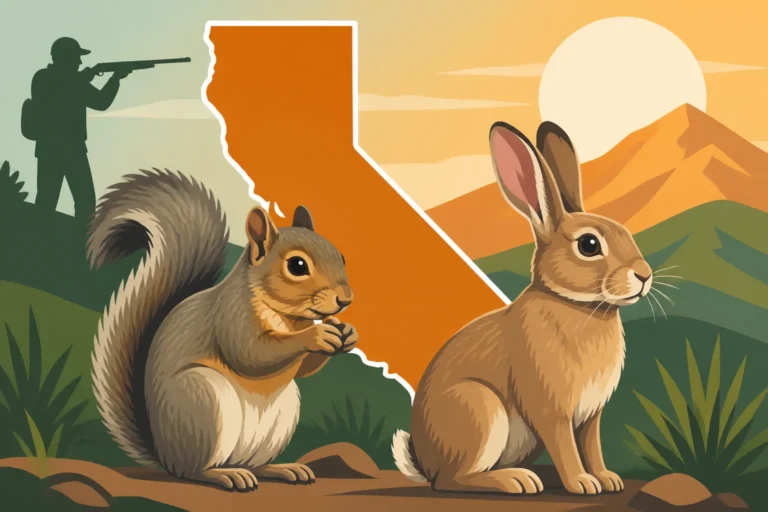
Finally, the black-tailed jackrabbit (Lepus californicus) isn't a true rabbit but a hare, characterized by its long ears and legs. These speed demons prefer open grasslands, sagebrush country, and agricultural lands, often where they can see for miles and outrun predators. While not typically a "habitat restoration" target in the same way as cottontails, their presence is also an indicator of healthy open ecosystems. Unfortunately, their numbers, along with those of true rabbits, have seen a California Cottontail Population Trend that gives many of us pause.
Major Threats to Rabbit Populations
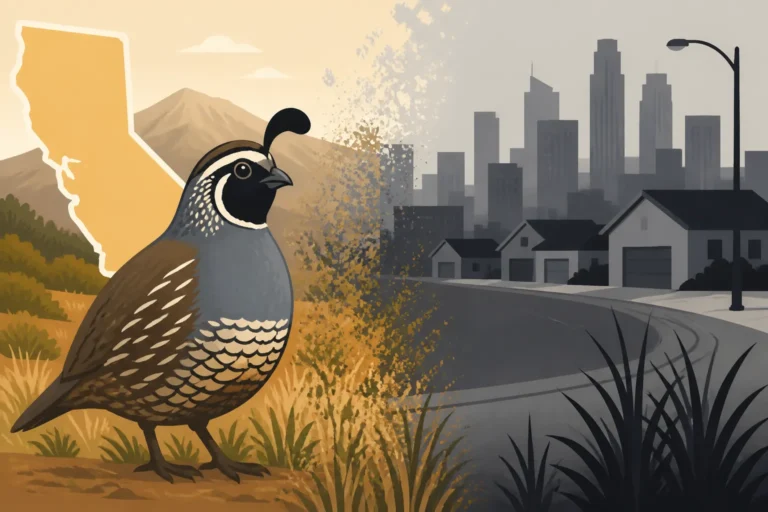
The reasons for declining rabbit numbers are complex, but they often boil down to a few critical factors that are increasingly prevalent across California. The sprawling growth of urban and suburban areas, for example, directly paves over vital brushlands and open spaces where rabbits once thrived. Think of that old field you used to hunt as a kid, now replaced by housing developments or strip malls – that's habitat gone forever.
Agricultural expansion, while necessary for feeding our communities, also plays a role. Large monoculture crops often lack the diverse cover and native forage that rabbits need to survive and escape predators. Pesticide use can also indirectly impact rabbits by reducing their insect food sources or by direct exposure.
Wildfires, an ever-present threat in California, can be both a destructive force and, paradoxically, a long-term benefit. While intense, high-severity fires wipe out all cover and food, smaller, mosaic burns can eventually lead to new, vigorous growth. However, the increasing frequency and intensity of modern wildfires often leave little for rabbits in the immediate aftermath, creating barren landscapes where cover once existed. This dramatic shift can severely impact California Squirrel and Rabbit Populations by removing critical food and shelter.
Principles of Effective Rabbit Habitat Restoration
When we talk about restoring rabbit habitat, we're essentially talking about recreating the conditions that allow these animals to thrive naturally. It's about looking at a landscape through a rabbit's eyes and understanding what they need to survive, reproduce, and ultimately, bolster their populations. This isn't just about planting a few seeds; it's a holistic approach that considers every aspect of their environment.
The Importance of Cover and Forage
For any small game animal, especially rabbits, cover is life. They are a prey species, constantly on alert for hawks, coyotes, bobcats, and even domestic animals. Dense, thorny brush provides indispensable escape routes and hiding spots where they can feel safe from predators. Think about blackberry thickets, impenetrable sagebrush stands, or dense chamise patches – these are rabbit havens. Without adequate cover, even with plenty of food, rabbits are highly vulnerable, leading to high predation rates and population declines.
Equally important is a reliable source of forage, which is simply what they eat. Rabbits are herbivores, munching on a wide variety of grasses, forbs, leaves, and even bark in leaner times. Restoring habitat means planting or encouraging the growth of native plants that provide both nutritional value and structural diversity. This could include native grasses that offer both grazing and nesting material, or shrubs like elderberry, willow, and various native clovers that provide browse and shelter. A diverse plant community ensures a year-round food supply, even as seasons change.
The best habitat often has a mosaic of different cover types and forage options, providing both open areas for feeding and quick access to dense thickets for escape. This mix allows rabbits to maximize their foraging opportunities while minimizing their exposure to danger. When evaluating a potential area, it's not just about seeing green; it's about seeing the right kind of green and enough of it to support a thriving rabbit community.
Water Sources and Soil Health
While rabbits, particularly desert species, are remarkably adapted to dry conditions and can often derive much of their moisture from the plants they eat, the presence of reliable water sources can be a game-changer for overall population health, especially during California's prolonged dry seasons. Natural seeps, ephemeral springs, and even well-managed artificial guzzlers can provide a critical boost to rabbit survival rates, particularly for young animals. Access to water means healthier does, more successful litters, and better overall condition, making them more resilient to disease and environmental stress.
The foundation of all healthy plant life, and therefore healthy rabbit habitat, is soil health. Rich, well-structured soil with good organic content supports a vibrant community of native grasses and forbs, which in turn feed the rabbits. Poor soil, compacted by overuse or degraded by erosion, struggles to sustain robust vegetation. Restoration efforts often involve practices like promoting native plant growth, reducing compaction, and implementing erosion control measures such as contour planting or constructing small check dams in washes.
Healthy soil also plays a role in water retention, allowing rain to soak in rather than run off, which can prolong the availability of moisture for plants long after a rain event. This interconnectedness between soil, water, and vegetation is crucial. By focusing on fundamental elements like soil health, we lay the groundwork for a more resilient and productive habitat, benefiting not only rabbits but the entire ecosystem.
Practical Restoration Strategies on the Ground
Alright, so we know why rabbit habitat needs help and the basic principles. Now, let's talk about the boots-on-the-ground, practical steps we can take. This isn't just theoretical; these are actions that individuals, landowners, and conservation groups can implement to make a real difference.
Creating and Enhancing Brush Piles and Hedgerows
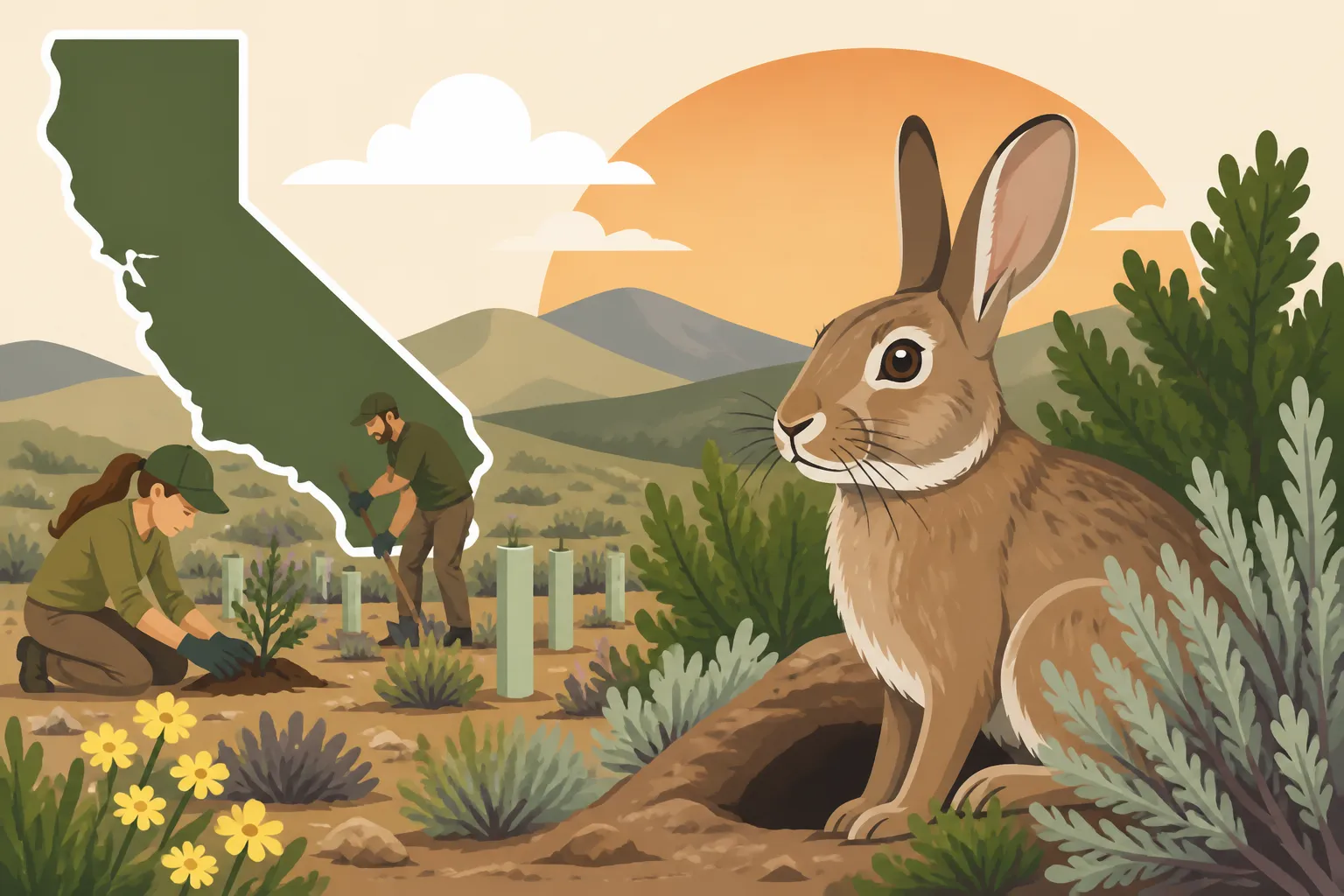
One of the most immediate and impactful things you can do for rabbits is to create brush piles. Think of them as instant rabbit condos. Instead of burning or chipping pruned branches, stack them strategically in areas where rabbits are likely to forage. The key is to create a dense, intertwined structure with plenty of internal cavities that offers security from predators. Start with larger logs for a base, then layer smaller branches on top, creating a tangled mess that predators can't easily penetrate. Ensure the pile is big enough to provide multiple escape routes and hiding spots. Placing a few of these in a field edge or along a fenceline can make a huge difference in rabbit presence.
Beyond standalone brush piles, consider establishing or enhancing hedgerows. These are strips of dense shrubs and small trees, often planted along property lines, field edges, or waterways. Hedgerows not only provide excellent linear cover for rabbits to travel safely between feeding areas and more extensive cover but also offer nesting sites and additional food sources. Planting native, thorny species like California wild rose, coyote bush, or even blackberry (if managed to prevent invasiveness) creates perfect cover. These natural corridors are invaluable, especially on properties where larger blocks of habitat are fragmented. You might find such opportunities when Hunting Small Private Tracts in California or even when Knocking on Doors in California Ranch Country to gain access.
Managing Invasive Species and Promoting Native Growth
California's landscapes are unfortunately plagued by a multitude of invasive plant species, many of which outcompete native vegetation crucial for rabbit survival. Non-native annual grasses, for example, often create dense, uniform stands that offer little nutritional value or structural cover compared to native perennial grasses and forbs. Invasive thistles or mustards can choke out beneficial plants. Therefore, a significant part of habitat restoration involves actively managing and removing these detrimental plants.
Methods for invasive species removal can vary widely, from manual pulling or cutting for smaller infestations to controlled burns or targeted herbicide application for larger areas. The timing of removal is critical; often, it's most effective before seeds can mature and spread. After removal, the next step is to promote native growth. This might involve reseeding with native grass mixes adapted to the local climate and soil, or planting native shrubs and forbs that historically grew in the area. This ensures that the newly opened ground is quickly colonized by beneficial plants, rather than allowing invasives to recolonize. Tools like the GoHunt app often have mapping layers that can help identify different vegetation types, aiding in this planning.
Water Development and Supplemental Forage
In many of California's drier regions, especially those that support desert cottontails and black-tailed jackrabbits, water development can be a critical component of habitat restoration. Constructing small game guzzlers – essentially rainwater catchments with a drinking basin – can provide a reliable water source during arid periods, significantly improving survival rates, particularly for young rabbits. These installations require careful planning for placement, maintenance, and predator access, but they can be incredibly effective.
Beyond natural forage, sometimes supplemental forage can be strategically planted to boost rabbit populations, particularly on private lands. This doesn't mean exotic crops, but rather fostering conditions for robust native plant growth. Planting small patches of native clover, certain wildflowers, or even managing existing native browse species through light pruning can create highly attractive feeding areas. This should always be done with an eye towards what naturally thrives in the local ecosystem, ensuring long-term sustainability and avoiding the introduction of non-native species. Remember, the goal is to enhance the natural environment, not create an artificial one. When you're Scouting California Public Land Before Season, keep an eye out for potential water sources or areas where new forage plantings could thrive.
Collaborative Efforts and Community Involvement
Habitat restoration is rarely a solo endeavor, especially given the scale of the challenges facing California's wildlife. The most successful projects often stem from strong partnerships and a shared vision, bringing together individuals, organizations, and government agencies. If we want to see rabbit populations rebound, it’s going to take all of us working together.
The Role of Conservation Organizations
Across California, numerous conservation organizations are actively involved in wildlife habitat restoration, including efforts that directly benefit rabbits. Groups like the National Wild Turkey Federation (NWTF), while primarily focused on turkeys, often undertake projects that improve overall oak woodland and chaparral health, which directly benefits cottontails. Quail Forever and Pheasants Forever also do extensive work in grassland and shrubland restoration, which is critical for jackrabbits and some cottontail species. These organizations often have dedicated staff with expertise in ecological restoration and the resources to implement larger-scale projects.
These organizations also provide fantastic volunteer opportunities. If you're passionate about seeing more rabbits in the field, rolling up your sleeves and helping with a brush pile build, an invasive plant removal day, or a native seeding project can be incredibly rewarding. It’s a chance to learn, contribute, and connect with like-minded individuals. They also frequently manage funding initiatives, channeling grants and donations towards on-the-ground habitat improvements. Supporting these groups, whether through membership or direct donations, helps amplify their impact. You can often find news about ongoing California Quail Habitat Restoration Efforts or Habitat Work on California Wildlife Areas through these organizations.
Landowner Incentives and Public Land Partnerships
Private landowners control a vast amount of critical habitat in California, making their participation absolutely vital. Fortunately, there are often landowner incentives available through state and federal programs that encourage habitat improvement. These might include cost-share programs that help cover the expenses of planting native vegetation, creating wildlife-friendly fencing, or developing water sources. Programs through the Natural Resources Conservation Service (NRCS) are prime examples, offering technical and financial assistance for conservation practices. Learning about these opportunities can make private land restoration a reality for many.
For public lands, partnerships with agencies like the California Department of Fish and Wildlife (CDFW) or the Bureau of Land Management (BLM) are key. Hunters can play a significant role by identifying areas that would benefit from restoration and advocating for projects. Sometimes, it’s about participating in official public comment periods for land management plans, or directly reaching out to local wildlife biologists. Tools like the GoHunt mapping system or similar apps can be incredibly helpful for sportsmen to identify potential habitat improvement areas on public land by looking at vegetation, terrain, and water sources. When you're using an app for Using an App for California BLM Land Status, you might uncover untapped potential for rabbit habitat.
When approaching public land managers, come prepared with ideas and a willingness to volunteer time or resources. Showing genuine interest and a desire to contribute positively to the resource can open doors to collaborative projects, benefiting rabbits and all the other species that share their home. These partnerships are a powerful way to ensure that habitat restoration efforts are sustained and successful over the long term.
Comparing Key Rabbit Habitat Components
To truly understand what makes for good rabbit habitat, it helps to break down the essential components and their specific benefits. This table offers a quick overview of what rabbits need to thrive and why each element is crucial for their survival.
| Habitat Component | Description | Key Benefits for Rabbits |
|---|---|---|
| Dense Brush / Cover | Thick, thorny shrubs, downed logs, brush piles, chaparral | Protection from predators (hawks, coyotes), escape routes, nesting sites, thermal regulation (shade in summer, insulation in winter). |
| Native Forage | Diverse grasses, forbs, leaves, bark from native plants | Primary food source, provides essential nutrients, water content, supports a healthy digestive system. |
| Water Sources | Natural seeps, springs, puddles, artificial guzzlers | Critical hydration, especially in arid regions and during dry seasons; important for lactating does. |
| Edge Habitat | Transitional zones between different cover types (e.g., forest edge, field border) | Allows access to both dense cover and open feeding areas, maximizes foraging efficiency while minimizing exposure. |
| Healthy Soil | Rich, well-structured soil with organic matter | Supports robust growth of native forage plants, retains moisture, promotes a diverse plant community. |
| Sunlight Access | Patches of open ground or sparse canopy within brush | Warms rabbits in colder weather, allows for sunning, promotes growth of low-lying forage plants. |
Conclusion
The work of restoring California's rabbit habitat is a critical endeavor, not just for the rabbits themselves, but for the health of our entire ecosystem. When rabbit populations are healthy, it indicates a vibrant landscape that also supports a myriad of other wildlife, from quail and deer to the predators that rely on rabbits as a food source. It's a complex challenge, one where urbanization, agricultural practices, and wildfires have chipped away at vital cover and forage. But by understanding the specific needs of our native rabbit species and implementing practical strategies like creating dense brush piles, managing invasive plants, and developing water sources, we can begin to turn the tide. Whether you're a hunter, a conservationist, or just someone who appreciates seeing wildlife thrive, there's a place for you in these efforts. Remember, a thriving rabbit population is a sign of a thriving California.
Disclaimer
This article is for general informational purposes only and does not constitute professional advice. Laws, prices and regulations vary by location and change over time. Consult a qualified professional for guidance on your specific situation.