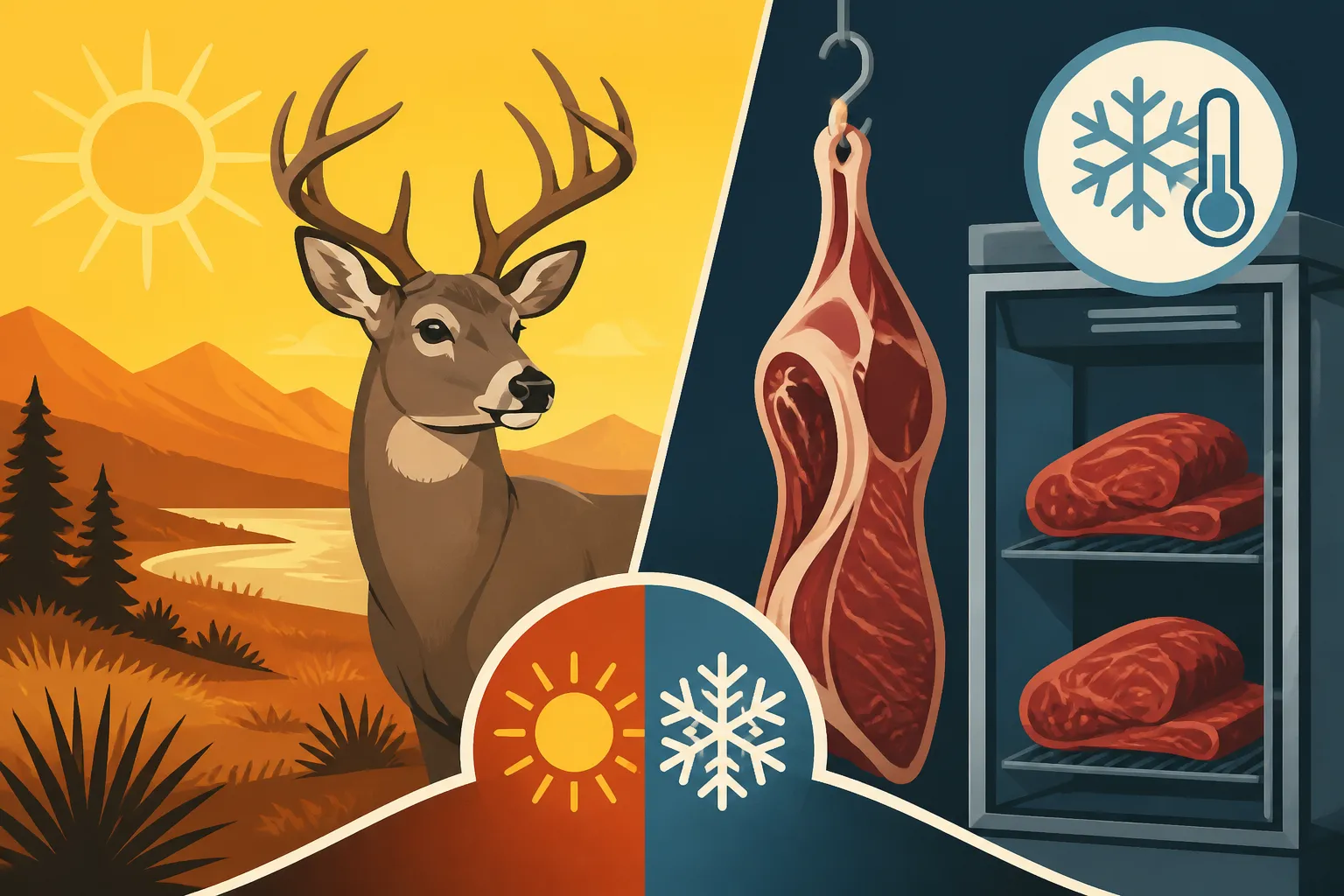
Aging Venison in Hot Weather
One of the biggest anxieties for any California deer hunter, especially those hitting the early seasons in places like Zone A or those chasing pigs year-round, is managing venison when the mercury is still climbing. There’s nothing worse than working hard for an animal only to worry about the meat spoiling before you even get it home. This guide is all about demystifying the process of aging venison, even when the weather isn't exactly cooperating, ensuring your hard-earned harvest is tender and delicious.
Understanding the "Why" of Aging Venison
Before we dive into the nitty-gritty of keeping your hard-won venison cool, let's talk about why we even bother with aging in the first place. It's not just some old-timer's tradition; there's real science behind it, and understanding this helps us make better decisions when the weather turns against us.
The Science Behind Tenderness and Flavor Development
When an animal is harvested, its muscles are, understandably, tense. Immediately after, a process called rigor mortis sets in, causing the muscles to stiffen. If you were to butcher and cook that meat right away, it would be tough—almost rubbery. Aging is essentially a controlled decomposition process where the meat's natural enzymes go to work, breaking down complex proteins and connective tissues. Think of it as a natural tenderizer. These enzymes, naturally present in the muscle, start to gently break down the muscle fibers and collagen, which is what gives meat its chewiness. This enzymatic action results in significantly more tender meat.
Beyond tenderness, aging also contributes immensely to flavor. As the moisture slowly evaporates from the surface during dry aging, the flavors become more concentrated. Additionally, other biochemical reactions occur that develop deeper, richer, and more complex flavors that you just won't find in unaged meat. This is especially noticeable in lean game like deer, where every bit of flavor enhancement is a bonus. It truly elevates the eating experience from merely good to exceptional, making all your effort in the field truly worth it.
Risks of Improper Aging, Especially in Heat
Now, all this wonderful enzymatic breakdown needs to happen under very specific, controlled conditions. Introduce heat and excessive moisture, and you're no longer aging; you're spoiling. In warm temperatures, bacteria—the bad kind—thrive. Instead of beneficial enzymes doing their work, undesirable bacteria multiply rapidly, leading to spoilage. This is where you get off-smells, slimy textures, and ultimately, unsafe meat. The last thing any hunter wants is to risk their health or waste an animal.
Another significant risk is "bone sour," which occurs when the internal temperature of the meat, particularly around the bone joints, remains too high for too long. This creates an anaerobic environment where spoilage bacteria flourish deep within the carcass, even if the exterior seems fine. You might not notice it until you cut into the meat much later, only to find a putrid smell emanating from the bone, rendering that section, or even the entire animal, unusable. This is why rapid, thorough cooling is absolutely non-negotiable, especially after a successful hunt in the warmer parts of California, like the Central Valley or the foothills.
Critical First Steps: Field Dressing in Warm Climates
When you've just put a deer down, especially on a sweltering August day in a Hunting a D-Zone That Opens in August unit, the clock starts ticking the moment that animal hits the ground. Your immediate actions are the most crucial factor in determining whether that venison will be fit for the table. Every minute counts when the sun is beating down.
Rapid Gutting and Skinning for Initial Cooling
The very first thing you need to do, without delay, is to gut the animal. Removing the entrails immediately takes away a massive source of internal heat and bacteria. The gut pile, still warm from the animal's body, acts like a slow-cooking oven if left inside the carcass. Get it out, and get it away from the meat. Next, if at all possible, skin the animal as soon as you can. The hide acts as an incredible insulator, holding heat in. While it might feel counterintuitive in some colder climates, in warm California weather, removing that hide allows the meat to start cooling down rapidly, directly exposed to any breeze. If you're out in the Hunting Coastal Range Oak Woodlands with little shade, this step becomes even more critical.
After gutting and skinning, wipe the cavity clean with dry paper towels or a clean cloth to remove any blood or debris. Avoid using water inside the cavity unless absolutely necessary, as adding moisture can encourage bacterial growth if the meat isn't dried quickly afterward. A quick and clean field dressing job is your first line of defense against spoilage in the heat.
Quartering and Getting Meat into Game Bags
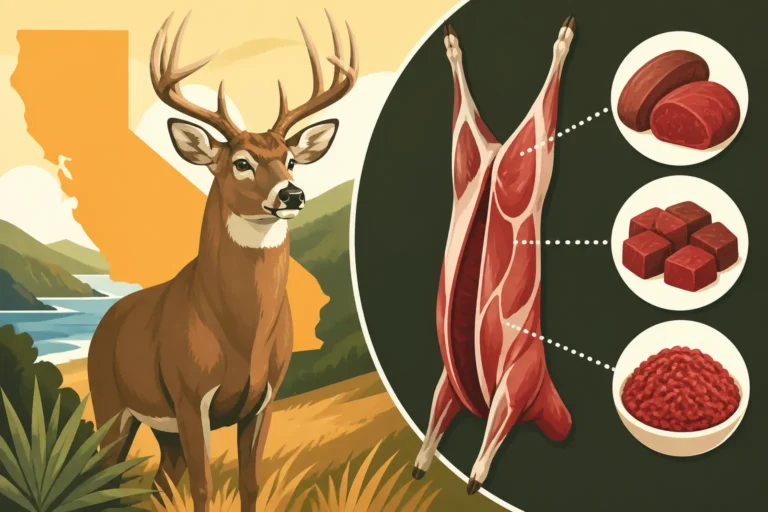
Once gutted and skinned, if you're not planning to pack out the whole carcass, quarter the animal. Breaking it down into quarters (two front shoulders, two hindquarters, and the backstraps/tenderloins) exposes more surface area to cooling air and makes it much easier to handle and transport. This is particularly important for larger game like elk, but still beneficial for deer. As you quarter, try to keep the meat as clean as possible, trimming away any bloodshot areas or hair.
Immediately after quartering, place the meat into clean, breathable game bags. These aren't just for keeping dirt and flies off; quality game bags allow air circulation, which is vital for cooling, and they form a protective barrier that helps a pellicle (a thin, dry crust) form on the surface of the meat. This pellicle is important for dry aging, as it seals the meat and protects it from bacteria. I swear by good quality synthetic game bags that can be washed and reused, they are a significant upgrade from cheesecloth. Having your game bags ready and accessible in your pack, perhaps even using a mapping tool like GoHunt to scout the closest cool spot or shade tree for this process, can shave precious minutes off your critical field care. For more tips on this, check out Game Bags for Field Care in August Heat.
Initial Cooling and Transport Considerations
After field dressing, skinning, and bagging, the next immediate challenge is to get the meat cooled down. Find the deepest shade you can, perhaps under a dense oak canopy or a rocky overhang. Elevate the meat off the ground if possible, allowing air to circulate around all sides. If you have any ice packs or frozen water bottles, place them in the body cavity or around the thickest parts of the quarters within the game bags, but ensure they don't directly contact the meat for extended periods if moisture is a concern for dry aging.
Transport is where most hunters run into trouble with heat. If you're hiking a long distance out of the Hunting California's Sierra Nevada Backcountry and it's warm, your goal is to minimize exposure to direct sunlight and keep air circulating. Don't throw bagged quarters directly into the trunk of a hot car where heat will build up. If you have a truck, put the meat in the bed, covered with a reflective tarp (silver side up) and with space underneath for air. Better yet, get it into a cooler with ice as soon as possible. The longer the journey, the more critical these steps become. For insights on dealing with the elements, consider reading Wind and Thermals in Steep Sierra Country.
Creating the Ideal Environment for Aging in Heat
Once you've done everything right in the field, the next challenge is to replicate an ideal aging environment despite the prevailing warm weather outside. This is where most hunters realize that aging isn't just about time; it's about temperature and control.
The Magic Range: Temperature, Humidity, and Airflow
The "sweet spot" for aging venison, or any red meat, is generally between 34-40°F (1-4°C). This temperature range is cold enough to drastically slow down bacterial growth, but warm enough to allow the natural enzymes to work their magic on tenderizing the meat. Below this, the enzymatic action virtually stops, and you're just storing, not aging. Above this, and you're in the danger zone for spoilage.
Humidity is also critical. For dry aging, you want a relative humidity of around 75-85%. Too low, and the meat dries out too quickly, losing excessive moisture and potentially becoming tough. Too high, and it can encourage mold growth, even at cold temperatures. Good airflow is the unsung hero of proper aging. Constant, gentle air circulation helps maintain an even temperature throughout the meat, prevents stagnant moist spots where bacteria thrive, and contributes to the formation of that protective pellicle on the surface. Stagnant, warm air is the enemy.
| Factor | Ideal Range | Impact if Too High | Impact if Too Low |
|---|---|---|---|
| Temperature | 34-40°F (1-4°C) | Rapid bacterial growth, spoilage, bone sour | Enzyme action stops, no true aging |
| Humidity | 75-85% (Dry Aging) | Mold growth, slimy surface | Excessive moisture loss, meat dries out |
| Airflow | Gentle, consistent | Stagnant air, uneven cooling, odor build-up | N/A (lack of airflow is the issue) |
Understanding Dry Aging vs. Wet Aging
When we talk about aging, we're usually referring to dry aging. This is the traditional method where meat is hung, exposed to air, in a controlled temperature and humidity environment. The surface dries out, forming a crust, and the enzymatic breakdown occurs over several days to weeks. The benefits are superior tenderness and a more concentrated, complex flavor profile. The drawbacks are moisture loss (which means some weight loss) and the need to trim off the dried outer layer, which reduces yield. This method truly shines for flavor.
Wet aging, on the other hand, involves sealing the meat in a vacuum-sealed bag shortly after butchering and allowing it to age in its own juices in a refrigerated environment. This is what most commercial processors do, as it results in less weight loss and no trim. The enzymes still work, tenderizing the meat, but the flavor development is often less pronounced than with dry aging because there's no moisture evaporation or direct air exposure. While it still produces tender meat, it doesn't achieve the same depth of flavor. For a hunter in warm weather, wet aging in a cooler with ice (as described below) is often the most practical and safest approach if professional refrigeration isn't an option.
Practical Strategies for Aging Deer in California's Heat
So, you've taken all the critical initial steps in the field. Now, how do you manage that aging process when it's still warm out, and you don't have a walk-in cooler? There are a few practical strategies that California hunters employ, each with its own benefits and considerations.
Using Ice Chests for Controlled Cooling and "Wet Aging"
For many hunters, especially those without access to a dedicated game refrigerator, the humble ice chest becomes their best friend for managing venison in warm weather. This method is essentially a form of "wet aging," as the meat is constantly in a cool, moist environment. Here's how to do it effectively:
First, ensure your quarters are clean and placed in sturdy game bags. Next, fill a large, quality cooler (the kind that holds ice for days, like a Yeti cooler or an RTIC) with a layer of ice on the bottom. Place your bagged venison quarters on top of the ice, then add another layer of ice over the meat. The key is to surround the meat with ice. Close the lid tightly to maintain temperature. The ice will melt, so you need to drain the cooler regularly—at least once or twice a day. You absolutely do not want the meat sitting in bloody water, as this accelerates spoilage. Each time you drain, check the ice level and add fresh ice as needed to keep the meat thoroughly chilled. This process can typically be maintained for 3-7 days, which is enough time for significant tenderizing to occur, essentially creating a controlled "wet age." This method is a lifesaver when you're hunting in warmer D-zones or early season Bowhunting California's Zone A Season.
Utilizing Dedicated Game Refrigerators or Walk-in Coolers
If you're fortunate enough to have a dedicated game refrigerator or access to a walk-in cooler, you're in a much better position for traditional dry aging. These units allow you to set and maintain that crucial temperature range of 34-40°F and often have features to control humidity. In this setup, you can hang the skinned quarters (still in breathable game bags, or even exposed if the air circulation is excellent and your unit is clean) allowing for true dry aging.
Proper airflow is key here. Don't pack the cooler so full that air can't circulate around each piece of meat. You can use small fans inside the cooler to ensure constant, gentle air movement. The length of time you age depends on personal preference and the animal's age—younger deer might only need 5-7 days, while older bucks could benefit from 10-14 days or even longer. Always check the meat daily for any off-smells or sliminess; a dry, dark pellicle is good, but any sign of active mold or unpleasant odor means you need to adjust or process immediately. Many hunters, myself included, rely on tools like GoHunt to scout areas, and sometimes that scouting includes identifying potential processing facilities or even shaded canyons where temperatures might be slightly lower for initial cooling before heading home.
Professional Processors: The Safest and Easiest Option
Let's be realistic: not everyone has the time, equipment, or desire to manage the aging process themselves, especially when hunting in the heat. This is where professional game processors become invaluable. If you've just taken a deer in a warm area, getting it to a reputable processor as quickly as possible is often the safest and easiest option. They have walk-in coolers, specialized equipment, and the expertise to handle and age your venison properly.
When selecting a processor, ask about their aging practices. Do they dry age or wet age? How long do they typically age deer? Knowing their methods can help manage your expectations for the final product. While it comes with a cost, the peace of mind knowing your venison is being expertly cared for is often well worth it, especially if you're not equipped for proper cold storage at home. You might even find local processors listed on GoHunt forums or community sections, along with reviews from other hunters in your area. For more on ensuring your harvest is safely handled, consider Field Dressing a Deer in Hot Weather to complement your processing choice.
Ultimately, aging venison in hot weather is a balancing act of speed, cleanliness, and controlled cold. By understanding the principles and applying these practical strategies, you can transform a challenging situation into a successful culinary outcome.
Disclaimer
This article is for general informational purposes only and does not constitute professional advice. Laws, prices and regulations vary by location and change over time. Consult a qualified professional for guidance on your specific situation.