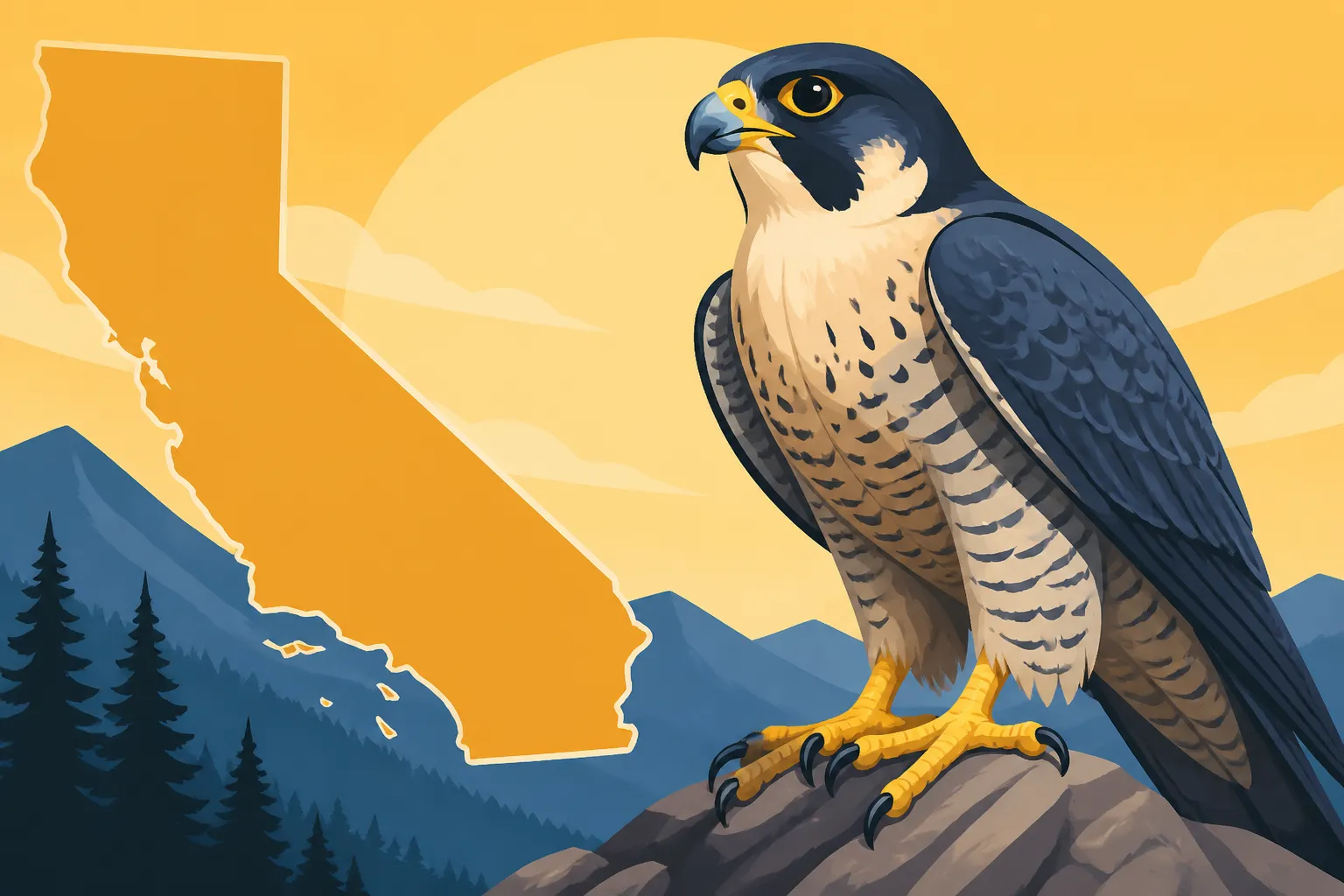
California Peregrine Falcon Recovery
Oh, the sheer power and grace of a peregrine falcon in a dive! For so many years, it felt like a ghost, a whisper of what once was. Their absence left a gaping hole in the skies and a profound sadness in the hearts of anyone who understood the critical role these magnificent raptors play in our wild spaces. This guide is all about celebrating one of California’s most incredible conservation triumphs: the remarkable journey of the peregrine falcon from the brink of extinction to soaring once more over our diverse landscapes.
The Peregrine Falcon's Historic Decline in California
It’s hard to imagine now, looking at them, that there was a time when these lightning-fast hunters were virtually gone from California's skies. The story of their decline is a somber reminder of how human activity can unintentionally devastate wildlife, even the most formidable predators. It wasn't a matter of direct hunting or habitat destruction in the way we often think about it; it was something far more insidious and widespread.
The Silent Spring and DDT's Impact
The middle of the 20th century brought an agricultural revolution, and with it, widespread use of potent pesticides, none more infamous than DDT. While initially hailed as a miracle solution for controlling insect pests, its ecological consequences were catastrophic, particularly for birds of prey. DDT is what we call a persistent organic pollutant, meaning it doesn't break down easily in the environment. Instead, it moves through the food chain, becoming more concentrated at each successive level—a process known as biomagnification. Small insects would ingest it, then small birds would eat those insects, and then the peregrine falcons, as apex predators, would consume many of those smaller birds. Each meal added more DDT to their systems.
The result for peregrines was devastatingly subtle yet utterly destructive. The adult falcons might not have dropped dead, but the DDT interfered with their calcium metabolism. When it came time to lay eggs, the females produced shells that were incredibly thin and fragile. These eggs couldn't withstand the weight of the incubating parent, cracking and breaking before the chicks could develop. Imagine the frustration and heartbreak for a pair of falcons, faithfully building a nest, only for their future generation to crumble beneath them. Nest after nest failed, year after year, and the population plummeted. California's once-thriving peregrine population, a symbol of wild freedom, was vanishing with frightening speed.
Near Extinction and the Dire Outlook
By the 1970s, the situation for peregrine falcons across North America, and certainly in California, was dire. The numbers were so low that many feared the species was headed for complete extirpation – meaning it would be locally extinct within the state, even if pockets survived elsewhere. There were only a handful of known nesting pairs left in California, clinging to existence in remote, untouched areas, still struggling with the lingering effects of DDT in the environment. The iconic "bullet bird," capable of diving at speeds over 200 miles per hour, was being brought down by something it couldn't see or fight.
The thought of losing such a magnificent creature was sobering. Peregrines are not just fast; they are vital components of their ecosystems, helping to regulate prey populations and maintaining ecological balance. Their absence was a stark warning, a silent alarm bell ringing across the natural world. Conservationists, biologists, and concerned citizens watched with growing alarm, realizing that without immediate, drastic intervention, the skies over California would forever be emptier, missing the breathtaking stoop of the peregrine. It was a dark time, but it also spurred an incredible resolve to act.
A Coordinated Effort: Bringing Them Back from the Brink
The story of the peregrine falcon's recovery is a powerful testament to what focused conservation, scientific understanding, and legislative action can achieve. It wasn't an overnight fix, but rather a multi-decade commitment by passionate individuals and organizations determined to right a severe wrong. It required courage to challenge established practices and ingenuity to overcome biological hurdles.
The DDT Ban and Environmental Policy Shifts
The most critical turning point in the peregrine's favor was the federal ban on DDT in the United States in 1972. This wasn't an easy decision; it was met with considerable resistance from agricultural industries and chemical companies. However, the overwhelming scientific evidence presented in Rachel Carson's groundbreaking book, Silent Spring, and subsequent research unequivocally linked the pesticide to widespread wildlife mortality and reproductive failure, particularly in raptors. The environmental movement gained momentum, and eventually, the ban was implemented.
This policy shift was the absolute foundation for recovery. Without removing the primary toxin from the environment, no amount of captive breeding or habitat protection would have truly worked in the long term. It allowed the food chain to slowly cleanse itself of the harmful chemical, enabling peregrines to eventually produce viable eggs again. This period marked a profound realization for society: our actions have far-reaching ecological consequences, and proactive environmental protection is not just an ideal, but an absolute necessity for the health of our planet and its inhabitants. We saw similar proactive measures taken years later to protect other key raptors, such as the California Condor Recovery and the Ammo Law, which tackled lead poisoning.
Captive Breeding and Reintroduction Programs
While the DDT ban was crucial, the peregrine population was so decimated that simply waiting for nature to take its course wasn't enough. Enter the era of active intervention: captive breeding and reintroduction programs. Scientists and raptor enthusiasts embarked on an ambitious project to breed peregrines in captivity and then release their offspring into the wild. One of the most successful techniques was called "hacking." Young peregrine chicks, often just a few weeks old, were placed in artificial nests, or "hack boxes," located in historical or suitable peregrine territories, usually on tall cliffs or towers. These boxes protected them from predators while allowing them to acclimate to their wild surroundings.
Caretakers would provide food without letting the chicks see humans, ensuring they didn't imprint on people. Once the young falcons were old enough, the hack box doors were opened, and they were free to fledge and learn to hunt. They would often return to the hack site for food for a few weeks as they honed their hunting skills, before dispersing into the wild to establish their own territories. In California, these efforts were meticulously carried out in various regions, including the coastal cliffs where they historically nested, as well as along major river systems and mountain ranges. These reintroduction efforts, often spanning years at a single site, painstakingly rebuilt the population one fledged falcon at a time. It was a Herculean task, but the dedication of those involved was unwavering, and it truly paid off.
Habitat Protection and Monitoring
Beyond breeding and reintroduction, the long-term success of the peregrine's recovery hinged on safeguarding their critical habitats and continuously monitoring their progress. Protecting nesting sites from human disturbance became paramount. Peregrines are highly sensitive to activity around their nests, especially during incubation and chick-rearing. This led to the establishment of buffer zones around known nesting cliffs and specific regulations for climbers, hikers, and other recreational users during breeding seasons. Educational campaigns helped the public understand the importance of giving these birds space.
Ongoing monitoring efforts have also been vital. Biologists regularly survey historical and potential nesting sites to track new pairs, count fledglings, and assess overall population health. Bird banding, where small, uniquely numbered bands are placed on a falcon's leg, provides invaluable data on survival rates, migration patterns, and dispersal. This continuous data collection helps wildlife managers understand how the population is responding, identify new challenges, and adapt conservation strategies. It's a testament to sustained vigilance, ensuring that the progress made isn't lost. We see similar efforts in the careful watch over the California Bald Eagle Recovery and the creation of structures like California Osprey Nesting Platforms to aid in their comeback. Understanding where species are thriving or struggling requires a keen eye and often, dedicated fieldwork to interpret what the environment is telling us.
The Peregrine Falcon's Resurgence and Current Status in California
Today, the peregrine falcon's story in California is one of triumph, a truly inspiring example of what’s possible when conservation efforts are met with dedicated public and scientific support. The silent skies are silent no more, and the distinctive cry of the peregrine can once again be heard across many of our wild and even urban landscapes.
Signs of Success: Population Growth
The most evident sign of success is the remarkable increase in the number of nesting pairs and the overall peregrine population. From a mere handful of pairs in the darkest days, California now boasts hundreds of active nesting sites. These birds have repopulated their historical territories along the rugged coastline, from the windswept cliffs of Big Sur to the rocky outcrops of the Channel Islands. But perhaps even more fascinating is their adaptability. Peregrines have begun to colonize unexpected places, making homes on urban skyscrapers, massive bridges, and even industrial structures, finding suitable ledges that mimic their traditional cliff-side nesting sites.
Seeing a peregrine falcon hunt pigeons around a downtown office building or perched atop a golden gate bridge cable is a powerful symbol of nature's resilience and a testament to the decades of hard work. Each successful fledgling represents a victory, a future generation of these incredible raptors ensuring their place in California's ecosystem. It's a feel-good story that reminds us that even when things seem bleak for a species, recovery is absolutely possible with sustained effort.
Where to Spot California's Recovered Peregrines
If you're eager to catch a glimpse of these aerial acrobats, California offers many opportunities. Coastal cliffs are still prime real estate for peregrines, particularly along the central and northern coasts. Areas like Point Reyes National Seashore, Big Sur, and various state parks with dramatic ocean bluffs are excellent places to scan with binoculars. However, don't limit your search to wild, remote areas. As mentioned, peregrines are surprisingly comfortable in urban environments. Keep an eye on tall buildings in cities like San Francisco, Oakland, and even Sacramento. Large bridges are also popular, offering both high vantage points and abundant prey.
When you're out scouting for wildlife, remember to always be respectful. Give nesting birds plenty of space, avoid disturbing their habitats, and use optics like binoculars or spotting scopes to observe them from a distance. The thrill of spotting one of these birds, especially witnessing their famous "stoop" as they dive after prey, is an unforgettable experience and a powerful connection to the wild heart of California. Tools that help you understand land boundaries, like GoHunt, can also help ensure you're observing from appropriate, accessible public lands, respecting both wildlife and private property.
| Peregrine Falcon Status Category | Pre-DDT Era (Early 20th Century) | Lowest Point (1970s) | Post-Recovery (Today) |
|---|---|---|---|
| Population Trend | Widespread & Stable | Critically Low | Significant Increase |
| Nesting Success | High | Near Zero | High |
| Primary Threat | Minimal (Some historical persecution) | DDT Pesticide | Habitat Loss, Climate Change, other pollutants |
| Habitat | Remote Cliffs, Mountainous Areas | Few Isolated Pockets | Coastal Cliffs, Bridges, Urban Buildings, Mountains |
| Conservation Status | Common | Endangered | Recovered (though still protected) |
Ongoing Challenges and Conservation Needs
While the peregrine falcon's recovery is a shining example, the work is far from over. No species, especially one that has faced such severe challenges, is ever truly "safe" from new threats. Habitat loss and degradation remain significant concerns. As California's population grows, development encroaches on wild spaces, fragmenting habitats and reducing the availability of suitable nesting and hunting grounds. Climate change also presents an evolving threat, potentially altering prey availability, shifting migration patterns, or increasing the frequency of extreme weather events that could impact nesting success.
Furthermore, while DDT is banned, other pesticides and environmental contaminants still exist in our ecosystems. Constant vigilance is required to monitor the health of peregrine populations and to identify any emerging environmental concerns. Citizen science plays a crucial role here; reporting sightings, participating in local bird counts, and supporting organizations dedicated to raptor conservation all contribute to the ongoing stewardship of these magnificent birds. Continued monitoring, similar to the broader California Wildlife Disease Monitoring Program and specific programs like California's Deer and Elk Disease Monitoring, ensures we understand the ongoing health of our ecosystems. Their journey reminds us that conservation is a continuous commitment, not a one-time fix.
The Broader Impact: Lessons Learned for California's Wildlife
The peregrine falcon's triumphant return is more than just a success story for one species; it offers profound lessons and hope for all of California's diverse wildlife. It reminds us of the interconnectedness of our ecosystems and the incredible power of dedicated conservation efforts.
A Beacon of Hope for Endangered Species
The peregrine falcon's recovery serves as a powerful beacon of hope for other endangered and threatened species in California and beyond. It demonstrates that with scientific understanding, strong environmental policy, and sustained effort, even species pushed to the brink of extinction can make a comeback. This success story provides a practical blueprint, offering valuable insights into captive breeding techniques, habitat restoration, and the importance of public engagement. It underscores that giving up on a species, no matter how dire its situation, is not an option. From the California Bighorn Sheep Protection Status to the ongoing debates around species like the California Mountain Lion Protection Status, the peregrine's story inspires conservationists to keep fighting, to keep innovating, and to keep believing in the resilience of nature. It’s a stark contrast to the sad history of the California Grizzly Bear History and Extirpation, a reminder of what we can lose if we don’t act.
The Importance of Ecosystem Health
The return of the peregrine falcon is also a strong indicator of improving ecosystem health. As an apex predator, the peregrine sits at the top of its food chain. For its population to thrive, it requires a healthy base of prey species, which in turn rely on robust insect populations and clean, intact habitats. Therefore, a thriving peregrine population suggests that the broader environment—the air, water, and food sources—is cleaner and more capable of supporting a diverse array of life. It highlights how the health of one species can be a diagnostic tool for the health of an entire ecosystem. When we protect peregrines, we are, by extension, protecting countless other species within their range. This holistic view of conservation, understanding that everything is connected, is crucial for effective long-term wildlife management.
Citizen Involvement and Future Stewardship
Finally, the peregrine falcon's recovery emphasizes the indispensable role of citizen involvement in conservation. It was public awareness, scientific advocacy, and ultimately, political will that led to the DDT ban and funded the recovery programs. Today, continued vigilance from ordinary Californians—reporting unusual wildlife activity, participating in wildlife surveys, advocating for environmental protections, and supporting conservation organizations—is vital for maintaining the progress made and addressing new challenges. Even hunters, often deeply connected to the land and its health, play a role in this stewardship. Resources like GoHunt, which provide detailed mapping and land status, empower individuals to navigate public lands responsibly and thoughtfully, fostering a deeper respect for all wildlife, including non-game species. By staying informed, getting involved, and appreciating the wild wonders around us, we can ensure that the skies of California continue to be graced by the breathtaking sight of the peregrine falcon for generations to come. This commitment extends to caring for injured animals, a vital part of the broader conservation picture, often handled by dedicated groups focused on California Wildlife Rehabilitation for Injured Game.
Disclaimer
This article is for general informational purposes only and does not constitute professional advice. Laws, prices and regulations vary by location and change over time. Consult a qualified professional for guidance on your specific situation.