California Osprey Nesting Platforms
It's heartbreaking to see wildlife struggle with habitat loss, and one of California's most magnificent raptors, the osprey, faces significant challenges when it comes to finding safe and stable places to raise their young. This guide aims to shed light on the crucial role of osprey nesting platforms in supporting these incredible birds, covering everything from why they're needed to how they're built and maintained, and how we, as outdoor enthusiasts, can help.
The Importance of Osprey Nesting Platforms in California
California is a state of incredible natural beauty and ecological diversity, but rapid development and changing landscapes have put immense pressure on many wildlife species. Ospreys, those majestic fish-eating hawks, are particularly sensitive to these changes, especially when it comes to securing suitable nesting sites. Their survival, and indeed their thriving presence, often hinges on our proactive efforts to provide them with safe havens, which is where nesting platforms become indispensable.
Why Ospreys Need Our Help: Habitat Loss and Human Impact
Think about it: an osprey needs a large, sturdy structure, often near a water body abundant with fish, to build its sprawling nest. Historically, these might have been towering dead trees or rocky outcrops along rivers, lakes, and coastal areas. However, many of these natural perches have vanished due to logging, shoreline development, and even natural processes like erosion. As humans spread, we often remove the very trees these birds rely on, or we introduce disturbances that make natural nesting untenable. Imagine an osprey trying to raise chicks next to a constantly buzzing highway or a busy marina – it's just not going to work. Power poles, while tall, pose electrocution risks, and communication towers, while offering height, often lack the stable, flat surface needed for a massive nest. This scarcity of safe, natural sites directly impacts their breeding success, leading to fewer young birds joining the population each year.
Where Ospreys Thrive: Natural and Man-Made Structures
While ospreys undoubtedly prefer their natural snags and robust tree limbs, they are remarkably adaptable when given suitable alternatives. In areas where old-growth trees are scarce or constantly disturbed, man-made platforms offer a lifeline. These structures often mimic the stability and height of natural sites, providing a sturdy base for the birds to construct their substantial nests. You’ll typically find ospreys thriving around large freshwater lakes, slow-moving rivers, estuaries, and even along the coast, wherever fish are plentiful. Places like the large reservoirs in the Sierra foothills or the expansive wetlands of the Central Valley are prime osprey country. By providing these platforms, we're not just offering a place to nest; we're creating a secure foundation that allows them to focus on fishing and raising their young without the constant stress of finding or defending an inadequate site. It's about giving them a leg up in an increasingly challenging world.
The Ecological Role of Ospreys: Indicator Species
Ospreys aren't just beautiful birds to watch; they play a critical ecological role as an indicator species, particularly for the health of our aquatic environments. Because their diet consists almost exclusively of fish, their presence and breeding success are direct reflections of the vitality of local fish populations and the cleanliness of the water itself. If osprey populations are struggling in a particular area, it often signals underlying issues with water quality, pollution, or a decline in their fish prey. Conversely, a healthy, thriving osprey population is usually a good sign that the aquatic ecosystem below them is functioning well. This makes conservation efforts, like installing nesting platforms, not just about saving a single species, but about safeguarding the entire interconnected web of life in our waterways. Hunters, anglers, and anyone who values clean water and healthy ecosystems should pay attention to these magnificent birds.
Design and Construction of Osprey Platforms
Building an effective osprey nesting platform isn't just about sticking a pole in the ground. It requires careful consideration of the birds' specific needs, the environmental conditions, and practical safety measures. A well-designed platform can serve generations of ospreys, becoming a vital part of the local ecosystem. Neglecting key design elements, however, can lead to platforms that are ignored by birds or, worse, pose hazards.
Key Elements of a Successful Platform: Size, Materials, Location
The success of an osprey platform hinges on a few crucial factors. First, size matters. Osprey nests are massive, often reaching several feet in diameter and depth after years of use. A suitable platform should be at least 3 to 4 feet square to accommodate this growth, with a raised edge of a few inches to prevent nest materials from blowing off. Second, robust materials are non-negotiable. We're talking about heavy-duty treated lumber, galvanized steel, or other weather-resistant options for the platform itself and the supporting pole. Anything less will quickly succumb to the elements and the weight of a large nest. Thirdly, and perhaps most importantly, is the location. The platform needs to be tall enough to offer a commanding view and a sense of security from ground predators—typically 20 to 50 feet high—and strategically placed near ample, fish-filled water. These birds are very particular, and if it doesn't meet their essential criteria, they'll simply fly on by.
Common Platform Designs: Pole-Mounted, Tripod, Floating
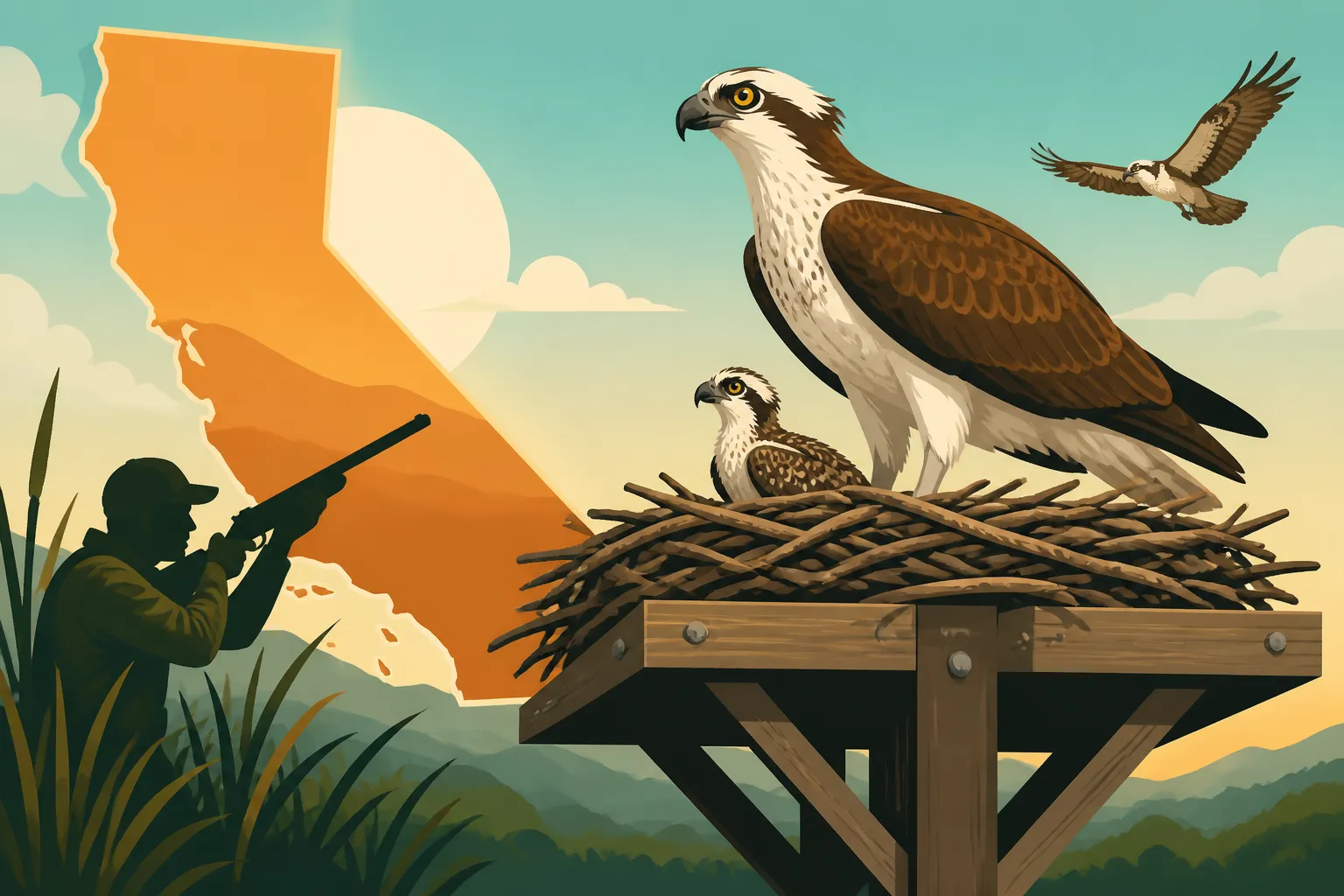
There are a few tried-and-true designs for osprey nesting platforms, each suited to different terrains and conditions. The most common is the pole-mounted platform, where a sturdy, tall utility pole (often repurposed from power lines, but with the necessary safety modifications) is sunk deep into the ground. A cross-arm or a square platform is then attached at the top. This design is excellent for open fields near water, or along lake shores with solid ground. Then there are tripod platforms, which use three or four smaller poles set in a tripod formation for stability, often seen in shallower wetlands where a single pole might not offer enough support or where soil conditions are less stable. Finally, for deeper water bodies or fluctuating water levels, floating platforms can be an option. These involve a sturdy platform mounted on pontoons or other buoyant structures, anchored to the bottom. Each design has its advantages and challenges, and the choice depends heavily on the specific site. For anyone scouting a potential location, a tool like onX Layers for California Land Status might help understand the terrain and accessibility around water bodies.
Safety Considerations for Ospreys and People: Power Lines, Accessibility
When undertaking any platform project, safety must be paramount, both for the birds and for the people involved in installation and maintenance. A major concern is proximity to power lines. Ospreys can be electrocuted if they come into contact with energized wires while perching or flying to and from their nest. Platforms should be installed well away from active power infrastructure, or existing power poles can be retrofitted with appropriate deterrents and platforms by utility companies. Another consideration is accessibility for monitoring and potential maintenance. While you don't want people constantly disturbing the nest, a platform that can be safely inspected from a distance or accessed occasionally (outside of nesting season) for repairs or cleaning is beneficial for long-term success. Think about how ground predators, like raccoons or snakes, might access the nest. Predator guards, such as a metal cone or sheet metal wrap around the pole, are often essential additions to protect eggs and young from predation.
Siting and Installation Best Practices in California
Even the best-designed platform is useless if it's not placed correctly or installed with care. California's diverse landscapes, from the extensive wetlands of the Central Valley to the rugged coastlines and high-country lakes, present unique challenges and opportunities for osprey platform projects. Understanding the local environment and regulatory landscape is critical for successful implementation.
Choosing the Right Location: Near Water, Open Space
The old real estate adage "location, location, location" applies perfectly to osprey platforms. Ospreys are piscivores, meaning they eat fish almost exclusively, so the platform absolutely must be near a reliable source of fish-rich water. This could be a large lake, a major river, an estuary, or a significant wetland area. Proximity to hunting grounds like those described in Hunting the Central Valley Flyway often correlates with good osprey habitat. They also prefer open spaces, giving them an unobstructed flight path to and from the nest and a clear view of potential predators or prey. Dense tree cover, while offering some protection, can make it difficult for these large birds to maneuver. Think about areas with minimal human disturbance, too; while they tolerate some activity, a platform in a quiet cove or a less-trafficked section of a waterway is more likely to be adopted. Consider also the prevailing winds and sunlight; a platform that offers some shade during the hottest parts of the day can benefit chicks.
Permitting and Regulations: Working with Landowners and Agencies
Installing an osprey platform often involves more than just selecting a spot. Depending on whether you're on private or public land, and the specific characteristics of the site (e.g., within a wetland, near a waterway), you'll likely encounter regulations and require permits. If you're considering a project on public land, such as a California Wildlife Areas and Ecological Reserves or a National Forest, you'll need to coordinate closely with the managing agency, be it the California Department of Fish and Wildlife (CDFW), the U.S. Forest Service, or the Bureau of Land Management. They can provide guidance on specific rules, approved materials, and potential environmental impact assessments. For private land, gaining explicit permission from the landowner is, of course, essential. These agencies and landowners are partners in conservation, and early communication can prevent delays and ensure your project aligns with broader wildlife management goals.
Monitoring and Maintenance: Long-Term Success
Once a platform is installed, the work isn't entirely over. Ongoing monitoring and periodic maintenance are key to its long-term success and the safety of the ospreys. Regular observation, especially during nesting season (typically spring and summer in California), can help determine if the platform has been adopted, how many young are being raised, and if any issues arise, such as predator attempts or structural damage. Wildlife agencies or local birding groups often welcome reports of nesting activity. California Wildlife Disease Monitoring Program might be of interest if you're concerned about broader wildlife health. Maintenance tasks might include clearing old nesting material if it becomes too heavy or cluttered (always outside of nesting season!), reinforcing structural elements, or repairing predator guards. These efforts ensure the platform remains a safe, stable, and attractive nesting site for many years to come, contributing significantly to local osprey populations.
How Hunters and Outdoor Enthusiasts Can Contribute
While ospreys aren't game animals, their well-being is intrinsically linked to the health of the ecosystems that hunters and other outdoor enthusiasts cherish. Many of the same principles that apply to scouting game, understanding habitat, and practicing ethical outdoor behavior can be extended to supporting species like the osprey. We are all stewards of the land, and our collective efforts make a difference.
Observing and Reporting Nesting Activity
As hunters, we spend countless hours in the field, often in remote or less-trafficked areas, keenly observing our surroundings. This unique perspective makes us invaluable eyes and ears for wildlife agencies and conservation groups. When you're out Scouting California Public Land Before Season or simply enjoying a day on the water, pay attention to large raptor nests. If you spot an active osprey nest, especially on a man-made platform, consider reporting it to your local Audubon chapter, CDFW, or a specific raptor monitoring program if one exists in your area. Documenting nesting success or identifying platforms that aren't being used can provide crucial data for researchers and help direct future conservation efforts. Understanding nesting cycles, like when birds are on eggs or when young fledge, can also help minimize accidental disturbance when you're in an area.
Supporting Conservation Efforts
Conservation isn't just for biologists; it's a shared responsibility. There are many ways hunters and outdoor enthusiasts can directly support osprey conservation, even without building a platform themselves. Purchasing a California Federal Duck Stamp Requirement, for example, contributes funds that directly go to wetland conservation, which benefits ospreys and countless other species. Volunteering with local conservation organizations on habitat restoration projects, participating in trash cleanups around waterways, or even simply being a responsible recreationist who leaves no trace, all contribute to healthier ecosystems. Financial donations to reputable wildlife groups that focus on raptor rehabilitation or habitat protection also make a tangible difference. Every little bit counts towards ensuring a vibrant future for California's wildlife.
Coexisting with Wildlife in Shared Habitats
The reality is that our wild spaces are increasingly shared, not just by different species, but by different user groups. Hunters, hikers, birdwatchers, anglers—we all value the outdoors, and we often find ourselves in the same places, like those vast Public Hunting Land in California. Learning to coexist with species like the osprey means understanding their needs and minimizing our impact. This includes respecting buffer zones around active nests during breeding season, keeping dogs leashed in sensitive areas, and being mindful of noise and disturbance. For instance, when you're hunting in areas near water, like Hunting Coastal Range Oak Woodlands or near a reservoir in a California's Eighteen National Forests, an osprey might be fishing nearby. Acknowledge their presence, appreciate their role in the ecosystem, and adjust your activities to avoid causing them undue stress. By actively promoting respectful coexistence, we reinforce the idea that outdoor pursuits and wildlife conservation are not mutually exclusive, but rather deeply intertwined.
| Osprey Platform Design | Pros | Cons | Ideal Location |
|---|---|---|---|
| Pole-Mounted | Very sturdy, common, good visibility | Requires heavy equipment for installation, fixed height | Open fields near water, lake shores, robust soil |
| Tripod | More stable in soft ground, can be shorter | More complex construction, larger footprint | Shallow wetlands, marshy areas, less stable soil |
| Floating | Adaptable to fluctuating water levels | Requires regular maintenance, anchoring challenges | Deep water bodies, areas with significant water level changes |
Disclaimer
This article is for general informational purposes only and does not constitute professional advice. Laws, prices and regulations vary by location and change over time. Consult a qualified professional for guidance on your specific situation.