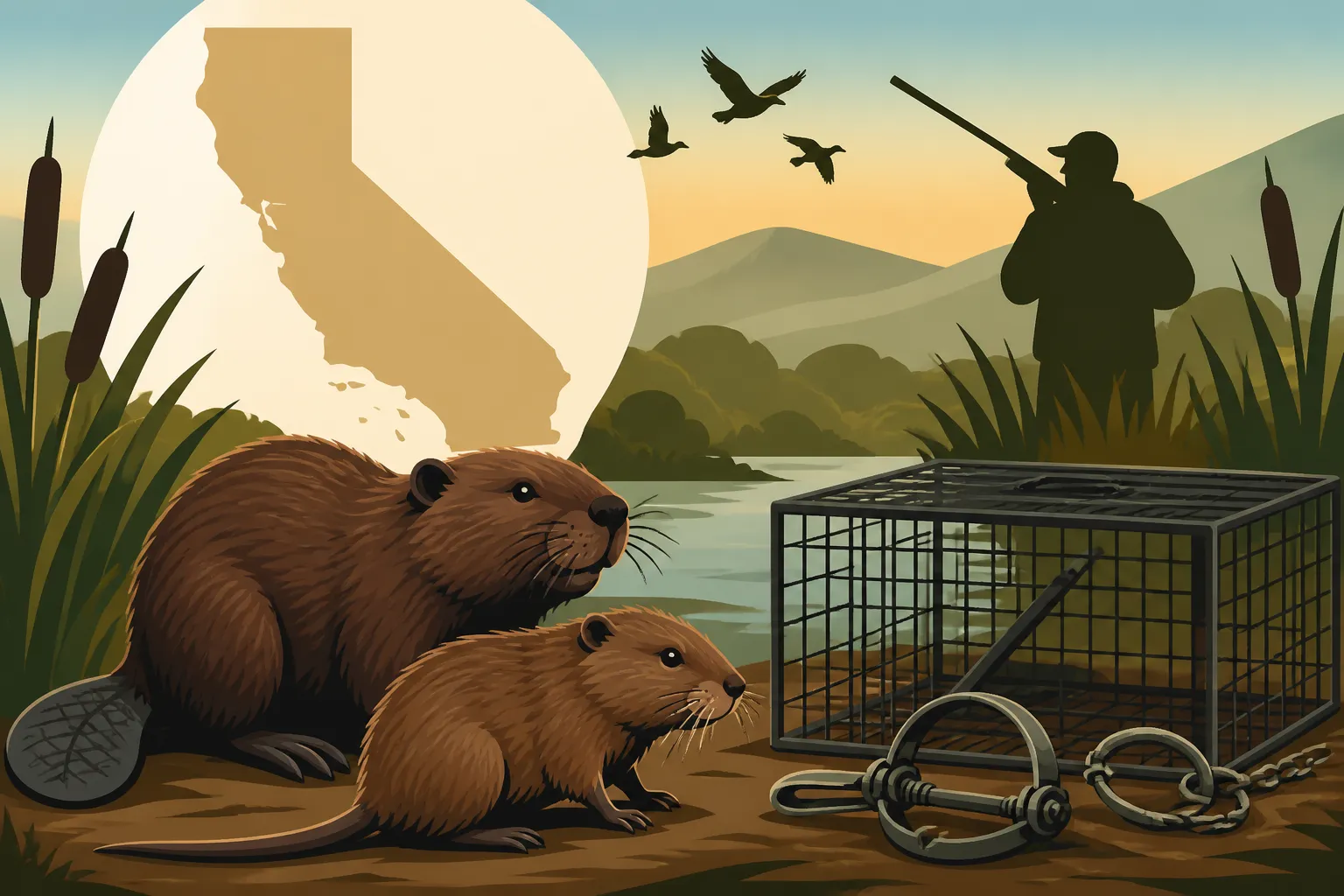
California Muskrat and Beaver Trapping Trends
Trapping muskrats and beavers in California often feels like a whispered secret among outdoor enthusiasts, fraught with misconceptions and ever-evolving regulations. Many aspiring trappers and landowners struggling with nuisance wildlife wonder if it's even a viable or worthwhile endeavor anymore. This guide aims to demystify the complex world of muskrat and beaver trapping in the Golden State, diving deep into the current trends, legal frameworks, and practical considerations for those committed to ethical and responsible wildlife management.
Understanding the Legal Landscape of Trapping in California
California's approach to trapping is, to put it mildly, intricate. Unlike hunting, which often has clear seasons and widely understood tag systems, trapping regulations are influenced by a blend of conservation ethics, public sentiment, and historical precedent. It's not as simple as setting a trap; it requires diligent research and adherence to very specific rules that vary not only by species but sometimes by location and the intent behind the trapping. Navigating this labyrinth can be daunting, but understanding the foundations is crucial before you even think about buying a trap.
Historical Context of Trapping Laws
Trapping in California has a long and storied past, stretching back to the fur trade era that predates statehood. For centuries, beavers, muskrats, and other furbearers were a significant economic resource, driving exploration and settlement. However, as populations grew and conservation became a more prominent concern, particularly in the 20th century, attitudes towards trapping began to shift dramatically. Over time, many species once commonly trapped saw increased protections, and the methods used came under intense scrutiny. Landmark legislation, often driven by public ballot initiatives, has progressively tightened regulations, leading to a much more restricted environment for trappers today. This history of legislative change is why California's trapping rules are some of the most stringent in the nation, reflecting a societal value placed on protecting wildlife, sometimes to the frustration of those dealing with real-world nuisance issues.
Current Regulations for Muskrats and Beavers
Currently, trapping furbearers for commercial purposes is largely prohibited on public lands in California. However, there are provisions for nuisance trapping and, in specific circumstances, recreational trapping on private land. For muskrats and beavers, the regulations revolve heavily around permits, trap types, and reporting requirements. You can't just set any trap you want; certain body-gripping traps, particularly those that could inadvertently catch larger animals, are either heavily restricted or outright banned. Snares have specific setup parameters, and footholds have size and placement restrictions. Furthermore, if you're dealing with a nuisance animal damaging property—like a beaver damming a crucial irrigation ditch or a muskrat undermining a levee—you'll typically need to acquire a depredation permit from the California Department of Fish and Wildlife (CDFW). These permits come with their own set of rules, including species-specific allowances, location restrictions, and strict reporting deadlines. It’s absolutely vital to check the latest CDFW regulations and acquire all necessary permits, including your annual California Trapping License Requirements, before embarking on any trapping activity. Ignorance of the law is not an excuse, and penalties for violations can be severe.
The Impact of Public Perception and Conservation
Public perception plays an enormous role in shaping trapping policy in California. There's a strong sentiment, often vocalized by animal welfare organizations, that views trapping as inhumane, regardless of its necessity for wildlife management or property protection. This sentiment has led to many of the restrictive laws we see today, making it challenging for even responsible trappers to operate. From a conservation standpoint, the focus is on maintaining healthy furbearer populations and preventing accidental harm to non-target species, especially threatened or endangered ones. While muskrats and beavers are generally robust in California, the broader conservation ethic influences all trapping regulations. This means that trappers must not only comply with the letter of the law but also operate with the utmost ethical consideration, employing humane methods and ensuring selective targeting to avoid any unintended consequences. It's a landscape where demonstrating responsible stewardship is key to the continued, albeit limited, practice of trapping.
Muskrat Trapping Trends in the Golden State
Muskrats are fascinating, semi-aquatic rodents that, despite their smaller size, can sometimes cause considerable damage to aquatic infrastructure. Their populations tend to be quite resilient, and their trapping trends are less about commercial fur harvesting and more about nuisance control or, for a dedicated few, a challenging recreational pursuit.
Where Muskrats Thrive in California
Muskrats are incredibly adaptable creatures, making themselves at home in a wide variety of aquatic environments throughout California. You'll find them in slow-moving streams, irrigation canals, marshlands, farm ponds, and even urban park lakes. They prefer areas with abundant aquatic vegetation, which they use for food and to build their dome-shaped lodges, though they are just as likely to burrow into banks. The Central Valley, with its extensive network of irrigation canals and wetlands, is a prime muskrat habitat. Coastal regions with estuaries and brackish marshes also support healthy populations. Even in some of the more arid parts of the state, any permanent water source can host a muskrat colony. This widespread distribution means that nuisance issues can arise almost anywhere there's water and human infrastructure, leading to a consistent need for control in specific localized areas, especially for agricultural operations trying to maintain ditches and levees.
Gear and Methods for Muskrats
Trapping muskrats, particularly for nuisance control, typically involves smaller traps designed for their size and aquatic habits. Conibear traps, specifically the 110 size, are a common choice for quick, humane dispatch when set in their runs or at den entrances. Foothold traps, usually in a size 1.5, can also be effective when set underwater or along bank edges, provided they are checked frequently. Live cage traps are another option, particularly if release or relocation (where legal and feasible) is desired, though muskrats can be surprisingly adept at escaping poorly designed cages. The key to successful muskrat trapping is understanding their behavior: finding their travel routes, feeding platforms, and den entrances. Many trappers will look for muddy slides into the water or small trails through emergent vegetation. Sets are almost always placed in or directly next to water to target these semi-aquatic animals efficiently and to reduce the chance of catching non-target species. Bait, such as carrots, apples, or specially formulated muskrat lures, can also be used effectively to draw them to a set.
Economic and Recreational Aspects of Muskrat Trapping
In California, the economic incentive for muskrat trapping is minimal, if not non-existent, for commercial fur harvest given the regulatory environment and fluctuating fur prices. The primary "economic" aspect now comes from nuisance abatement—preventing muskrats from undermining levees, damaging pond liners, or creating breaches in irrigation systems, which can lead to costly repairs for landowners and farmers. For a dedicated few, however, muskrat trapping remains a recreational pursuit. It offers a chance to engage with nature, hone tracking skills, and contribute to local wildlife management by addressing specific problems. It’s a pursuit that requires patience, a keen eye for sign, and a deep understanding of animal behavior. While it's certainly not a common pastime for most, for those who embrace it, it's a way to connect with the landscape and practice a traditional skill.
Beaver Trapping Trends: A Complex Picture
Beavers, North America's largest rodent, are incredible ecosystem engineers. They can create wetlands that benefit countless other species, but their dam-building and tree-felling habits often put them in direct conflict with human interests, leading to a persistent need for management.
Beaver Distribution and Ecological Role
Beavers are widely distributed across California wherever suitable water and woody vegetation exist. They are particularly common in the Sierra Nevada foothills, the Central Valley's river systems, and even parts of the coastal ranges. They thrive along rivers, streams, and larger lakes, especially where cottonwoods, willows, and other deciduous trees provide building materials and food. Ecologically, beavers are often considered a keystone species. Their dams slow water flow, reduce erosion, raise water tables, and create vital wetland habitats that support amphibians, fish, birds, and other mammals. These altered landscapes can be incredibly beneficial for biodiversity and water retention, which is especially important in a state like California that often grapples with drought. However, these same activities can flood agricultural fields, undermine roads, block culverts, and fell valuable timber, leading to significant property damage and safety concerns for landowners and infrastructure managers. It's this dual nature—ecological benefit versus human conflict—that makes beaver management such a complex and often contentious issue.
Specialized Gear and Techniques for Beavers
Trapping beavers, due to their size, strength, and intelligence, requires more robust and specialized gear than muskrats. Conibear traps, particularly the 220 and 330 sizes, are commonly employed for beaver dispatch when set in runs, dam breaches, or at lodge entrances. Larger foothold traps (size 330 or 4) are also used, often set underwater with a drowning mechanism to ensure a quick and humane capture. Snares, when used legally and correctly, can be highly effective for trail sets or in water approaches to dams and lodges. Live cage traps, if large enough, can also be an option for relocation efforts, though moving beavers requires specific permits and knowledge of suitable release sites. Understanding beaver behavior is paramount. Trappers often focus on "run sets" in channels where beavers frequently travel, or "break sets" in freshly breached dams. Scent lures, made from castor glands, or natural attractants like fresh aspen or willow branches, are often used to entice beavers to a set. Given the potential for conflict and the animal's size, beaver trapping demands careful planning, precise trap placement, and regular checks to ensure humane outcomes and compliance with regulations.
Addressing Conflicts Through Trapping
For many California landowners, beaver trapping isn't a recreational activity; it's a necessary step to mitigate serious property damage. When beavers dam a creek, they can flood fields, compromise foundations, wash out roads, and destroy valuable timber or fruit trees. In these situations, obtaining a depredation permit from the CDFW becomes crucial. This permit allows for the removal of nuisance animals outside of standard trapping seasons, specifically to prevent further damage. The goal here isn't fur or sport, but rather problem-solving. Trappers working under these permits often focus on targeted removal of specific problem beavers or entire colonies that are causing significant issues. This type of trapping requires not only technical skill but also a strong understanding of local environmental conditions and the specific needs of the landowner. It's a critical, though often unseen, aspect of wildlife management that helps maintain a delicate balance between thriving wildlife populations and human livelihoods in California.
Navigating Challenges and Planning Your Trapline
Trapping in California, whether for muskrats or beavers, is not a casual endeavor. It requires meticulous planning, a deep understanding of regulations, and a commitment to ethical practices. Challenges abound, from finding suitable access to dealing with public scrutiny, but modern tools and persistent dedication can make a difference.
The Role of Technology in Modern Trapping
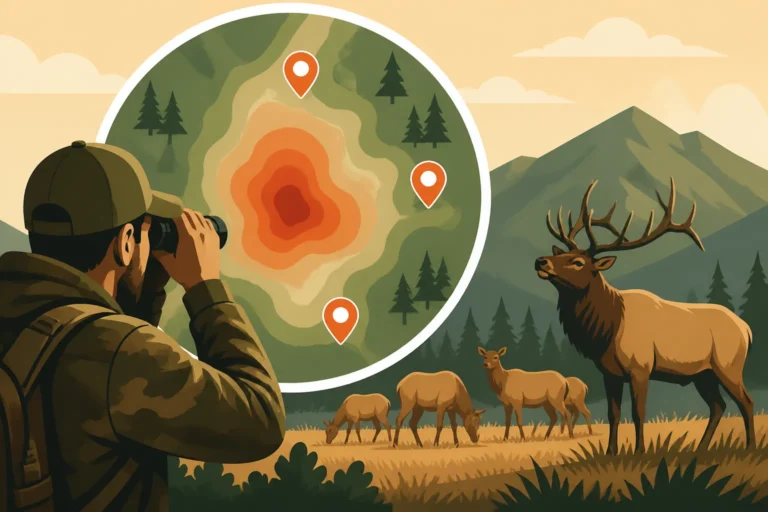
Modern technology has transformed how trappers scout, plan, and execute their lines, even in a state with strict regulations like California. Gone are the days of relying solely on paper maps and word-of-mouth. Today, mapping applications, such as those often integrated with GoHunt's robust features, allow trappers to identify waterways, wetlands, and potential public land access points with unprecedented precision. You can use satellite imagery to spot beaver dams, muskrat runs, and areas of dense aquatic vegetation that indicate prime habitat. These digital tools can also help identify property boundaries, which is crucial for staying legal and ensuring you're only trapping where you have permission. Furthermore, weather apps provide vital information for planning trap checks and understanding how water levels might affect your sets. While trapping itself remains a very hands-on, traditional skill, the planning and scouting phase has been significantly enhanced by technology, allowing trappers to be more efficient, safer, and more compliant with the complex regulations.
Ethical Considerations and Best Practices
Ethical trapping is paramount, especially in California's sensitive regulatory climate. This means prioritizing humane methods, minimizing stress to animals, and avoiding non-target captures. For any traps that do not result in immediate dispatch, frequent checks are absolutely essential—often daily, sometimes twice daily, depending on the trap type and conditions. This minimizes an animal's time in a trap, reducing stress and exposure to elements or predators. Using species-specific sets and proper lure placement also helps in selectively targeting the desired animal while avoiding others. When a non-target animal is caught, it must be released unharmed immediately. Furthermore, respectful interaction with other outdoor users is crucial. Traplines should be discreetly managed, and any interactions with hikers or curious onlookers should be handled professionally, educating them about the purpose of your activities if appropriate. Adhering to these best practices not only ensures humane treatment of wildlife but also helps to maintain the fragile social license that allows trapping to continue in any form.
The Future of Trapping in California
The future of muskrat and beaver trapping in California is likely to remain focused on nuisance control and highly regulated private land activities. Given the ongoing public sentiment and legislative trends, it's improbable that commercial fur trapping will see a resurgence on any significant scale. However, the critical need to manage wildlife conflicts will persist. Beavers will continue to dam waterways, and muskrats will continue to burrow into infrastructure. This means that skilled, ethical trappers will remain a vital, albeit specialized, resource for landowners and water managers. Education and collaboration will be key. Organizations that promote responsible trapping and nuisance wildlife control, alongside the CDFW, will play a crucial role in ensuring that knowledge is passed down and that effective, humane solutions for wildlife conflicts are available. For those interested in this unique aspect of wildlife management, staying informed about California Wildlife Violation Penalties and California Trapping License Requirements and adhering to strict ethical guidelines will be paramount to participating responsibly in this niche but important field.
Muskrat vs. Beaver Trapping Overview
Here's a quick comparison of muskrat and beaver trapping in California:
| Feature/Aspect | Muskrat Trapping | Beaver Trapping |
|---|---|---|
| Primary Purpose | Nuisance control (burrowing), minor recreational | Nuisance control (damming, felling trees), property protection |
| Habitat | Marshes, slow streams, ponds, irrigation canals, ditches | Rivers, larger streams, lakes, irrigation canals with woody vegetation |
| Typical Traps | Conibear (110), foothold (1.5), cage traps | Conibear (220, 330), foothold (330/4), snares, large cage traps |
| Legal Framework | Subject to general furbearer rules; depredation permits for nuisance | Stricter; depredation permits more common for significant damage |
| Challenges | Smaller target, avoiding non-targets, frequent checks | Stronger, intelligent animals, public scrutiny, complex habitat modification |
| Scouting Aids | Mud slides, small runs, feeding platforms, burrows | Dams, lodges, cuttings, chewed trees, well-worn runs |
| Economic Value | Negligible for fur; value in damage prevention for landowners | Negligible for fur; significant value in damage prevention for landowners |
For further reading on related topics, you might find these articles helpful: California Wildlife Areas and Ecological Reserves, Public Hunting Land in California, Scouting California Public Land Before Season, Reading Aerial Photos for Sierra Deer, Hunting a California BLM Desert Wash for Deer, and California's Eighteen National Forests.
Disclaimer
This article is for general informational purposes only and does not constitute professional advice. Laws, prices and regulations vary by location and change over time. Consult a qualified professional for guidance on your specific situation.