California Trapping License Requirements
Many folks get excited about the idea of trapping in California, perhaps drawn to the traditional skills or needing to address nuisance wildlife. But let's be honest, the Golden State's regulations can feel like a tangled snare in themselves, leaving aspiring trappers utterly confused about what's legal and what's not. This comprehensive guide is here to untangle those complexities, walking you through everything you need to know about California's trapping license requirements, permissible methods, and the crucial rules you absolutely must follow to stay on the right side of the law.
The Unique Landscape of California Trapping Regulations
Before you even think about setting a trap, it's vital to understand that California has some of the most stringent trapping laws in the nation. It's not like other states where a simple general trapping license covers most furbearers. Here, public sentiment and legislative action, especially Proposition 4 in 1998, have drastically reshaped what modern trapping looks like. You can't just pick up any trap and start setting it; there are specific rules about what you can trap, where, and with which tools. Getting this wrong isn't just a slap on the wrist; it can lead to significant penalties, so understanding the nuances is step number one.
Understanding California's Prohibitions and Permitted Practices
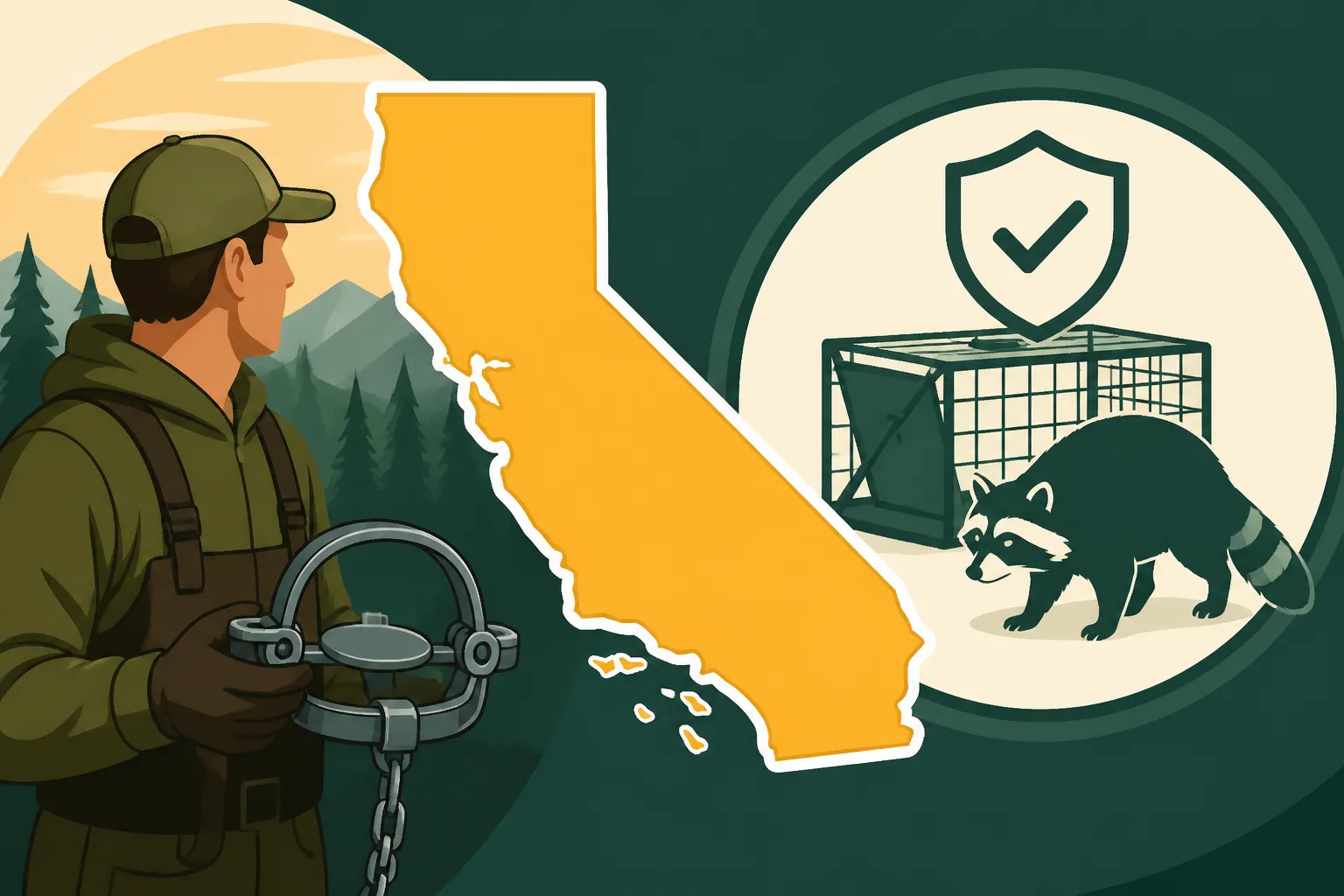
A common misconception is that all trapping is completely banned in California. That's simply not true, but the reality is much more restrictive than many expect. Proposition 4 effectively banned the use of body-gripping traps, including steel-jawed leghold traps and Conibear-style traps, for taking any furbearing or non-game mammal. This was a monumental shift that eliminated many traditional trapping methods that were commonplace for decades.
So, what is still allowed? For licensed trappers, the primary legal methods for furbearers and non-game mammals are restricted almost exclusively to cage traps and box traps. These are designed to capture animals alive and unharmed, allowing for release of non-target species. There are also very specific, limited circumstances where snares might be used, but these are generally restricted to depredation permits issued to landowners or their agents for problem animals, and even then, they come with a host of specific design and deployment requirements to minimize injury. It's not a free-for-all, and understanding these fundamental distinctions is critical to avoiding legal trouble. The goal in California is largely live capture for relocation or humane dispatch, rather than lethal trap sets for commercial fur harvest.
Distinguishing Between Furbearers, Non-Game, and Depredation
California's trapping regulations hinge heavily on the classification of the animal you're targeting.
- Furbearers: These are animals traditionally harvested for their fur. In California, these include beaver, muskrat, mink, river otter, red fox (not native, but present), gray fox, raccoon, badger, striped skunk, and bobcat. Each of these has specific seasons and reporting requirements. For example, trapping a bobcat requires a special tag, and river otter trapping is exceedingly rare, often only through a highly limited draw. If you're planning on Trapping California Furbearers, you'll need to know these distinctions cold.
- Non-Game Mammals: This category includes species like coyotes, opossums, and ground squirrels. While many can be trapped, the methods remain restricted to cage or box traps. There are generally no closed seasons or bag limits for non-game species, but you still need a valid trapping license if you're taking them outside of specific depredation circumstances on your own land. For instance, while you can participate in California Coyote Hunting Season Rules with a rifle, trapping them also falls under these strict guidelines.
- Depredation: This is a crucial exception. If a furbearer or non-game mammal is causing damage to private property (e.g., beavers flooding fields, coyotes preying on livestock, raccoons raiding chicken coops), a landowner or their agent may be able to trap the animal for depredation purposes. This often requires a special permit from the California Department of Fish and Wildlife (CDFW) and can, in some cases, allow for methods (like snares) that are otherwise prohibited. It's important to remember that these permits are species-specific and location-specific, and come with their own set of rules and reporting obligations. You can't just decide an animal is a "depredation issue" without proper authorization.
Where Trapping is Permitted and Restricted
Knowing what you can trap and how is only half the battle; knowing where is just as important. California's vast landscapes of public and private lands come with their own mosaic of rules.
- Public Lands: Generally, trapping on federal lands managed by the U.S. Forest Service or the Bureau of Land Management (BLM) is extremely restricted, and often outright prohibited, especially for recreational purposes. While you might be able to go Hunting California's BLM Desert Land for deer, trapping for furbearers is a different beast entirely. California Wildlife Areas and Ecological Reserves, managed by CDFW, also have strict rules. Many explicitly ban trapping or require special permits obtainable only through a public drawing or specific management programs. You cannot assume that just because it's public land, you can trap there. Always check the specific regulations for the particular wildlife area or forest district you intend to visit. Using mapping tools like those from onX Layers for California Land Status or Using an App for California BLM Land Status can help you identify land ownership, but these tools don't substitute for reading the actual local regulations.
- Private Lands: Trapping on private land is generally permitted with the landowner's express permission, provided you have a valid trapping license and adhere to all state regulations regarding trap types, seasons, and reporting. If you're a landowner trapping on your own land for depredation purposes, the license requirement might be waived, but you still need to follow specific rules and often obtain a depredation permit from CDFW. Always get written permission from the landowner before setting any traps, even if it's just for nuisance animals. Remember, ignorance of the law is no excuse, and violating these rules can lead to serious California Wildlife Violation Penalties.
Demystifying the California Trapping License Application
Unlike getting a general hunting license, which many people are familiar with, securing a California trapping license involves a slightly different pathway. It's not as simple as walking into a sporting goods store and buying one off the shelf. The state wants to ensure that anyone engaging in trapping understands the complex regulations, ethical considerations, and proper techniques.
Who Needs a Trapping License and Why
If you intend to capture furbearing or non-game mammals (like coyotes, raccoons, or beavers) in California, whether for recreation, commercial purposes, or even just for live removal and relocation, you will need a California Trapping License. There's no getting around it unless you are a landowner or their direct agent trapping on your own property for depredation purposes and have secured a valid depredation permit from CDFW. Even then, many landowners choose to get a license to ensure full compliance and knowledge of best practices.
The "why" behind the license is multifaceted. First, it's about wildlife management. CDFW uses the data from trappers' reports to monitor populations and ensure sustainable practices. Second, it's about ethics and humane treatment. The educational requirements aim to equip trappers with the knowledge to identify target species, avoid non-target captures, and, if lethal dispatch is required (as in depredation scenarios), to do so humanely and efficiently. Finally, it's about public safety, ensuring traps are set responsibly and not in areas where they might pose a risk to people or pets.
Step-by-Step Guide to Obtaining Your License
Getting your California Trapping License involves a few key steps that differ from the standard hunting license process:
- Complete a Trapper Education Course (or Hunter Education): This is foundational. You must either possess a valid California Hunter Education Certificate or complete a CDFW-approved trapper education course. These courses cover wildlife identification, trapping ethics, humane handling, California trapping laws, record keeping, and more. For many, simply having a valid hunter education certificate is sufficient, especially if you've already completed California Hunter Education Requirements for deer or other big game. However, specific trapper education courses often delve deeper into the nuances of trapping regulations and species-specific information.
- Apply Through the CDFW Automated License Data System (ALDS): Once your education requirement is met, you'll apply for your trapping license directly through the CDFW's ALDS system. This is the same portal where you'd buy your California Hunting Licenses and What They Cost or apply for big game draws. You can usually do this online, over the phone, or in person at a CDFW license agent.
- Provide Required Information: You'll need your personal information, proof of residency, and your hunter or trapper education certificate number.
- Pay the Fee: The license fee can vary between resident and non-resident applicants. As of recent updates, a resident trapping license is typically around $100-$120 annually, while a non-resident license can be significantly more. These fees go towards wildlife management and enforcement.
- Receive Your License: Once processed and approved, you'll receive your physical trapping license. You must carry this license with you whenever you are engaged in trapping activities.
It's critical to note that this is an annual license. You don't just get it once and you're set for life.
Annual Reporting and Renewal Requirements
This is where many new trappers, or even experienced ones from other states, can stumble. California has strict annual reporting requirements that are mandatory for all licensed trappers. You can't just let your license lapse without reporting your activity.
- The Annual Trapper's Report: Even if you didn't trap a single animal, or if your traps were empty all season, you must submit an annual report to CDFW by a specific deadline (usually around July 1st for the preceding license year). This report details your trapping efforts, species trapped, number of animals taken, location of harvest, and disposition of the animals.
- Consequences of Non-Reporting: Failure to submit this report on time will prevent you from renewing your trapping license for the following year. CDFW takes this very seriously, as this data is crucial for their wildlife management efforts and understanding population trends. You might find yourself locked out of future trapping opportunities if you don't adhere to this.
- Renewal Process: Once your annual report is in good standing, you can proceed with renewing your license for the next year through the ALDS system, paying the applicable fee.
This ongoing commitment to reporting is a cornerstone of responsible trapping in California, ensuring that the privilege of trapping is tied to robust data collection and accountability. Many online resources, including potentially information found on the GoHunt platform, can help you keep track of these crucial deadlines and requirements.
Adhering to Species-Specific Trapping Seasons and Methods
With your license in hand, the real challenge begins: navigating the specific rules for each species and the precise legalities of your equipment. California's approach is highly detailed, ensuring that trapping aligns with conservation goals and humane standards. This isn't like hunting California's Zone A general deer season where the weapon choice and season dates are relatively straightforward. Trapping demands meticulous attention to detail.
Furbearer Seasons and Bag Limits
While many non-game mammals (like coyotes and opossums) generally have year-round open seasons with no bag limits for licensed trappers, furbearers are a different story.
- Beaver and Muskrat: These semi-aquatic furbearers often have specific open seasons, typically running from November through March. There are often no state-mandated bag limits, but local restrictions or property-specific permits might apply. You'll often find beaver are targeted for depredation control due to their dam-building activities.
- Mink, River Otter, Weasel: Mink and weasel also typically have open seasons during the cooler months, similar to beaver. River otter, however, are a species of special concern in California, and their trapping is highly restricted. Historically, there have been very limited, if any, general trapping seasons for river otters, and any take would likely be through a specialized drawing or depredation permit with very low odds, similar to applying for a California Tule Elk Tag in the Big Game Drawing.
- Foxes (Gray and Red), Raccoon, Badger, Skunk: These species generally fall under the statewide furbearer season (often November through January or February), though some regions or specific situations might have variations. There are typically no bag limits on these animals for licensed trappers.
- Bobcat: This is a species with very specific rules. To trap a bobcat, you not only need a trapping license but also a special bobcat tag. The season is usually short, and there are often very strict reporting requirements for each tag. California monitors bobcat populations closely, and any changes in regulations are often due to population health or conservation concerns.
Always consult the most current CDFW Furbearer Regulations booklet or their website before setting traps. Seasons and rules can change.
Legal Trap Types and Operational Rules
This is arguably the most critical and often misunderstood aspect of California trapping. As mentioned, Proposition 4 banned body-gripping traps for furbearers and non-game mammals. This leaves trappers with a very narrow range of legal equipment:
- Cage Traps/Box Traps: These are the primary legal tools for furbearers and non-game mammals. They are designed to capture animals alive and unharmed. They come in various sizes for different species.
- Snares: The use of snares is highly restricted. For furbearers and non-game mammals, snares are generally only legal under a depredation permit issued by CDFW to a landowner or their agent. Even then, the snare designs are often regulated (e.g., equipped with break-away devices, cable stops, and minimum cable diameters) to prevent injury and allow non-target releases. Recreational snaring for furbearers is largely prohibited.
- Daily Trap Checks: All traps set for furbearers or non-game mammals must be visited and checked at least once every 24 hours. This is a crucial humane provision, ensuring that animals are not held for extended periods.
- Trap Identification: All traps must be tagged with the trapper's customer identification number (CIN) or name and address. This ensures accountability and allows CDFW wardens to identify the owner of any trap found in the field.
- Setback Requirements: While not always statewide, many local ordinances and even some CDFW rules dictate setbacks for traps – meaning how close you can set a trap to a public road, dwelling, or recreation area. Always check local regulations in addition to state laws. When Running a Trapline in Rural California, knowing these setbacks is paramount.
Prohibited Methods and Common Pitfalls
Beyond the specific trap type bans, California law also prohibits several other trapping methods and practices:
- Poison: The use of poisons to take any mammal is strictly prohibited. This is a serious offense due to the indiscriminate nature of poisons and the risk to non-target wildlife, pets, and even humans.
- Shooting Trapped Animals: Unless operating under a specific depredation permit that allows for lethal dispatch, it is generally illegal to shoot an animal caught in a trap. Live-captured animals must be either released or, if permitted, dispatched humanely by other means.
- Indiscriminate Sets: Trappers are expected to make reasonable efforts to avoid capturing non-target species. Setting traps near known sensitive areas or without proper species identification knowledge can lead to violations.
- Trapping in Closed Areas: As mentioned, many public lands, California Wildlife Areas and Ecological Reserves, and even some private lands have specific restrictions. Trapping in a closed area is a serious offense.
The CDFW website is your best friend here. Always cross-reference your plans with the latest official regulations to ensure you're compliant.
Resources and Responsible Trapping Practices
Successfully and ethically trapping in California requires more than just knowing the rules; it demands responsible planning, continuous learning, and a commitment to conservation. In a state with complex wildlife management challenges, every trapper plays a role.
Utilizing Digital Tools for Planning and Compliance
In the digital age, there's no excuse for being uninformed. Modern trappers have a wealth of resources at their fingertips:
- CDFW Website and App: The California Department of Fish and Wildlife's official website is the ultimate authority for all regulations, season dates, and reporting forms. They also offer a mobile app that can be invaluable for quick look-ups in the field.
- Mapping Applications: Services like GoHunt and onX Maps provide detailed mapping overlays that show land ownership, public land boundaries, wilderness areas, and other critical information. These are essential for identifying legal trapping locations and avoiding trespass. While onX Layers for California Land Status can show you property lines, it's still your responsibility to verify specific trapping rules for that land.
- Online Forums and Communities: Reputable online forums and social media groups dedicated to California trapping (if they exist) can be good places to ask questions and learn from experienced trappers. However, always verify information gleaned from forums with official CDFW sources, as online advice can sometimes be outdated or inaccurate.
Staying current with regulations is a year-round commitment, not just a pre-season checklist item. GoHunt, for example, often aggregates and clarifies regulations, making it easier for users to digest the information relevant to their activities.
The Importance of Ethical Trapping and Conservation
Ethical trapping goes beyond mere legality. It's about respecting the animals, the environment, and the public's perception of trapping.
- Target Species Identification: Learn to identify your target species correctly. This minimizes the capture of non-target animals, especially protected species.
- Humane Handling: For live-capture traps, this means checking traps frequently (every 24 hours in California), handling captured animals calmly and carefully, and releasing non-target animals unharmed. If lethal dispatch is required (under a depredation permit), it must be swift and humane.
- Avoiding Non-Target Catches: Strategic trap placement, proper baiting, and understanding animal behavior can help reduce the chances of catching pets or non-target wildlife. For example, knowing Where California Blacktail Bucks Bed might influence where you don't set a trap if your target is a furbearer.
- Habitat Considerations: Be mindful of the impact of your trapping activities on the local ecosystem. Trapping can be a valuable tool in wildlife management, helping control populations that might otherwise negatively impact habitats or other species. Responsible trappers contribute to, rather than detract from, conservation efforts.
- Reporting Illegal Activity: Just as you might report a poacher, responsible trappers should also be prepared to Reporting a Poacher in California or report any illegal trapping activities they encounter. This protects both wildlife and the reputation of ethical trappers.
Connecting with the Trapping Community and Mentorship
Trapping, particularly within California's unique regulatory framework, is often best learned through mentorship and community engagement.
- Experienced Trappers: Seek out experienced, licensed trappers in California who can mentor you. Hands-on learning about trap placement, animal sign, and ethical practices is invaluable. They can also share insights into specific regional challenges and opportunities.
- State Trapping Organizations: While state-level trapping organizations might be less prevalent or active in California compared to other states due to the restrictions, any existing groups can provide valuable networking, educational opportunities, and advocacy. They often keep members informed about regulatory changes.
- Workshops and Clinics: Attend any CDFW-sponsored or affiliated workshops or clinics on furbearer management or trapping. These are excellent opportunities to stay updated on best practices and regulations.
Being part of a community helps ensure that you're continually learning and adapting, rather than relying on outdated information. It fosters a shared commitment to responsible wildlife stewardship.
Disclaimer
Please be aware that hunting and trapping regulations in California are subject to change. This guide provides general information based on current knowledge but should not be considered legal advice. Always consult the most recent official regulations directly from the California Department of Fish and Wildlife (CDFW) website or their physical publications before engaging in any hunting or trapping activities. It is your responsibility to understand and comply with all applicable laws.