California Wild Pig Diet and Rooting Damage
If you've ever driven through California's beautiful oak woodlands or vast agricultural fields and noticed churned-up earth, almost like a rototiller went through, you've likely seen the signature damage of wild pigs. These intelligent, prolific animals are a major challenge for landowners, farmers, and even native ecosystems. This guide is going to dig deep into exactly what fuels these destructive foragers and the far-reaching impact of their rooting behavior across our diverse California landscapes.
Understanding the Wild Pig's Omnivorous Appetite
California's wild pigs, often a mix of European wild boar and domestic swine descendants, are survivalists. Their success across nearly every habitat type in the state is largely due to their incredibly diverse diet. These aren't picky eaters; they'll consume almost anything that provides calories, which makes them incredibly adaptable and difficult to manage. It's this omnivorous nature that truly sets them apart as a challenging species.
The Foraging Behavior of California Wild Pigs
Wild pigs are primarily active foragers, constantly on the move, especially during cooler parts of the day or night. Their powerful snouts are incredibly sensitive, designed for digging and probing the earth in search of food. They can sense food sources meters away and will systematically work an area, turning over soil, rocks, and vegetation. This constant quest for sustenance is what drives much of their most visible and destructive behavior, particularly the extensive rooting we see in fields and forests.
Their foraging isn't random; it's often dictated by the availability and seasonality of food sources. They learn quickly where to find the richest pickings, whether it's a freshly planted field, a stand of producing oak trees, or a moist creek bed rich with tubers and invertebrates. This learned behavior makes them incredibly efficient at exploiting resources, often returning to productive areas repeatedly until they've been completely stripped bare. Hunters often refer to "pig sign" as these overturned areas, indicating recent activity.
Moreover, their social structure, often in family groups called sounders, enhances their foraging efficiency. While one pig might root up an area, others quickly join in, magnifying the disturbance. This collective effort can quickly transform a pristine pasture or woodland floor into a barren, cratered landscape within a single night. This aggressive group foraging further illustrates why their presence quickly leads to significant ecological and agricultural impacts.
Primary Food Sources in California's Diverse Habitats
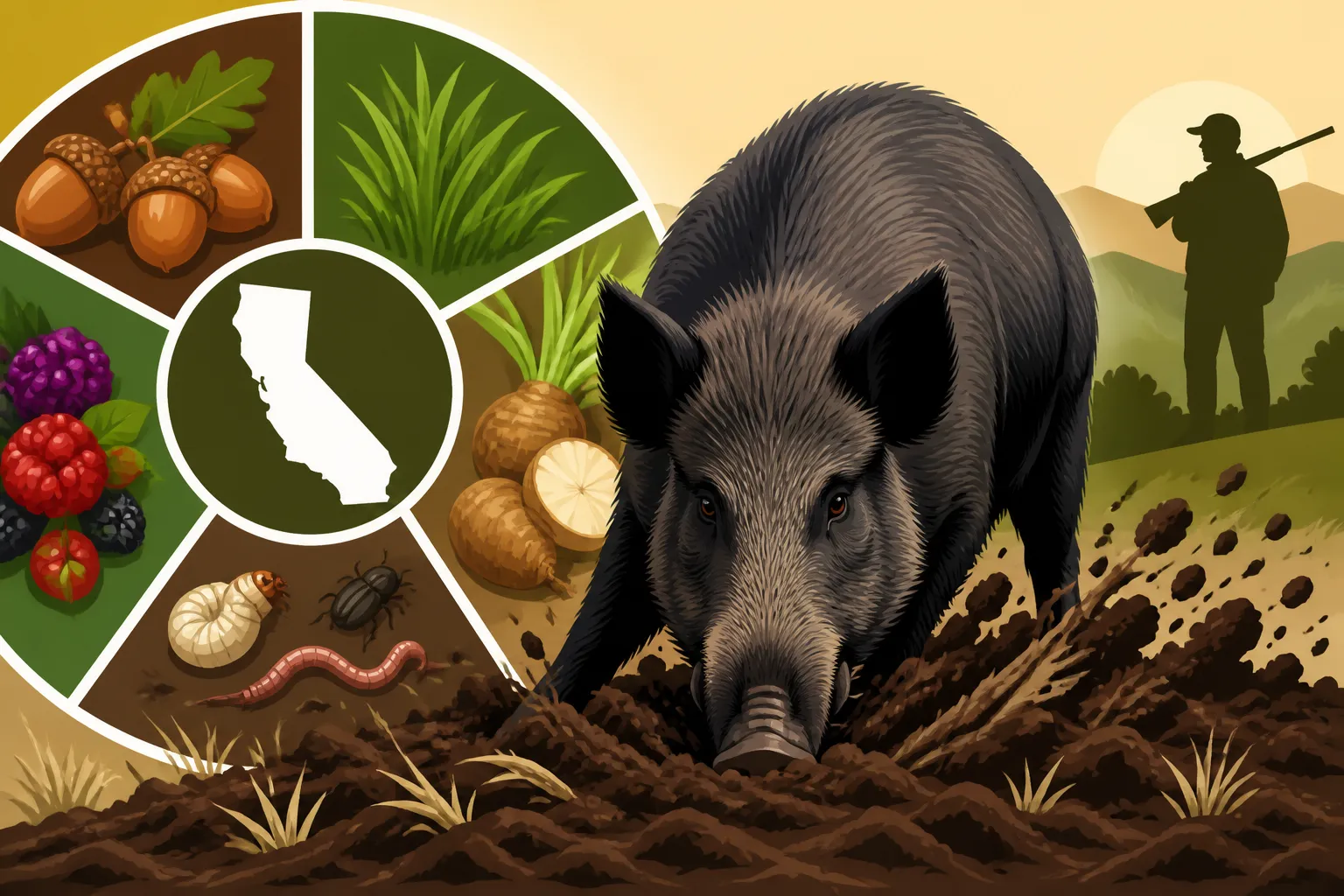
California's varied landscape offers a smorgasbord for wild pigs. In oak woodlands, acorns are a prime dietary component, particularly in the fall and winter. Pigs will gorge themselves on acorns, which are a highly nutritious and calorically dense food source, essential for building fat reserves. This intense focus on acorns means they compete directly with native wildlife like deer, turkeys, and squirrels, often out-competing them due to their sheer numbers and efficient foraging.
Beyond acorns, pigs thrive on subterranean foods. They dig extensively for roots, tubers, bulbs, and fungi. This includes native plants that are crucial to the ecosystem, as well as cultivated crops like potatoes or peanuts. Grubs, worms, and other invertebrates found in the soil are also a significant part of their diet, providing essential protein. You'll often see distinct rooting patterns, with pigs tearing up vast swaths of land to get at these buried treasures.
Agricultural areas provide an irresistible buffet. Row crops like corn, alfalfa, or even delicate vegetable plantings are easily devastated. Vineyards, a major industry in many parts of California, are particularly vulnerable, with pigs not only eating grapes but also rooting around the vines, damaging irrigation lines and exposing roots. For ranchers, lush pastures are dug up, making the land less productive for grazing livestock, leading to direct financial losses.
Seasonal Dietary Shifts and Their Impact
The diet of a wild pig isn't static; it shifts dramatically with the seasons, directly impacting their behavior and the type of damage they inflict. In the spring, after winter rains have subsided, new green growth provides succulent grasses, tender shoots, and newly emerging wildflowers. Pigs will consume these, but more importantly, they'll target the carbohydrate-rich root systems of these plants, leading to widespread shallow rooting in pastures and meadows. This is also a time when many native ground-nesting birds are laying eggs, making them vulnerable.
Summer brings drier conditions, but pigs adapt by focusing on areas near water sources, seeking out moist earth for tubers and invertebrates. They'll also exploit early ripening fruits, berries, and agricultural crops as they mature. This period often sees them concentrated around irrigated fields or creek bottoms, where they can continue to find ample food and relief from the heat. This is a critical time for monitoring agricultural damage, as crops are often nearing harvest.
Autumn is synonymous with acorns in California's oak country, and pigs will switch their primary focus to this abundant mast crop. This is when you'll see the most intense rooting in oak woodlands, as they voraciously consume fallen nuts. This intense feeding prepares them for the leaner winter months. Hunters targeting pigs often focus on these acorn-rich areas, as pigs will congregate there. Hunting Pigs on Central Coast Oak Ranges is a great resource for understanding this.
Winter, while potentially leaner, still offers opportunities. If acorn crops were good, pigs might still be finding them. They also continue to root for persistent tubers and roots, and will exploit any available agricultural waste or winter-planted crops. In colder regions, they may rely more heavily on carrion if available. Understanding these shifts is crucial for anyone trying to manage pig populations or minimize their impact.
The Destructive Force: Rooting and Its Consequences
Rooting is arguably the most visually striking and economically impactful behavior of California's wild pigs. It's not just a casual disturbance; it's a complete upheaval of the landscape, with cascading effects on soil, water, plants, and even infrastructure. The sheer power of their snouts combined with their persistence means that even a small sounder can leave a path of destruction that can take years, if not decades, to recover from.
How Rooting Impacts Natural Ecosystems
When wild pigs root, they churn up the soil profile, often turning over several inches of topsoil. This disturbance can significantly alter soil composition, aeration, and moisture retention. While some minor disturbance can be natural, the widespread and intense rooting by pigs compacts certain areas while loosening others, leading to increased erosion, especially on slopes or near waterways. This can reduce the soil's ability to support native vegetation.
Perhaps the most significant ecological impact is the destruction of native plant communities. Pigs consume and uproot native grasses, wildflowers, and the seeds of larger plants, preventing regeneration. They often target areas rich in native bulbs and tubers, wiping out entire populations of unique California flora. This creates opportunities for invasive, non-native weeds to take hold, further degrading the habitat and reducing biodiversity.
The impact extends to water quality. When pigs root along stream banks, pond edges, or near springs, they introduce sediment and nutrients into the water. This increased turbidity can harm aquatic life, disrupt natural water flow, and contribute to algal blooms. Furthermore, their waste can contaminate water sources, making them unsafe for other wildlife and potentially for human consumption if the water is used downstream. This disruption of delicate riparian zones is a serious concern for conservation efforts.
Agricultural Damage and Economic Strain
For farmers and ranchers, rooting damage translates directly into significant financial losses. In row crops like corn, wheat, or alfalfa, pigs can consume entire sections of fields, trampling what they don't eat. This means reduced yields, spoiled crops, and the costly expense of replanting. Imagine investing thousands in planting a field only to have a sounder of pigs destroy a quarter of it overnight. The frustration is immense and very real.
Vineyards are particularly vulnerable, not just because pigs love to eat grapes, but because their rooting around the base of the vines can sever roots, damage irrigation lines, and compromise the structural integrity of the plant itself. This damage can reduce future yields and even kill established vines, a devastating long-term loss for growers. The cost of installing and maintaining pig-proof fencing around vineyards can be astronomical, cutting into already tight margins.
Pasture lands, essential for grazing livestock, also suffer heavily. Pigs will root up vast expanses of grass, turning productive forage into barren, uneven ground. This not only reduces the amount of feed available for cattle and sheep but also creates uneven terrain that can lead to injuries for livestock and expensive repairs for farm equipment. The continuous damage means ranchers might have to reduce herd sizes or buy supplemental feed, driving up operational costs. Platforms like GoHunt can help landowners visualize and map areas of consistent damage, which can inform management strategies.
Erosion and Infrastructure Threats
The extensive soil disturbance caused by rooting pigs significantly increases the risk of erosion. On hillsides or sloped terrain, loosened soil is much more susceptible to being washed away by rain, leading to gullies and further landscape degradation. This can impact water retention in the soil and contribute to runoff problems, especially in fire-scarred areas where vegetation cover is already compromised. The ecological ripple effect is profound, as topsoil loss depletes the land's fertility.
Wild pigs also pose a direct threat to rural infrastructure. Their rooting around fence posts can weaken them, leading to downed fences that allow livestock to escape or other wildlife to enter sensitive areas. They can also damage irrigation systems, including buried pipes and drip lines, requiring expensive repairs and interrupting water supply to crops. Water troughs and small earthen dams can also be undermined or damaged by persistent rooting.
Beyond farm infrastructure, pigs can damage roads and trails, particularly unpaved ones. Their digging creates ruts and holes, making pathways hazardous for vehicles, horses, or hikers. This can be a major issue in national forests or BLM lands, where maintaining access for recreation and fire management is crucial. The cost and effort required to repair these damages add a significant burden to land managers and private property owners alike.
Beyond Rooting: Other Forms of Damage
While rooting is the most obvious sign of wild pig presence, their impact extends far beyond just turning up soil. These animals are powerful, intelligent, and highly adaptable, meaning they can influence ecosystems and human interests in a multitude of other, often less visible, ways. Understanding the full scope of their destructive potential is key to appreciating the complexity of managing their populations.
Predation on Native Wildlife and Livestock
Wild pigs are opportunistic omnivores, and this extends to predation. They are known to raid the nests of ground-nesting birds, consuming eggs and chicks of species like quail, pheasants, and wild turkeys. This can have a significant negative impact on local bird populations, especially in areas where pigs are abundant. California Valley Quail Population Trends are certainly affected by this kind of predation, among other factors.
Beyond birds, pigs will prey on fawns of deer and even young livestock such as lambs and goat kids. While not their primary food source, a hungry sow with piglets will not pass up an easy meal, especially if a vulnerable newborn is encountered. This direct predation adds another layer of stress to native wildlife populations and can cause substantial losses for ranchers, particularly during calving or lambing seasons when young animals are most vulnerable.
This predatory behavior contributes to the overall ecological imbalance. By reducing the survival rates of native species, pigs further alter the competitive dynamics within an ecosystem, potentially favoring species that are less impacted by pig predation or are themselves invasive. It's a subtle but powerful force that shifts the balance of nature in their favor.
Disease Transmission Risks
Wild pigs are known carriers of numerous diseases that can affect livestock, wildlife, and even humans. While California has specific concerns about Chronic Wasting Disease (CWD) in deer and elk, pigs don't contract CWD. However, they can carry other serious pathogens. For example, brucellosis and pseudorabies are diseases common in wild pig populations that can be transmitted to domestic livestock. This poses a constant biosecurity threat to farmers, leading to costly testing, quarantines, and potential culling of affected herds.
Beyond livestock, wild pigs can also carry diseases that impact native wildlife, though the specific transmission pathways and impacts are still being studied. Their habit of wallowing in mud and congregating in dense groups can facilitate the spread of parasites and pathogens within their own populations, which then creates a reservoir for transmission to other species. This disease risk makes it even more important to manage their numbers.
The potential for zoonotic diseases—those transmissible to humans—is also a concern. While direct transmission is less common, handling wild pigs or consuming improperly prepared meat carries risks. This underscores the importance of proper game handling and cooking practices for hunters, and why reporting pig harvests is important for disease monitoring efforts. Reporting Wild Pig Harvests Through ALDS helps in this regard.
Competition with Native Species
The sheer numbers and aggressive foraging habits of wild pigs mean they are direct competitors with many native species for vital food resources. As mentioned, their consumption of acorns reduces the availability for deer, bears, turkeys, and squirrels. In habitats with limited resources, this competition can significantly impact the health and reproductive success of native populations.
Beyond food, pigs also compete for habitat. Their extensive rooting can degrade the quality of forage for grazing animals and destroy ground cover essential for nesting birds or small mammals. By altering the physical landscape, they effectively make it less hospitable for species that evolved with California's native flora and fauna, not with the destructive force of a wild pig.
The cumulative effect of this competition is a reduction in biodiversity and a shift in ecosystem composition. As native species struggle to find adequate food and suitable habitat, their numbers can decline, allowing pigs to further dominate. This creates a difficult cycle for conservationists and land managers trying to restore or maintain healthy native ecosystems.
Managing Wild Pig Impacts: Hunter and Landowner Strategies
Dealing with wild pigs is a complex, ongoing challenge in California. Their reproductive rates are high, their adaptability is unmatched, and their impacts are widespread. Because they are classified as a game animal, but also recognized as a nuisance, a multi-faceted approach involving both regulated hunting and proactive landowner strategies is essential to mitigate their damage.
Utilizing Hunting as a Management Tool
Hunting is one of the most effective and accessible tools for controlling wild pig populations in California. Unlike deer or elk, pigs have no closed season and no bag limit on private land, reflecting their status as a non-native, destructive species. This allows for continuous hunting pressure throughout the year, which is crucial given their rapid reproduction rates. Wild Pig Hunting California Year-Round highlights this unique aspect.
Hunters, therefore, play a vital role in population management. By removing individuals, particularly breeding sows, hunters can help reduce local densities and slow population growth. This is especially true on private lands where access can be more controlled and consistent hunting pressure can be applied. The motivation to hunt pigs is often driven by the delicious wild game meat they provide, but the conservation benefit is just as significant.
Public land hunting also contributes, though often to a lesser degree due to higher pressure and more challenging access. Hunters looking for public opportunities can use tools like GoHunt to scout areas, identify potential water sources or dense cover where pigs might be found, and understand land ownership to avoid trespassing. Success on public land often requires persistence and scouting for fresh rooting sign.
Fencing and Exclusion Methods
For landowners facing severe agricultural damage, physical barriers are often the most reliable way to protect specific fields or vineyards. High-tensile, woven wire fences, or even electric fences, can be highly effective. The key is to bury the bottom of the fence a few inches into the ground or create an apron to prevent pigs from rooting underneath and lifting the fence.
However, installing and maintaining pig-proof fencing is a significant investment. The materials alone can be costly, especially for large properties, and the labor involved in proper installation is substantial. Furthermore, pigs are incredibly intelligent and persistent; they will test fences and exploit any weaknesses, meaning regular inspection and repair are necessary.
Despite the cost and effort, for high-value crops like wine grapes or specialty vegetables, fencing can be an indispensable tool to prevent catastrophic losses. It's a proactive measure that, once installed correctly, can provide a reliable long-term solution, allowing farmers to cultivate their land without the constant threat of overnight destruction.
Habitat Modification and Trapping Efforts
Beyond hunting and fencing, landowners can employ strategies to make their properties less attractive to pigs. This might involve removing dense brush or thickets that provide cover, especially near agricultural fields, thereby exposing pigs to more predation risk and making them feel less secure. Modifying water sources or creating less accessible food plots can also subtly influence pig movement patterns.
Trapping is another highly effective method, especially for removing entire sounders. Large corral traps or box traps, baited with corn or other attractants, can be incredibly efficient at reducing localized pig numbers. Trapping requires careful placement, consistent baiting, and patience, as pigs can be wary. Once a sounder is caught, they can be humanely dispatched, offering a significant reduction in immediate impact. Trapping a Sounder on Private Land provides more details on this.
Integrating these methods – hunting, fencing, and trapping – often yields the best results. A comprehensive pig management plan on a private ranch might involve year-round hunting by residents and guests, strategic fencing around vulnerable areas, and targeted trapping efforts in problem spots. For anyone trying to protect their land and livelihood in California, a multi-pronged strategy is generally the most successful path forward against these incredibly resilient animals.
| Food Source Category | Examples in California | Typical Impact of Foraging |
|---|---|---|
| Vegetation | Acorns, grasses, tubers, roots, bulbs, shoots, fungi | Extensive rooting in woodlands and pastures; direct consumption of native plants. |
| Agricultural Crops | Corn, alfalfa, potatoes, peanuts, grapes, vegetables | Trampling, consumption of crops; damage to irrigation, vines, and pasture. |
| Invertebrates | Grubs, worms, insects, snails | Shallow to deep rooting in moist soils, often near water sources. |
| Small Vertebrates | Rodents, snakes, lizards, bird eggs/chicks, fawns | Predation, especially on ground-nesting birds and vulnerable newborns. |
| Carrion | Dead animals (opportunistic) | Minimal direct damage to land, but can spread disease. |
Disclaimer
This article is for general informational purposes only and does not constitute professional advice. Laws, prices and regulations vary by location and change over time. Consult a qualified professional for guidance on your specific situation.