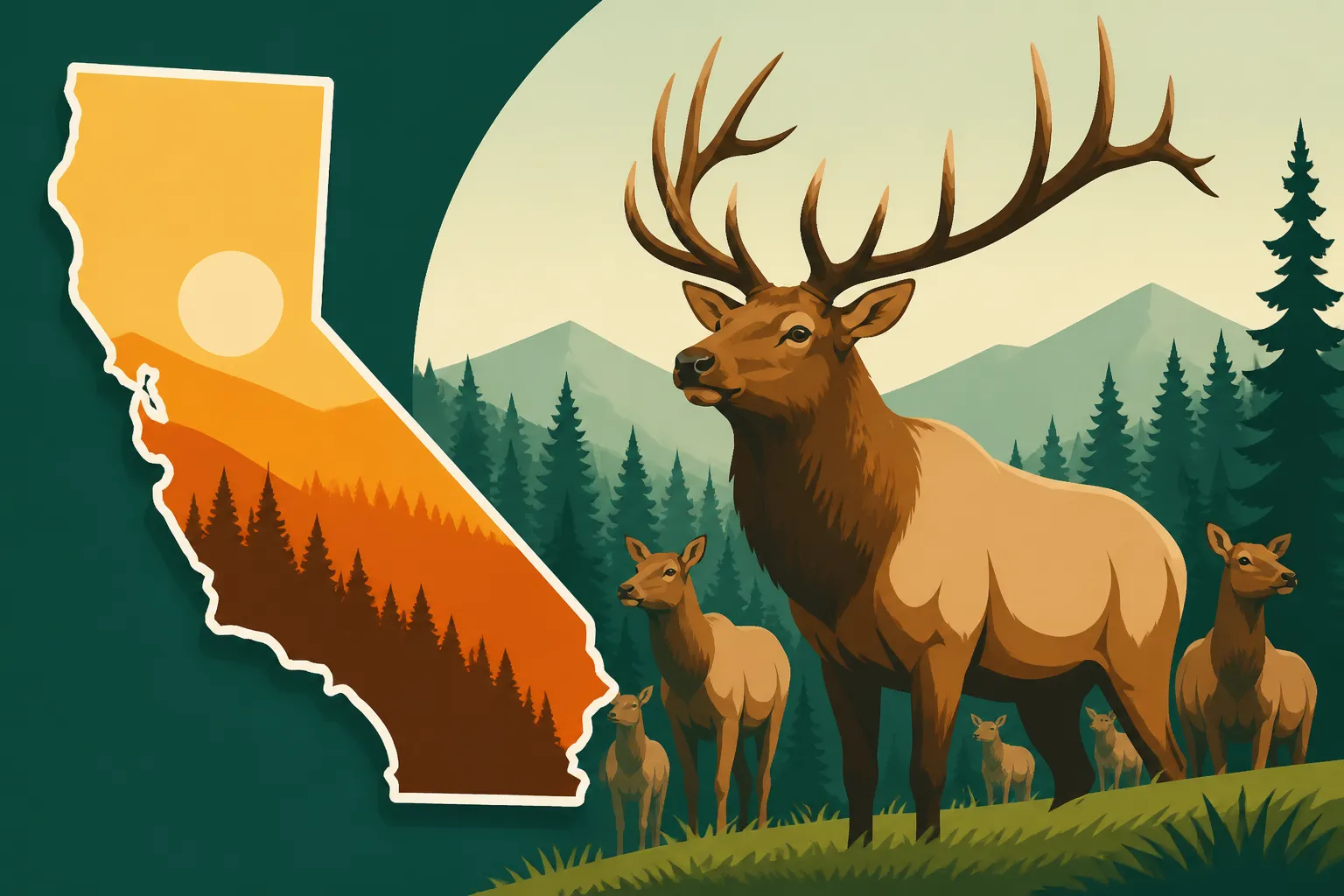
How Many Roosevelt Elk Live in California
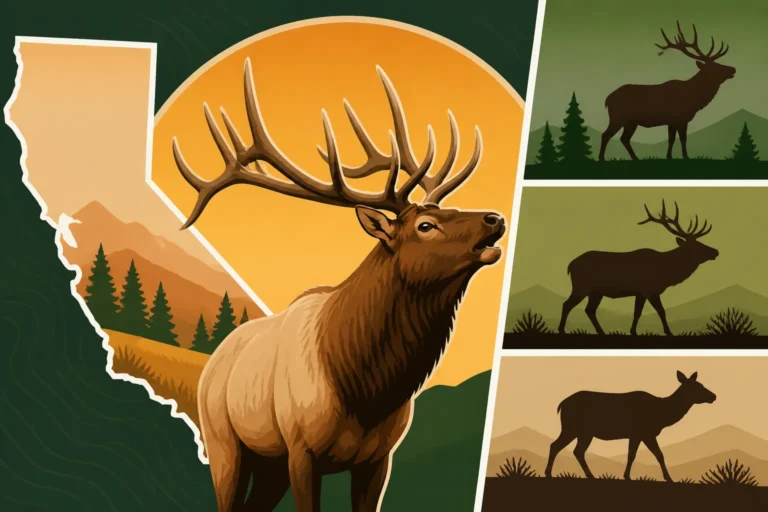
When you dream of elk hunting in California, you might first think of the majestic Tule elk of the Central Valley or perhaps the Rocky Mountain elk grazing near the Oregon border. But there's another magnificent species that calls the Golden State home: the Roosevelt elk, and understanding their population dynamics is key to appreciating this incredible conservation success story. Many hunters wonder exactly how many of these impressive animals roam our forests, and while getting an exact, unchanging number can feel like trying to count raindrops in a downpour, this guide will help you understand the estimated populations and where these giants thrive.
The Return of a Giant: Understanding California's Roosevelt Elk Comeback
For many years, the presence of Roosevelt elk in California was a distant memory, a whisper of what once was. Their story is a powerful testament to the impact of both human activity and dedicated conservation efforts. It's easy to get frustrated when trying to piece together the history, but knowing where they came from helps appreciate their current numbers.
A Glimpse into the Past: Near Extinction and Early Efforts
Imagine a time when the towering redwood forests and lush coastal mountains of California were teeming with these massive animals. That was the reality centuries ago. However, the 19th and early 20th centuries brought significant changes. Unregulated hunting, coupled with widespread habitat loss due to logging and agricultural expansion, pushed Roosevelt elk populations to the brink. It's a sad chapter in our state's wildlife history, one that saw their numbers dwindle dramatically, to the point where many believed they were essentially gone from California's landscape.
Thankfully, even in those challenging times, some far-sighted individuals and early conservation groups recognized the peril. Small, fragmented herds, often numbering in the mere dozens, clung to existence in the most remote and rugged corners of their former range. These remnant populations became the foundation for what we see today, a testament to the resilience of nature when given a fighting chance. It highlights the importance of every individual animal in rebuilding a species.
The Power of Conservation: How Roosevelt Elk Reclaimed Their Range
The tide began to turn with more robust wildlife management and habitat protection efforts. Reintroduction programs, bringing elk from healthier populations in other states, were critical. These efforts weren't easy, often involving long logistical challenges and careful monitoring of newly released animals. But these strategic reintroductions, combined with natural dispersion from those surviving remnant herds, slowly but surely began to populate areas where elk hadn't been seen for generations.
Habitat recovery played an equally vital role. As some logging practices evolved and certain areas were designated for protection, the dense, wet forests and rugged terrain that Roosevelt elk favor started to return. The species thrives in mature and old-growth forests, which provide both cover and forage. This return of suitable habitat allowed the transplanted and native elk to establish breeding populations and expand their territories. This success story isn't just about elk; it's about the broader health of California's northwestern ecosystems. It’s a good example of how dedicated effort can reverse what once seemed an inevitable decline.
Where the Big Bulls Roam: Roosevelt Elk Habitats in California
Knowing where these animals live is just as important as knowing how many there are. Roosevelt elk aren't found just anywhere in California; they have very specific preferences that dictate their distribution and, by extension, their population density. It's not like deer that can pop up in a suburban backyard; these are true wilderness dwellers. If you're looking into hunting opportunities, understanding their turf is your first step. Many hunters rely on tools like GoHunt to cross-reference known elk ranges with public land maps, helping them pinpoint these elusive animals.
Redwood Empire Strongholds: Northwest California's Prime Range
When you think of Roosevelt elk in California, your mind should immediately go to the state's rugged northwest corner. This region, often called the Redwood Empire, is their primary stronghold. We're talking about Humboldt, Del Norte, and parts of Mendocino and Trinity counties. This is where the rainfall is plentiful, the vegetation is dense, and the human population is sparse enough to allow these large animals the space they need.
The dense redwood forests, mixed conifer stands, and rich riparian zones along rivers and streams provide ideal forage and cover. They are often found in areas with a mosaic of forest types, where they can browse on lush vegetation in clearings and retreat into the thick timber for security. This specialized habitat is why you hear so much about Hunting Roosevelt Elk in Redwood Country – it's where the action is for this species. These areas offer the moisture and varied plant life that supports the elk's diet year-round, from grasses and forbs in open areas to tree browse and lichens within the deeper woods.
Challenging Terrain: The Ruggedness of Roosevelt Elk Country
Don't mistake "stronghold" for "easy to access." Roosevelt elk country in California is famously rugged and often remote. We're talking about steep canyons, dense undergrowth, and areas with limited road access. This difficult terrain is precisely what protected the remaining herds during their leanest years and continues to offer them sanctuary today. It presents unique challenges for hunters and biologists alike. When planning a trip to these areas, whether for scouting or hunting, be prepared for some serious physical exertion. Packs and Gear for a Backcountry Elk Hunt will be essential, as you'll often be far from any trailhead.
The terrain plays a huge role in how wildlife agencies conduct their surveys and how accurately they can estimate populations. Thick canopy cover makes aerial counts difficult, and the sheer vastness and inaccessibility of some areas mean ground surveys require immense effort. This contributes to the challenge of providing an exact, real-time number for the entire state's Roosevelt elk population. Understanding these environmental factors helps paint a more realistic picture of elk numbers.
Estimating the Herd: How Biologists Count Roosevelt Elk
Counting large, wide-ranging wild animals like Roosevelt elk isn't as simple as counting sheep in a field. It's a complex, multi-faceted process that relies on a combination of scientific methods and skilled field observations. When you see a population estimate, it's important to remember that it's just that—an estimate—and not a precise census of every single animal. This reality can sometimes be frustrating for hunters seeking definitive numbers, but it's the best available science we have.
Aerial Surveys and Ground Counts: The Tools of the Trade
State wildlife agencies primarily use aerial surveys, often conducted from helicopters or fixed-wing aircraft, to get a broad overview of elk distribution and density. These surveys are typically done when vegetation cover is at its lowest, usually in late winter or early spring, to maximize visibility. Biologists fly established transects over known elk habitat, counting visible animals and noting their locations. This method is incredibly useful for covering large, remote areas quickly.
However, aerial surveys have their limitations, especially in the dense canopy of redwood forests where Roosevelt elk often hide. That's where ground counts come in. Field biologists spend countless hours on foot, driving roads, or using trail cameras to supplement aerial data. They look for signs like tracks, scat, and rubs, and directly observe elk when possible. Combining these methods helps create a more comprehensive picture. Additionally, biologists might use capture-and-tag programs, fitting some elk with GPS collars to track their movements, understand their home ranges, and even estimate survival rates, all of which feed into population models. Programs like GoHunt also provide valuable community-sourced data and insights, complementing official surveys.
Factors Influencing Population Estimates: It's Not Just a Number
Several factors can cause population estimates to fluctuate and make precise counting difficult. Weather conditions during surveys can impact visibility significantly; a foggy day means fewer elk spotted. The natural behavior of elk, such as their tendency to use dense cover, also plays a role. Furthermore, elk populations are dynamic. They are constantly affected by birth rates, calf survival, natural mortality (from predators or disease), and harvest pressure from hunting seasons.
Estimates are often presented as a range rather than a single number, reflecting this inherent uncertainty. For example, instead of saying "there are exactly 3,250 Roosevelt elk," an agency might report "an estimated 3,000 to 3,500 individuals." This acknowledges the scientific methodology's limitations while still providing a valuable and reliable figure for management purposes. Understanding California Elk Hunt Success Rates by Species also indirectly contributes to understanding population health, as sustained success rates often correlate with stable or growing herds.
The Current Picture: California's Roosevelt Elk Population Today
After facing near-extinction, the Roosevelt elk population in California has made a remarkable comeback. While they still represent a smaller segment of the state's total elk population compared to Tule or Rocky Mountain elk, their presence is robust and stable within their specific range. This stability is a direct result of ongoing conservation efforts and careful management.
Understanding the Latest Estimates
Based on the most recent available data and ongoing monitoring by wildlife agencies, the estimated population of Roosevelt elk in California is generally understood to be in the range of several thousand individuals. This is a significant increase from their historical lows and shows a healthy, viable population. These numbers are concentrated predominantly in the coastal mountain ranges of Northwestern California, particularly in Del Norte, Humboldt, and parts of Trinity and Mendocino Counties.
It’s important to remember that this figure represents a mosaic of individual herds, some larger and more concentrated, others smaller and more dispersed throughout suitable habitat. While a precise annual census number isn't typically released in the same way deer harvest reports are, the general trend indicates a stable to slowly growing population. For hunters hoping to draw a tag, understanding Applying for a Roosevelt Elk Tag in the Northwest requires familiarity with these population estimates and the specific zones where these majestic animals reside.
Management Strategies and Future Outlook
California's wildlife management for Roosevelt elk focuses on maintaining healthy populations within their current range and, where feasible, exploring opportunities for expansion into historic habitats. Key components of this management include:
- Habitat Protection and Restoration: Ensuring the availability of suitable habitat, particularly dense forest cover and rich forage areas, is paramount. This includes working with land managers and private landowners to promote sustainable forestry and land use practices.
- Limited Hunting Seasons: Regulated hunting plays a role in managing elk populations. By offering a limited number of tags, wildlife agencies can control herd numbers, maintain a healthy sex ratio, and provide recreational opportunities while ensuring the long-term sustainability of the species. Details on applying for these tags, including California Elk Application Deadline and California's Once-a-Year Nonresident Elk Tag, are crucial for anyone interested in pursuing these animals.
- Disease Monitoring: Ongoing monitoring for diseases, particularly chronic wasting disease (CWD), is a critical part of maintaining herd health. While CWD has not been found in California's wild elk, vigilance is key.
- Public Education and Engagement: Educating the public about elk behavior, habitat needs, and the importance of responsible wildlife viewing helps foster coexistence and reduce human-wildlife conflicts.
The outlook for Roosevelt elk in California is positive. With continued dedication to conservation and sound management practices, these impressive animals are expected to thrive for generations to come, providing both ecological benefits and unparalleled hunting opportunities for those lucky enough to draw a tag. If you're looking to delve deeper into the overall elk picture in the state, consider reading about Hunting California's Three Elk Species to round out your knowledge.
Disclaimer
This article is for general informational purposes only and does not constitute professional advice. Laws, prices and regulations vary by location and change over time. Consult a qualified professional for guidance on your specific situation.