California Bobcat Range Expansion
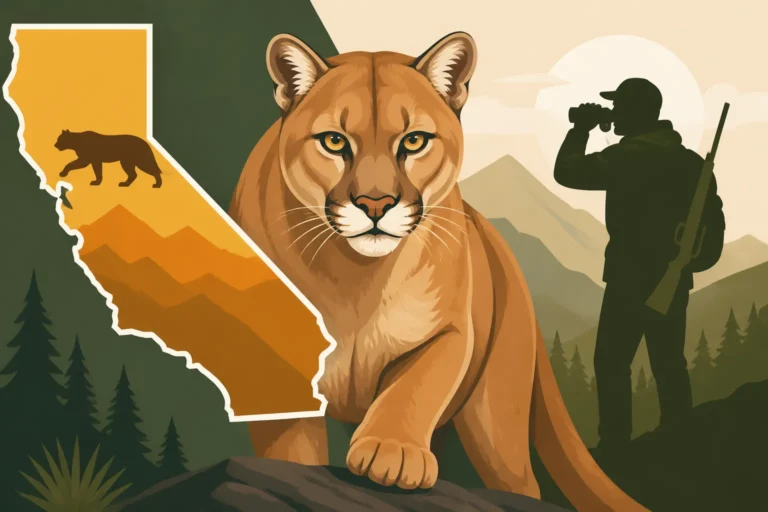
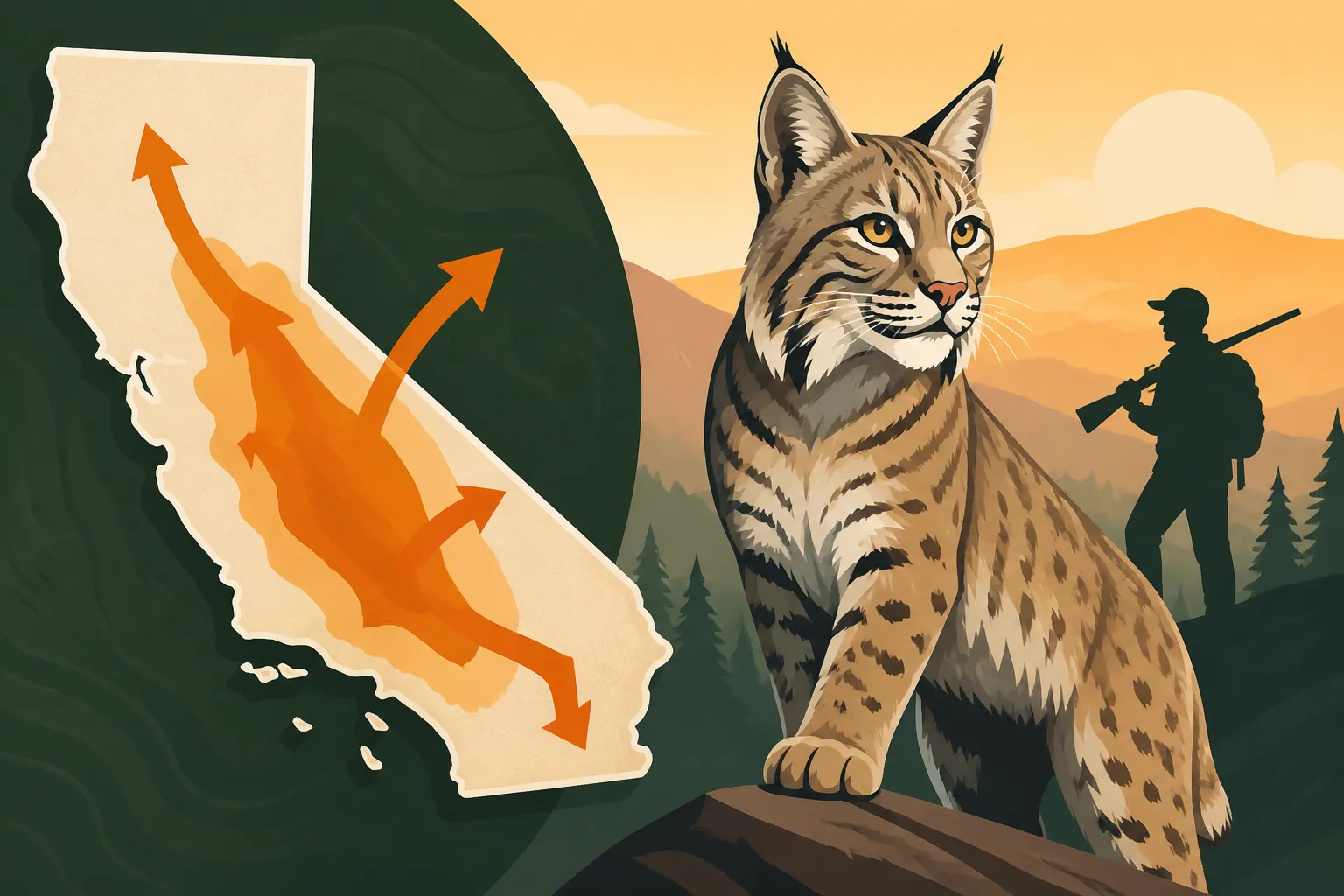
It feels like bobcat sightings are becoming more common across California, doesn't it? For those of us who spend a lot of time in the field, whether hunting or just enjoying the outdoors, there's a growing awareness that these elusive felines are popping up in places we might not have expected them before. This guide will explore the fascinating trend of bobcat range expansion across our diverse California landscapes, helping you understand where they're showing up and why.
Understanding Bobcat Presence in California
Bobcats, with their distinctive short tails and tufted ears, have always been a part of California's wildlife tapestry. Historically, they've thrived in a wide variety of habitats, from the dense chaparral of the coastal ranges to the rugged mountains and even the arid fringes of our deserts. They're incredibly adaptable creatures, master ambush predators that can make a living wherever small prey is abundant and there's enough cover to hunt and hide. However, in recent decades, many of us have noticed what seems like an increased presence, not just in their traditional haunts, but also pushing into areas closer to human habitation or expanding into new pockets of the state.
Historical Distribution and Core Habitats
For a long time, if you wanted to find a bobcat, you'd head for the thick, brushy canyons of the Coastal Range Oak Woodlands or the dense scrub of the Southern California's Chaparral Foothills. These environments provide the perfect blend of prey – rabbits, squirrels, quail, and rodents – and the dense cover they need to hunt unseen and raise their young. Bobcats are territorial, but they don't shy away from varied terrain, establishing hunting grounds that can encompass a few square miles depending on the richness of the habitat. Their ability to blend seamlessly into their surroundings and their nocturnal habits often made them more of a phantom than a tangible presence for many outdoor enthusiasts.
These core habitats historically concentrated bobcat populations where food and shelter were reliably plentiful. While sightings were rare, their tracks and scat told the story of their consistent presence. They're not true wilderness animals in the same way a mountain lion might be; a bobcat can thrive surprisingly close to human activity as long as they have access to prey and some undisturbed pockets of land. This inherent adaptability is a key factor in their observed expansion.
Perceived Increases in Urban and Suburban Areas
One of the most notable aspects of the bobcat's expanding range isn't just a geographical shift across wildlands, but an increasing number of encounters in and around urban and suburban fringes. Homeowners are reporting sightings in their backyards, on golf courses, or crossing quiet streets at dusk. This isn't necessarily a sign that bobcats are everywhere now, but rather that their territories are overlapping more frequently with human development. As open spaces shrink, and as bobcats adapt to hunt the smaller creatures that thrive in greenbelts, parks, and even residential gardens, these interactions become more common.
It can be startling to see a wild bobcat stalking through a suburban park, but it speaks volumes about their resilience and opportunistic nature. They learn quickly where to find easy meals, whether it's a rabbit feasting on garden vegetables or a rat attracted to human refuse. This proximity also means that wildlife agencies are receiving more calls about bobcats, leading to a greater public awareness of their presence, even if the actual population growth in these specific areas might be marginal compared to their overall state numbers.
Factors Driving Bobcat Range Expansion
The phenomenon of bobcat range expansion isn't just a random occurrence; it's driven by a complex interplay of environmental changes, prey dynamics, and human factors. Understanding these underlying causes helps us appreciate the bobcat's remarkable adaptability and offers insights into broader ecological shifts occurring across California.
Habitat Fragmentation and Adaptation
One significant driver is habitat fragmentation. As California's human population grows, sprawling development carves up large tracts of natural habitat into smaller, isolated parcels. While this is detrimental to many species, bobcats, being generalists, sometimes find new opportunities in these fragmented landscapes. Greenbelts, undeveloped canyons, river corridors, and even large parks within urban areas can become viable territories if they offer enough cover and prey. Instead of needing vast, uninterrupted wilderness, a bobcat can survive by navigating a mosaic of smaller wild spaces, sometimes even using culverts or underpasses to cross human infrastructure.
This adaptation isn't without its challenges, of course. Increased road mortality is a real concern for bobcats living near developed areas, but for a resilient species, the availability of new, albeit smaller, pockets of habitat can mean a net expansion of their overall range, particularly if competition from other predators like mountain lions is less intense in these fringe areas.
Prey Availability Shifts
Bobcats are highly dependent on small and medium-sized prey. Their diet primarily consists of rabbits, squirrels, gophers, mice, and ground-dwelling birds like quail. Any changes in the populations or distribution of these prey species can directly influence where bobcats can establish and thrive. For instance, an increase in rodent populations due to changes in agricultural practices or suburban landscaping can provide a new, reliable food source for bobcats, drawing them into areas they previously avoided.
Consider the commonality of cottontail rabbits and various squirrel species in even semi-developed areas. These animals often thrive near human habitation, finding abundant food and shelter. As such, bobcats follow the food. This natural predator-prey dynamic means that as populations of California Cottontail Population Trend or various squirrel species shift and expand into new niches, so too will the bobcats that hunt them. This ecological ripple effect allows bobcats to capitalize on localized prey booms, extending their reach.
Declining Coyote Populations in Some Areas
While often seen as competitors, coyotes and bobcats share a complex relationship. In many natural environments, coyotes are larger and more dominant predators, sometimes suppressing bobcat numbers or pushing them into less optimal habitats. However, in areas where coyote populations might be declining due to human intervention (such as targeted removal programs or increased road mortality in urban areas), bobcats can experience a release from this competitive pressure. This 'mesopredator release' effect can allow bobcats to expand their territories and increase their local densities.
This isn't to say coyotes are disappearing, as California Coyote Range and Density shows they're incredibly widespread. But in specific, localized scenarios, a reduction in coyote presence can open a door for bobcats to move in and exploit available resources more effectively. It creates a vacuum that the adaptable bobcat is quick to fill, further contributing to their observed range expansion, especially at the edges of development where coyotes might be more wary or face greater human-related mortality.
Climate Change and Shifting Ecosystems
Climate change is another overarching factor that subtly influences species distribution, including bobcats. Shifts in precipitation patterns, temperature extremes, and fire regimes can alter vegetation types and impact prey availability over time. For example, extended droughts might reduce the cover and food sources for certain prey animals in one region, potentially pushing both prey and their bobcat predators to areas with more consistent water sources or resilient vegetation. Conversely, areas that become warmer or drier might open up new, previously unsuitable habitats for bobcats if new prey species move in or existing ones adapt.
While bobcats are quite hardy, these large-scale environmental changes compel them to seek out new territories that can better support them and their prey. This can lead to gradual, almost imperceptible, shifts in their overall range boundaries, contributing to the perception of their expansion into novel areas. These changes are slow but persistent, continuously reshaping the ecological map of California.
Implications for Hunters and Wildlife Management
The increasing presence of bobcats, and their apparent range expansion, naturally raises questions for hunters and wildlife managers in California. While bobcats are primarily furbearers and predators, their interactions with other game species and the hunting community are worth understanding.
Interaction with Game Species
Bobcats are opportunistic predators, and while their diet is dominated by small mammals, they will certainly take larger prey if the opportunity arises, including fawns of deer, young turkeys, or adult California Valley Quail. As bobcat populations potentially increase in certain areas, or as they move into new ones, there could be localized impacts on the recruitment of some game species. For example, an increase in bobcat density in a particular oak woodland could lead to a higher predation rate on turkey poults or deer fawns during vulnerable spring months.
It's a complex balance, though. Bobcats also help keep rodent populations in check, which can sometimes benefit nesting birds by reducing nest predation from smaller mammals. Wildlife management agencies like the CDFW constantly monitor game populations, and understanding predator dynamics, including those of bobcats, is a key part of ensuring healthy ecosystems for all species, including those we hunt. They are a natural component of the ecosystem, and their presence is indicative of a healthy predator-prey balance in most cases.
Bobcat Hunting and Trapping Regulations
California has historically managed bobcats as a furbearer species, with specific hunting and trapping seasons. However, public sentiment and conservation concerns have led to changes in these regulations over time. Currently, there are restrictions on bobcat hunting, and commercial trapping of bobcats is prohibited. This is distinct from how California Coyote Hunting Season Rules are structured, which generally have much more open seasons.
Hunters interested in pursuing furbearers or predators in California need to be extremely vigilant about current regulations, which can change. It's crucial to check the most recent CDFW regulations booklet. If you're out in the field and encounter a bobcat, it's important to remember that they are a protected species in terms of hunting seasons. Responsible sportsmen use resources like the GoHunt platform to stay informed on these changing regulations, ensuring compliance and ethical hunting practices. Understanding the difference between general predator control (like coyotes) and regulated furbearers (like bobcats) is paramount.
Monitoring and Research Efforts
To better understand the actual extent of bobcat range expansion and its ecological impacts, wildlife agencies and research institutions are continuously engaged in monitoring and research efforts. This includes tracking population trends, studying diet composition, and analyzing movement patterns using GPS collars or trail cameras. Data from these studies help inform management decisions and ensure the long-term health of bobcat populations and the ecosystems they inhabit.
Citizen science also plays a role, with public sightings sometimes contributing valuable data points, especially in areas where bobcats were previously uncommon. If you’re using scouting tools like GoHunt, which often integrates various map layers, you might even notice public data points or studies in specific areas that relate to wildlife activity, although direct bobcat mapping might be less common. Accurate data collection is essential to differentiate perceived increases from actual population growth or range shifts, especially when considering conservation status.
Coexisting with an Expanding Bobcat Population
As bobcats become more visible, especially in areas closer to human communities, learning to coexist peacefully and responsibly is increasingly important. Their presence is a sign of healthy local ecosystems, but it also requires us to be mindful of our own actions.
Protecting Pets and Livestock
One of the primary concerns for residents in areas where bobcats are expanding is the safety of pets and small livestock. Bobcats are efficient predators, and a small dog, cat, or chicken can look like an easy meal. This isn't malice; it's simply a bobcat acting on its natural instincts. To prevent conflicts, it's crucial to take proactive measures. Keep pets indoors, especially at night, or ensure they are in secure, predator-proof enclosures. Small livestock like chickens, rabbits, or goats need robust fencing, ideally with an enclosed roof and buried mesh to prevent digging under.
Consider installing motion-activated lights around your property, which can deter curious bobcats. Never leave pet food or water bowls outside overnight, as these can attract rodents and other small animals, which in turn attract predators. A responsible approach means understanding their nature and taking steps to secure your property.
Deterrents and Preventative Measures
Beyond securing pets, there are other general deterrents and preventative measures you can employ to discourage bobcats from lingering near your home. Clearing dense brush and overgrown vegetation from around your house can reduce cover for both bobcats and their prey, making your yard less appealing. Eliminating easy access to food sources, such as fallen fruit or unsecured garbage, also helps.
Using tools like a powerful flashlight when you hear rustling at night can often be enough to make a bobcat move on. While bobcats are generally not aggressive towards humans, maintaining a respectful distance and avoiding encouraging their presence is always the best policy. If you're a hunter scouting new ground, understanding bobcat sign can help you anticipate their movements, which can be done using features found on platforms like GoHunt, especially when overlaying terrain and cover information. Predator Calling California Coyote and Bobcat is a distinct practice for hunters, but for homeowners, simple hazing techniques like yelling or waving arms are generally sufficient to encourage them to leave.
Reporting Sightings and Concerns
If you have concerns about bobcats, particularly if they are exhibiting unusual behavior or appearing too comfortable around humans, reporting these sightings to the California Department of Fish and Wildlife (CDFW) can be helpful. They collect data on wildlife interactions and can offer specific advice based on your situation. It's important to provide accurate details about the time, location, and behavior observed.
Remember, the goal is coexistence. Bobcats are a valuable part of California's natural heritage, contributing to a healthy ecosystem. By understanding their behavior, taking sensible precautions, and respecting their wild nature, we can continue to share our diverse landscapes with these fascinating felines as their range continues to adapt and expand.
| Bobcat Trait | Description | Implication for Coexistence |
|---|---|---|
| Diet | Primarily small mammals (rabbits, rodents), ground birds; opportunistic. | Protect small pets/livestock; secure food sources. |
| Habitat | Adaptable; chaparral, forests, even urban fringes with cover. | Clear dense brush around homes; be aware in green spaces. |
| Activity | Crepuscular/Nocturnal (dawn, dusk, night) but can be seen daytime. | Secure pets at night; increased vigilance during twilight hours. |
| Territoriality | Solitary, but territories can overlap. | Rarely aggressive to humans, but maintain distance. |
| Adaptability | Thrives despite fragmentation; follows prey into new areas. | Expect increased sightings; learn to identify bobcat sign. |
| Vocalization | Rarely vocal, but can growl, hiss, or make short "coughs." | Unlikely to be heard, but any unusual sounds should be noted. |
Disclaimer
This article is for general informational purposes only and does not constitute professional advice. Laws, prices and regulations vary by location and change over time. Consult a qualified professional for guidance on your specific situation.