Jump-Shooting a Central Valley Slough
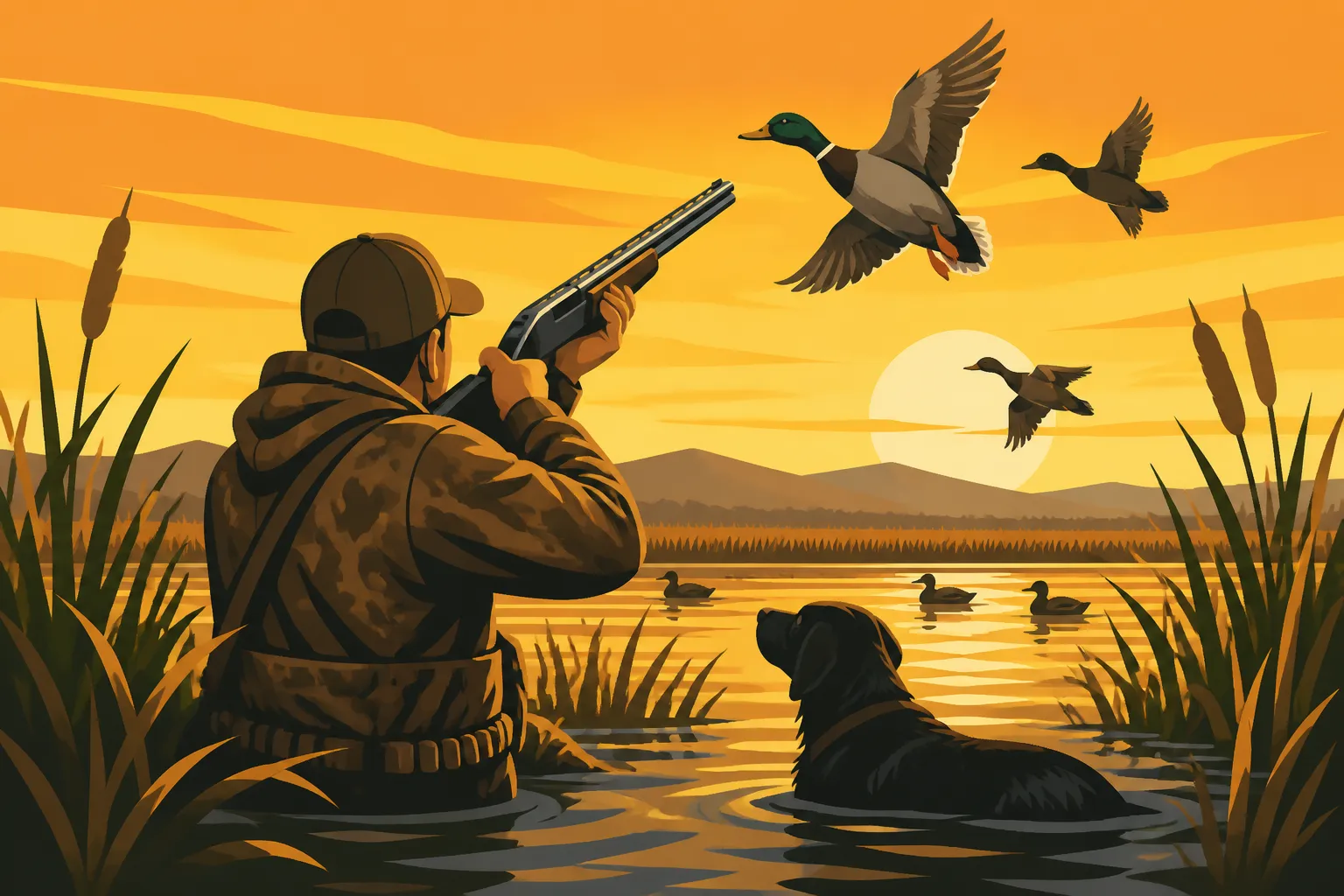
For many California waterfowl hunters, the thought of hitting the marsh often conjures images of crowded refuges, competitive blind draws, or expensive private leases. It can be a real headache trying to find a spot with elbow room, let alone consistent action. But what if there was a way to experience some of the most exciting, dynamic waterfowl hunting our state offers, often away from the masses, with minimal gear? This guide dives deep into the exhilarating world of jump-shooting a Central Valley slough, providing you with the insights and tactics to find success on these often-overlooked waterways.
Understanding Central Valley Sloughs and Their Appeal
The Central Valley of California is a vast agricultural powerhouse, crisscrossed by countless sloughs, irrigation ditches, and small meandering waterways. While not always as grand as the major rivers, these smaller channels often serve as vital corridors and resting areas for migrating waterfowl. Overlooking them means missing out on some incredible, up-close opportunities.
What Makes a Slough Prime for Jump-Shooting
Not all sloughs are created equal for jump-shooting. The prime candidates are typically those with good cover along their banks, varying water depths, and a reliable food source nearby. Look for stretches with cattails, tules, willow thickets, or even just overgrown grass that provides excellent concealment for both you and the birds. Shallow areas adjacent to deeper pockets, subtle bends, and bottlenecks are hotspots where ducks love to loaf and feed, feeling secure in the dense vegetation. These often neglected waterways connect larger bodies of water or pass through agricultural fields, offering a sanctuary for birds escaping pressure on larger, more exposed wetlands. The slower current in many sloughs also makes them ideal resting spots.
Why Jump-Shooting Offers a Different Experience
Unlike setting up in a static blind with dozens of decoys and waiting for birds to commit, jump-shooting is an active, dynamic form of hunting. It's truly a spot-and-stalk approach to waterfowl, demanding stealth, keen observation, and quick reflexes. You're constantly moving, reading the water, and anticipating where ducks might be hiding. This hands-on method drastically reduces the amount of gear you need – often just your shotgun, non-lead ammunition, and proper attire. It's a fantastic option when you want to avoid the crowds, get some exercise, and feel like you're truly hunting, not just waiting. It harks back to a simpler, more primal hunting style that many find incredibly rewarding, especially on those days when the bigger water is slow or completely locked up.
Essential Gear and Preparation for Slough Hunting
Jump-shooting requires a different mindset and a slightly different gear list than a traditional blind hunt. The emphasis here is on mobility, stealth, and protection from the elements.
Your Waterfowl Arsenal
First and foremost, you’ll need a reliable shotgun. A 12-gauge is standard, but a 20-gauge can also be effective. The critical factor in California is that you must use non-lead ammunition for all waterfowl hunting. Options like steel, bismuth, or tungsten-matrix shot are excellent choices. Make sure your shotgun is patterned well with your chosen load. For a deeper dive into these options, you might find guidance in an article about Non-Lead Shotgun Loads for Upland Birds, as many principles apply.
Beyond the firearm, comfortable, waterproof waders or knee-high rubber boots are non-negotiable. You'll be walking through mud, wading across shallow sections, and retrieving birds from the water. Think lightweight but durable. Camouflage clothing that blends with the browns, tans, and greens of Central Valley vegetation is key. Layers are essential to adapt to California’s often-fluctuating temperatures, especially during a Reading a Wetland for a Morning Flight. A good bird vest or small backpack can hold your shells, water, snacks, and a game strap. Some hunters might carry a few confidence decoys, but for true jump-shooting, the focus is on the stalk.
Pre-Hunt Scouting and Map Reading
This is perhaps the most crucial step for successful jump-shooting. You can’t just show up to any slough and expect results. Start by using aerial maps – tools like GoHunt are invaluable for identifying promising waterways, noting vegetation density, potential access points, and proximity to agricultural fields or larger bodies of water. Look for bends, choke points, and areas where cover is thickest. Identifying public access points is critical; many sloughs run through private property, so knowing boundaries is essential. The CDFW website and GoHunt's public land layers can help you navigate this.
Once you’ve pinpointed potential areas on a map, a physical scouting trip (without your gun) is highly recommended. Walk the banks, look for fresh tracks, droppings, or even feathers indicating recent bird activity. Pay attention to wind direction and potential approach routes that offer the best concealment. Remember, silence and a slow pace are your best friends. Understanding California Duck and Goose Bag Limits is also part of this preparation, ensuring you know what species you can pursue and how many.
Mastering the Art of the Jump-Shoot
Jump-shooting is a dance of stealth and precision. It’s about anticipating, moving slowly, and being ready to act in an instant.
Stealth and Approach Techniques
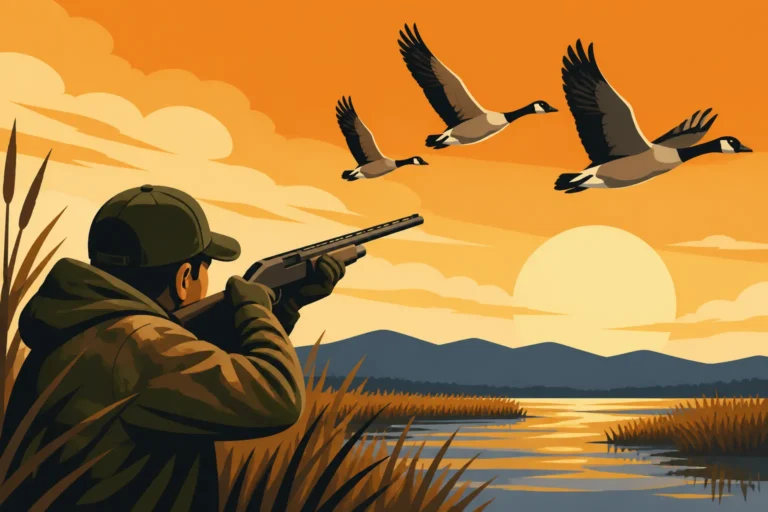
The primary goal is to surprise the birds. This means moving slowly, deliberately, and quietly along the bank, using natural cover like tules, willows, or brush to break up your outline. Keep low, especially as you approach a bend or a thick patch of vegetation. The wind is your friend; try to approach with the wind in your face to carry your scent away from the birds and muffle any sounds. If hunting with a partner, communicate silently, perhaps using hand signals. One hunter might walk directly along the bank while the other hangs back slightly, ready for birds flushing on either side or ahead.
Walk slowly enough to observe subtle clues – ripples on the water, a patch of darker color that might be a resting duck, or the faint quacking or splashing of feeding birds. As you near a suspected hideout, be prepared. Hold your shotgun ready, safety on, and eyes scanning. Ducks often hold tight until you are almost on top of them, then explode into the air with surprising speed. Being ready means the difference between a clean shot and a missed opportunity.
Decoy Use and Calling When to Use Them
While traditional jump-shooting focuses on the stalk, a minimalist approach to decoys can sometimes enhance your success. Carrying a single, foldable confidence decoy or two, like a small mallard or pintail, can sometimes draw attention from distant birds or even hold a flushing duck for an extra second, giving you a better shot. These aren't for attracting huge flocks, but for creating a visual that says "safe zone" to curious birds.
Similarly, calling is generally subtle in jump-shooting. A quiet hen mallard chuckle or a single feeding call might coax a hidden bird to reveal itself or reassure a wary one. Loud, aggressive calling is usually counterproductive as it alerts birds to your presence. The goal is to imitate the natural sounds of a peaceful slough, not to call birds in from a mile away like you would when Decoying Mallards on Flooded Rice Ground.
Safety Considerations and Ethical Hunting
Safety is paramount, especially when navigating uneven terrain and dense cover near water with a loaded firearm. Always keep your muzzle pointed in a safe direction, and your safety on until you're ready to shoot. Be aware of your surroundings, especially if hunting with a partner, and always know what’s beyond your target. Remember, you’re hunting waterfowl; never shoot at ducks on the water. Wait for them to take flight, giving you a clean, ethical shot.
It’s crucial to be able to identify species on the wing to ensure you're within legal bag limits and not mistakenly targeting protected birds. Knowing the California Duck Daily Bag Limit and species-specific regulations is part of responsible hunting. If you’re unsure, don’t shoot. Ethical hunting also extends to retrieving every bird you shoot. If you don't have a dog, be prepared to wade or use a long pole to retrieve downed birds from heavy cover.
Post-Shot Best Practices and Game Care
The hunt doesn’t end with the shot. Proper retrieval and field care ensure you honor your harvest and preserve the quality of the meat.
Retrieving Downed Birds
Once a bird is down, mark its fall precisely. Ducks often fall into thick cover, and it's easy to lose sight of them, especially in a winding slough. If you're hunting with a retriever, they'll make short work of this. If not, carefully note landmarks and proceed directly to the spot. If the bird lands in the water, retrieve it as quickly as possible to prevent it from drifting away with the current or sinking. Be cautious when wading in unknown waters – sudden drop-offs or deep mud can be dangerous. Your waders should protect you, but always test the depth with a stick before stepping into unfamiliar territory. An article on Choosing Waders for Flooded Rice Fields might offer insights into selecting appropriate footwear that also applies to sloughs.
Field Dressing and Transporting Your Harvest
After retrieval, it’s good practice to field dress your birds as soon as possible, especially on warmer days. This means removing the entrails to allow the carcass to cool down quickly, which is vital for meat quality. Keep your birds out of direct sunlight and allow air circulation. A game strap is excellent for carrying multiple birds comfortably while keeping them cool.
When transporting your harvest back to your vehicle, ensure they are properly stored. A cooler with ice is ideal, especially if you have a longer journey. This is also where you’ll need to ensure your birds are legally tagged or identified according to California HIP Certification for Bird Hunters and other local regulations. Keeping a detailed record of your hunt and complying with all reporting requirements, like those for California Duck and Goose Bag Limits, is part of being a responsible hunter.
Jump-Shooting vs. Traditional Blind Hunting
To help illustrate the differences and benefits, here's a comparison table:
| Feature | Jump-Shooting a Central Valley Slough | Traditional Blind Hunting in a Waterfowl Field |
|---|---|---|
| Activity Level | High (Active stalking, walking, wading) | Low (Static waiting) |
| Required Gear | Minimal (Shotgun, ammo, waders, camo, small pack, optional few decoys) | Extensive (Shotgun, ammo, blind, dozens of decoys, calls, dog stand, boat) |
| Stealth Required | Crucial for success, constant vigilance | Important for setup, but less critical during waiting |
| Location Type | Small, winding waterways, ditches, thick cover | Open water, flooded fields, marshes, ponds |
| Crowd Factor | Generally lower, more opportunity for solitude | Often high, especially on public lands/refuges |
| Shooting Style | Fast, reactionary shots at flushing birds | More deliberate shots at decoying birds |
| Cost | Generally lower (no blind fees, fewer decoys) | Can be higher (blind leases, extensive decoy spreads) |
| Learning Curve | Rewards patience, keen observation, and good woodsmanship | Rewards calling ability, decoy placement, and pattern recognition |
Jump-shooting a Central Valley slough offers a unique and satisfying way to pursue waterfowl in California. It's an opportunity to embrace a more active, intimate form of hunting, to connect with the landscape, and to test your skills against wary birds. So, next time you're planning a waterfowl outing, consider trading the blind for the bank and experiencing the thrill of the jump-shoot.
Disclaimer
Hunting carries inherent risks, and it is the hunter's responsibility to understand and comply with all federal, state, and local laws and regulations. Always prioritize safety, responsible gun handling, and ethical hunting practices. Consult the latest California Department of Fish and Wildlife (CDFW) regulations before any hunting activity, as rules and seasons can change.