Hunting the September Dove Opener
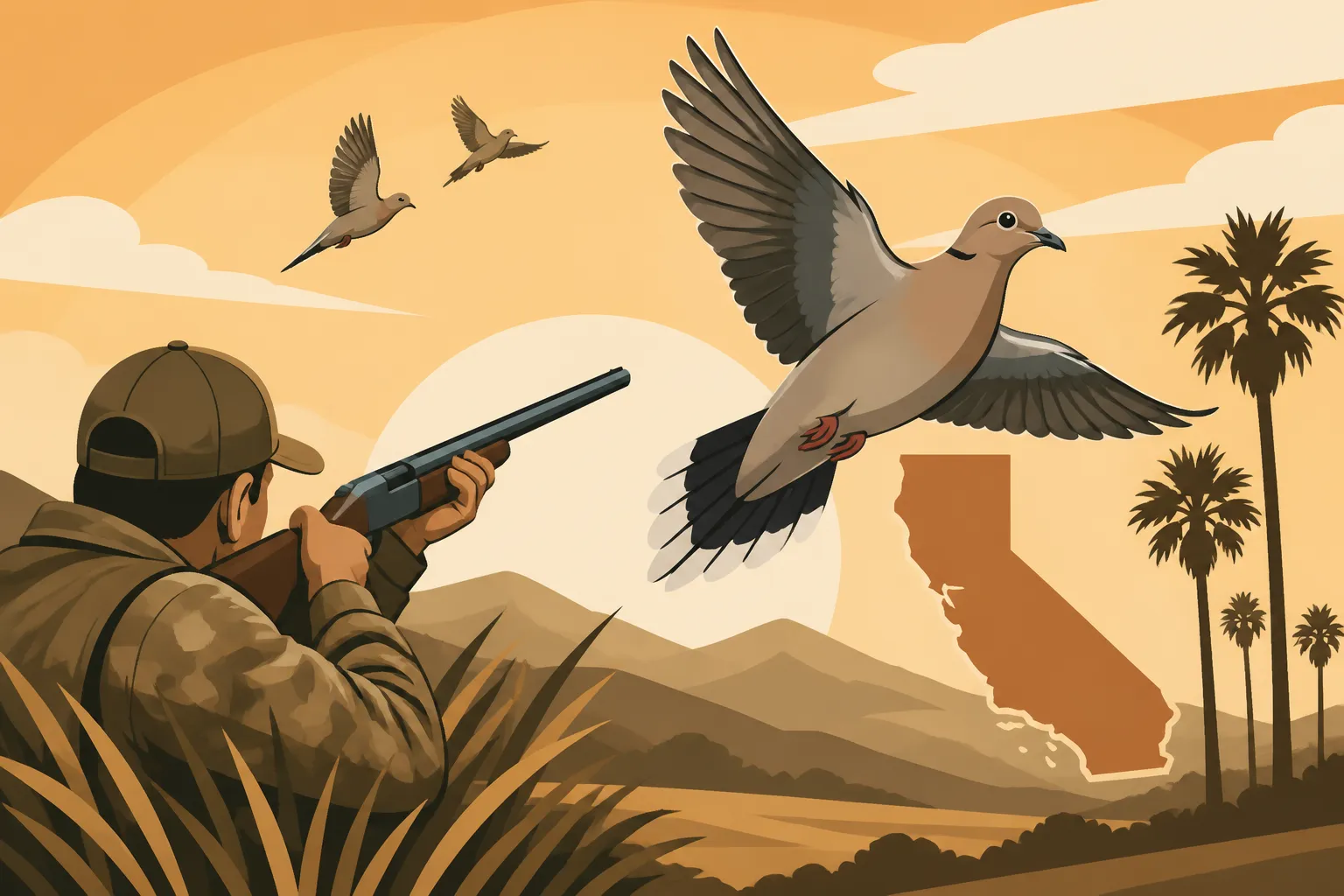
Oh, the September Dove Opener in California! For many of us, that first Saturday in September isn't just another weekend; it's the unofficial start of hunting season, a beloved tradition, and frankly, a chance to escape the everyday grind and feel the thrill of the hunt again. But let's be real, it's not always easy. The birds can be fickle, the weather can be brutal, and finding that perfect spot can feel like a lifelong quest. This guide is all about helping you navigate those challenges, offering practical advice and seasoned insights to make your California dove opener a memorable and successful one.
The Allure of the September Dove Opener in California
There's something truly special about the dove opener in California. It's the moment when many of us dust off the shotguns, gather our hunting buddies, and hit the fields. It's often hot, dusty, and requires a ton of shells, but the camaraderie and the sheer volume of birds in good years make it an unforgettable experience.
Why the Dove Opener is Such a Big Deal
For starters, it's the first hunting opportunity for many after a long summer. We've been dreaming of cooler weather and big game, but the doves offer that instant gratification, that fast-paced action that really gets the blood pumping. California is a significant migratory pathway for mourning doves, and we also have resident birds. This means on a good year, you're looking at a healthy population. When the season kicks off in September, these birds are actively feeding, especially in the state's agricultural hubs like the Central Valley. It's not just about the hunt, though; it's the community. Many families have traditions centered around the dove opener, with multi-generational groups gathering in fields, sharing stories, and teaching the youngsters the ropes. It’s a true celebration of the hunting lifestyle.
The Unique Challenges of Early Season Dove Hunting
While exciting, the early September opener isn't without its hurdles. The biggest one? The heat. California in September can still feel like mid-summer, especially in the interior valleys. This means dealing with dehydration, keeping yourself and your harvested birds cool, and managing your energy levels. Beyond the heat, doves are intelligent birds. They adapt quickly to hunting pressure. A field that was teeming with birds at dawn might be empty by late morning after a few hundred shots ring out. Their flight patterns can change instantly, making it a constant game of adjustment. Plus, finding good public land that isn't already shoulder-to-shoulder with other hunters can be a real challenge, often requiring extensive scouting or seeking Hunting Small Private Tracts in California through landowner permission.
Scouting and Strategy for Opening Day Success
Success on the dove opener rarely comes down to luck alone. It's about putting in the work beforehand, understanding dove behavior, and having a solid plan.
Identifying Prime Dove Habitat and Water Sources
Doves are creatures of habit, much like any other game animal. They need three things: food, water, and roosting cover. On the opener, focus heavily on food sources. Doves are primarily seed-eaters. Look for harvested grain fields – think wheat, sunflowers, safflower, or corn. These fields leave behind plenty of waste grain on the ground, which is a magnet for doves. Pay attention to edges where different crops meet, or where fields border treelines or brushy areas.
Water is equally critical, especially in the arid California landscape. Doves need to drink, often twice a day, usually in the late morning and late afternoon. Identifying ponds, canals, irrigation ditches, or even cattle troughs can be a game-changer. These watering holes become natural funnels, drawing birds in from miles around. Don't just look for standing water; look for the "dove sign" around it – the white droppings and tracks in the mud indicating heavy use. I always make a point of finding at least two good water sources during my scouting, just in case one gets too crowded or the birds shift their pattern.
Reading the Fields: Food, Roosting, and Flight Paths
Once you've identified potential feeding or watering areas, it's time to "read" the field. This means observing bird activity without disturbing them. Drive by in the evenings or early mornings a week or two before the season. Look for where birds are flying in and out, where they're congregating on power lines or dead trees (roosting cover), and their general direction of travel. Are they flying low along a fenceline? Are they high over a particular corner of the field? This information helps you pinpoint the best ambush points.
For example, if you see doves consistently flying from a sunflower field to a small pond just over a rise, setting up between those two points or near the pond itself would be a prime strategy. Doves will often use the same flight corridors day after day, so finding these natural highways is key. Areas with scattered, low trees or power lines near a food source are also excellent, as doves often perch there before dropping down to feed. I like to use mapping apps like GoHunt to mark potential hot spots, noting crop types, water sources, and access points. This kind of pre-season work is invaluable and will save you a lot of guesswork on opening morning.
Using Technology for Scouting
In today's world, technology has made scouting so much easier. Satellite imagery from apps like GoHunt allows you to identify crop types, locate water sources, and spot potential flight corridors from your couch. You can often see the distinct patterns of harvested fields or the dark lines of treelines that doves might use as cover. It's incredibly helpful for figuring out Shed Hunting on California Public Land if you're looking for antlers in other seasons, but for doves, it's all about identifying those feeding and watering grounds.
I'll typically overlay public land boundaries with satellite views to identify accessible fields. Pay attention to public lands like California Wildlife Areas, some of which manage fields specifically for doves. Don't forget to check individual refuge or wildlife area websites for specific rules, as some might have different shooting hours or permit requirements. Using a GPS-enabled app on your phone allows you to mark waypoints for blinds, vehicle parking, and even where you found good concentrations of birds during scouting. This is especially useful in vast agricultural landscapes where everything can look the same once you're on the ground.
Essential Gear and Setup for California Dove Hunting
Having the right gear makes all the difference, not just for comfort, but for ethical and successful hunting, especially when dealing with the typical California September heat.
Shotguns and Ammunition Choices
For doves, a 12-gauge or 20-gauge shotgun is standard. Semi-automatics or pump-actions are popular due to their capacity and reliability. Choke choice is important; modified or improved cylinder chokes are often preferred for the closer, fast-flying shots on doves. Many hunters opt for lighter loads, like 7.5 or 8 shot, which provide a dense pattern for these small, agile birds.
However, a crucial point for California hunters is the state's non-lead ammunition requirement. You absolutely cannot use lead shot for hunting doves in California. This means you'll need to purchase steel shot, bismuth, or other non-toxic alternatives. Steel shot in sizes 7 or 6 is a common choice and usually more affordable, but it performs differently than lead. Make sure to pattern your shotgun with your chosen non-lead load before the season opens so you know its effective range and spread. You don't want to be guessing when the birds are zipping past.
| Ammunition Type | Pros | Cons |
|---|---|---|
| Steel Shot | Affordable, widely available, good patterns | Lighter, less dense than lead, requires larger shot size for same energy |
| Bismuth Shot | Performs closer to lead, good density, softer | More expensive, less widely available than steel |
| Tungsten Matrix | Excellent density, soft, superb performance | Very expensive, often hard to find |
Blinds, Decoys, and Comfort Essentials
Doves have excellent eyesight. While they might be less wary early in the season, concealment is still key. A simple camo net draped over a few fence posts or natural brush can work wonders. Many hunters use pop-up ground blinds, which offer excellent concealment and a bit of shade. When picking a spot, try to position your blind with the sun at your back if possible, making it harder for birds to spot you as they fly in.
Decoys are incredibly effective for doves. A few dozen dove decoys placed on stakes in a field or perched on a fence line can draw birds in from a distance, giving you better, closer shots. Motion decoys, like spinning wing doves, are particularly deadly, mimicking a feeding or landing bird and acting as a visual magnet. Place your decoys where approaching birds will see them against the sky, ideally 10-20 yards in front of your blind.
Beyond concealment and attracting birds, comfort is critical, especially given California's September heat. Bring a comfortable, portable chair. Hydration is non-negotiable; bring plenty of water, and consider a cooler with ice for both your drinks and your harvested birds. A wide-brimmed hat, sunglasses, and sunscreen are absolute must-haves. A small fan can even make a big difference in a blind. Think about how you'll keep your birds cool once harvested; a small cooler with ice is essential to prevent spoilage in warm weather. You don't want all that effort to go to waste.
Staying Hydrated and Cool in Early September Heat
This cannot be stressed enough: California's September weather can be brutal. Temperatures often climb into the 90s or even 100s in dove country. Dehydration is a serious risk. You need to carry more water than you think you'll need, and start hydrating days before your hunt. Electrolyte drinks can also be beneficial.
Wear light, breathable clothing, preferably in a camouflage pattern appropriate for Camo Patterns for California Oak Woodland Cover or cut grain fields. Avoid dark colors that absorb heat. If you're planning a full day, consider a midday break during the hottest hours to rest in the shade or your vehicle before returning for the afternoon flight. Remember that your dog, if you bring one, will also need constant access to water and shade. Overheating can be deadly for hunting dogs. I often carry a small spray bottle to mist myself and my dog to help cool down. Proper hydration and heat management are as important as your shooting skills on opening day.
Understanding Regulations and Ensuring a Safe Hunt
Hunting doves in California, like any hunting, comes with a set of rules and responsibilities designed to ensure ethical hunting and public safety. Make sure you're well-versed in them.
California's Dove Season Rules and Bag Limits
The September Dove Opener typically kicks off on September 1st, running for a specific number of days, followed by a later season. It's crucial to check the current year's California Department of Fish and Wildlife (CDFW) regulations booklet or website for the exact California Dove Season Dates, as these can change annually. The daily bag limit for mourning doves is usually 15, with a possession limit of 45. Eurasian collared-doves, an invasive species, generally have no bag or possession limits and can be hunted year-round. It's vital to be able to distinguish between the two. Mourning doves are smaller, more slender, with a pointed tail and often a black spot near their ear. Eurasian collared-doves are larger, stockier, with a distinctive black half-collar on the back of their neck and a square tail. Misidentifying birds can lead to penalties, so when in doubt, don't shoot.
You'll also need a valid California hunting license, and if you're hunting migratory birds (which doves are), you'll need to possess a California Federal Duck Stamp Requirement and be HIP (Harvest Information Program) certified. This California HIP Certification for Bird Hunters is free and helps CDFW gather important harvest data. All these licenses and certifications can be obtained through the CDFW website or an authorized license agent.
Non-Lead Ammunition and Other Legal Requirements
As mentioned, California mandates the use of non-lead ammunition for all hunting statewide. This includes doves. Make sure your shotgun shells are clearly marked "non-toxic" or "steel shot." This is not an area to cut corners, as game wardens are vigilant about compliance, and the penalties can be severe.
Additionally, pay attention to vehicle access rules, especially on public lands. Many wildlife areas or national forests have restrictions on where you can drive or park. On Bureau of Land Management (BLM) land, understanding the vehicle rules on California public land is essential to avoid trespassing or damaging habitat. Always be aware of your surroundings and any posted signs. Remember, safety always comes first, and adhering to regulations is a critical part of being a responsible hunter.
Prioritizing Safety in the Field
Dove hunting, with its fast action and multiple hunters in close proximity, demands extra attention to safety. Always maintain safe zones of fire. Know where your hunting partners are, and never swing your gun past them. Hearing protection is crucial, as is eye protection. You'll be shooting a lot, and ear plugs or muffs will save your hearing in the long run. Safety glasses protect your eyes from stray pellets, dust, or even ejected shells.
When setting up your hunting spot, choose an area with a clear background. Avoid shooting low, especially if there are homes, roads, or other hunters in the distance. Doves fly quickly, and it's easy to get tunnel vision. Take a moment before each shot to confirm your target and what lies beyond it. Keep your firearm pointed in a safe direction at all times, and only load it when you're ready to shoot. If you're hunting with new or younger hunters, emphasize these safety rules constantly. California Hunter Education Requirements are in place for a reason, reinforcing these fundamental principles is key to a safe and enjoyable hunt for everyone.
Disclaimer
Please note: Hunting regulations and seasons can change. Always consult the latest California Department of Fish and Wildlife (CDFW) regulations booklet or website before engaging in any hunting activity. This guide provides general information and should not be considered legal advice.