Retrieving Game From Private Land in California
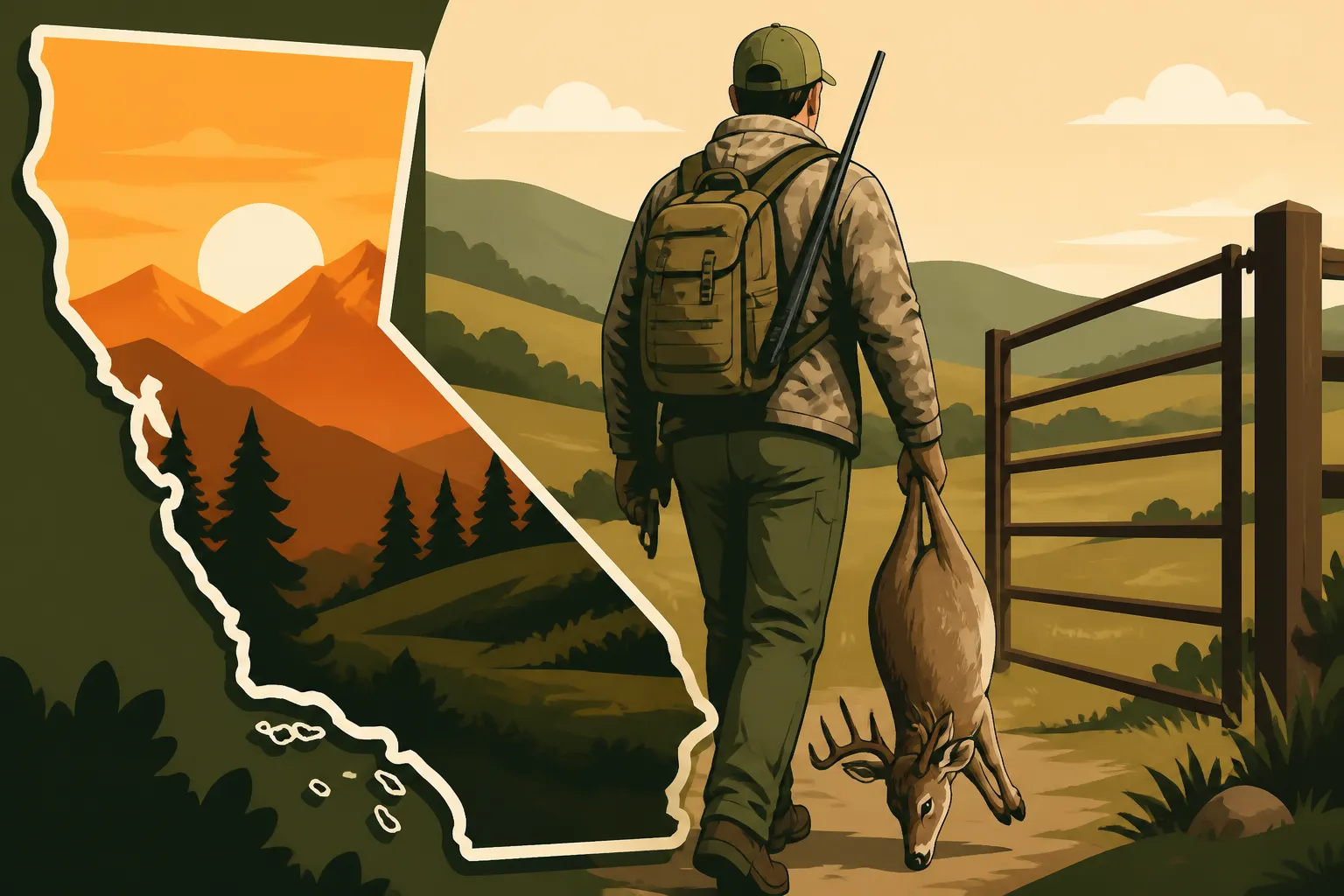
It's an unfortunate scenario many California hunters eventually face: you've made a great shot on a deer or a hog, but in its final moments, the animal bounds across a property line onto private land. The frustration and anxiety are immediate. What do you do? Do you follow it, risking trespass? Do you just walk away? This guide will walk you through the proper, legal, and ethical steps for retrieving game from private land in California, ensuring you respect property rights while doing your best to recover your animal.
Understanding California's Trespass Laws
California's trespass laws are designed to protect private property owners, and as hunters, it's our responsibility to know and respect them. Simply put, you cannot enter private land without permission, regardless of whether you're chasing a downed animal. This isn't just a courtesy; it's the law, and violating it can carry significant penalties.
Posted vs. Unposted Land: What's the Difference?
Many people assume that if land isn't posted with "No Trespassing" signs, it's fair game. In California, this is a dangerous misconception. While signs certainly make it clear, land can still be considered private and off-limits even without them. Fencing, cultivation (like a vineyard or an orchard), or even just clearly defined property boundaries can indicate private land. The burden is on you, the hunter, to know whose land you're on.
Think about it from the landowner's perspective. Their property is their sanctuary, their livelihood, or both. They might not want strangers, especially armed strangers, wandering across it. It’s crucial to understand that unless you have explicit permission, all private land is off-limits. This is why having tools like onX Hunt or GoHunt on your phone, which clearly show property lines and often landowner names, is absolutely invaluable. It's not just for scouting; it's a critical legal defense and a sign of respect.
The Importance of Written Permission
While a friendly wave and a verbal "Go ahead" might feel sufficient in the moment, California law generally emphasizes the importance of clear, documented permission for entering private property, especially for hunting-related activities. When it comes to retrieving game, verbal permission might get you by in a very relaxed situation, but it leaves too much open to interpretation and potential misunderstanding.
The California Department of Fish and Wildlife (CDFW) strongly recommends, and in many cases requires, written permission for activities on private land. This written permission should clearly state who is allowed, what activities are permitted (like tracking and retrieving a wounded animal), the date(s) of permission, and the specific area. Imagine you're on a remote ranch, and the owner gave you a quick nod. Later, a ranch hand or even a neighbor sees you and calls the sheriff. Without something in writing, it becomes a "he said, she said" situation that can quickly turn sour. For a deeper dive into this, you might want to read Do You Need Written Permission in California?.
Ignorance is Not an Excuse
"I didn't know that was private property" is rarely, if ever, a successful defense when facing a trespass charge. As a hunter, you are expected to know where you are hunting and what the regulations are. This includes understanding property boundaries. Before you even head out, you should be thoroughly familiar with the area you plan to hunt, using maps and aerial photos to identify public and private land boundaries.
This due diligence isn't just about avoiding trouble; it's about being a responsible, ethical hunter. Checking land ownership beforehand, perhaps with an app that shows Using an App for California BLM Land Status or Finding California Property Lines, helps prevent these sticky situations in the first place. You can mark potential "no-go" zones or even use these tools to proactively seek permission before the season even starts.
Steps to Take When Game Crosses Property Lines
So, despite all your best efforts, it happens. You shoot an animal, and it runs onto land you know or suspect is private. Panic might set in, but it's crucial to stay calm and follow a clear, ethical procedure.
Immediate Actions After a Shot
Your first instinct might be to immediately pursue the animal, but that's often the wrong move if it's headed for private land. As soon as you realize the animal has crossed, or is likely to cross, a property boundary, stop. Mark the exact spot where you last saw the animal on public land. Take photos if possible, noting landmarks, GPS coordinates, and the time. This documentation can be vital later.
Do not cross that boundary without permission. If the animal is clearly down and visible just across the fence, it's still private land. Your priority shifts from "pursuit" to "permission." If you enter private land to track or retrieve an animal without consent, you are trespassing, plain and simple. Even if you ultimately find the animal, the legal consequences can far outweigh the satisfaction of the recovery.
Contacting the Landowner
This is the most critical step. Once you've marked the last known location, your next move is to identify and contact the landowner. This is where those mapping apps like onX Hunt or GoHunt become lifesavers. They often provide landowner names and sometimes even contact information. If you don't have an app, local county assessor's offices can provide property owner details during business hours.
When you make contact, be respectful, calm, and honest. Explain the situation: "Hello, my name is [Your Name], and I'm a hunter. I just shot a deer (or pig), and it appears to have crossed onto your property near [describe location]. I'm calling to respectfully ask for your permission to enter your land to retrieve it. I understand your property rights and I won't enter without your express consent." Offer to leave your weapon behind, bring only a knife, and offer to field dress the animal and clean up any mess. If they agree, get specific instructions on where you can go and how you should access the property. If they decline, respect their decision, no matter how frustrating it is.
Involving Law Enforcement or CDFW
What if you can't contact the landowner, or they are hostile, or perhaps you're just not comfortable approaching them directly? This is when involving law enforcement or the California Department of Fish and Wildlife (CDFW) becomes an option. They can often act as a neutral third party and help facilitate communication.
You can call your local sheriff's department or the CDFW warden dispatcher. Explain the situation clearly, providing all the details you've gathered, including the last known location of the animal and your unsuccessful attempts to contact the landowner. They might be able to reach the landowner on your behalf, explain the situation, and secure permission for you. In some rare cases, if the animal is clearly visible and just inside the property line, and the landowner is absolutely unreachable, a warden might even retrieve the animal for you. However, this is not guaranteed, and you should never assume it will happen. They are not obligated to assist, but they can be a valuable resource for mediating these situations. It's always better to involve them than to break the law.
Ethical Considerations and Building Relationships
Beyond the legal requirements, there's a strong ethical component to retrieving game from private land. How you handle these situations reflects not only on you but on the entire hunting community. Being a good steward of the land and a respectful ambassador for hunting can make a huge difference in future access for everyone.
Respect Beyond the Law
Even if a landowner denies you access, maintaining a polite and understanding demeanor is paramount. Getting angry or confrontational will only solidify a negative image of hunters and make future access even harder for others. Thank them for their time, express your disappointment respectfully, and move on.
Consider offering to help the landowner in some way if they grant you access. Perhaps they have a gate that needs fixing, or a small chore you could help with. Even offering to share some of the venison, if the animal is recovered, can go a long way in building goodwill. Positive interactions are how we build bridges and secure future opportunities, not just for ourselves but for the next generation of hunters. Remember, the image you project can directly impact the ability for hunters to get Hunting Small Private Tracts in California or even to continue Asking a California Landowner for Permission.
The Value of Hunter Education
This entire scenario underscores the importance of proper hunter education. California's hunter education courses don't just teach firearm safety; they instill core principles of ethics, landowner relations, and responsible hunting. Understanding the laws, respecting property, and knowing how to act in difficult situations are all components of being a well-rounded and ethical hunter.
These principles are not optional. They are fundamental to maintaining public acceptance of hunting. If you're new to hunting in California or feel a bit rusty, consider refreshing your knowledge. California Hunter Education Requirements covers these topics in depth, helping you avoid legal pitfalls and represent hunters in the best possible light.
Using Mapping Tools Ethically
Tools like onX Hunt and GoHunt offer incredible capabilities for hunters, from identifying Entry Routes Through a Sierra Foothill Meadow to simply showing property boundaries. However, these tools must be used ethically. Knowing a landowner's name and contact information is a powerful asset, but it comes with responsibility.
Never use this information to harass or pressure a landowner. Always approach them respectfully and understand that they have every right to deny access. Using these mapping apps to proactively identify land ownership before the season, and even before you hunt a specific area, can help you plan your hunt to avoid crossing onto private land in the first place. It allows you to anticipate potential issues and, if appropriate, seek permission well in advance, rather than in the stressful heat of the moment. This proactive approach not only keeps you legal but also greatly enhances the likelihood of a successful and ethical hunt.
Consequences of Unlawful Entry
The temptation to cross that fence, especially when a trophy buck or a freezer full of venison is just out of reach, can be overwhelming. However, understanding the severe legal and social ramifications of unlawful entry might help temper that impulse.
Legal Ramifications
Trespassing on private land in California, especially with a weapon, can lead to serious legal consequences. At minimum, you could face fines and civil penalties. For more egregious offenses, such as causing damage or repeated trespass, it can escalate to misdemeanor or even felony charges. A conviction could result in significant monetary penalties, community service, and even jail time.
Beyond that, a hunting-related trespass conviction can lead to the suspension or revocation of your hunting license and privileges, not just in California but in other states as well through the Interstate Wildlife Violator Compact. Imagine losing your ability to hunt for years, all for a momentary lapse in judgment. The California Wildlife Violation Penalties are no joke and are designed to deter irresponsible behavior. It's simply not worth the risk.
Damaging Hunter-Landowner Relations
Beyond the personal legal consequences, unlawful entry severely damages the reputation of all hunters. When a landowner has a negative experience with a trespasser, it sours their view of hunting in general. They might become less willing to grant permission to legitimate hunters in the future, even those who approach them respectfully. This ripple effect can close off vast tracts of land that might otherwise be accessible for hunting.
Every instance of illegal or unethical behavior by a hunter reflects poorly on the entire community, making it harder for others to find access and foster positive relationships. Preserving private land access is a collective responsibility. By always seeking and securing proper permission, you're not just protecting yourself; you're helping to safeguard the future of hunting in California.
Do's and Don'ts for Game Retrieval on Private Land
Here's a quick summary to help you remember the crucial steps:
| Action | Do's | Don'ts |
|---|---|---|
| Before the Hunt | Scout property lines thoroughly; obtain written permission proactively. | Assume unposted land is public; ignore "No Trespassing" signs. |
| After the Shot | Mark the animal's last known location; note GPS/landmarks. | Cross the property line without permission, even if the animal is visible. |
| Contacting Landowner | Be respectful, calm, and honest; explain the situation. | Argue, demand access, or make threats if denied permission. |
| If Denied Access | Respect their decision; thank them for their time. | Sneak onto the property later; leave trash or cause damage. |
| Involving Authorities | Call local sheriff or CDFW if landowner cannot be reached or is hostile. | Harass authorities; expect them to retrieve the animal for you. |
| During Retrieval | Adhere to specific instructions from landowner; leave weapons behind. | Deviate from agreed-upon path; bring extra people without permission. |
| General Ethics | Be an ambassador for hunting; build positive relationships. | Damage the reputation of hunters through unlawful or unethical actions. |
This article is for general informational purposes only and does not constitute professional advice. Laws, prices and regulations vary by location and change over time. Consult a qualified professional for guidance on your specific situation.