Hunting a Prescribed-Burn Unit for Deer
Hunting deer in California can often feel like a puzzle, especially when the landscape shifts dramatically after a wildfire or a carefully managed prescribed burn. Many hunters arrive at their favorite spots only to find them transformed into what feels like a barren moonscape, leaving them scratching their heads about where the deer could possibly be. This guide will walk you through understanding why prescribed burn units can actually be fantastic deer habitat, how to effectively scout these regenerated areas, and the best strategies for hunting them, turning a perceived challenge into a unique opportunity for success.
Understanding Prescribed Burns and Deer Ecology
When we talk about prescribed burns, we're not just talking about uncontrolled wildfires. These are carefully planned and managed fires, often executed by agencies like Cal Fire or the Forest Service, designed to clear out undergrowth, reduce fuel loads, and ultimately improve habitat. While the immediate aftermath can look stark, these burns kickstart a natural process that profoundly benefits deer populations in the long run.
The Immediate Impact and Short-Term Benefits
Imagine hiking into a dense patch of chaparral or timber, the kind where you can barely see ten feet in front of you. That's often what deer deal with too – thick vegetation that makes travel difficult and hides predators, but also restricts new, nutritious plant growth. When a prescribed burn rolls through, it effectively hits a reset button.
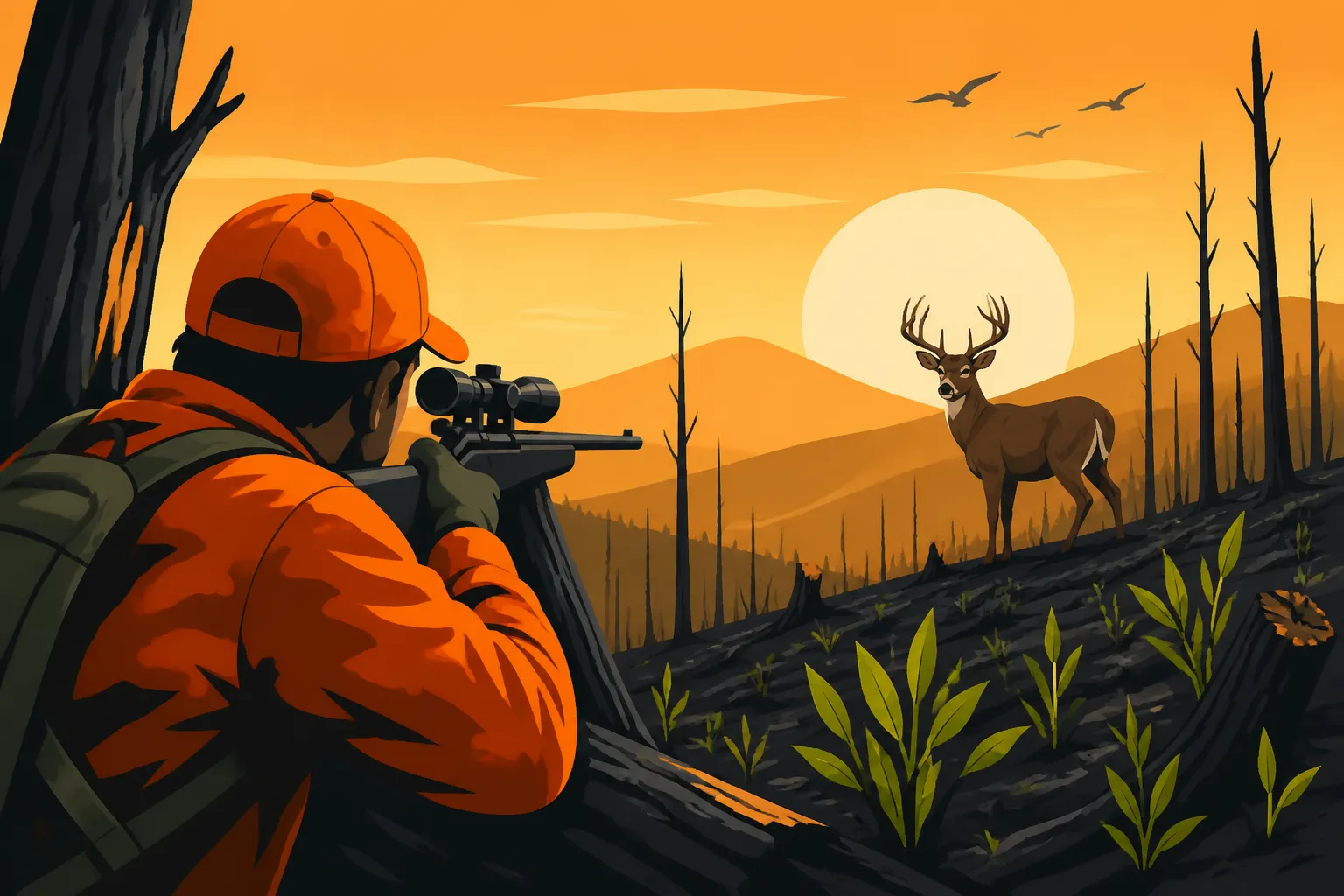
Initially, deer might be displaced. Who wants to hang around a smoky, smoldering area? They’ll move to adjacent unburned areas, or simply push deeper into cover. But don't let that initial absence fool you. The fire quickly clears out deadfall, old brush, and dense canopy, creating open travel lanes that were previously impenetrable. This alone makes a big difference. Think about it: a deer expends less energy moving through a more open forest floor. More importantly, sunlight can finally reach the forest floor, stimulating an explosion of new growth. Tender green shoots, herbaceous plants, and regenerating browse, rich in nutrients, quickly emerge. These fresh shoots are far more palatable and digestible for deer than the tough, woody older growth they were used to. It's like turning an old, overgrown garden into a freshly tilled, nutrient-rich plot ready for a new crop. For hunters, this initial phase, even with its visual shock, means improved visibility for glassing and stalking, and clearer indicators of deer movement as they return to sample the new buffet.
Long-Term Habitat Improvement and Deer Health
The real magic of a prescribed burn unfolds over months and even years. This isn't just a temporary boost; it's a foundational improvement to the ecosystem. After the initial flush of green, the ecosystem enters a period of successional growth. Deciduous trees and shrubs that were once shaded out now thrive, offering a greater diversity of forage. Acorn production might initially be impacted if oak trees are stressed, but over time, healthy oaks benefit from reduced competition, leading to better mast crops.
The soil itself reaps benefits. Fire recycles nutrients, releasing them from decaying vegetation and making them available for new plants. This increased nutrient availability translates directly to better forage quality, which in turn leads to healthier deer. Healthier deer means stronger fawns, better antler growth for bucks, and overall improved herd vitality. California Deer Herd Size is often directly linked to habitat quality, and burns are a key management tool. Over time, these burns create a mosaic of habitat – patches of new growth mixed with unburned areas for cover – that is ideal for deer. This patchwork provides both food and security, which are the two most critical components for any deer habitat. It’s also important to remember that burning helps control invasive species and reduce disease vectors, contributing to the overall resilience of the ecosystem.
Let's look at the breakdown of how these burns benefit deer.
| Aspect of Burn | Short-Term Benefit (Months 0-12) | Long-Term Benefit (Years 1-5+) |
|---|---|---|
| Vegetation | Flush of new, nutrient-rich growth | Diverse, healthy browse; increased forage production |
| Visibility | Cleared understory, easier to spot deer | Open travel corridors, varied cover options |
| Forage Quality | Highly palatable new shoots | Sustained nutrient availability, diverse food sources |
| Travel | Easier movement for deer and hunters | Reduced energy expenditure for deer |
| Predator Avoidance | Easier for deer to detect predators in open areas | Varied cover allows for strategic hiding and escape routes |
| Soil Health | Nutrient release from ash | Improved soil structure, sustained fertility |
Scouting a Burn Unit for Deer Movement
Alright, so we understand why burn units are good, but finding deer in what can still look like a chaotic mess requires a different scouting approach. You can't just walk your usual trails and expect the same results. It's about looking for patterns within the chaos.
Identifying Key Areas Within the Burn
Deer are creatures of habit and efficiency. Even in a burned area, they're looking for the path of least resistance to food, water, and cover. Your job as a scout is to find these newly defined pathways and hot spots. The most critical areas to focus on are the edges where the burn meets unburned territory. Deer will often stage in the unburned cover during daylight hours and then move into the burned areas to feed, especially at dawn and dusk. These "transition zones" are goldmines for ambushing deer.
Look for unburned pockets or "islands" of vegetation within the burn. These could be patches of resilient oaks, dense stands of brush, or even just small draws that the fire skipped over. These pockets become critical bedding and hiding spots within a more open landscape. Deer feel secure in these islands, and they'll often venture out from them to feed.
Drainages and natural travel corridors are always important, but they become even more pronounced in a burned unit. The fire often burns hotter up slopes and may skip wetter, lower areas, inadvertently creating green strips along creek beds or in shady canyons. These act as natural highways for deer moving through the landscape. Using a mapping application like onX Hunt or GoHunt is absolutely crucial here. You can overlay burn perimeters, topographical maps, and public land boundaries to identify these features before you even step foot in the woods. Pay close attention to subtle changes in elevation, saddles, and benches within the burn, as these will naturally funnel deer movement. You can learn a lot about Reading Aerial Photos for Sierra Deer when examining a burn unit, identifying these strategic features.
Reading Sign in a Burned Landscape
Finding sign in a burn unit can be both easier and harder. The black ash, while initially messy, can sometimes reveal tracks with startling clarity, especially after a light rain or morning dew. Look for fresh tracks leading into and out of feeding areas or along the edges of unburned cover. Droppings are another key indicator; fresh pellets usually mean deer are actively using that area. You'll need to develop an eye for it, as old sign might still be present, but you're looking for shiny, moist droppings, or tracks that haven't been disturbed by wind or rain.
Perhaps the most important sign to look for is browsing on new growth. Deer are selective eaters, and they'll nip off the most palatable parts of plants. Examine regenerating shrubs and herbaceous plants for clipped stems or torn leaves. This tells you exactly what they're eating and where. If you find heavy browsing, you've found a feeding hot spot. Remember, the landscape has changed, so their old feeding areas might not be as attractive. They'll gravitate to where the new, tender shoots are emerging. Bedding areas will often be on small rises or benches just inside unburned pockets, or tucked against logs that survived the fire. Look for flattened areas, especially where there's still some overhead cover from remaining limbs or brush. It's a challenging environment, but with patience, you'll start to see the patterns. Take your time, walk slowly, and use your eyes. Scouting With the CDFW Hunting App can help you mark these locations for future reference.
Effective Hunting Strategies for Burn Units
Hunting a burn unit isn't just about finding deer; it's about adapting your entire approach to the unique environment. The rules of engagement often change significantly.
Spot-and-Stalk Techniques
This is where a burn unit can truly shine. With the understory often cleared, visibility is dramatically enhanced. You might be able to see hundreds of yards further than you could before the fire, especially on hillsides and open slopes. This makes spot-and-stalk hunting incredibly effective.
Position yourself on high ground overlooking large swaths of the burn, especially areas where new growth is coming in strong. Use quality optics – good binoculars and a spotting scope are indispensable – to systematically glass the terrain. Look for movement, a flick of an ear, the shine of an antler, or a distinct deer shape against the charred background. Deer can blend in, so scan slowly and carefully. Patience is key here. Once you spot a deer, the real work begins. You'll need to plan your approach carefully, taking advantage of any remaining cover, understanding Wind and Thermals in Steep Sierra Country, and using the terrain to break up your silhouette. The exposed ground means you have fewer places to hide, so moving slowly and deliberately is more important than ever. Being able to Glassing a Canyon for a Bedded Buck from a distance will give you a huge advantage. Because of the open nature, longer shots might be more common, so practice your shooting at varying distances and ensure your rifle is sighted in perfectly with your chosen non-lead ammunition.
Stand and Ambush Hunting
Even with increased visibility, deer will still use predictable routes, especially between bedding and feeding areas. This makes stand hunting or ambushing from a concealed position a viable strategy. Focus on pinch points, which might be new or more defined after the fire. A narrow strip of unburned timber between two larger burned areas, or a single drainage that remains green, can act as a natural funnel.
Water sources are always critical, but even more so if smaller seeps or springs have dried up, concentrating deer around the remaining reliable water. Setting up a ground blind, carefully brushed in with local vegetation, near these key areas, especially during morning or evening hours, can be very productive. Remember that deer will be on high alert in these more open landscapes, so scent control and remaining absolutely still are paramount. You want to blend into the environment completely. Target those transition zones where deer leave the safety of unburned cover to venture into the new forage. Consider Hunting a Ridge-Top Saddle at First Light if it connects two areas deer are using. If you found a specific patch with heavy browsing, positioning yourself downwind and well-concealed nearby could lead to success.
Adapting Gear for Burned Terrain
Your gear choices also need a slight adjustment for burn units. First and foremost, durable boots are a must. The ground can be uneven, full of ash, and riddled with hidden snags and sharp debris. You'll be walking through soot and potentially over hot spots or unstable ground, so robust footwear with good ankle support is critical. Best Boots for Steep Wet-Season Sierra Trails will often be suitable for this type of terrain as well, even if the conditions aren't wet.
For clothing, consider slightly darker camo patterns that blend with the charred landscape. While traditional camo works, something with more dark greys and blacks can help you disappear against burned timber. Scent control becomes even more important as the ash can hold human scent, and there's less thick cover to break up your scent cone.
A good rangefinder is non-negotiable. The altered landscape can play tricks on your eyes, making distances hard to judge. What looks like 200 yards might be 300, or vice-versa, especially if all your usual reference points are gone. Optics with good light-gathering capabilities are also beneficial for those low-light movements at dawn and dusk. Remember that the California non-lead ammunition requirement is always in effect, so make sure your rifle is sighted in with the appropriate projectiles.
Navigating Challenges and Safety in Burned Areas
While prescribed burn units offer exciting hunting opportunities, they also present unique challenges and safety concerns that every hunter needs to be aware of before heading afield.
Terrain Hazards and Environmental Concerns
The most immediate danger in a freshly burned area is unstable terrain. Fire weakens trees, and "snags" – standing dead trees – can fall without warning, especially on windy days or after heavy rains. The ground can also be treacherous; ash pits can hide deep holes or smoldering debris that can cause serious burns or lead to falls. Always be aware of your footing and surroundings.
Water sources can also be compromised. Ash and debris can contaminate streams and springs, making them unsafe to drink without proper filtration or treatment. Always carry sufficient water, or have a reliable filtration system. The loss of canopy cover means significantly less shade, making sun exposure and heat exhaustion a real concern, especially during early seasons like When Zone A Archery Season Opens. Dress in layers, wear a wide-brimmed hat, and stay hydrated. Additionally, erosion can be a major issue after a fire, leading to unstable slopes and potential landslides, particularly in steep country. Pay close attention to recent weather and avoid areas prone to slides. This is especially true if you are planning to go Hunting California's Sierra Nevada Backcountry after a fire.
Legalities and Public Access Considerations
Just because an area has burned doesn't automatically mean it's open for hunting, or even open for public access. Fire recovery efforts can lead to long-term closures of specific areas for public safety or ecological restoration. Always check with the California Department of Fish and Wildlife (CDFW) and the managing land agency (like the Forest Service or BLM) for current closure orders before you plan your hunt. These closures can be dynamic, so it's best to check regularly, even up to the day before your trip.
Mapping apps like onX Hunt or GoHunt are invaluable for confirming public land status and identifying any specific closure boundaries. These tools often update quickly with relevant information. Understand that while the landscape is regenerating, some areas might be designated as regeneration zones where access is restricted to minimize disturbance. Abide by all signage and official directives. Don't assume that if a road is open, all adjacent land is open too. Review Vehicle Rules on California Public Land as these can change rapidly in fire-affected areas, and always be mindful of Trail Camera Rules on California Public Land if you're using them, as they are often prohibited in areas designated for restoration. Always verify land status and regulations to avoid accidental trespass or violating closure orders, which can lead to hefty fines and damage your reputation as a responsible hunter. Remember, there can be significant Hunting Pressure on California Public Land, and areas that have recently opened after a burn can attract even more attention.
Disclaimer
This article is for general informational purposes only and does not constitute professional advice. Laws, prices and regulations vary by location and change over time. Consult a qualified professional for guidance on your specific situation.