Hunting Small Private Tracts in California
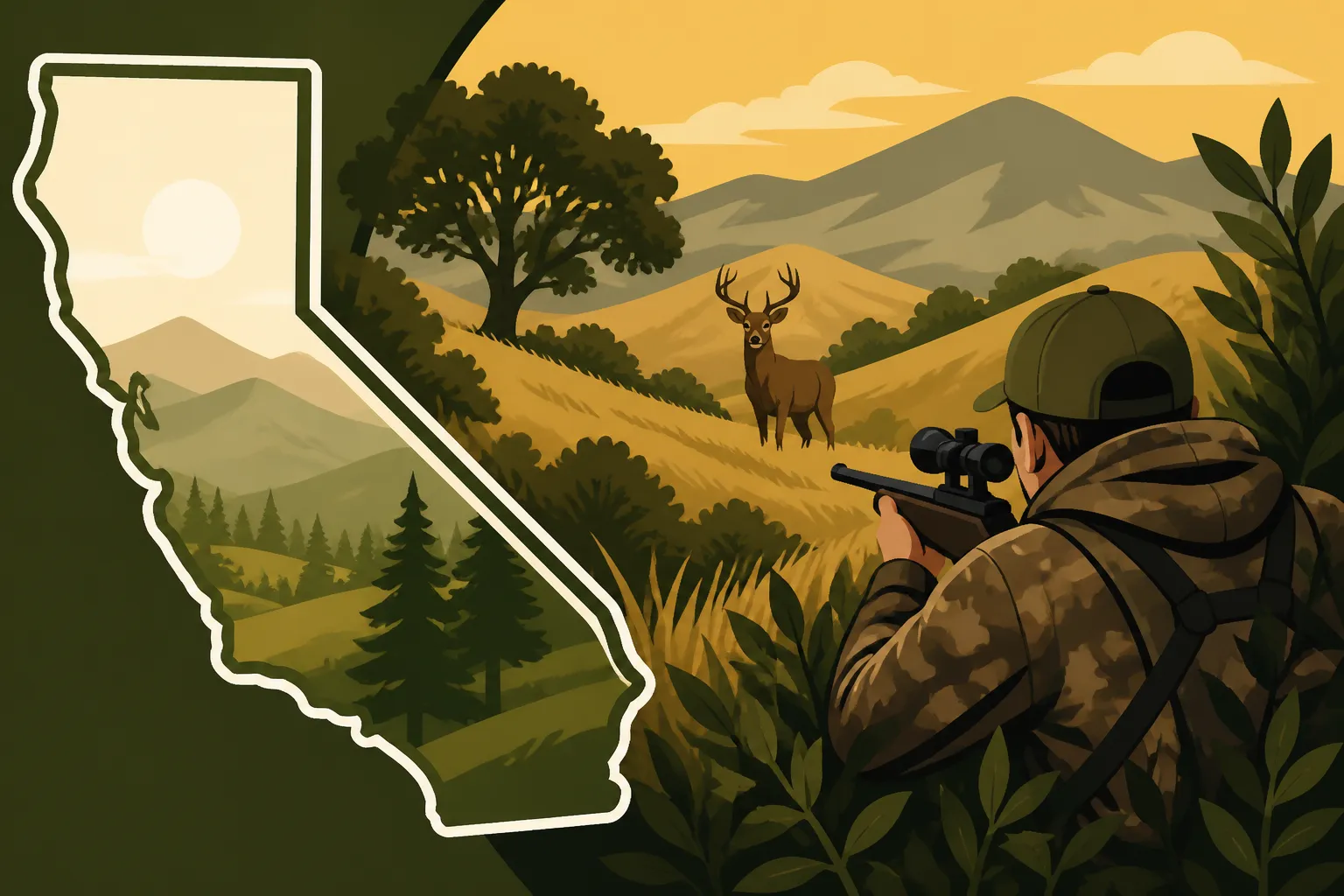
Hunting in California can feel like an uphill battle, especially when you’re constantly bumping into other hunters on what feels like overcrowded public land. It’s frustrating to spend countless hours scouting, only to find fresh boot prints or another truck parked at your chosen trailhead. This guide is all about helping you navigate the world of small private tracts, showing you how to find them, gain access, and effectively hunt these often-overlooked gems for a more rewarding and less pressured experience.
The Reality of Hunting Pressure on California Public Land
Let's be honest, California's public lands, while vast, can feel pretty darn small during hunting season. We all dream of untouched wilderness, but the reality for many hunters is shared pressure, especially in easily accessible areas. It's a common complaint, and for good reason: fewer accessible private lands mean more people converge on the public ground.
Understanding Public Land Limitations
When opening day hits, or even during archery season, it's not uncommon to find that your "secret" spot isn't so secret after all. Popular hunting zones, particularly those with good road access or historical success, get hammered year after year. This intense pressure can make game animals nocturnal, push them into thicker cover, or send them fleeing to private parcels where they feel safer. You might be putting in all the work scouting, learning the land, and patterning deer, only to have another hunter walk through your setup or spook the very animal you've been after. This constant competition isn't just a nuisance; it genuinely impacts your chances of success and the overall quality of your hunt. For those looking for a different approach, understanding these limitations is the first step toward exploring alternatives like hunting a California BLM Desert Wash for Deer, which might offer a bit less pressure but still comes with its own set of challenges.
Why Small Private Tracts Offer an Advantage
This is where small private tracts shine. Imagine a parcel of land, maybe 40 to a few hundred acres, that no one else is hunting. The game animals on these properties typically experience significantly less pressure. They might move more freely during daylight hours, follow more natural patterns, and generally be less wary of human presence. Small tracts are often overlooked by larger hunting clubs or lease agreements, making them more approachable for individual hunters willing to put in the legwork. A small woodlot next to a farm, a creek bottom tucked behind a housing development, or even a rancher's unused corner pasture can hold resident deer, wild pigs, or turkeys that rarely see a hunter. These areas might not be glamorous, but they can offer incredibly high-quality, low-pressure hunting experiences, a stark contrast to the crowds you might find when still-hunting California's Sierra Nevada Timber.
How to Find and Secure Small Private Tracts
Finding and securing access to private land in California is a challenge, no doubt about it. It requires persistence, good communication skills, and often a bit of luck. But the rewards for your effort can be substantial, opening up opportunities that public land simply can't match.
Knocking on Doors: The Traditional, Yet Effective, Approach
This is the classic method, and while it might feel intimidating, it’s often the most successful way to gain access to those smaller, overlooked parcels. Start by identifying potential properties on maps. Look for parcels adjacent to public land, or those that have natural wildlife corridors like creeks or oak woodlands. Then, prepare yourself. Dress neatly and respectfully – no camo or muddy boots. Have a clear, concise pitch ready, explaining who you are, what you're asking for, and why you believe your presence could benefit them. Focus on problem animals like wild pigs or coyotes, or offer to help with chores around the property.
Timing is key; avoid showing up during busy times like meal hours or early mornings. Late afternoons or weekends when people are typically home and more relaxed can be better. Be prepared for rejection, and handle it gracefully. A "no" today doesn't mean a "no" forever. Sometimes, simply leaving your contact information and a polite note can pay off down the road. Remember, you're not just asking to hunt; you're trying to build a relationship. For more detailed advice, check out the article on how to best approach a landowner: Knocking on Doors in California Ranch Country.
Leveraging Technology and Networks
In this modern age, technology can significantly streamline your search for private hunting grounds. Online mapping tools are your best friend here. Platforms like GoHunt, OnX Hunt, or BaseMap allow you to see property boundaries, landowner names, and often even contact information. You can overlay aerial imagery, topo maps, and public land boundaries to identify promising private parcels that border prime habitat or known game movement corridors. These tools can save you hours of driving and knocking on doors aimlessly.
Beyond mapping, local networks are incredibly valuable. Talk to feed store owners, taxidermists, farm equipment dealers, and even local coffee shop patrons. These folks often know who owns what and might be able to put in a good word for you, or at least point you in the right direction. Online hunting forums specific to California can also be a source of information, though you'll need to sift through a lot of chatter. Don't underestimate the power of simply asking around in the local community. Many people know a landowner who might be dealing with too many deer or wild pigs and would welcome a respectful hunter.
Offering Value Beyond Just Hunting
Landowners are often wary of hunters for various reasons: liability, property damage, or just the hassle. To overcome this, think about what you can offer them in return for access. Wild pigs, for instance, cause significant damage to crops, fences, and irrigation systems. Offering to help with pest control – managing the local pig population – is a huge incentive. Similarly, coyotes can be a problem for livestock.
Consider offering your services beyond just hunting. Can you help fix a fence, clear some brush, or assist with light ranch chores? Building a relationship where you are seen as a responsible, helpful individual rather than just someone who wants to take something, drastically increases your chances of gaining access. Many landowners appreciate responsible hunters who understand local wildlife patterns, especially for managing game after a poor acorn year, which can affect deer distribution. A deer damage permit, which allows farmers to cull problem deer, could also be an avenue to explore for access if you're willing to help a farmer.
Strategies for Hunting Small Private Tracts Effectively
Once you've secured permission, the real work (and fun!) begins. Hunting small private tracts requires a different mindset and approach than sprawling public lands. You need to be even more detail-oriented and conscientious.
Thorough Scouting and Understanding Micro-Habitats
Even on a smaller parcel, thorough scouting is paramount. You can't just walk around for a day and expect to know the property. Walk every inch of it, looking for subtle funnels, bedding areas, travel corridors, and feeding sites. Pay close attention to fresh sign: tracks, droppings, rubs, scrapes, and feeding activity. Identify the prime bedding cover – often dense brush, creek bottoms, or thickets that offer security. Determine entry and exit routes for animals and, just as importantly, for yourself without disturbing them.
A small tract might have multiple "micro-habitats" – a small oak flat, a brushy hillside, a narrow creek bottom, or a transition zone between open pasture and timber. Each of these will attract and hold game differently. Understanding these nuances will help you predict animal movement. Utilize trail cameras strategically to pattern deer movement and identify specific animals. Unlike vast public lands where deer might wander for miles, deer on small private tracts tend to have more defined home ranges, making them more predictable if you do your homework. Consider applying techniques like reading California mud for fresh deer movement to fine-tune your understanding of current activity.
Minimizing Pressure and Maintaining Respect
The absolute key to long-term access on private land is to minimize your impact and maintain the landowner's trust. This means scouting without disturbing game, hunting smartly, and respecting boundaries. If you have permission for a specific area, stick to it. Avoid driving vehicles through fields unless explicitly allowed. Always leave gates as you found them – if it was closed, close it behind you; if it was open, leave it open. Pack out everything you pack in, including spent casings and trash.
Be mindful of your hunting pressure. If it's a small tract, one hunt might be enough to push deer into neighboring properties for a few days. Consider hunting only during prime times or rotating your approach to different parts of the property to avoid over-pressuring the animals. Always communicate with the landowner about your plans, any game you harvest, and any observations you make (e.g., fence damage, trespassers). Building this consistent communication will solidify your relationship.
Adapting Tactics to Limited Space
Hunting a small private tract often means adjusting your typical strategies. Forget long-range glassing across huge canyons; here, it's about close-quarters hunting. Ground blinds or well-brushed-in treestands can be incredibly effective, especially if placed strategically along known travel routes or near bedding areas. For example, setting up against a big valley oak can offer natural cover and a commanding view. Consider using smaller, mobile stands that you can move as conditions change or game patterns shift.
Entry and exit routes are critical. You need to get into your stand or blind without spooking game already on the property. Use natural terrain features or cover to conceal your approach. On smaller parcels, wind direction becomes even more crucial; a single wrong gust can ruin your hunt. If you're hunting a funnel between two oak ridges, make sure your scent cone is blowing away from the expected travel path. Tactics like still-hunting can also be highly effective in thick cover, allowing you to move slowly and deliberately through areas animals are likely to use.
Navigating Legalities and Landowner Relationships
Understanding the legal framework and fostering a strong relationship with the landowner are not just good practices; they are essential for ethical and sustainable hunting on private land.
Understanding California Trespass and Permission Law
In California, hunting on private land absolutely requires explicit permission from the landowner. Ignorance of this law is not an excuse, and violating it can lead to severe penalties, including fines, loss of hunting privileges, and even jail time. It's not enough to assume land is unposted or unfenced; you must have permission. This permission should ideally be in writing, detailing the specific areas you can hunt, the dates, and any other agreed-upon conditions. The article, What California Trespass Law Requires, offers a deep dive into the specifics of these regulations. This is particularly important because simply retrieving game from private land in California without permission, even if you shot it legally on public land, is also considered trespassing.
Building and Maintaining Trust
Trust is the bedrock of any successful private land hunting agreement. It's earned through consistent, respectful behavior. Always follow through on your promises, whether it's helping with chores, providing game harvest updates, or simply being courteous. If you say you'll hunt a specific day, stick to it or communicate any changes. If the landowner asks you not to drive through a certain field, respect that request without question.
Be a good neighbor to adjoining properties as well. Do not trespass onto neighboring lands, even if game crosses a fence line. Ask the landowner if you should introduce yourself to their neighbors to allay any concerns. Remember, you are a guest, and your actions reflect not only on you but potentially on other hunters seeking access. A positive impression can lead to years of enjoyable hunting and even open doors to other opportunities, such as finding a California hunting lease or joining a hunting club.
Written Agreements and Expectations
While not always required for smaller tracts, a simple written agreement can prevent misunderstandings down the road. This document doesn't need to be complex; a simple letter outlining the terms of your access, the dates, species you can hunt, and any specific rules (e.g., no ATVs, specific parking areas) can be incredibly helpful. It protects both you and the landowner. It shows you're serious and responsible, and it provides a clear reference point if any questions arise. This formalization of an agreement is especially useful when considering things like how to register a California deer online after a successful hunt, as clear communication makes the process smoother for everyone involved.
| Feature | Small Private Tracts (with permission) | Public Land (easily accessible) |
|---|---|---|
| Hunting Pressure | Low to none; often exclusive | High; many hunters competing for space |
| Game Behavior | Less wary, more predictable daylight movement | Nocturnal, very wary, often pushed to thick cover |
| Access Difficulty | High; requires proactive relationship building | Easy; generally open to all license holders |
| Scouting Effort | Intensive, micro-level; highly rewarding | Extensive, macro-level; often impacted by others |
| Rules & Regulations | CDFW rules + landowner specific rules | Strictly CDFW rules; can be complex (e.g., lead ammo) |
| Game Quality | Often higher due to less pressure; resident animals | Varies widely; can be good in remote or difficult spots |
| Experience | Quiet, intimate, focused; strong sense of accomplishment | Challenging, crowded, competitive; rewards perseverance |
Disclaimer
Please ensure you are fully aware of and comply with all current California hunting regulations, licensing requirements, and landowner permissions. Hunting laws, especially regarding non-lead ammunition and reporting, are subject to change, so always check the latest California Department of Fish and Wildlife (CDFW) guidelines before heading afield. Stay safe and hunt ethically.