How Many Bears California’s Quota Allows
If you've ever geared up for California's black bear season, you know the unique mix of excitement and uncertainty that comes with it. Unlike deer or wild pig hunting, where your tag is simply good for a set period, bear hunting in our Golden State operates under a statewide quota system. This means the season isn't just about the calendar; it's about how many bears are harvested across California, and hitting that magic number can shut things down unexpectedly, leaving many hunters frustrated and wondering exactly what the deal is. This guide will demystify California's bear quota, explaining how it works, what it means for your hunt, and how to stay informed so you can make the most of your time afield.
Understanding California's Bear Quota System
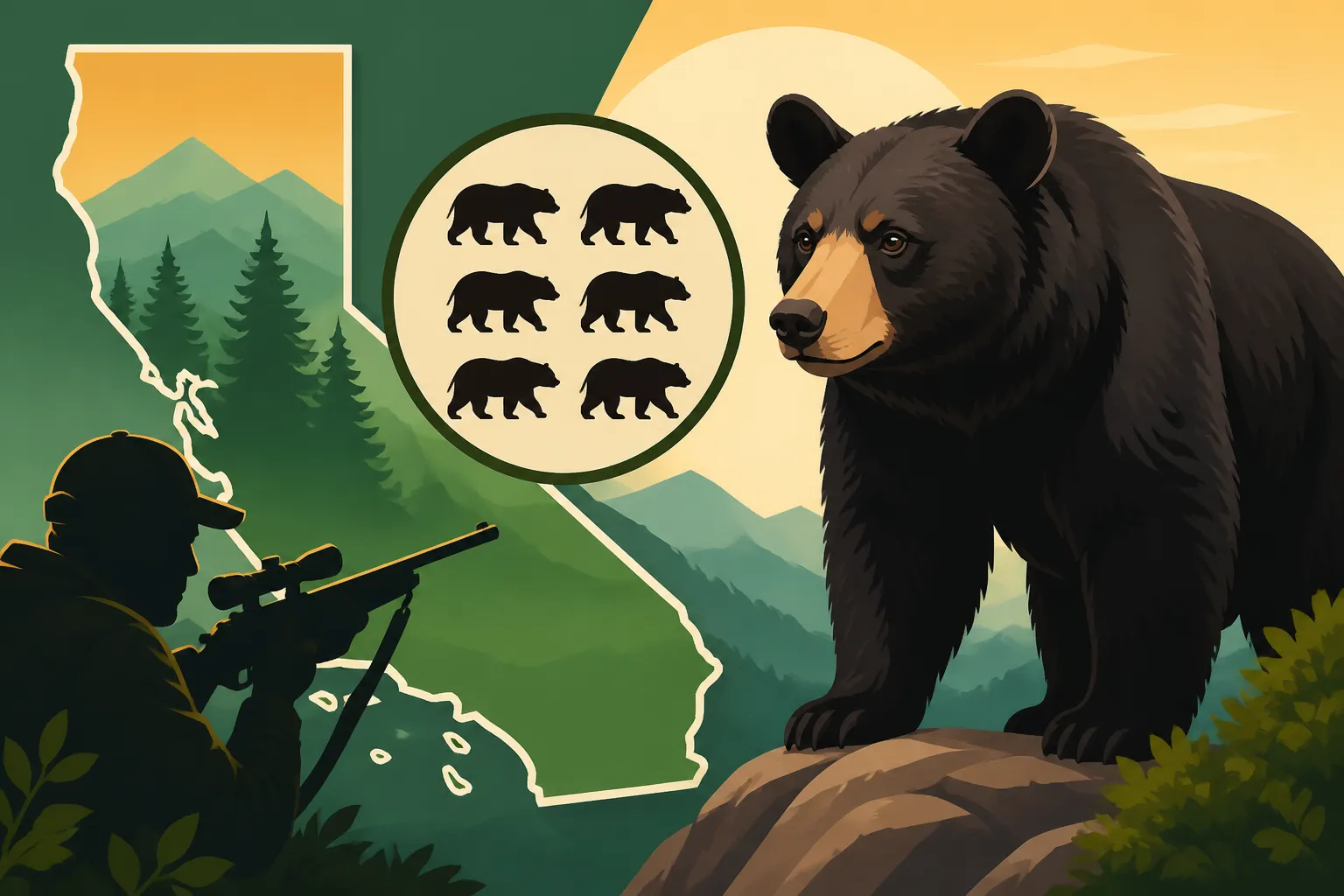
California's approach to black bear management is rooted in a fundamental understanding of conservation: maintaining a healthy, sustainable population while providing hunting opportunities. This delicate balance is largely achieved through the implementation of a statewide harvest quota. For years now, that number has been set at California's 1,700-Bear Statewide Quota, a figure that represents the maximum number of black bears that can be legally taken by hunters across the entire state in a given season.
This quota system is a critical departure from how many other game species are managed. For instance, with deer, you apply for a tag in a specific zone, and once you have that tag, you can hunt throughout the specified season dates for that zone, regardless of how many other hunters are successful. But with bears, every single harvest, from the Redwood Coast to the high Sierra Nevada, contributes to that overarching 1,700-bear limit. It's a testament to the state's commitment to proactive wildlife management, especially for a species that rebounded significantly from historical lows. The quota ensures that the black bear population remains robust and healthy for future generations.
The decision to move to a quota system stemmed from a desire to more precisely manage harvest rates and respond dynamically to population trends. Rather than simply relying on fixed season dates, which might lead to overharvest in years of high hunter success or underharvest in years of low success, the quota allows the California Department of Fish and Wildlife (CDFW) to intervene and close the season once the biological threshold is met. This provides an additional layer of protection for the species, acting as a "safety valve" on the hunting pressure. It also means that every hunter needs to be aware of the constantly shifting landscape of the season, which can be a real challenge if you're not staying on top of the latest information.
How the Bear Quota is Determined and Monitored
The 1,700-bear statewide quota isn't just a random number pulled out of a hat; it's the result of extensive scientific research and ongoing population monitoring by the CDFW. Wildlife biologists conduct studies on bear populations, using methods like mark-recapture, DNA analysis from hair snares, and den surveys to estimate the overall number of black bears in California and assess their health and reproductive rates. They look at factors like habitat availability, cub survival rates, and general population trends to determine what a sustainable harvest level looks like. This scientific data forms the backbone of the quota, aiming to ensure that hunting doesn't negatively impact the long-term viability of the species.
Once the season opens, typically with the start of the California Bear Archery Season Dates and the California Bear General Season Dates, the monitoring becomes a real-time effort. Every hunter who successfully harvests a bear is legally required to report their take to the CDFW immediately. This isn't just a suggestion; it's a mandatory step that feeds directly into the quota tracking system. Hunters must contact CDFW by phone, online, or through a designated check station to report their bear. This immediate reporting is crucial because it allows the CDFW to keep a running tally of the statewide harvest.
The CDFW maintains an online public-facing counter where hunters can check the current harvest total. This is your lifeline during the season. You can usually find this on the CDFW's main hunting page, specifically under the bear hunting regulations. While it's generally updated regularly, it's important to remember there can be a slight lag between a bear being reported and that number showing up on the public counter. This isn't due to negligence but simply the processing time involved in verifying reports.
Many dedicated bear hunters also rely on third-party resources and online communities for up-to-the-minute chatter and observations. Services like GoHunt often provide forums or news feeds that highlight when the quota is getting close, compiling information from various sources to give hunters a better sense of the developing situation. While these platforms can be invaluable for anecdotal evidence and community discussion, always cross-reference with the official CDFW channels for the most accurate and legally binding information on the quota status. Having a robust strategy for "Checking Whether the Bear Quota Has Closed" is paramount to a successful and legal hunt.
Here’s a simplified look at how the CDFW tracks the quota:
| Step | Description | Hunter's Responsibility |
|---|---|---|
| 1. Season Opens | California's general bear season begins, often overlapping with specific archery-only periods. | Be aware of the California Bear General Season Dates and your tag's validity. |
| 2. Hunter Harvests Bear | A hunter successfully takes a black bear. | Field tag the bear immediately and preserve the skull for mandatory inspection. |
| 3. Mandatory Reporting | The hunter must report the harvest to CDFW within 24 hours of taking the bear, or within an even shorter timeframe (often by midnight of the day of kill) depending on regulations. | Report the bear via the CDFW website, mobile app, or designated phone number. This contributes directly to the statewide tally. |
| 4. CDFW Updates Tally | CDFW staff receive reports and update the official statewide harvest total on their public website. | Regularly check the official CDFW website for the current quota status. Consider using scouting apps with integrated data feeds or community updates like GoHunt. |
| 5. Quota Approaching Threshold | As the harvest total nears the 1,700 limit, CDFW will issue warnings. | Pay close attention to CDFW announcements and be prepared for a potential early closure. |
| 6. Quota is Met / Season Closure | Once 1,700 bears are reported, CDFW officially closes the season, typically with 48 hours' notice. | Stop all bear hunting activity immediately upon official closure, regardless of whether your individual tag dates are still open. |
What Happens When California's Bear Quota is Met
This is where the rubber meets the road for bear hunters in California. Unlike a typical deer season where you know your exact end date, the bear season comes with an inherent uncertainty. The moment the CDFW determines that the statewide harvest has reached the 1,700-bear quota, a chain of events is set in motion that culminates in an immediate season closure. This can happen at any time, often with little warning beyond the 48-hour heads-up that CDFW typically provides to allow hunters to wrap up their efforts. This is "What Happens When the Bear Quota Fills Early," and it's a reality every bear hunter must contend with.
When the quota is met, the CDFW issues an official announcement. This notice is usually posted prominently on their website, sent out through their news release channels, and often disseminated through social media and hunting advocacy groups. It's not uncommon for local sporting goods stores and outfitters to also receive and share this information, as they are often a hub for hunter activity. For a hunter in the field, this sudden closure can be incredibly frustrating, especially if you've invested time, money, and effort into a hunt. Imagine being deep in the backcountry, perhaps still-hunting California's Sierra Nevada timber or even "Glassing a Burn Scar for a Feeding Bear," only to return to cell service and find out the season has been over for a day or two.
The impact on hunters is profound. If you haven't filled your tag by the time the season closes, that tag becomes invalid, and you simply lose the opportunity for the year. There are no refunds, no extensions, and no second chances. This is precisely why diligent monitoring of the quota is so important. Many hunters find themselves debating whether to push harder earlier in the season, knowing that waiting too long might mean missing out. This dynamic significantly influences hunting pressure, often concentrating efforts during the initial weeks of the season, particularly in accessible areas or those known for strong bear populations.
Ethical considerations also come into play. It is absolutely critical that hunters immediately cease all bear hunting activities once the official closure is announced, even if you still have an unpunched tag. Continuing to hunt after the season has closed, even inadvertently, can lead to severe penalties, including fines, license revocation, and equipment confiscation. It’s not just about legal compliance; it’s about respecting the wildlife management system that allows us to hunt in the first place. You wouldn't want to be the one bear reported that pushes the quota over the limit and accidentally violates the rules.
Strategies for Hunting Under a Quota System
Hunting black bears in California isn't just about finding the animal; it's about navigating a dynamic regulatory landscape that can change mid-season. Successfully hunting under a quota system requires a blend of preparation, flexibility, and constant vigilance.
One of the most common strategies among experienced California bear hunters is to prioritize early season hunting. The logic is simple: the quota is almost certainly open at the beginning of the season, and you have the maximum amount of time to fill your tag before the statewide harvest total climbs too high. This often means targeting the California Bear Archery Season Opening Day or the California Bear General Season Opening Day, even if it means hunting in warmer weather. This strategy might involve planning a "Spot-and-Stalk Bear Hunting a Berry Patch" during late summer when bears are actively feeding, or focusing on high-elevation areas where bears are more concentrated before cold weather drives them lower.
Scouting becomes an even more critical component of your preparation. Because you want to maximize your chances early, you can't afford to waste time looking for sign once the season starts. Pre-season scouting, utilizing tools like GoHunt's mapping features, can help you identify prime bear habitat, locate reliable food sources (like acorn flats or berry patches), and determine travel corridors. You want to have a solid game plan before you ever step foot in the woods with your tag. Knowing where to go and having a good idea of bear activity will save you precious time when every reported bear counts against the statewide quota.
Flexibility is key. Life happens, and sometimes you can't be in the field the moment the season opens. If you're planning a hunt later in the season, you absolutely must be prepared to drop everything and go if the quota starts getting dangerously close to the limit. This might mean taking an unplanned day off work or shifting your hunting plans on short notice. Having your "Gear for Spot-and-Stalk Bear Hunting" packed and ready to go can make a huge difference in these situations. Think about what you'll need for a quick trip: appropriate clothing for the conditions (even "Layering for Hot-to-Cold Zone A Archery Days" can apply to early bear season), your rifle or bow, optics, and field dressing supplies.
Staying informed is perhaps the single most important piece of advice. Make it a habit to check the CDFW's official bear harvest update page regularly, even daily, once the season begins. Consider signing up for email alerts from CDFW, if available, or following their social media channels for real-time announcements. Many hunters also subscribe to hunting news services or participate in online forums where information about the quota status is shared and discussed. While unofficial sources should always be cross-referenced, GoHunt’s invaluable resources and community features can keep you in the loop on general trends and observations from other hunters in the field. This proactive approach ensures you're aware of the situation and can make informed decisions about when and where to hunt. Remember, your individual tag is only valid as long as the statewide quota remains open.
Finally, while the quota is statewide, understanding regional bear populations can also help. Reviewing resources like the "California Black Bear Population Estimate" or "California Bear Density by Region" can help you identify areas with higher bear concentrations, which might offer better odds for success. This data can inform your scouting and help you prioritize where to focus your efforts, especially if time is limited and the quota is nearing its limit. Knowing how many bears California's quota allows is one thing; understanding the underlying science and adapting your strategy accordingly is quite another.
Disclaimer
Please note: Hunting regulations in California are subject to change. Always consult the latest official California Department of Fish and Wildlife (CDFW) regulations and advisories before planning or undertaking any hunting activity. This guide is for informational purposes only and does not constitute legal advice.