Checking Whether the Bear Quota Has Closed
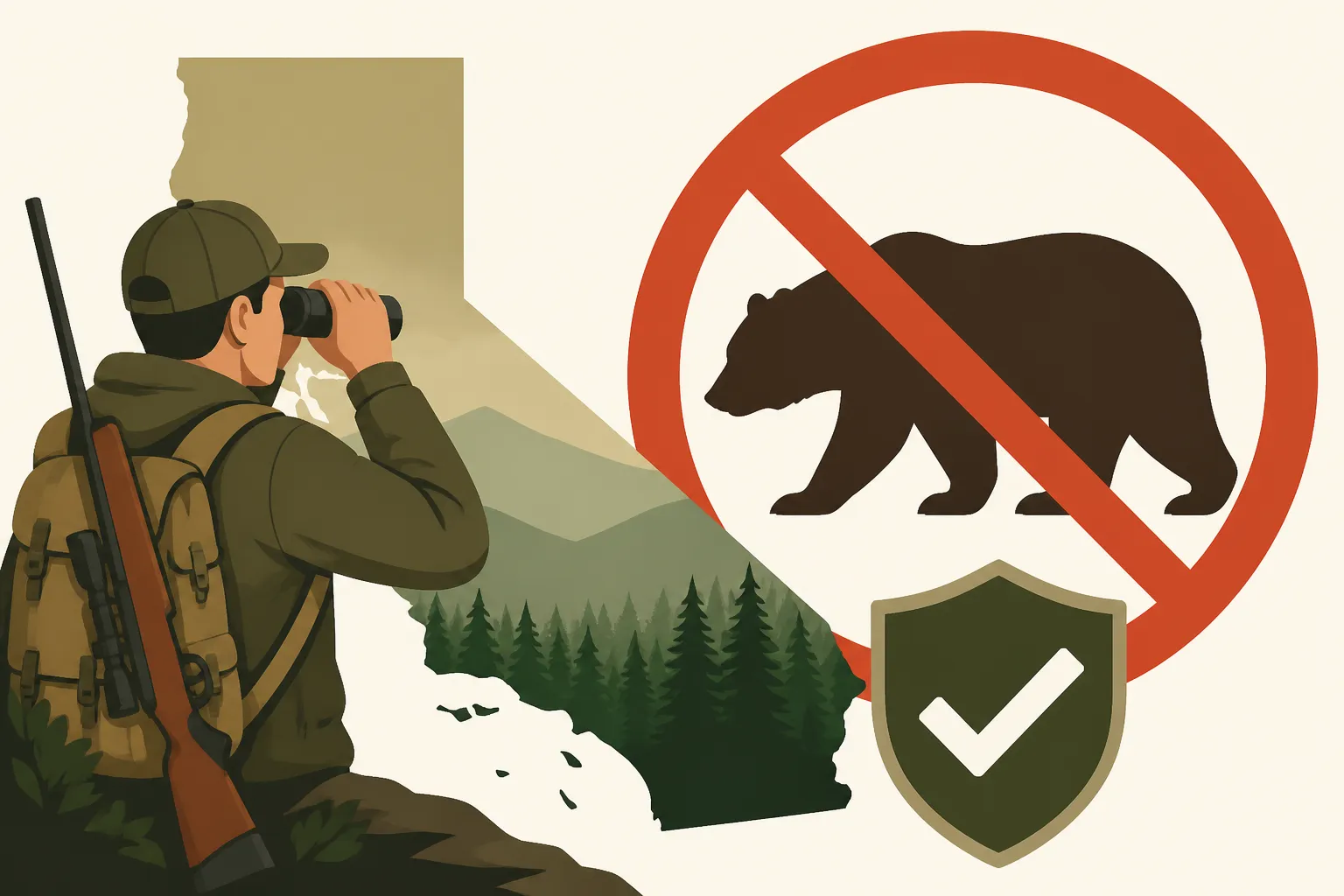
There's nothing quite like the rush of preparing for California's bear season, but that excitement often comes with a unique layer of stress: the statewide quota. Unlike deer or turkey seasons that close on a set calendar date, bear season can end abruptly once a specific harvest number is met, leaving hunters wondering, "Is the season still open?" This guide is designed to cut through that uncertainty, providing you with all the essential ways to reliably check the current bear quota status, ensuring you're always hunting legally and with peace of mind.
Understanding California's Bear Quota System
California's bear hunting regulations are a bit different from many other game species, primarily because of a statewide quota that dictates when the season officially ends. This system is in place for very good reasons, but it also means hunters need to be extra vigilant.
Why California Has a Bear Quota
The primary reason California operates under a bear quota system is robust wildlife management and conservation. The California Department of Fish and Wildlife (CDFW) uses population estimates, habitat assessments, and scientific modeling to determine a sustainable harvest level each year. The goal isn't to eliminate bears but to maintain a healthy, thriving population across the state while providing hunting opportunities. Without a quota, there's a risk of overharvest, especially in popular hunting areas or during years with favorable conditions, which could negatively impact the bear population in the long term. It's a proactive measure to ensure these magnificent animals continue to roam California's diverse landscapes for generations to come. This approach helps manage California's 1,700-bear statewide quota, a critical number that keeps the population balanced.
How the Quota is Set and Monitored
The CDFW sets the bear quota based on comprehensive studies and data collected throughout the year. Once the quota is established, it becomes a crucial number that dictates the season's duration. Every bear harvested by a hunter and properly reported contributes to this statewide total. This immediate reporting is vital because the CDFW continuously monitors the reported take. When the number of reported bears gets close to the quota, the CDFW can, and will, announce an early closure of the season, often with very little notice. This system relies heavily on hunters upholding their responsibility to report their harvest promptly and accurately, allowing wildlife managers to track the quota in near real-time. This continuous monitoring is precisely why the season can close early, a topic we covered in more detail in our guide on why the bear season can close early.
The Impact of Early Closure
Imagine you've scouted for months, taken time off work, and finally hit the trail only to discover the season closed yesterday. It's a gut-wrenching scenario that unfortunately happens to hunters every year. An early closure due to the quota being met means all bear hunting must cease immediately, regardless of your personal hunt plans or how much effort you've invested. It can lead to wasted tags, frustrated hunters, and the disappointment of a missed opportunity. This is why staying constantly informed about the quota status isn't just a recommendation; it's a fundamental aspect of ethical and legal bear hunting in California. It also highlights the importance of understanding California Bear General Season Opening Day, as an early start to harvest can accelerate reaching the quota.
The Primary Methods for Checking Bear Quota Status
Given the dynamic nature of California's bear season, knowing exactly how to check the current quota status is paramount. Thankfully, there are several reliable ways to do this, ranging from direct communication with the CDFW to utilizing modern technology.
CDFW's Dedicated Bear Quota Hotline
For many years, the most direct and often fastest way to get an official update on the bear quota has been through the CDFW's dedicated hotline. This phone number is specifically set up to provide hunters with the most current information regarding the statewide bear harvest and any impending or actual closures. While the exact number can sometimes change, a quick search for "California bear hunting quota hotline" will typically give you the current official number.
When you call, you'll usually get an automated message that provides the latest reported harvest numbers and whether the season is still open. It's not uncommon for these messages to be updated daily, especially as the season progresses and the harvest picks up. It's a no-frills method, but its directness makes it incredibly reliable. Always double-check the number against the official CDFW website before you head into the field to ensure you have the most up-to-date contact. Remember, this hotline is often the first place the CDFW updates its official status, making it a critical resource, particularly for those hunting in areas with spotty internet service.
Online Resources: The CDFW Website
In today's digital age, the CDFW website is an indispensable tool for every California hunter. The department maintains a specific section for big game, which includes bear hunting, and within that, you'll find information on the current bear quota status. This usually comes in the form of a regularly updated table or announcement detailing the number of bears harvested to date and how close that number is to the statewide quota.
To find it, navigate to the CDFW website, look for the "Hunting" section, then "Big Game," and finally, "Bear Hunting." There should be a prominent link or section specifically dedicated to "Bear Harvest and Quota Status" or something similar. While the website is often updated promptly, there can sometimes be a slight delay compared to the automated hotline, especially if an update occurs outside of regular business hours. However, it provides a comprehensive view and often includes additional information that might be helpful. Many experienced hunters check this page daily, or even multiple times a day, as the season nears its peak, especially when planning a trip to a prime area for spot-and-stalk bear hunting a berry patch.
Third-Party Apps and Services
Beyond the official CDFW channels, several reputable third-party hunting apps and services have emerged to help hunters stay informed. These platforms often pull data directly from CDFW sources and present it in a more user-friendly format, sometimes even offering push notifications for critical updates.
For instance, services like GoHunt offer comprehensive data analysis and mapping tools, and many integrate real-time (or near-real-time) regulatory updates, including bear quota status. These apps can be incredibly valuable because they centralize information, allowing you to check the quota alongside other vital details like weather forecasts, private land boundaries using onX Layers for California Land Status, or detailed topographical maps. The convenience of having this information on your smartphone, often with offline capabilities, is a huge advantage, especially when you're deep in the backcountry. While these apps aim for accuracy, it's always a good practice to cross-reference with the official CDFW hotline or website if you're ever in doubt, particularly if you're paying for a premium service that promises immediate updates. GoHunt, for example, is known for its detailed information and can be a fantastic supplement to the official CDFW channels for serious bear hunters.
Tips for Staying Informed Throughout the Bear Season
Staying on top of the bear quota requires a proactive approach, especially as the season wears on. A few key habits can make all the difference between a successful, legal hunt and a disappointing, wasted effort.
Subscribing to CDFW Alerts
One of the easiest ways to ensure you don't miss a critical update is to sign up for official CDFW alerts. The department often provides email or text message notification services for significant changes in regulations, quota closures, or emergency information. By subscribing, you'll receive direct notifications straight to your inbox or phone, often before public news releases are widely circulated. This can be invaluable, giving you a heads-up the moment the quota is nearing or has been met.
To sign up, visit the CDFW website and look for sections like "Email Subscriptions," "News Releases," or "Text Alerts." It's a simple step that acts as a crucial safety net, ensuring you're always in the loop. These alerts aren't just for bear hunting; they can also inform you about other important updates, like when California's multi-zone deer season system has changes or if new CWD testing zones are established.
Planning Ahead and Monitoring Early
Don't wait until the last minute to start checking the bear quota. Even if your hunt isn't planned until later in the season, it's wise to begin monitoring the quota status from California Bear Archery Season Opening Day. Bear harvest numbers can fluctuate significantly year to year, influenced by factors like acorn crops, berry production, and hunter effort. A strong early season can quickly put a dent in the statewide quota.
Make it a habit to check the CDFW website or call the hotline periodically. As the harvest numbers climb, increase your frequency of checking. If you're using a third-party app like GoHunt, ensure your notifications are turned on. This early and consistent monitoring allows you to adjust your hunt plans if necessary. For example, if the quota is filling faster than anticipated, you might consider accelerating your hunt or targeting different areas that might have less pressure. Proactive monitoring helps you react to the season's progression rather than being caught off guard by a sudden closure.
The Importance of Immediate Reporting
This point cannot be stressed enough: immediate harvest reporting is the cornerstone of California's bear quota system. If you are fortunate enough to harvest a bear, you are legally required to report it to the CDFW immediately, or at the very least, within 24 hours. This reporting process is how the CDFW tracks the statewide total.
Any delay in reporting means the official count is inaccurate, potentially leading to the quota being exceeded before the CDFW can announce a closure. This not only puts other hunters at risk of hunting illegally but also compromises the scientific management of the bear population. Hunters can report their bear harvests through the CDFW's online harvest reporting system, similar to how hunters report a pig harvest through ALDS. Always carry your tag and a pen, and be prepared to report your animal as soon as possible after the kill, even if you're deep in the wilderness and need to hike out to find service. Your prompt action helps every other bear hunter in the state.
What to Do if the Quota Closes While You're Hunting
It's every bear hunter's nightmare: being in the field, maybe even with a bear in your sights, only to learn the season has officially closed. Understanding the implications and your responsibilities in this scenario is crucial for ethical and legal hunting.
Legal Implications and Tag Validity
If the statewide bear quota is met and the season is officially declared closed by the CDFW, all bear hunting must cease immediately. This means that if you're out hunting and learn the season has closed, you must pack up your gear and stop pursuing bears, even if you still have an unused bear tag. Any bear harvested after the official closure announcement is considered an illegal take, and you could face significant penalties, including fines, license revocation, and even confiscation of equipment.
Your bear tag becomes invalid the moment the season closes, regardless of whether you've physically punched it or not. There are no exceptions for hunters who were "unaware" of the closure. This underscores why staying informed through the methods outlined above is so critical. Always verify the status before heading into the field each day, and if possible, check it again during your hunt if you have cell service or a satellite communicator.
Ethical Considerations and Hunter Responsibility
Beyond the legal ramifications, there's a profound ethical responsibility that comes with hunting under a quota system. As hunters, we are stewards of wildlife, and respecting the regulations designed to conserve game populations is paramount. Continuing to hunt for bear after the season has closed, even if you hadn't personally seen an announcement, goes against the principles of fair chase and responsible wildlife management.
It damages the reputation of hunters as a whole and undermines the conservation efforts put forth by the CDFW. If you harvest a bear legally before the closure but hear of a closure announcement shortly after, your harvest is still valid, provided it was reported promptly. The key is to ensure your actions are always within the legal and ethical boundaries of the current regulations.
By staying proactive and utilizing the resources available, you can ensure your California bear hunting experience is not only thrilling but also fully compliant with state law and ethical practices.
Comparing Bear Quota Monitoring Methods
To help you decide which method works best for your hunting style and location, here's a quick comparison of the primary ways to check California's bear quota status:
| Method | Pros | Cons | Best For |
|---|---|---|---|
| CDFW Hotline | Official, usually first to update, accessible by phone. | Automated messages, no extra details, requires cell service. | Quick, official check, especially in remote areas with basic cell. |
| CDFW Website | Official, detailed info, supplementary regulations, accessible via internet. | May have slight delay, requires internet access, can be less mobile-friendly. | Comprehensive overview, planning, cross-referencing information. |
| Third-Party Apps (e.g., GoHunt) | User-friendly, push notifications, integrated mapping, consolidated info. | May require subscription, relies on CDFW data, sometimes slight delay. | Mobile convenience, integrated tools, proactive alerts, field use. |
| CDFW Email/Text Alerts | Direct notification, proactive, no active checking required. | Only for major updates, not for daily harvest numbers, requires subscription signup. | Passive monitoring, ensures you don't miss critical announcements. |
Disclaimer
Always consult the official California Department of Fish and Wildlife (CDFW) regulations for the most current and accurate information. Hunting laws and seasons can change, and it is the hunter's responsibility to understand and adhere to all applicable rules and regulations before heading afield.