California Migratory Bird Stamp Cost
Trying to keep track of all the different licenses, stamps, and certifications you need for hunting in California can feel like navigating a maze, especially when it comes to migratory birds. You've got your base license, your hunting privileges, and then a whole host of additional requirements that seem to pop up. It's easy to get frustrated wondering which stamp does what and, perhaps more importantly, how much each one is going to set you back. This guide is here to untangle the specifics of the California Migratory Bird Stamp, detailing its cost, why it's essential, and how it fits into your overall waterfowl or upland bird hunting plan.
Understanding the California Migratory Bird Stamp
If you're a bird hunter in the Golden State, you've likely encountered the need for various stamps and certifications. The California Migratory Bird Stamp is one of those crucial components that many hunters, new and old, sometimes overlook or misunderstand in the flurry of getting ready for the season. It’s not just a piece of paper; it’s a direct contribution to the health and future of California's incredible migratory bird populations and their habitats.
Why This Stamp is Required for Bird Hunters
Let's be honest, for many, the immediate thought might be, "Another stamp? Do I really need it?" The short answer is yes, if you plan to hunt any migratory game bird in California. This isn't some arbitrary fee; it’s a critical funding mechanism. The revenue generated from the sale of these stamps goes directly into programs managed by the California Department of Fish and Wildlife (CDFW) aimed at conserving and enhancing wetland habitats throughout the state. Think of it as your personal investment in the places where those ducks, geese, and other migratory birds feed and breed, ensuring there are birds for future seasons.
This stamp is specifically for state-level conservation efforts. It's vital to understand that it's an additional requirement on top of the Federal Duck Stamp, which funds national wildlife refuges and wetland conservation across the country. While the federal stamp covers many of the same species, the California Migratory Bird Stamp ensures that funds are dedicated to projects within our state's borders. These funds support crucial work like wetland restoration in the Central Valley, improving water quality, and managing public hunting areas like state wildlife areas and ecological reserves. Without these funds, many of the rich waterfowl havens we enjoy simply wouldn't exist in their current form. It truly is a case where your dollars directly impact the birds and the places you hunt.
Who Needs to Buy the California Migratory Bird Stamp
So, who exactly needs to fork over the cash for this particular stamp? In California, any person 16 years of age or older who intends to hunt any migratory game bird must possess a valid California Migratory Bird Stamp. This includes, but isn't limited to, ducks, geese, coots, snipe, and even doves. Yes, even if your primary focus is dove hunting on the September opener, and you don't even own a set of waders, this stamp is still a requirement.
Let's run through a few scenarios. If you're a seasoned waterfowl hunter planning to decoy mallards on flooded rice ground in the Sacramento Valley, you absolutely need this stamp, along with your base hunting license and Federal Duck Stamp. What if you're a new hunter, perhaps just getting started with a mentor on a youth hunt, and you want to try for some resident Canada geese later in the season? If you're 16 or older, that California Migratory Bird Stamp is non-negotiable. Even if you're a nonresident hunter coming from out of state to experience California's legendary waterfowl hunting, the rules are the same for you as they are for a resident. There aren't any special exemptions for adults based on the type of migratory bird or your residency. It's a blanket requirement that helps ensure everyone contributing to the harvest is also contributing to the conservation of these shared resources. It's part of the comprehensive framework of California Hunting Licenses and What They Cost, encompassing various fees to support diverse wildlife management efforts.
The Actual Cost of the California Migratory Bird Stamp
Understanding why you need the stamp is one thing, but knowing the precise cost and how to actually get your hands on it is another. The good news is that, compared to some of the other hunting permits and tags, the California Migratory Bird Stamp is a relatively modest investment, especially when you consider the impact it has on conservation.
Resident vs. Nonresident Pricing
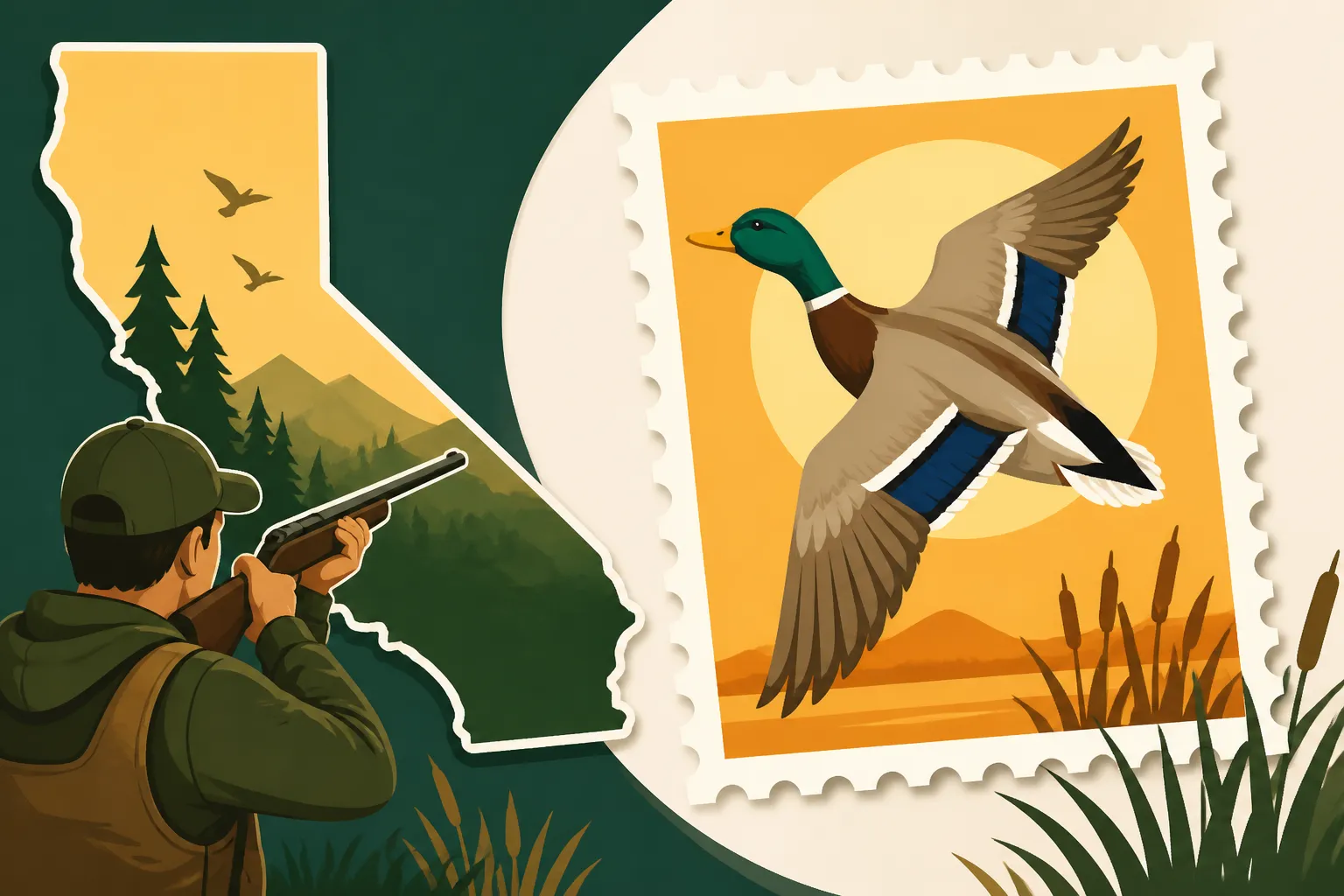
Unlike many other licenses and tags in California, where residents often enjoy a lower price point compared to nonresidents (think deer or bear tags), the California Migratory Bird Stamp has a uniform cost for everyone. As of the current license year (which runs from July 1st to June 30th), the California Migratory Bird Stamp costs $17.85.
This means whether you've lived in California your entire life or you're just visiting for a spectacular waterfowl hunt, the price for this particular stamp remains the same. This can be a relief for nonresidents who often face significantly higher fees for general licenses and big game tags. It also simplifies the process, as there's no need to verify residency status specifically for this stamp. When planning your hunting budget, this consistent pricing makes it easier to calculate your total expenses.
To give you a clearer picture of how this fits into your overall hunting costs, here's a quick look at some common associated fees. Keep in mind these are approximate costs and can change annually.
| Item | Resident Cost (Approx.) | Nonresident Cost (Approx.) | Notes |
|---|---|---|---|
| Annual Hunting License | $58.58 | $203.40 | Required for almost all hunting. |
| Hunting Privileges | $20.91 | $20.91 | Often added to base license. |
| Federal Duck Stamp | $25.00 | $25.00 | Required for waterfowl hunters aged 16+. |
| CA Migratory Bird Stamp | $17.85 | $17.85 | Required for ALL migratory bird hunters aged 16+. |
| Harvest Information Program (HIP) | Free | Free | Mandatory certification for ALL migratory bird hunters. |
| Deer Tag (General Zone) | $37.00 | $330.00 | Varies by zone and tag type. |
As you can see, the California Migratory Bird Stamp is a relatively small piece of the larger financial puzzle for hunters. It’s often overshadowed by the cost of the base license or more expensive big game tags, but it’s no less important for those pursuing ducks, geese, and other migratory species.
Where and How to Purchase the Stamp
Acquiring your California Migratory Bird Stamp is pretty straightforward thanks to modern technology, though knowing your options can save you a headache, especially if you're trying to get everything in order last minute.
The most common and convenient way to purchase your stamp (and all other California hunting permits) is through the CDFW's Automated License Data System (ALDS) online portal. This is a user-friendly system where you can manage your profile, purchase licenses, tags, and stamps, and even report your harvests. It's available 24/7, meaning you can get your stamp bought and printed (or downloaded to your phone as proof) from the comfort of your home at any hour. This is particularly useful for busy folks who can't make it to a physical store during business hours or those who realize they're missing a key item the night before a hunt. If you want to dive deeper into this, check out how to buy a license through California's Online Portal.
Alternatively, you can purchase your stamp from authorized license agents located throughout the state. These are typically sporting goods stores, larger retail outlets with a hunting section (like some Walmart or Bass Pro Shops locations), and even some tackle shops. Many hunters prefer this method because it allows them to chat with knowledgeable staff, pick up any last-minute gear, and ensure they have all their physical paperwork in hand. Just remember to check their operating hours, especially if you're trying to purchase on a weekend or holiday close to opening day.
Finally, for those who prefer to speak to someone directly, you can purchase the stamp over the phone through the CDFW's license sales line. This option can be helpful if you have specific questions or prefer guided assistance with your purchase.
Regardless of how you buy it, it's crucial to have proof of your stamp with you while hunting migratory birds. Whether it's a physical copy, or clearly visible on your smartphone, CDFW wardens will need to verify your compliance. Websites and apps like GoHunt can be incredibly helpful for keeping track of all these requirements, helping you consolidate information and ensuring you're squared away before you even step foot in the field. While GoHunt doesn't sell the actual stamps, their platform provides invaluable resources for understanding regulations, application deadlines, and general hunting logistics in California, making your planning much smoother.
Beyond the Stamp: Other Migratory Bird Hunting Requirements
Getting your California Migratory Bird Stamp is a huge step, but it's crucial to remember that it's just one piece of a larger regulatory puzzle when it comes to migratory bird hunting in the state. There are a couple of other mandatory components that every migratory bird hunter, 16 years or older, needs to be aware of and comply with. Overlooking these could lead to fines or worse, so let's make sure you're completely squared away.
The Federal Duck Stamp Requirement
This is where some hunters, especially those new to waterfowl, get a little confused. "Another duck stamp?" you might ask. Yes, indeed. In addition to the California Migratory Bird Stamp, you must also purchase and carry the Federal Migratory Bird Hunting and Conservation Stamp, more commonly known as the Federal Duck Stamp.
This stamp is a federal requirement for all waterfowl hunters aged 16 and over. Unlike the California stamp, which funds state-specific conservation efforts, the Federal Duck Stamp's proceeds go directly to the U.S. Fish and Wildlife Service to acquire and protect wetland habitat for the National Wildlife Refuge System. Since 1934, over $1.2 billion generated from Duck Stamp sales has conserved over 6 million acres of wetland habitat. It's a truly remarkable conservation success story.
The Federal Duck Stamp currently costs $25.00. You can purchase it at most post offices, through authorized license agents, or online from various retailers. When you purchase it online, you'll often receive an immediate e-stamp that's valid for 45 days, giving you time for the physical stamp to arrive in the mail. Just like your state stamp, you must carry proof of purchase while hunting waterfowl. If you want more details on this, be sure to read up on the California Federal Duck Stamp Requirement. It's a key piece of the puzzle that ensures funds are dedicated to crucial waterfowl habitat on a national scale.
Harvest Information Program (HIP) Certification
The third, often overlooked, and perhaps most mysterious requirement for migratory bird hunters in California (and across the U.S.) is the Harvest Information Program (HIP) certification. The good news is, it's free! But it's absolutely mandatory.
HIP is a nationwide program designed to collect harvest data on migratory birds. When you get HIP certified, you'll be asked a series of simple questions about your previous year's hunting success (or lack thereof) for various migratory species, like "Did you hunt doves last season?" or "How many ducks did you harvest?" This information is then used by wildlife managers to estimate harvest levels and make informed decisions about season lengths and bag limits for the upcoming year. It's a critical tool for sustainable management of these populations.
Every single hunter of migratory birds, regardless of age (meaning, even if you're under 16 and don't need the stamps, you still need HIP), must be HIP certified. This includes hunters pursuing doves, ducks, geese, snipe, coots, and even common gallinules. It’s typically obtained when you purchase your hunting license through the CDFW ALDS system or at an authorized license agent. It’s usually just a quick checkbox and a few questions. Don't skip it! Without HIP certification, even if you have all your stamps, you're not legally permitted to hunt migratory birds. For a more thorough explanation, check out California HIP Certification for Bird Hunters.
Understanding Bag Limits and Season Dates
Beyond the financial and administrative requirements, a critical part of being a responsible and legal migratory bird hunter is intimately knowing the specific bag limits and season dates for the species you intend to pursue. These regulations are designed to ensure sustainable populations and can vary significantly by species and even by zone within California.
For instance, the California Duck Daily Bag Limit might be different than the possession limit, and specific species like pintails or canvasbacks often have special restrictions within the overall duck limit. The California Goose Season Dates can also vary widely depending on the species of goose (e.g., light geese vs. dark geese) and the management zone you are hunting in. These regulations are not arbitrary; they are the result of extensive biological research, population surveys, and coordination between state and federal agencies to ensure healthy migratory bird populations for generations to come.
Before every hunt, or at the very least, before the season opens, you should consult the most current California Waterfowl Hunting Regulations booklet or the CDFW website. Regulations can change year-to-year based on population data, habitat conditions, and other factors. Ignorance of the law is never an excuse, and game wardens take these rules seriously. Planning ahead means knowing your limits and seasons, not just having your stamps in order. GoHunt, a valuable resource for hunters, can provide up-to-date regulatory summaries and season information, helping you keep track of these dynamic rules across various zones and species.
Maximizing Your Investment and Understanding Conservation
When you tally up the costs of licenses, stamps, gear, fuel, and time, hunting can seem like a significant investment. But with the California Migratory Bird Stamp, you're not just paying a fee; you're directly contributing to the very resource you love to pursue. Understanding how your dollars make a difference can truly enhance your appreciation for every crisp morning in the blind.
How Your Stamp Dollars Make a Difference
Every single dollar collected from the sale of the California Migratory Bird Stamp goes into a dedicated fund for state-level migratory bird conservation and management. This isn't just a generic pot of money; it's earmarked for projects that directly impact the birds and the habitats they rely on here in California.
Think about the vast Central Valley, which serves as a critical wintering ground for millions of waterfowl on the Pacific Flyway. Much of this vital habitat is privately owned agricultural land, and without incentives and programs, many of these wetlands might disappear. Your stamp dollars help fund habitat acquisition, allowing the state to purchase and permanently protect crucial wetland areas. They also support habitat restoration projects, converting degraded areas back into productive wetlands that provide food, water, and cover for ducks, geese, and a myriad of other wildlife.
These funds also contribute to public access. Many of California's renowned State Wildlife Areas, like Gray Lodge Wildlife Area near Gridley or Grizzly Island Wildlife Area in Suisun Marsh, benefit directly from these conservation efforts. These areas are not only managed for wildlife but also provide public hunting opportunities, giving hunters places to practice their passion. The stamp funds ensure these areas remain vibrant ecosystems and accessible hunting grounds. So, while you might grumble about the cumulative cost, know that you are a direct benefactor and contributor to the health of the very ecosystems that support the ducks you chase and the geese you pass-shoot. It's a testament to the power of dedicated conservation funding.
Planning Your California Waterfowl Season
With your stamps in order and a better understanding of their purpose, the next step is to plan your waterfowl season strategically. California offers some incredible hunting opportunities, but it takes preparation to make the most of them.
First and foremost, early planning is key. Don't wait until the week before the season opener to start looking at regulations or scouting locations. While the California Migratory Bird Stamp cost remains consistent, other aspects of the hunt, like specific season dates and bag limits, can be dynamic. Knowing your desired hunting zone and its specific regulations is paramount. For instance, the opportunities for Decoying Ducks in California's Central Valley Flooded Rice might be different from Hunting a Refuge-Adjacent Field at Dawn. Each scenario requires a slightly different approach, and understanding the nuances will increase your chances of success.
Consider using digital tools to aid your planning. Websites and apps like GoHunt offer a wealth of information regarding public land access, detailed season dates, and even harvest statistics, which can help you decide where to focus your efforts. This is especially useful for understanding the vastness of California Wildlife Areas and Ecological Reserves and figuring out how to access them effectively. Planning involves more than just buying a license; it’s about understanding the entire ecosystem, from the California Waterfowl on the Pacific Flyway to the specific tactics like Pass-Shooting Geese on California's Sacramento Refuges. By putting in the effort beforehand, you're not just buying a stamp; you're investing in a fulfilling and ethical hunting experience.
Disclaimer
Please note: Hunting regulations and fees in California are subject to change. While every effort has been made to provide accurate and up-to-date information, it is the hunter's responsibility to verify all current regulations, season dates, and license requirements directly with the California Department of Fish and Wildlife (CDFW) before engaging in any hunting activities.