California Junior Hunting License Rules
Bringing a young person into the world of hunting is one of the most rewarding experiences a mentor can have, but let's be honest, navigating the myriad of California hunting regulations can feel like trying to track a ghost buck through a blizzard. It's frustrating when you just want to share your passion, but the paperwork and rules seem to stand in the way. This guide is here to untangle the complexities of California's junior hunting license rules, ensuring you have all the information you need to get your young hunter properly licensed and ready for the field.
Why California's Junior Hunting License Matters So Much
Introducing a child to hunting isn't just about bagging game; it's about instilling a deep respect for wildlife, conservation, and the outdoors. California, like many states, recognizes the importance of nurturing the next generation of ethical hunters, which is why they have a specific framework for junior licenses. This isn't just red tape; it's a pathway designed to ensure safety, responsibility, and a lasting legacy for our hunting heritage.
The Importance of Early Hunter Education
Before any junior can even think about holding a license, they need to complete their hunter education. This isn't just a suggestion; it's a mandatory step in California for anyone who hasn't held a resident hunting license in the state within the last two license years. For juniors, this course is often their first formal introduction to firearm safety, ethical hunting practices, wildlife identification, and conservation principles. It's a foundational experience that sets the stage for a lifetime of responsible hunting. You can learn more about the specific requirements by checking out the guide on California Hunter Education Requirements. It's a rite of passage, really, and one that gives both the young hunter and their mentor peace of mind that they're prepared.
Building a Foundation for Future Hunters
A junior hunting license isn't just a permit; it's a tool for fostering growth. It encourages young people to step away from screens and into the wild, learning patience, observation, and resilience. For parents and mentors, it's an opportunity to bond, teach life skills, and pass down traditions. When you're planning your outings, consider how resources like GoHunt can help you scout potential areas that might be less pressured, giving a young hunter a more positive and successful first experience. By participating in the licensed hunting system, juniors become active stakeholders in wildlife management and conservation efforts, understanding that their actions contribute directly to the health of California's ecosystems.
Who Qualifies for a California Junior License?
Understanding who is eligible for a junior hunting license is step number one. It’s not just about age; it’s about demonstrating readiness and adhering to state mandates. The goal is to ensure that young hunters are prepared and can safely enjoy their time afield.
Age Requirements and Eligibility
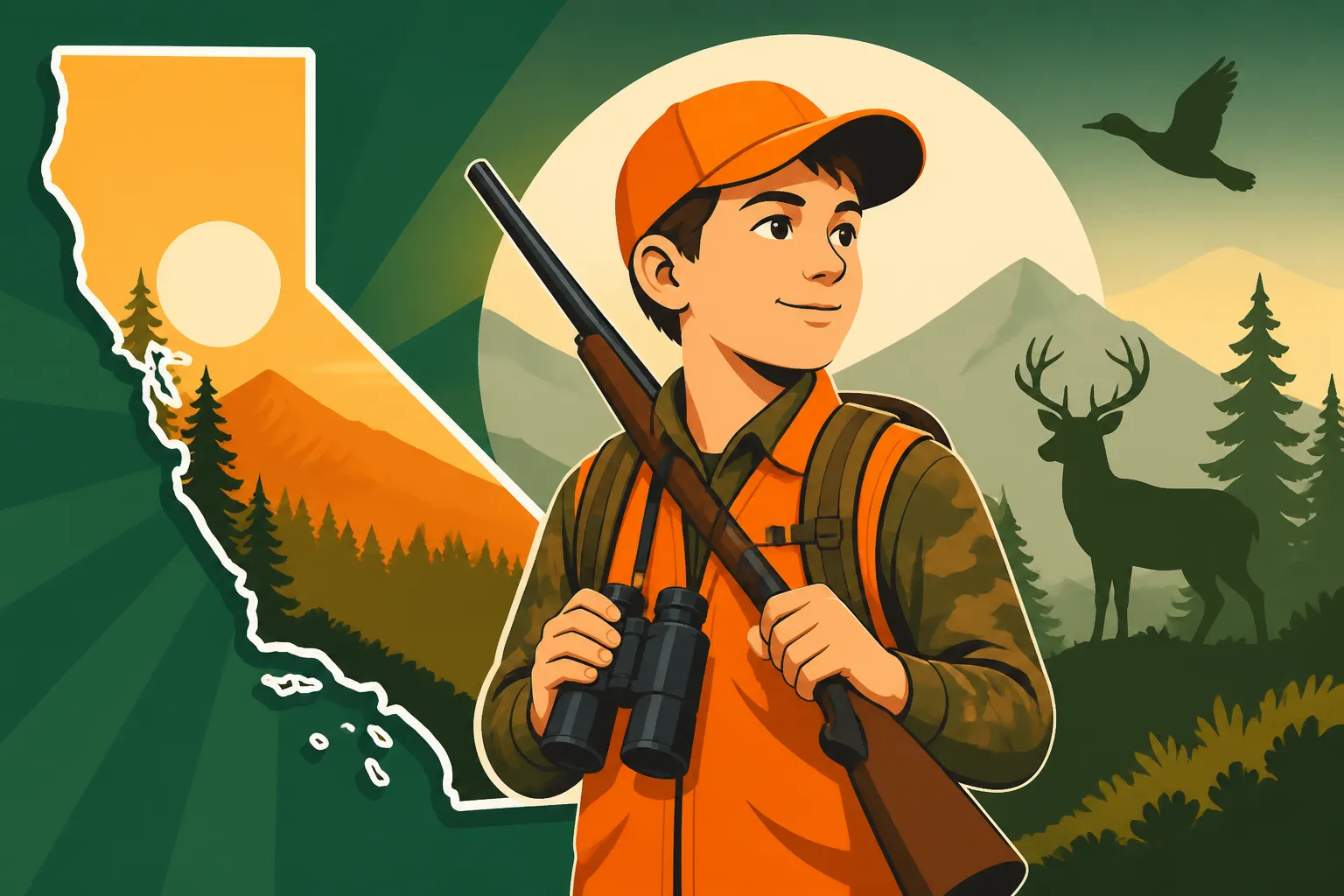
In California, a junior hunting license is specifically designed for individuals under the age of 18. Generally, you can get one starting at age 12, though some supervised activities are available for even younger participants through programs like the California Apprentice Hunter License Rules. The key is that anyone under 16 must be accompanied by an adult when hunting. This accompanying adult must be at least 18 years old, possess a valid hunting license, and be in immediate control of the junior. This isn't just a legal requirement; it's a crucial safety measure and a wonderful opportunity for mentorship. The state wants to ensure that these formative experiences are guided by seasoned, responsible hunters.
Hunter Education Certification
As mentioned earlier, hunter education is non-negotiable. To purchase any hunting license in California, including a junior license, an individual must provide proof of completing a state-approved hunter education course. If your junior has completed this, they'll receive a certificate or card, and this information will typically be registered in the Department of Fish and Wildlife's (CDFW) Automated License Data System (ALDS). This certification proves they've learned critical safety protocols and ethical hunting practices. Without it, no license can be issued. It’s important to remember that this isn't a one-time thing if they let their license lapse for several years, so keeping that certification handy is always a good idea.
Getting Your Junior Hunter Started: The Application Process
Once you've cleared the eligibility hurdles, it's time to get down to the brass tacks: applying for the license itself. Thankfully, California has streamlined this process significantly over the years, making it more accessible than ever.
Online Application Through CDFW ALDS
The most convenient way to acquire a California junior hunting license is through the CDFW's Automated License Data System (ALDS). You can access this online from the comfort of your home, or visit a licensed agent or CDFW office. To start, you'll need to create a customer profile for your junior hunter if they don't already have one. This involves providing personal details, including their hunter education certificate number. When you're ready to purchase, you'll select the junior hunting license option. While the base California Resident License Options are usually straightforward, make sure you're selecting the junior version to get the appropriate pricing and privileges. The online portal is generally user-friendly, but don't hesitate to call CDFW if you hit any snags.
Key Documents Needed
Before you sit down to apply, gather all necessary documents to make the process smooth. Here’s a quick checklist:
- Proof of Hunter Education: This is paramount. The certificate number is what you'll typically enter online.
- Junior's Personal Information: Full name, date of birth, physical address, and any other identifying details the system requests.
- Payment Method: Have a credit card or other accepted payment method ready for the license fee.
- Social Security Number (SSN): For many licenses, including junior, the system may require a Social Security Number as part of the application process for federal compliance, even if the junior doesn't have income. This can sometimes cause confusion, so be prepared.
Understanding License Validity and Renewal
A California junior hunting license is valid for a single license year, which typically runs from July 1st through June 30th of the following year. This means you'll need to renew it annually if your junior continues to hunt. It's a good habit to mark your calendar for renewal so you're not scrambling right before a planned hunt. Unlike some other permits, junior hunting licenses don't have a complicated draw system for the base license itself; it's generally an over-the-counter purchase once eligibility is confirmed. However, if your junior wants to participate in big game hunts, they will need to understand the big game drawing system for specific tags. Many hunters use platforms like GoHunt to stay on top of application deadlines and drawing results, which can be invaluable when planning for premium tags like elk or bighorn sheep.
Beyond the License: Junior-Specific Hunting Opportunities
Just having the license is one thing, but knowing where and when your junior hunter can actually put it to use is another. California offers some excellent opportunities tailored specifically for young hunters, designed to maximize their chances and provide a positive experience.
Special Junior Hunt Days and Seasons
California is quite good about offering dedicated "junior hunt days" for various species. These are often strategically placed to provide less hunting pressure and sometimes even better success rates, giving young hunters a real advantage. For instance, there are typically special youth-only weekends for turkey hunting, allowing juniors to pursue gobblers before the general season opens. You can find detailed information on these specific dates and regulations in resources like California Junior Turkey Hunt Rules and the broader guide on California Special Youth Hunt Windows. These special days are fantastic for creating lasting memories and building confidence in young hunters, giving them a chance to shine without competing with the general hunting crowd.
Mentored Youth Hunting Programs
Beyond the official junior hunt days, California encourages year-round mentored hunting. The state's apprentice hunter license program, as mentioned earlier, allows even younger, unlicensed individuals (under a certain age, typically 16, check current regulations) to hunt under the direct supervision of a fully licensed adult. This means that a mentor must be present and in immediate control, providing guidance and ensuring safety at all times. The rules about How Close a California Mentor Must Stay are very specific for a reason – safety is paramount. These programs are invaluable for introducing kids to hunting in a hands-on, low-pressure environment, letting them learn the ropes before they even need their own license.
Tags and Permits for Junior Hunters
While the junior hunting license is your base, specific tags are required for big game species like deer, wild pigs, and bear, as well as for certain migratory birds. For deer, juniors will apply for tags through the same California's Multi-Zone Deer Season System as adults, often needing to participate in the general big game drawing for premium zones. However, many D-zones offer over-the-counter tags that juniors can purchase. For upland birds and waterfowl, juniors will still need to acquire federal and state migratory bird validations, similar to adults. It's crucial to check the regulations for each specific species your junior plans to hunt. Many public access areas, such as a Hunting a Sacramento Valley Wildlife Refuge, offer special junior opportunities or drawings, so it's always worth researching those specific locations. The GoHunt platform is excellent for tracking these draw opportunities and understanding draw odds for coveted tags, helping you plan smart for your junior's future hunts.
Table: Overview of California Junior Hunting License & Common Tags
| Item | Description | Cost (Approx. 2024-2025) | Eligibility Notes |
|---|---|---|---|
| Junior Hunting License | Required for all hunting activities, valid July 1 – June 30 | $16.84 | Under 18 years old; Hunter Education Certificate required |
| Deer Tag (Resident) | Required for deer hunting (specific zone tag) | $16.84 | Junior Hunting License required; specific zone tags may require draw |
| Wild Pig Tag | Required for wild pig hunting, valid for calendar year | $8.76 | Junior Hunting License required; no bag limit |
| Upland Game Bird Stamp | Required for hunting resident upland game birds | $3.30 | Junior Hunting License required |
| State Duck Validation | Required for hunting waterfowl, shorebirds, etc. | $10.81 | Junior Hunting License required; HIP certification also needed |
| Federal Duck Stamp | Required for hunting waterfowl (ages 16+) | $25.00 | Required for juniors 16 years and older |
| Bear Tag | Required for black bear hunting (subject to statewide quota) | $47.36 | Junior Hunting License required; non-lead ammo mandate |
Note: All costs are approximate as of the 2024-2025 license year and are subject to change by the California Department of Fish and Wildlife. Always consult the official CDFW website for the most current fees and regulations.
Disclaimer
The information provided in this guide is for general informational purposes only and is not intended as legal advice. Hunting regulations in California are complex and subject to change. Always consult the official California Department of Fish and Wildlife (CDFW) regulations, current hunting digests, and other authoritative sources before engaging in any hunting activities. It is the responsibility of each hunter to know and adhere to all applicable laws and regulations.