How California’s Bear Population Grew Since the 1980s
It's quite a common thing these days for folks heading into California's wildlands, whether for a hike or a hunt, to encounter a black bear. Maybe you've noticed more of them around, or perhaps you've heard whispers about a growing population. It can feel a bit disorienting if you remember a time when bear sightings were much rarer, leaving you to wonder what exactly changed and how California's bear numbers managed to rebound so significantly. This guide is here to shed light on that incredible journey, dissecting the historical context, the pivotal turning points, and the ongoing management efforts that have shaped California's thriving black bear population since the 1980s.
A Look Back at California's Bear History Before the Boom
Before we dive into the incredible surge of California's black bear population, it’s crucial to understand the landscape they inhabited and the attitudes towards them in earlier decades. The story of California's bears is one of drastic shifts, from a landscape teeming with grizzlies and black bears to periods of severe decline, then ultimately, a remarkable recovery for our black bears.
Historical Perceptions and Early Management
Historically, bears, particularly the massive California grizzlies, were viewed with a mix of awe and fear. Early European settlers often saw them as dangerous nuisances or competitors for livestock and resources. This perception led to aggressive eradication campaigns throughout the 19th and early 20th centuries. Bounties were common, and unregulated hunting, trapping, and poisoning decimated bear populations, especially the grizzlies, which were completely extirpated from the state by the 1920s. Black bears, being smaller and more reclusive, fared slightly better but still faced intense pressure. Their habitats were also rapidly shrinking due to extensive logging, agricultural expansion, and burgeoning human settlements across the state. In those early days, "management" largely meant removal, without much thought given to ecological balance or sustainable populations.
The Decline Leading Up to the 1980s
By the mid-20th century, the relentless pressure on California's black bears had taken a significant toll. While not facing the same fate as the grizzly, their numbers were drastically reduced from their historical highs. Habitat fragmentation was a major culprit, as vast swaths of forest and wildlands were converted for human use. Road networks sliced through their territories, increasing human access and opportunity for harvest. Furthermore, the lack of comprehensive wildlife management strategies meant that hunting seasons were often less regulated by biological data and more by tradition or perceived conflict. Without robust population monitoring or protective measures, the bear population lingered at what many experts considered to be precariously low numbers throughout the 1960s and 70s. It was a time when seeing a bear in many parts of the state was a truly rare occurrence, hinting at a species struggling to maintain a foothold.
Early Conservation Efforts and Shifting Views
Thankfully, a shift in public perception and scientific understanding began to take root in the latter half of the 20th century. As the environmental movement gained momentum, there was a growing appreciation for wildlife and a recognition of the ecological value of apex predators like bears. This evolving perspective paved the way for more progressive wildlife management. In California, early conservation efforts started focusing on habitat preservation and implementing rudimentary hunting regulations. The California Department of Fish and Wildlife (CDFW) began to transition from a focus on predator control to a more science-based approach to population management. This included initial research into bear biology, movements, and population dynamics, laying the groundwork for the more robust programs that would emerge and help protect bears from further decline. This period was critical, not for a population boom, but for halting the slide and setting the stage for recovery.
Key Factors Driving Population Growth Since the 1980s
The dramatic increase in California's black bear population since the 1980s isn't due to a single magic bullet, but rather a confluence of deliberate conservation efforts, evolving management practices, and even some environmental shifts. It's a testament to what can be achieved when scientific understanding guides policy and public attitudes mature.
Habitat Protection and Recovery
One of the most significant drivers of bear population growth has been the increased emphasis on habitat protection and recovery. Bears need vast, interconnected wildlands to thrive, with diverse food sources and secure denning sites. Since the 1980s, significant acreage of California's forests and wilderness areas has received federal and state protection. This includes expansive tracts within national forests like the Los Padres National Forest or the Six Rivers National Forest, and designated wilderness areas that limit human development and disturbance. Conservation easements and land acquisitions by various trusts have also played a role, ensuring that critical corridors and core habitats remain intact.
Furthermore, a decline in large-scale commercial logging in some areas has allowed forests to mature, providing denser cover and more abundant food sources, such as acorns, berries, and grubs. Forest management practices, while sometimes controversial, have also evolved to consider wildlife habitat more seriously. The restoration of degraded landscapes, though slow, has gradually expanded the carrying capacity for bears, enabling them to expand their ranges and establish new territories. This widespread commitment to preserving large, contiguous blocks of wild land has given bears the space and resources they desperately need to flourish.
Adaptive Management and Hunting Regulations
The shift from a less regulated hunting framework to a robust, adaptive management system by the CDFW has been absolutely critical. Prior to the 1980s, bear hunting was often an opportunistic endeavor with less strict limits. However, recognizing the declining numbers, California moved towards a more controlled approach. The implementation of a statewide bear quota in 1982 was a game-changer. This quota, initially set at 500 bears and later increased to 1,700, acts as a ceiling, meaning the season closes once that number is reached, or by the specific season end date, whichever comes first. This ensures that harvest levels are sustainable and don't outpace the population's ability to reproduce. You can learn more about California's 1,700-Bear Statewide Quota to understand how this system works.
Beyond the quota, other regulations have evolved. Strict reporting requirements for harvested bears help the CDFW gather essential data. Mandatory bear tag purchases fund research and management efforts. There are also specific rules about legal weapons and harvest methods, all designed to ensure ethical hunting and accurate data collection. This adaptive approach, where regulations are reviewed and adjusted based on scientific data from bear research and harvest reports, has allowed the bear population to grow while still providing hunting opportunities that also serve as a management tool. For those interested in pursuing a bear, understanding the rules, like those for Black Bear Hunting California's Spot-and-Stalk Season, is crucial.
Changing Climates and Food Availability
While human efforts have been paramount, environmental factors, including shifts in climate, have also inadvertently supported the bear population's growth. Mild winters in some regions can mean a longer active foraging season for bears, leading to better body condition and higher cub survival rates. A robust mast crop—like abundant acorns from oak trees—provides a critical food source for bears to put on fat reserves before winter denning. California's diverse ecosystems, from coastal ranges to the Sierra Nevada, offer a mosaic of food sources that can buffer against localized crop failures.
However, it's a double-edged sword. While some climate shifts might initially benefit bears, prolonged drought can severely impact natural food sources, forcing bears into closer proximity with human settlements in search of sustenance. Conversely, increased wildfire activity, while destructive in the short term, can lead to new plant growth and berry production in subsequent years, creating temporary "super-foraging" areas. Understanding how to interpret these landscape changes can be vital for hunters; for instance, knowing how to approach Glassing a Burn Scar for a Feeding Bear could be a key strategy. The overall long-term trend, though, especially with improved habitat connectivity, has generally meant more consistent and varied food access for a larger bear population across the state.
The Role of Scientific Research and Monitoring
The significant increase in California's black bear population isn't just an anecdotal observation; it's a fact supported by decades of rigorous scientific research and continuous monitoring efforts. Without the dedication of wildlife biologists and researchers, the CDFW wouldn't have the data necessary to make informed management decisions, nor would we truly understand the species' dynamics.
Tagging and Telemetry Studies
One of the foundational methods for understanding bear populations has been the use of tagging and telemetry studies. These intensive, hands-on research projects involve capturing bears, fitting them with ear tags for identification, and often equipping them with GPS collars. These collars transmit location data, allowing biologists to track individual bears' movements, habitat use, denning sites, and even interactions with other bears or humans. Through this data, researchers can accurately map home ranges, identify critical migration corridors, and determine how far bears are willing to travel for food. This information is indispensable for understanding individual bear behavior, estimating cub survival, and determining reproductive rates, all of which feed directly into overall population health assessments. Imagine trying to understand where California Black Bears spend their time without this kind of direct observation – it would be an impossible task to accurately judge a legal bear from a sow with cubs without this kind of data informing management.
Population Estimation Methods
Estimating the total number of bears in a vast, rugged state like California is a complex challenge. Biologists don't just count every bear; they use a variety of sophisticated methods to derive reliable population estimates. These include mark-recapture studies, where bears are tagged and then re-sighted or re-captured to estimate the total population size. Hair snares, which collect bear hair samples for DNA analysis, allow individual identification and contribute to non-invasive population counts. Den surveys provide insights into cub production and survival.
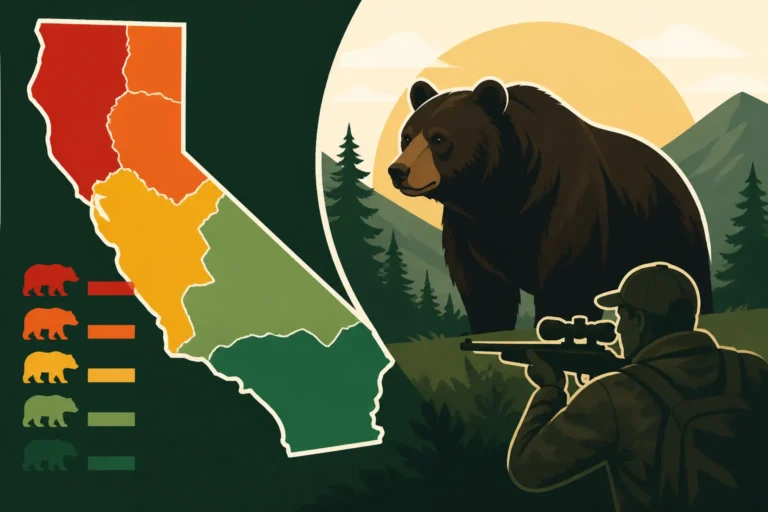
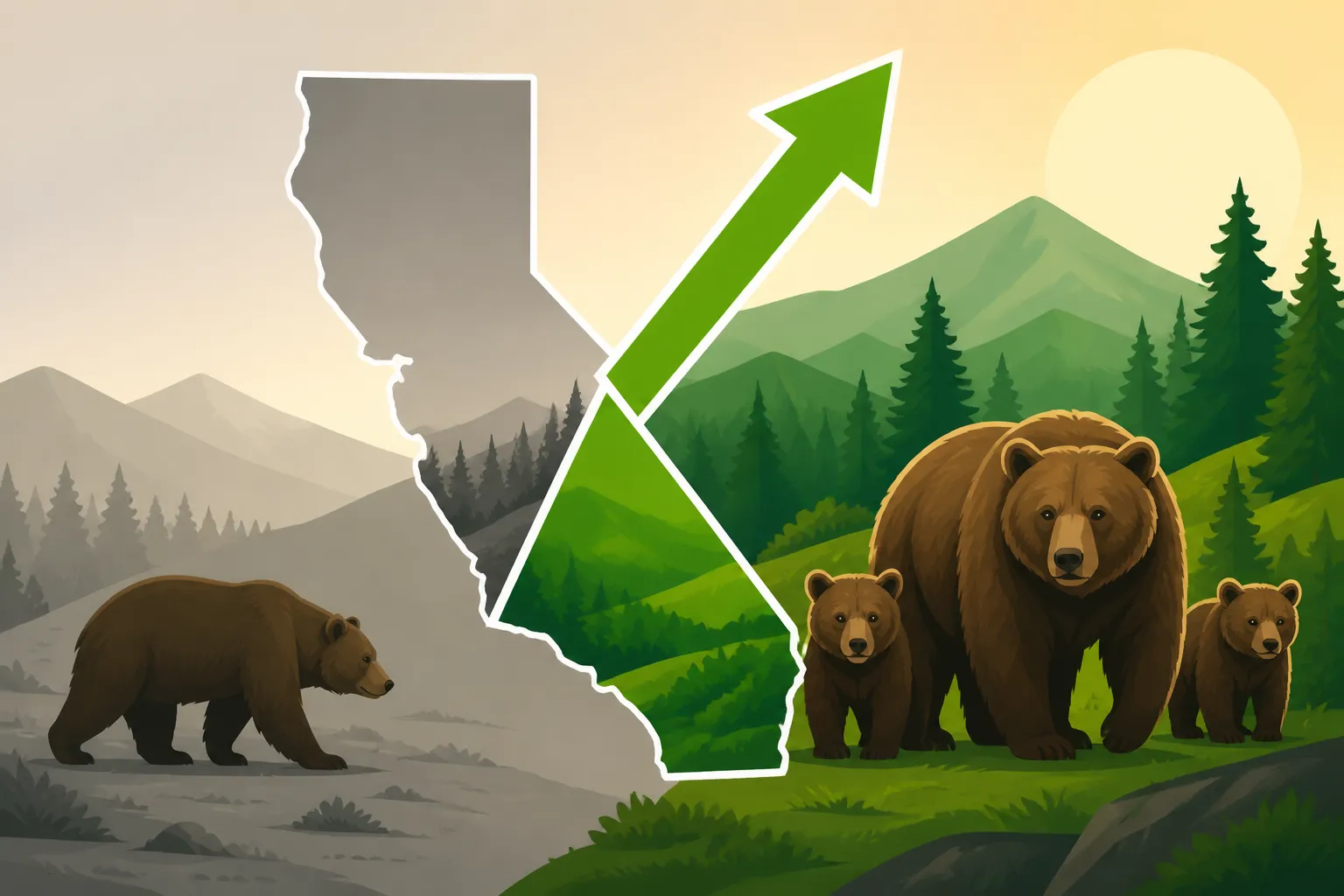
The CDFW, often working with academic institutions, compiles and analyzes all this data, alongside hunter harvest records, to create models that project population trends. It's these scientific estimates that confirm what many hunters are observing in the field: California's bear population estimate has grown substantially. For instance, in the early 1980s, estimates hovered around 10,000-15,000 bears. Today, estimates suggest a robust population closer to 30,000-40,000 animals, a testament to the success of management efforts. This rigorous scientific process allows for adaptive management, ensuring hunting quotas and other regulations are set at sustainable levels.
Collaboration with Wildlife Organizations
The success of bear conservation and management in California isn't solely the work of the state agency. It's a collaborative effort that often involves universities, non-profit wildlife organizations, and even private landowners. Groups like the California Black Bear Rehabilitation and Release Center or other research entities frequently partner with CDFW on specific projects, sharing resources, expertise, and data. These collaborations can expand the reach of research, allowing for studies in areas that might otherwise be overlooked, or providing specialized knowledge on bear health and disease. This network of dedicated professionals and organizations ensures a holistic approach to bear conservation, contributing to a deeper understanding of the species and the continued growth of California's bear density by region. Hunters themselves, through their tag purchases and mandatory reporting, also contribute vital data and funding to this ongoing research, playing an active role in the conservation cycle. Resources like GoHunt can also be invaluable for hunters looking to understand game trends and research information related to specific hunting units, often drawing on this very data.
Here's a look at the estimated growth over the decades:
| Decade (Approximate) | Estimated Black Bear Population | Key Management & Environmental Factors |
|---|---|---|
| Early 1980s | 10,000 – 15,000 | Implementation of statewide quota, habitat loss slowing, initial research |
| Early 1990s | 15,000 – 20,000 | Continued habitat protection, refined hunting regulations, public awareness |
| Early 2000s | 20,000 – 25,000 | Stronger conservation funding, increased research, adaptive quota adjustments |
| Early 2010s | 25,000 – 30,000 | Further habitat connectivity efforts, improved data collection, milder winters |
| Early 2020s | 30,000 – 40,000 | Continued success of management, varied food sources, range expansion |
Note: These are approximate estimates and can vary based on specific studies and methodologies.
Challenges and Coexistence in a Growing Bear Landscape
While the growth of California's black bear population is a remarkable conservation success story, it's not without its complexities. A larger bear population inevitably leads to new challenges, particularly in managing interactions with humans and ensuring the long-term health of both the bears and their habitats. Coexistence requires constant adaptation and education.
Human-Wildlife Conflict and Mitigation
With more bears roaming the state, particularly in areas where human development encroaches on wildlands, human-wildlife conflicts are on the rise. We're seeing more bears in residential areas, raiding trash cans, breaking into homes, and even encountering people on popular trails. This can be startling, and sometimes dangerous, for both people and bears. A bear that becomes habituated to human food sources quickly loses its natural fear and can become a public safety concern, often leading to its removal or euthanasia.
Mitigation strategies are crucial here. Education campaigns by CDFW and local agencies focus on "bear-proofing" homes and campsites, advocating for bear-resistant trash cans, securing food, and removing attractants. For those who live in bear country, simple practices like not leaving pet food out or cleaning barbecue grills can make a huge difference. For hikers and campers, understanding bear behavior and carrying bear spray can prevent negative encounters. The goal is to teach both humans and bears how to respectfully share the landscape, preventing situations that escalate into conflict. The importance of understanding these dynamics extends to hunters as well, as they navigate areas where human development meets prime bear habitat; understanding things like California's hunter education requirements can sometimes include tips for avoiding human-bear conflicts.
Maintaining Healthy Bear Habitats
Even with a thriving population, the pressure on bear habitats remains. Urban sprawl continues in many parts of California, fragmenting vital corridors and reducing available wild space. Wildfires, while sometimes creating temporary food boosts, can also devastate large areas of prime habitat, displacing bears and forcing them into unfamiliar territories or closer to human areas. Drought conditions can severely limit natural food availability, exacerbating these issues.
The ongoing challenge is to ensure that as the bear population grows, there is still enough quality habitat to support it sustainably. This involves strategic land use planning, identifying and preserving critical wildlife corridors, and implementing thoughtful forest management practices that benefit bears. It also means managing other game species to ensure a balanced ecosystem. Maintaining a healthy bear population isn't just about their numbers; it's about the health of the entire ecosystem they inhabit, which directly impacts the long-term success of California's bear population. Organizations like GoHunt often provide tools and maps for hunters to scout and understand public land boundaries and habitat types, which indirectly supports informed decision-making about where bears might be found and the condition of their habitat.
The Future of Bear Management in California
Looking ahead, California's bear management strategies will need to continue evolving to meet new challenges. Climate change will likely play an even greater role, influencing food availability, denning patterns, and bear movements. The balance between allowing the population to thrive and managing human-bear interactions will always be delicate. Data collection and scientific research will remain at the forefront, guiding decisions on hunting quotas, habitat projects, and public education campaigns. The CDFW will need to continuously monitor California bear harvest numbers by season, adapting regulations as needed. There will also be ongoing discussions about how to best manage specific zones or regions where bear numbers are either too low or creating too many conflicts. The possibility of the bear quota being filled early, for instance, is a testament to the success but also highlights the need for constant vigilance in management. The success story of California's black bear population since the 1980s is a testament to dedicated conservation, but the real work lies in ensuring that this success can be sustained for generations to come, allowing these magnificent animals to continue to thrive alongside a growing human population.
Disclaimer
The information provided in this guide is for general informational purposes only and does not constitute legal advice or official hunting regulations. Hunters are responsible for consulting the current California Department of Fish and Wildlife (CDFW) regulations, understanding all applicable laws, and ensuring compliance before engaging in any hunting activities. Seasons, regulations, and quotas can change frequently.