How Many Wild Pigs Roam California
One of the most common questions I hear from fellow hunters and curious folks alike is, "Just how many wild pigs are actually out there in California?" It’s a fair question, and honestly, it’s one that’s incredibly difficult to answer with a precise figure. These clever, adaptable animals are known for their evasive nature and their ability to thrive in a wide array of habitats, making accurate population counts a serious challenge. This guide will dive into the complexities of estimating wild pig numbers, what the prevailing wisdom suggests about their population, and the significant impact they have on our beautiful state.
The Elusive Nature of Wild Pig Population Estimates
Trying to get an exact headcount on California's wild pigs is a bit like trying to count individual raindrops in a thunderstorm—it's nearly impossible. Unlike deer or elk, which often have more predictable ranges and patterns, wild pigs are notoriously difficult to track, and their populations can fluctuate dramatically.
Why an Exact Number is So Hard to Pin Down
There are so many factors that conspire against getting a concrete number for California's wild pig population. First off, pigs are prolific breeders. A sow can have multiple litters in a year, and those litters can be quite large, sometimes up to a dozen piglets. This means their numbers can explode in ideal conditions, making any past estimate quickly outdated. If you happen upon a sounder, you'll see just how many little ones are scampering around.
Secondly, wild pigs are incredibly nomadic. They don't stick to a small home range like some other game animals. They're constantly moving in search of food and water, often covering vast distances. This makes traditional census methods, like aerial surveys, far less reliable. Imagine trying to count animals that could be in one valley today and the next one over tomorrow, often hidden away in dense brush or oak thickets. This transient nature adds a layer of complexity that wildlife agencies constantly grapple with.
Finally, their preferred habitats vary wildly, from dense coastal chaparral to open oak woodlands and even agricultural fields. They're masters of camouflage and cover, making visual detection a real challenge. Their nocturnal habits also mean they're most active when humans aren't, further complicating any efforts to observe and count them. These combined factors mean that while we might have a good handle on deer numbers in certain zones, wild pigs are a different beast entirely when it comes to census-taking.
Understanding Population Trends Over Hard Numbers
Given the immense challenges in pinning down an exact number, wildlife managers and biologists often focus more on population trends rather than specific counts. Are the numbers increasing, stable, or decreasing in certain areas? For California's wild pigs, the general consensus has long been that their populations are thriving and, in many areas, expanding. They are an incredibly successful invasive species.
This focus on trends helps guide management strategies, inform hunting seasons, and assess the impact on ecosystems and agriculture. When you hear about them, it's usually in the context of their widespread distribution and the problems they cause, which speaks volumes about their prevalence. They've effectively colonized most suitable habitats across the state since their introduction centuries ago, both from domestic stock gone feral and later, European wild boars.
The ability of wild pigs to adapt to almost any environment, from the high desert fringe to the dense forests of the North Coast, means they can quickly establish themselves and grow their numbers wherever they find a niche. This rapid success is a key indicator of their robust population across California, even without a precise statewide tally.
What the Estimates Suggest About California's Wild Pig Numbers
While a precise, real-time figure for California's wild pig population remains elusive due to all the reasons we just discussed, the long-standing understanding from wildlife experts is that their numbers are substantial.
Historical Context and Current Range
Wild pigs have a long and storied history in California, stemming from multiple introductions. Spanish settlers brought domestic pigs in the 1700s, and many escaped to form feral populations. Later, in the 1920s, European wild boar were intentionally introduced for hunting on private ranches in Monterey County, leading to cross-breeding with the existing feral stock. This blend of genetics created the hardy, intelligent, and prolific animal we know today.
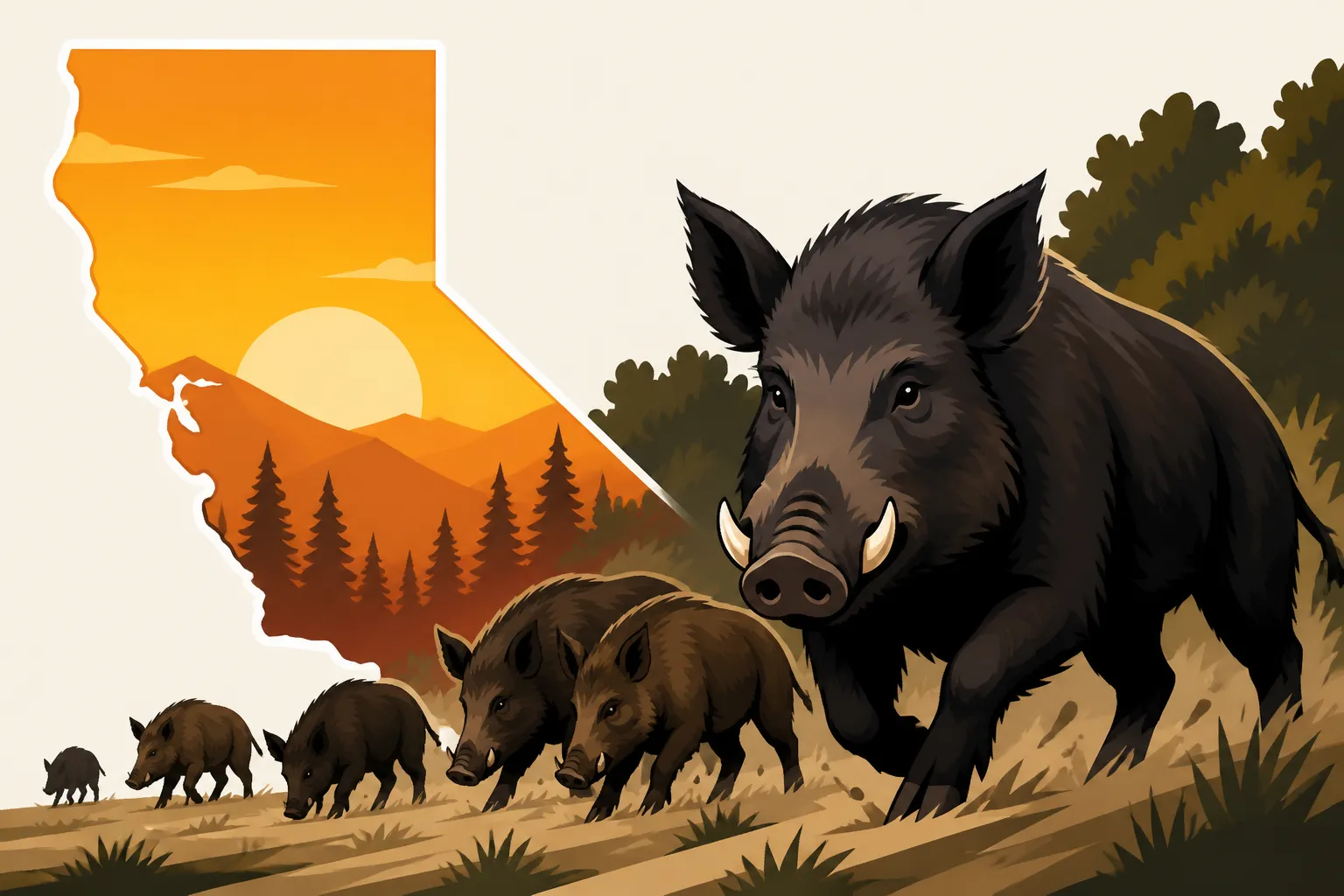
Over the decades, these animals have spread remarkably. Today, they are found in almost all of California's 58 counties, with high concentrations along the Central Coast, through the oak woodlands of the Sierra Nevada foothills, and into various other pockets of suitable habitat. If you're wondering Which California Counties Have the Most Pigs, you'll often find them thriving where there's a mix of cover, water, and food sources, such as acorns, roots, and agricultural crops.
Wildlife agencies generally agree that California supports a population well into the hundreds of thousands. Some estimates, depending on the year and methodology, have placed the number at various points, but the key takeaway is that they are widespread and numerous. This widespread distribution and the consistent reports of damage they inflict underscore the significant presence of wild pigs across the state. This is why you often hear discussions about them in wildlife management circles, far more than for some of our native species.
Factors Contributing to High Pig Populations
Why are these animals so successful at increasing their numbers, even with hunting pressure? It boils down to a perfect storm of biological advantages and environmental conditions.
First, their adaptability is unparalleled. Wild pigs can eat almost anything – acorns, roots, tubers, grubs, insects, small animals, even carrion. If one food source is scarce, they simply switch to another. This incredibly varied diet allows them to survive and thrive even when other species might struggle. They're not picky eaters, which is a huge advantage in a state with diverse ecosystems and seasonal changes.
Second, their reproductive rate is phenomenal. Sows can breed as young as six months old, and they typically have litters of 4-8 piglets, often twice a year. If conditions are particularly good, with abundant food and water, those numbers can go even higher. This rapid turnover means that even if a significant number are harvested by hunters or culled through other means, the population can bounce back remarkably quickly. This biological fact is a key reason why they are so hard to control.
Finally, while mountain lions and bears might occasionally prey on piglets, adult wild pigs have very few natural predators in California that significantly impact their overall population. Humans, through hunting, are the primary force exerting any consistent pressure on their numbers. Without this pressure, their populations would likely be even more out of balance. The combination of these factors ensures that wild pig populations remain robust and a constant presence across much of California.
The Impact of a Thriving Wild Pig Population on California
The sheer number of wild pigs in California means they have a profound and often detrimental impact on the state's natural ecosystems and agricultural industries. They aren't just a nuisance; they're a force that actively reshapes landscapes.
Ecological and Agricultural Damage
The primary and most visible impact of wild pigs is their destructive rooting behavior. They use their strong snouts to dig up soil in search of roots, tubers, and invertebrates. This activity, while simply a way for them to feed, causes extensive damage. Imagine an entire field or forest floor churned up as if by a rototiller – that’s the work of a sounder of pigs. This rooting:
- Destroys native plant communities: They tear up seedlings and adult plants alike, altering the composition of natural habitats.
- Increases soil erosion: By loosening and exposing soil, especially on hillsides, they make areas more susceptible to erosion during rain events.
- Impacts water quality: Sediment runoff from rooted areas can degrade water quality in streams and rivers.
- Threatens ground-nesting birds and other wildlife: Their omnivorous diet means they will readily consume eggs, chicks, and small mammals, impacting the reproductive success of vulnerable species.
Beyond ecological damage, their impact on agriculture is immense. Farmers and ranchers constantly battle wild pigs. They root up valuable crops like alfalfa, corn, and even orchards. California Wild Pig Damage to Vineyards is a serious concern, as they can decimate grapevines and eat ripening fruit, leading to significant financial losses for growers. Fences are often no match for a determined sounder, and the economic toll can be staggering.
Management Challenges and Hunter Opportunity
Managing such a widespread and numerous invasive species presents a unique set of challenges for wildlife agencies. Because wild pigs are considered a destructive, non-native species, the management approach differs significantly from that of native game animals like deer or elk. There's a strong emphasis on population control rather than conservation.
This is where hunters play an absolutely critical role. Hunting is not just a recreational pursuit for wild pigs; it is a vital tool for population management. The year-round nature of pig hunting in California reflects this need for continuous pressure on their numbers. In fact, there is no closed season and Why Wild Pigs Have No Bag Limit is precisely because they are viewed as such a widespread and damaging invasive species.
Many hunters specifically target pigs to help landowners mitigate damage or simply to enjoy the challenge and put some delicious meat in the freezer. Platforms like GoHunt can be invaluable resources for hunters looking to find areas with high pig populations or understand potential access points, especially when planning a trip to a new area. While they don't solve the entire problem, hunters collectively make a significant difference in keeping populations from spiraling completely out of control. It's a win-win situation where hunters get to enjoy the outdoors and contribute to ecological balance.
Navigating the Hunt: Where to Find Them and How to Help
Understanding the sheer volume and impact of wild pigs in California naturally leads to the question: where can a hunter contribute to their management and enjoy a challenging hunt? While they are widespread, certain regions stand out as consistent hotspots.
Identifying High-Density Areas
California's diverse landscape offers various environments where wild pigs thrive, but some areas consistently report higher densities. The Central Coast is famously known for its abundant pig populations, particularly within the vast oak woodlands and private ranchlands of counties like Monterey, San Luis Obispo, and Santa Barbara. The rolling hills, plentiful acorns, and dense cover create ideal conditions. If you're keen on Hunting Pigs on Central Coast Oak Ranges, you'll often find success by focusing on water sources and areas with fresh rooting.
The Sierra Nevada foothills, especially the lower elevations with their mix of oak, chaparral, and grasslands, also support significant numbers. Pockets in the Coastal Range further north, in areas like Mendocino and Lake counties, are also prime pig country. While they can be found in agricultural areas statewide, hunting opportunities on these private lands usually require explicit permission or a paid hunt. Public land hunting for pigs is available in national forests and some BLM lands, though often requiring more extensive scouting and legwork. Using mapping tools like GoHunt can really help you identify suitable public access points and analyze terrain for potential pig sign.
| Region of California | Common Habitat Types | Typical Pig Behavior | Access Considerations |
|---|---|---|---|
| Central Coast | Oak Woodlands, Grasslands, Chaparral | Nocturnal, rooted-up fields, near water | Mix of private ranches (permits), some public land |
| Sierra Nevada Foothills | Oak-Pine Woodlands, River Bottoms | Dense cover during day, feeding at dawn/dusk | National Forests, private land (permission needed) |
| Northern Coastal Range | Dense Timber, Brush, Pastures | Travel corridors, bedding in thickets | National Forests, private land (permission needed) |
| Central Valley (Fringe) | Agricultural fields, Riverbanks | Crop raiding, seeking shade in riparian areas | Predominantly private land (permission crucial) |
| Southern California Foothills | Chaparral, Canyons | Highly nomadic, following seasonal food sources | Limited public land, often requiring long hikes |
The Hunter's Role in Population Control
As hunters, we have a unique opportunity to contribute to the health of California's ecosystems by actively participating in wild pig management. Because these animals are a non-native, destructive species, the more we hunt them, the more we help native flora and fauna recover from their impacts. There’s no special lottery for a pig tag; you can purchase a California's Year-Round Wild Pig Tag over the counter, and it allows you to hunt them anytime throughout the year.
The state encourages hunters to harvest pigs, and there are no bag limits, which is a rare privilege for a game animal. This means you can truly make a dent in local populations. Remember, responsible hunting also includes properly Reporting Wild Pig Harvests Through ALDS. This data is crucial for wildlife agencies to track trends and understand regional pressures, even if a precise statewide count remains elusive. Whether you're still-hunting, ambushing at a water source, or even trying to Trapping a Sounder on Private Land with landowner permission, every pig taken is a step towards mitigating their impact. It’s an ethical and practical way to enjoy the hunt while making a tangible positive difference for California's natural resources.
Disclaimer
This article is for general informational purposes only and does not constitute professional advice. Laws, prices and regulations vary by location and change over time. Consult a qualified professional for guidance on your specific situation.