Best Satellite Communicator for BLM Desert Land
We've all been there: miles deep into California's vast and quiet BLM desert lands, the sun beating down, and suddenly that reassuring little "bars" icon on your phone vanishes. It's a sinking feeling, isn't it? That immediate understanding that if anything goes wrong – a twisted ankle miles from the truck, a sudden vehicle breakdown, or simply needing to check in with a worried family member – you're completely cut off. This guide is going to walk you through why a satellite communicator isn't just a fancy gadget but an absolute necessity for anyone venturing into these remote, cell-service-free expanses, and what to look for when choosing one.
Why Your Cell Phone Just Won't Cut It in the Desert
Let's be honest, we live in an era where our phones are practically extensions of ourselves. They're our maps, our cameras, our communication hubs. It's easy to fall into the trap of thinking, "I've got my phone, I'll be fine." But California's BLM desert lands, whether you're exploring the remote stretches near Twentynine Palms or traversing the quiet expanses of the Carrizo Plain, are notorious for their vastness and, more critically, their absolute lack of reliable cell service.
The Unreliable Truth of Cell Service Blackouts
You might look at a cell coverage map online, see a little speck of "extended coverage" in the general vicinity of where you're headed, and think you're golden. But the reality on the ground, or more accurately, in the canyons, behind the ridges, or simply further down that dusty two-track road, is often starkly different. These maps are often optimistic, painting a picture that doesn't account for terrain, elevation changes, or the simple distance from the nearest tower. I can tell you from personal experience, chasing deer in a remote desert wash or scouting for a spring bear in the foothills, that a single ridge can turn a few bars into an absolute dead zone faster than you can say "no signal." It's not just spotty; it's often non-existent for miles and miles, leaving you utterly disconnected when it matters most.
The Dangers of Being Stranded and Unprepared
Imagine you're out Hunting a BLM Desert Wash for Mule Deer, hours from the nearest paved road. You're focused on the hunt, taking in the incredible solitude. Then, you step wrong on a loose rock and hear that sickening pop. Or your old, trusty pickup, which has always gotten you there and back, decides to overheat in the middle of nowhere. Or maybe a sudden, unexpected dust storm rolls in, disorienting you. These aren't far-fetched scenarios; they're the real, immediate dangers of venturing into such remote country. Without a way to communicate, a minor inconvenience can quickly escalate into a life-threatening emergency. Having a reliable means of communication means the difference between a minor setback and a full-blown search and rescue operation, potentially days later.
Navigating the World of Satellite Communicators
When you realize your cell phone is just a fancy paperweight in the vastness of the desert, the next logical step is to look for a device that works when nothing else will. That's where satellite communicators come in. They connect directly to satellites orbiting Earth, providing a lifeline no matter how far off the grid you are. But not all satellite communicators are created equal, and understanding the differences is key to picking the right tool for your desert adventures.
One-Way Messengers PLBs and EPIRBs
These are your bare-bones, emergency-only devices. Think of them as a panic button for the wilderness. Personal Locator Beacons (PLBs) are designed for individuals, while Emergency Position Indicating Radio Beacons (EPIRBs) are typically for maritime use. When activated, they send out a distress signal to a worldwide satellite network (COSPAS-SARSAT), relaying your GPS coordinates to rescue services. They are incredibly effective for their singular purpose: alerting authorities to a dire emergency.
The upside is their simplicity and often long battery life. The downside, however, is significant: they are strictly one-way. You hit the button, and help is supposed to be on its way. But you get no confirmation, no updates, and no way to communicate the specific nature of your emergency. Are you injured? Lost? Just need a tow? Rescuers will come, but they'll be coming blind. For most California hunters who want a bit more control and the ability to check in, these are often too limited.
Two-Way Satellite Messengers: The Hunter's Lifeline
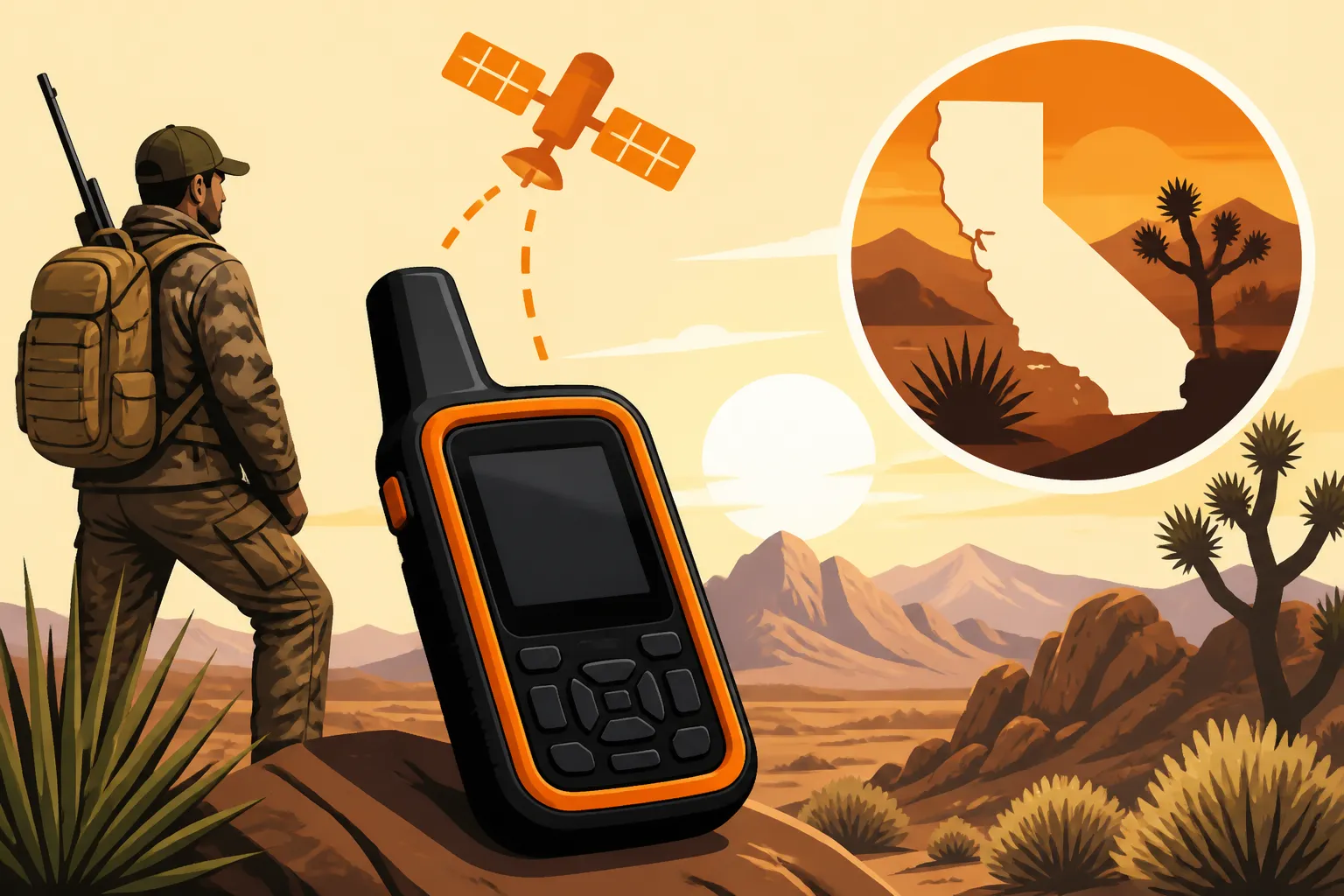
This is where the magic really happens for hunters, especially those of us who spend time in places like Hunting California's Los Padres National Forest or Hunting California's Sierra Nevada Backcountry where connectivity is a pipe dream. Two-way satellite messengers are the sweet spot, offering both emergency SOS capabilities and the ability to send and receive text messages. Many of these devices also offer tracking features, allowing loved ones to follow your progress online, which provides immense peace of mind.
Imagine being able to text your spouse to say you're running late because you're field dressing a buck, or letting your hunting buddy know you've found fresh tracks and are heading north. This level of communication is invaluable. Popular options on the market integrate well with mapping applications, letting you send your precise location along with your message. They require a subscription plan, similar to a cell phone, with various tiers depending on how many messages and how much tracking you anticipate using. These devices have truly revolutionized safety and communication for remote outdoor enthusiasts. They offer a tangible connection to the outside world, making them an indispensable piece of gear for any serious hunter.
Satellite Phones: Overkill for Most
Satellite phones are essentially cell phones that operate entirely on a satellite network. They allow for voice calls from virtually anywhere on the planet, as long as you have a clear line of sight to a satellite. They provide the most comprehensive communication solution, but they come with significant drawbacks for the average hunter.
The primary hurdle is cost. Not only is the initial purchase price substantially higher than a two-way messenger, but the per-minute calling rates and monthly subscription fees can be quite steep. Furthermore, they are often bulkier than messengers, and their battery life can be more limited, especially with extensive use. For professional guides, scientific expeditions, or extreme global travelers, a satellite phone might be warranted. But for most California hunters heading into the BLM desert for a few days, the expense and bulk usually outweigh the benefits, especially when a two-way messenger offers 90% of the functionality needed at a fraction of the cost and weight.
Essential Features for Your Desert Communicator
Choosing the right satellite communicator isn't just about picking the first one you see. When you're heading into the stark, unpredictable environments of California's desert BLM lands, certain features become absolutely paramount. These aren't luxuries; they're necessities that can make or break your trip, and potentially your safety.
Durability and Battery Life: Built for the Wild
Let's face it, the desert is tough on gear. Dust, extreme temperatures, and the occasional accidental drop are all part of the game. Your satellite communicator needs to be able to withstand these elements. Look for devices with a high IP (Ingress Protection) rating, indicating resistance to dust and water. A ruggedized housing is also a huge plus, protecting against impacts. You're not going to baby this thing out in a thorny wash; it needs to be as tough as the landscape you're hunting.
Just as critical is battery life. You might be out for days, far from any charging source. A device that can last for several days, or even weeks, on a single charge – especially when used intermittently for check-ins and tracking – is non-negotiable. Some units offer different power modes, allowing you to conserve battery by reducing tracking frequency. Always carry a portable power bank, too. Even the best battery life can be pushed to its limits during an unexpected extended stay or emergency.
Mapping and Navigation Integration: Your Digital Compass
While a dedicated GPS unit is always a good idea, many modern satellite communicators integrate seamlessly with mapping and navigation features, either onboard the device itself or through a companion app on your smartphone. This integration is incredibly valuable for Hunting California's BLM Desert Land. You can preload detailed topographic maps, mark waypoints, and navigate without cell service.
Many devices allow you to send your precise location coordinates in a text message, which is far more helpful than trying to describe your position from a blurry screenshot. Apps like GoHunt, for example, offer robust mapping layers that can be invaluable for scouting and navigating public lands. Imagine being able to drop a pin on a fresh set of tracks or a promising water source and instantly share it with your hunting partner, even if they're miles away. The ability to overlay your location from your satellite communicator onto a detailed map, especially one that shows land ownership, egress routes, and water sources, dramatically enhances your situational awareness and safety. For more details on leveraging digital tools, check out Best GPS App for California Public Land or Using an App for California BLM Land Status.
Subscription Costs and Data Plans: The Ongoing Investment
Unlike a PLB, which typically has a one-time purchase and registration, two-way satellite messengers require a monthly or annual subscription plan to maintain service. This is a crucial factor to consider in your overall budget. These plans generally come in tiers, offering different allowances for text messages, tracking points, and SOS features.
| Feature | Basic Plan (Example) | Mid-Tier Plan (Example) | Unlimited Plan (Example) |
|---|---|---|---|
| Monthly Cost | Lower | Moderate | Higher |
| Messages | Limited number (e.g., 10-20 per month) | Increased number (e.g., 40-60 per month) | Unlimited |
| Tracking | Less frequent intervals (e.g., every 30-60 minutes) | More frequent intervals (e.g., every 10-20 minutes) | Most frequent intervals (e.g., every 2-5 minutes) |
| SOS | Included | Included | Included |
| Weather Forecasts | Basic | Detailed | Detailed |
| Suspension Options | Often available (e.g., pay only when active) | Often available | Less common or with higher minimum fees |
It's important to evaluate your anticipated usage. If you only plan a couple of remote trips a year and mainly need it for emergency backup and occasional check-ins, a basic, more affordable plan with the option to suspend service during off-season might be perfect. If you're a frequent adventurer who wants to provide constant updates and detailed tracking, a higher-tier or unlimited plan would be more appropriate. Always check the provider's website for their current plan structures and costs, as these can change. Remember, this ongoing cost is an investment in your safety and peace of mind.
Real-World Applications for California BLM Hunters
Having a satellite communicator isn't just about the "what if" scenarios; it actively enhances your hunting experience on California's remote BLM lands. It transforms the feeling of being cut off into a sense of secure independence, knowing you have a reliable link to the outside world should you need it.
Keeping Family Informed and Worry-Free
One of the biggest unspoken anxieties for hunters venturing deep into places like the Mojave Desert or the remote foothills of the Eastern Sierra is the concern of loved ones back home. When you have no cell service, those hours or even days of silence can weigh heavily on family. A two-way satellite messenger alleviates this immensely.
Imagine being able to send a quick, pre-scripted "I'm okay, enjoying the hunt" message every evening, or a more detailed text saying, "Made it to camp, fresh tracks nearby, will be back late afternoon." This simple act provides incredible peace of mind for everyone involved. It allows you to focus on your hunt without the added stress of knowing your family might be worried sick. Many devices even let you set up a publicly viewable tracking page so they can literally watch your progress on a map, adding another layer of reassurance. This small investment in communication fosters goodwill and understanding, making it easier to plan future remote adventures.
The Lifeline: Emergency SOS Activation
While we all hope to never use it, the primary and most critical function of a satellite communicator is its emergency SOS feature. This is the big red button you press when things go truly, catastrophically wrong. Whether it's a severe injury, a lost hunting partner, or a sudden, life-threatening situation that demands immediate outside intervention, the SOS feature connects you directly to a 24/7 emergency response coordination center.
These centers are staffed by trained professionals who can communicate with you via text, assess your situation, and then coordinate with local search and rescue teams, sheriffs' departments, or other emergency services to get help to your exact GPS location. The ability to describe your emergency in detail, rather than just hitting a panic button, can significantly speed up the response and ensure the right kind of help is dispatched. In the vast, unforgiving landscape of California's BLM desert, where hours can feel like days when you're in distress, this direct link to help is invaluable. Consider it the ultimate insurance policy for your outdoor pursuits. For critical backcountry preparation, also check out Best First Aid Kit for a Remote Hunt.
Coordinating with Your Hunting Party in Remote Terrain
Hunting often involves spreading out, especially in expansive areas like Hunting a BLM Desert Wash for Mule Deer. One hunter might be working a ridge line, another might be still-hunting a creek bottom, and a third might be glassing from a distant knoll. In these scenarios, cell phones are useless, and shouting is rarely effective or stealthy. This is where a satellite messenger shines for group coordination.
You can send quick updates on animal sightings, relay messages about changing wind conditions, or coordinate a meeting point for lunch or the end of the day. "Buck headed your way from the north!" or "Found water at N34.1234, W117.5678, meeting there in 30." This level of real-time, silent communication allows hunting parties to operate far more effectively and safely. It reduces the chance of someone getting truly separated and lost, and it enables tactical adjustments on the fly. It's an indispensable tool for keeping everyone on the same page, even when miles and rugged terrain separate you.
Disclaimer
This article is for general informational purposes only and does not constitute professional advice. Laws, prices and regulations vary by location and change over time. Consult a qualified professional for guidance on your specific situation.